


“God promises deliverance and protection” is a comforting truth, especially when life feels uncertain. Scripture repeatedly describes God as a refuge, fortress, shield, helper, and deliverer.
However, biblical protection does not mean believers will never experience sickness, loss, persecution, accidents, or hardship. Jesus openly told His disciples that they would have trouble in the world. God’s promise is greater than a guarantee of constant comfort: He remains with His people, hears them, strengthens them, guides them, and ultimately brings them safely into His eternal kingdom.
To understand God’s protection correctly, we must read the promises in their biblical context. We should neither minimize God’s power to rescue nor turn His promises into a claim that nothing painful can ever happen to a Christian.
What Do Deliverance and Protection Mean in the Bible?
In Scripture, deliverance means that God rescues, saves, or brings someone through danger, oppression, temptation, sin, or judgment. Protection refers to God’s watchful care over His people.
God may protect someone by preventing danger. At other times, He gives wisdom to avoid it, provides a way of escape, sends help through another person, or supplies strength to endure a trial faithfully. Sometimes His deliverance is immediate and dramatic. Sometimes it unfolds slowly. For every believer, the greatest deliverance is salvation from sin and final entrance into Christ’s eternal kingdom.
The Bible therefore presents God’s protection as personal and purposeful. We are never outside His knowledge or separated from His love, even when He permits circumstances we would not have chosen.
Psalm 91: God Is Our Refuge and Fortress
Psalm 91:1–4 (WEB) gives one of Scripture’s clearest pictures of God’s protection:
He who dwells in the secret place of the Most High
will rest in the shadow of the Almighty.
I will say of Yahweh, “He is my refuge and my fortress;
my God, in whom I trust.”
For he will deliver you from the snare of the fowler,
and from the deadly pestilence.
He will cover you with his feathers.
Under his wings you will take refuge.
His faithfulness is your shield and rampart.
The image of being covered by God’s wings communicates tenderness, safety, and nearness. The psalmist does not merely admire God’s protection from a distance. He says, “My God, in whom I trust.” The promise calls us into a relationship of dependence on God.
Psalm 91 should not be treated as a magical formula or a guarantee that a faithful person will never suffer. The psalm itself speaks about terror, danger, disease, and trouble. Its central message is that those who trust God can rest in His faithful care even while living in a dangerous world.
Satan quoted words from this psalm when tempting Jesus to throw Himself from the temple. Jesus rejected that misuse of Scripture and answered, “You shall not test the Lord, your God” (Matthew 4:5–7). Trusting God’s protection never means creating unnecessary danger or refusing wise precautions.
Does God Promise Christians a Trouble-Free Life?
No. Jesus said:
“I have told you these things, that in me you may have peace. In the world you have trouble; but cheer up! I have overcome the world.” — John 16:33 (WEB)
The presence of hardship does not prove that God has abandoned us. David experienced fear and pursuit. Daniel was thrown into a lions’ den. Paul endured opposition, imprisonment, beatings, and shipwreck. Even Jesus suffered and was crucified.
Psalm 34:17–19 says that God hears the righteous and delivers them, while also acknowledging that the righteous experience many afflictions. Biblical faith holds both truths together: trouble is real, and God remains faithful.
God may remove a trial, carry us through it, or use it to accomplish purposes we cannot yet see. His protection is not always protection from suffering; it is often protection through suffering so that our faith is preserved and His purposes are fulfilled.
Bible Stories of God’s Deliverance and Protection
The Bible contains many accounts of God rescuing people in different ways. These stories do not promise that every believer will experience the same kind of miracle. They reveal the character of the same faithful God whom believers trust today.
Noah: Protected Through Obedient Faith
Human violence and corruption filled the earth in Noah’s time. God warned Noah about the coming judgment and instructed him to build an ark (Genesis 6:13–22).
God protected Noah and his family, but Noah still had to believe God’s warning and follow His instructions. Building the ark required sustained faith and obedience before the rain began. The ark was God’s appointed means of rescue.
Noah’s story reminds us that trusting God does not mean remaining passive. Faith listens to God and responds obediently. His protection may include instructions, preparation, perseverance, and practical action.
Abraham and Sarah: God Preserved His Covenant Promise
God called Abraham to leave his homeland and promised to make him a great nation through whom all families of the earth would be blessed (Genesis 12:1–3).
Abraham and Sarah sometimes responded to danger with fear and made unwise decisions. Their failures were not examples to copy. Yet God remained faithful to His covenant and protected the promised family line.
Their story shows that God’s faithfulness rests on His character, not human perfection. This does not excuse sin, but it gives hope to believers who recognize their weakness, repent, and return to trust in God.
Moses: Protected Through Courageous People and Ordinary Means
Pharaoh commanded that Hebrew baby boys be killed. Moses’ mother hid him for three months, placed him in a waterproof basket among the reeds, and sent his sister to watch nearby. Pharaoh’s daughter found him, had compassion on him, and eventually raised him as her son (Exodus 2:1–10).
God protected Moses through a mother’s courage, careful preparation, his sister’s watchfulness, and the compassion of Pharaoh’s daughter. Years later, God used Moses to lead Israel out of slavery.
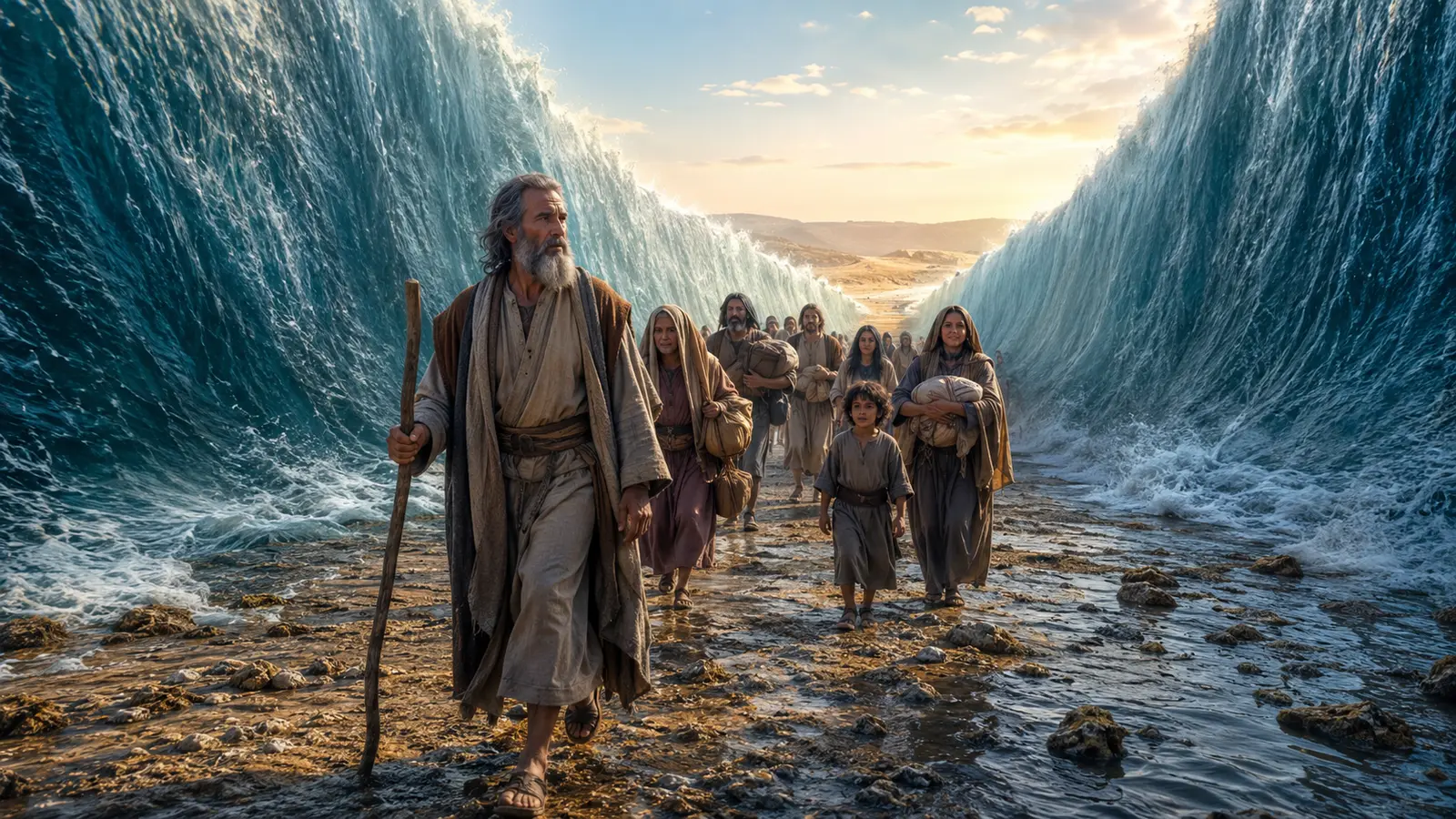
This account shows that divine protection can work through ordinary materials, wise decisions, and people placed at the right moment. God’s providence is no less real when He works through human actions.
David: Delivered From One Danger After Another
Before David faced Goliath, he remembered how God had delivered him from a lion and a bear. That past faithfulness gave him courage to trust God in a new danger (1 Samuel 17:34–37).
David later survived Saul’s repeated attempts to kill him. He prayed honestly, took practical steps to escape, accepted help, and continued trusting God. In Psalm 59, written when Saul sent men to watch David’s house, David called God his high tower and refuge.
David’s life teaches us that faith and prudent action belong together. He trusted God, but he also fled genuine danger, listened to wise counsel, and received help from others.
Daniel: Protected While Remaining Faithful
Daniel’s enemies manipulated the king into issuing a decree that made Daniel’s regular prayers illegal. Daniel did not become rebellious or violent, but neither did he abandon his devotion to God. He continued praying and was thrown into the lions’ den.
God sent His angel and shut the lions’ mouths. Daniel was brought out unharmed (Daniel 6:16–23).
Daniel was not protected from being accused or thrown into the den. He was protected in the den. His story encourages believers to remain faithful when obedience to God becomes costly.

Paul: Rescued for God’s Purpose and Preserved for Eternity
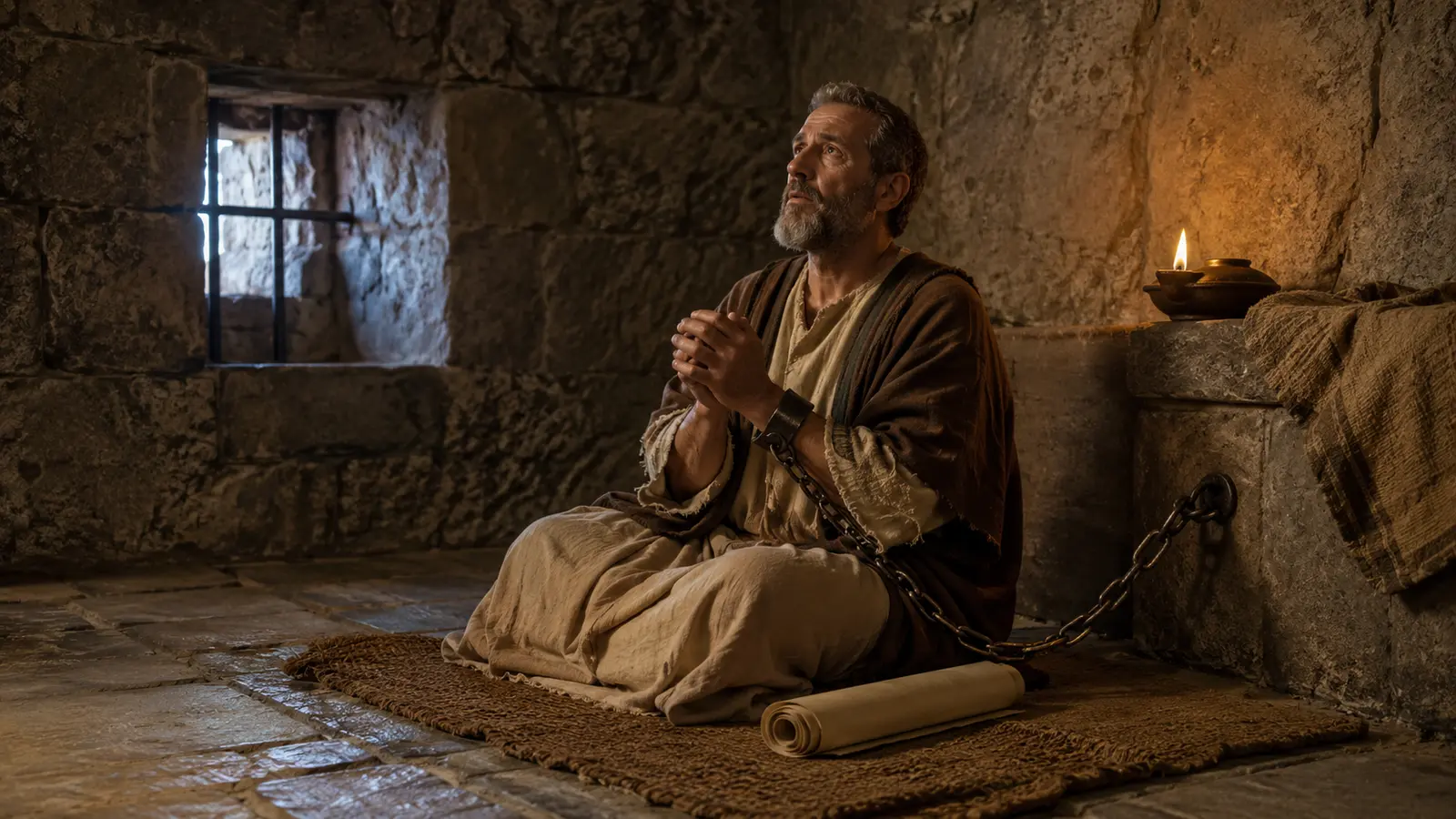
Paul experienced many physical rescues, but he also endured severe suffering. Near the end of his life, he wrote that the Lord stood by him and strengthened him so that the gospel message could be proclaimed. He then expressed confidence that the Lord would rescue him from every evil work and preserve him for His heavenly kingdom (2 Timothy 4:16–18).
Paul’s words give us a complete picture of Christian deliverance. God may rescue His servant from immediate danger so that the work continues. Even when earthly life ends, evil cannot take away the believer’s salvation or eternal future with Christ.
How Does God Protect and Deliver His People Today?
God is free to act miraculously, but His care is not limited to dramatic miracles. Scripture shows several ways He may protect and deliver His people.
Through His Presence and Strength
God told His people:
“Don’t you be afraid, for I am with you. Don’t be dismayed, for I am your God. I will strengthen you. Yes, I will help you. Yes, I will uphold you with the right hand of my righteousness.” — Isaiah 41:10 (WEB)
God’s presence does not always change the situation immediately, but it changes how we face it. We are not alone. He can supply courage, endurance, wisdom, and peace beyond our natural strength.
Through Wisdom and a Way of Escape
God may bring a warning to mind, expose a harmful situation, provide a safe exit, or guide someone toward appropriate help. In temptation, He faithfully provides a way to endure without surrendering to sin (1 Corinthians 10:13).
Using wisdom is not a lack of faith. Locking a door, following safety guidance, seeking medical care, reporting abuse, leaving immediate danger, or asking qualified people for help can be part of responsible trust in God.
Through Other People
God often uses family members, friends, church leaders, medical professionals, emergency workers, counselors, authorities, and even strangers. Moses was protected through several people. David received help from Jonathan and others. Paul’s ministry was sustained by faithful companions and churches.
Receiving help humbly does not diminish God’s role. The person who helps may be one of the means God provides.
Through Spiritual Protection
Some of the greatest dangers are spiritual. God guards believers from condemnation, strengthens them against temptation, and preserves their faith. Nothing in creation can separate those who belong to Christ from God’s love (Romans 8:35–39).
Christians still need to remain watchful, pray, learn Scripture, resist false teaching, and stay connected to other believers. God’s protection does not make spiritual vigilance unnecessary; it makes faithful endurance possible.
Through Final Deliverance
God’s ultimate promise is not that every believer will avoid physical death. It is that everyone who belongs to Christ will be raised and live with Him forever. Sin, suffering, and death will not have the final word.
This eternal hope allowed believers such as Paul to face danger without despair. Their security rested not in controlling every circumstance but in belonging to Jesus Christ.
How Should We Respond to God’s Promise of Protection?
1. Make God Your Refuge
A refuge is a place to which we deliberately turn. Bring your fear, confusion, and need to God in prayer. Tell Him honestly what is happening and ask for wisdom, courage, protection, and help.
2. Obey What God Has Clearly Revealed
Noah built the ark. Daniel continued praying. Biblical trust responds to God’s truth. We should not ask God to protect us while deliberately choosing what He has forbidden.
3. Take Wise and Responsible Action
Faith is not recklessness. Avoid preventable danger, seek appropriate assistance, and follow sound counsel. If you or another person is facing violence, abuse, a medical emergency, or an immediate threat, contact appropriate local help rather than remaining in danger to prove your faith.
4. Remember God’s Past Faithfulness
David remembered earlier deliverance before facing Goliath. Recall the ways God has carried you, answered prayer, provided people, supplied strength, or guided you through earlier trials. Remembering builds courage for present difficulties.
5. Trust God With the Outcome
We may pray earnestly for a particular rescue while submitting the result to God’s wisdom. Trust does not require pretending that pain is easy. It means believing that God remains good and faithful even when we do not understand His timing or methods.
When God Does Not Remove the Danger
Sometimes God answers by changing the circumstances. At other times, He gives sustaining grace while the difficulty continues.
This can be hard to accept. Scripture does not shame people for grieving or asking, “How long?” The Psalms contain cries of fear, sorrow, and confusion. Honest lament can be an expression of faith because it brings pain directly to God.
If deliverance does not come in the form or timing we expected, we should not conclude that God has stopped caring. The cross itself reminds us that suffering can occur within God’s redemptive purpose. The resurrection shows that suffering and death will not defeat His plan.
Believers can therefore pray for rescue, seek help, take responsible action, and continue trusting God. Whatever happens, Christ remains with His people, and nothing can separate them from His love.
Frequently Asked Questions
Does Psalm 91 promise that Christians will never become sick or injured?
No. Psalm 91 teaches confident trust in God’s faithful care, but the whole Bible shows that faithful believers can experience sickness, injury, persecution, and death. The psalm should be read alongside passages such as John 16:33 and Romans 8:35–39.
Does suffering mean that someone lacks faith?
Not necessarily. Job, David, Daniel, Paul, and many other faithful people suffered. Jesus Himself suffered without sin. We should comfort people in pain rather than accusing them of weak faith.
Is it wrong to take safety precautions if I trust God?
No. Scripture commends wisdom and does not permit us to test God. Prayer, faith, careful preparation, medical care, professional assistance, and practical safety measures can work together.
How can I pray for God’s protection?
Tell God the specific danger or fear you face. Ask Him to protect those involved, provide wisdom, expose hidden risks, guide your decisions, send trustworthy help, and give peace and courage. Submit the outcome to His wisdom while taking the responsible steps available to you.
What is the believer’s greatest protection?
The believer’s greatest security is salvation in Jesus Christ. Earthly circumstances can change, but no power can separate those who belong to Christ from God’s love or prevent their final entrance into His eternal kingdom.
Conclusion
God’s promises of deliverance and protection reveal His faithful character. He rescued Noah through the ark, preserved His covenant promise to Abraham and Sarah, protected Moses through courageous people, delivered David from repeated danger, shut the lions’ mouths for Daniel, and strengthened Paul to complete his calling.
These stories do not promise a life without trouble. They teach us that God sees, hears, guides, strengthens, and saves His people according to His wisdom and purpose.
When danger comes, we can pray honestly, obey God, seek wise help, and remember His faithfulness. Sometimes He delivers us from the trial. Sometimes He carries us through it. Ultimately, everyone who belongs to Christ will be brought safely into His eternal kingdom.
God is our refuge—not because life is always safe, but because His presence, love, and saving purpose never fail.