

Understanding Thaddaeus: Insights From John 14:22

Introduction
Have you ever sat in a small group or read a verse and felt like one question could change everything? You’re not alone. In John 14:22, a lesser-known disciple named Thaddaeus asks a simple but important question to Jesus — and that exchange opens a window into how you approach knowing Christ personally. In this article you’ll meet Thaddaeus, unravel the question he asked, and find clear, practical ways to let that moment shape your faith today. This matters because sometimes the shortest questions in Scripture reveal the deepest invitations.
The Bible Foundation
Read the verse with me: John 14:22 (NIV) — “Then Judas (not Iscariot) said, ‘But, Lord, why do you intend to show yourself to us and not to the world?’” John 14:22
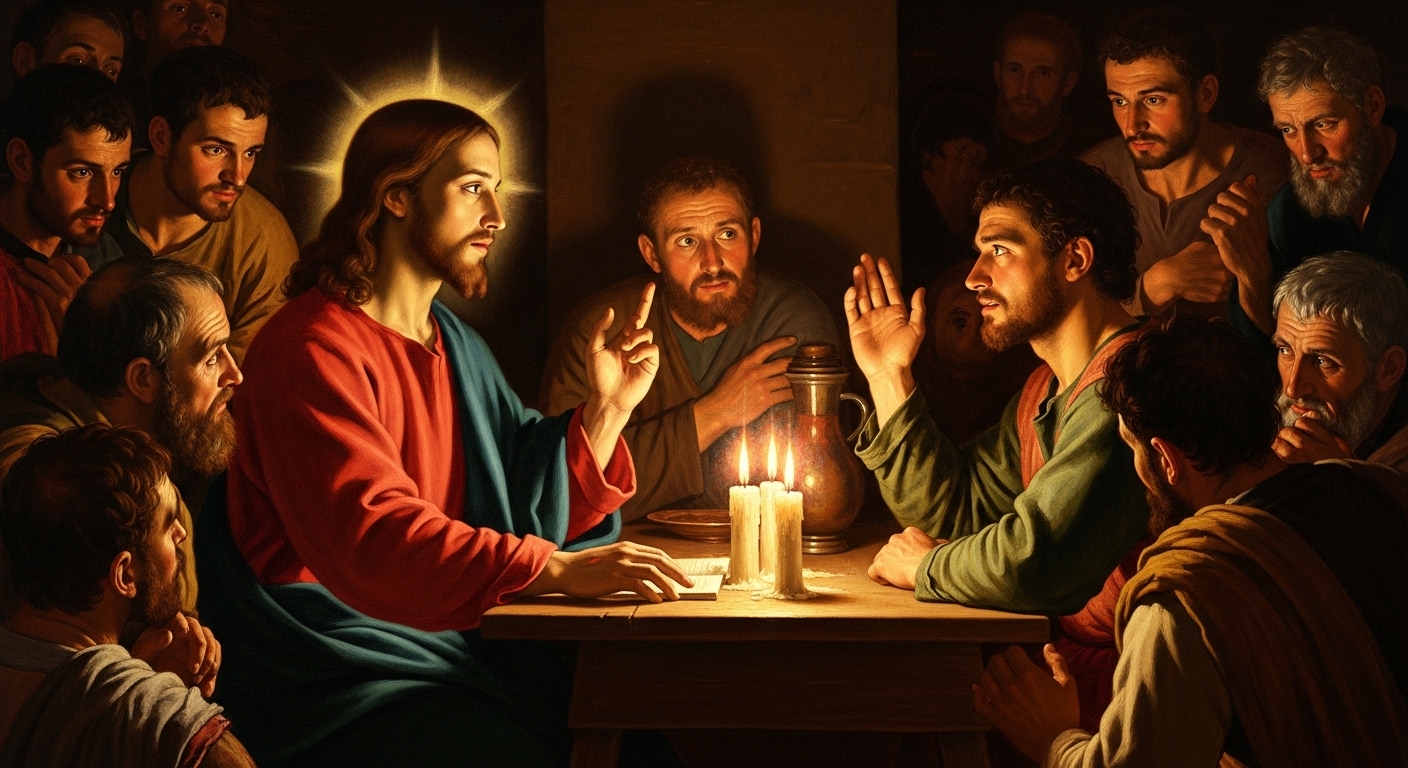
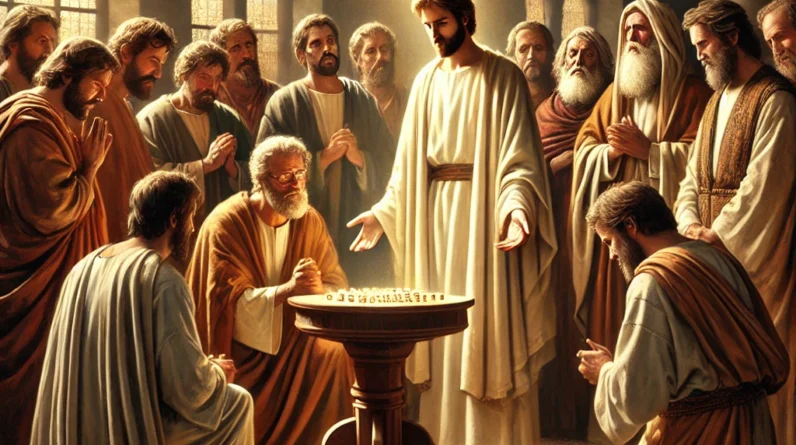
This moment happens in the Upper Room discourse, where Jesus is preparing his disciples for his departure. Judas — identified as the one who is not Iscariot, commonly called Thaddaeus or Judas son of James — voices a question about revelation and audience: Why will Jesus reveal himself to the disciples and not to the entire world? Read in the wider context (especially John 14:15–23), the scene is about intimacy with Jesus, loving obedience, and the promise of the Father’s presence. The verse sets a foundation for understanding how revelation, relationship, and responsibility fit together in the Christian life.
Understanding the Core Truth
The core truth here is simple: knowing Jesus is personal and relational, not merely public or informational. Thaddaeus’s question highlights a tension you probably feel too — why does spiritual insight often seem private, accessible to a few, rather than obvious to everyone? Jesus’ answers around this passage point to love, obedience, and the Father making a home with those who love him (see John 14:23). What Jesus offers is not a show for the crowd but a life-changing presence for those who commit themselves to him. The main point is: spiritual revelation is tied to a relationship.
Going Deeper — The Hidden Meaning

When you dig a little deeper, you see a heart-level truth: God’s revealing presence is filtered through love and obedience. Jesus doesn’t hide; he invites. For Thaddaeus, the question likely came from curiosity or concern: if Jesus is good news, why isn’t everyone experiencing him the same way? The hidden meaning is that God’s work often unfolds through faith communities and obedient discipleship rather than public spectacle. Think of it like seeds and soil — revelation is seed, but your response (the soil) determines whether it takes root. A biblical parallel is John 14:23, where Jesus says the Father and Son will make a home with those who love and keep Jesus’ words. John 14:23. That intimacy is the deeper gift Thaddaeus’s question leads you to consider.
Modern Connection — Relevance Today
You live in a world full of public religion, flashy testimonies, and viral spiritual moments. Thaddaeus’s question lands directly in your context: why do some people have deep encounters with God while others don’t? The answer isn’t about exclusivity but about posture. You can’t reduce genuine spiritual life to attendance, social media posts, or trend-following. Instead, you grow in relationship through consistent practices—listening, obedience, community, and humble seeking. In family dynamics, work stress, and online culture, the John 14 exchange reminds you that a lived relationship with Jesus transforms everyday moments, not just headline events.

Practical Application — Living the Message
How do you live out the teaching behind Thaddaeus’s question? Start small and practical. First, cultivate a posture of love and obedience: choose one simple command of Jesus to practice this week (for example, forgiveness, generosity, or quiet prayer). Second, prioritize presence over performance: set aside time to listen rather than to prove. Third, join or nurture a community where honest questions are welcome and spiritual growth is modeled. These steps aren’t spiritual hacks; they’re disciplines that create the receptive soil Jesus describes. Over time, you’ll find that revelation becomes less about sudden spectacles and more about steady transformation.
Faith Reflection Box
Pause and reflect: Where in your life are you hoping for a public sign instead of a quiet, transforming presence of Jesus? What small, obedient step could you take this week to open your life to that presence?
Key Takeaways:
- Loving obedience opens the door to experiencing Jesus more deeply.
- Spiritual revelation is relational; it grows in community and practice.
- Small, consistent steps matter more than grand signs.
Q&A
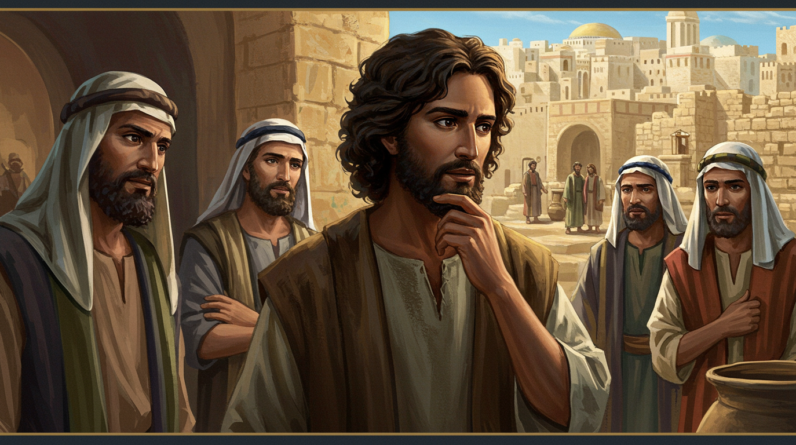
Q1: Who was Thaddaeus, and why does John use the name “Judas (not Iscariot)”? Answer: Thaddaeus is the disciple John calls “Judas (not Iscariot)” to avoid confusion with the Judas who betrayed Jesus. Other Gospel lists name him as Judas, son of James or Thaddaeus (see Luke 6:16 and Matthew 10:3). Using both names, John helps you recognize the man without linking him to betrayal. This shows the Gospel’s care for clarity — and it reminds you that discipleship includes people with ordinary, even confusing, backgrounds who nonetheless ask honest questions and grow in faith. See Luke 6:16 for the listing of names. Luke 6:16
Related: The Life And Lessons Of Simon Peter: A Disciple’s Journey
Q2: What does John 14:22 teach you about how God reveals Himself? Answer: John 14:22, read alongside John 14:23, shows that God’s revelation is relational — tied to love and keeping Jesus’ words. Jesus emphasizes that the Father and Son will make their home with those who love and obey. That doesn’t mean perfection, but it does mean a posture of trust and responsiveness. You learn that revelation isn’t merely informational but transformative: it changes how you live, love, and relate to others. So when you seek a deeper knowledge of Christ, aim for faithful obedience and openness rather than simply a spectacular sign. See John 14:23 for the promise of God’s presence. John 14:23
Q3: How can Thaddaeus’s question help you in moments of doubt or spiritual dryness? Answer: Thaddaeus models a healthy curiosity — he asks because he wants clarity. In moments of doubt, taking that humble stance can free you from shame and push you toward Jesus’ answers. Rather than demanding public proof, allow the Lord to meet you in simple disciplines: read Scripture, pray, confess, serve, and stay in community. Those practices create the “home” Jesus promises. Doubt then becomes a doorway to deeper faith instead of a reason to stop seeking. Remember that even the disciples who asked questions were invited into greater clarity and mission. See James 1:5 for an invitation to seek God’s wisdom. James 1:5
See also: James Son of Zebedee: A Close Disciple’s Journey with Christ
Conclusion & Reflection
You’ve walked with Thaddaeus for a few minutes — from a simple question in an upper room to a life-changing takeaway: knowing Jesus is relational. The invitation is for you to respond with love, obedience, and community, not merely curiosity. As you go, remember that the Father and Son want to make a home with you. Let that promise shape your next prayer, your next small act of obedience, and your next honest question.
A closing prayer: Jesus, thank you for inviting me into a relationship rather than performance. Help me love you in ways that make room for your presence. Give me the courage to ask honest questions and the humility to follow your words. Make your home in my heart, and guide me to live in obedience that grows my faith. Amen.

More Inspiration Awaits — Read These Next
👉 For deeper insight into Isaiah 40:31 and how it renews your strength in both faith and daily life
👉 For practical lessons on compassion and neighborliness from the Good Samaritan
👉 For a clear explanation of what we can learn from the Parable of the Good Samaritan
👉 For meaningful insights from the Parable of the Pearl and its hidden treasures
👉 For a deeper look at the Rich Man and Lazarus and what it reveals about the afterlife
👉 For guidance on the Parable of the Ten Virgins and preparing for God’s Kingdom
👉 For clarity on the Parable of the Lamp and how it calls us to shine our light
👉 For insights from the Parable of the Wedding Feast and the meaning behind the invited guests

📘 Jesus and the Woman Caught in Adultery – Grace and Mercy Over Judgement
A powerful retelling of John 8:1-11. This book brings to life the depth of forgiveness, mercy, and God’s unwavering love.
👉 Check it now on Amazon 🛒💥

🔥 “Every great message deserves a home online.” 🌍💬🏡
Don’t let your calling stay hidden. Start a Christian blog or website using Hostinger — with 99.9% uptime, a free domain, and SSL, your voice can shine for God’s glory anytime, anywhere.
💥 Begin today. 🛒 Try it RISK-FREE! ✅

✝️ “Your body is God’s temple — care for it with purpose.” 💪💖🏛️
Renew your energy and restore balance naturally. Mitolyn helps support a healthy metabolism, giving you the vitality to live out God’s calling with strength and confidence.
🔥 Unlock Your Metabolic Power! ⚡Burn More Calories & Feel Great With Mitolyn. 💪
👉 Start Today. 🚀 Check Price Now. 🛒💰
💰 As a ClickBank & Amazon Affiliate, I earn from qualifying purchases.
📖 Acknowledgment: All Bible verses referenced in this article were accessed via Bible Gateway (or Bible Hub).
🚀 Want to explore more? 👉 Dive into our new post on Why Jesus? and experience the 🔥 life-changing truth of the Gospel!