


“God will supply all your needs” is one of the Bible’s most comforting promises. It speaks to people facing unpaid bills, uncertain work, family responsibilities, health concerns, ministry needs, or fear about the future.
But Philippians 4:19 is sometimes treated as if God promised every believer wealth, comfort, or anything they sincerely desire. That is not what Paul meant.
To understand the promise correctly, we must read it in its setting. Paul had experienced both abundance and lack. The Christians in Philippi had generously supported his ministry. In response, Paul assured them that the God they served would faithfully provide what they truly needed.
The promise is not a blank check for material prosperity. It is an invitation to trust the unlimited riches, wisdom, and faithfulness of God in Christ.
Philippians 4:19
Paul wrote:
“My God will supply every need of yours according to his riches in glory in Christ Jesus.”
This verse tells us who provides, what He provides, how He provides, and where His provision is found.
- “My God” identifies the Provider as the God Paul personally knew and trusted.
- “Will supply” expresses confidence in God’s faithful care.
- “Every need of yours” points to genuine needs, not unlimited desires.
- “According to his riches in glory” shows that God’s resources are not limited like ours.
- “In Christ Jesus” places the promise within our relationship with Christ.
The center of this verse is not human wealth. It is God’s sufficiency.
The Context of Philippians 4:19
Philippians 4:19 belongs to a larger discussion about hardship, contentment, generosity, and partnership in the gospel.
Paul thanked the Philippian believers for sending help through Epaphroditus. They had supported him more than once, sharing in his difficulties and helping advance his ministry.
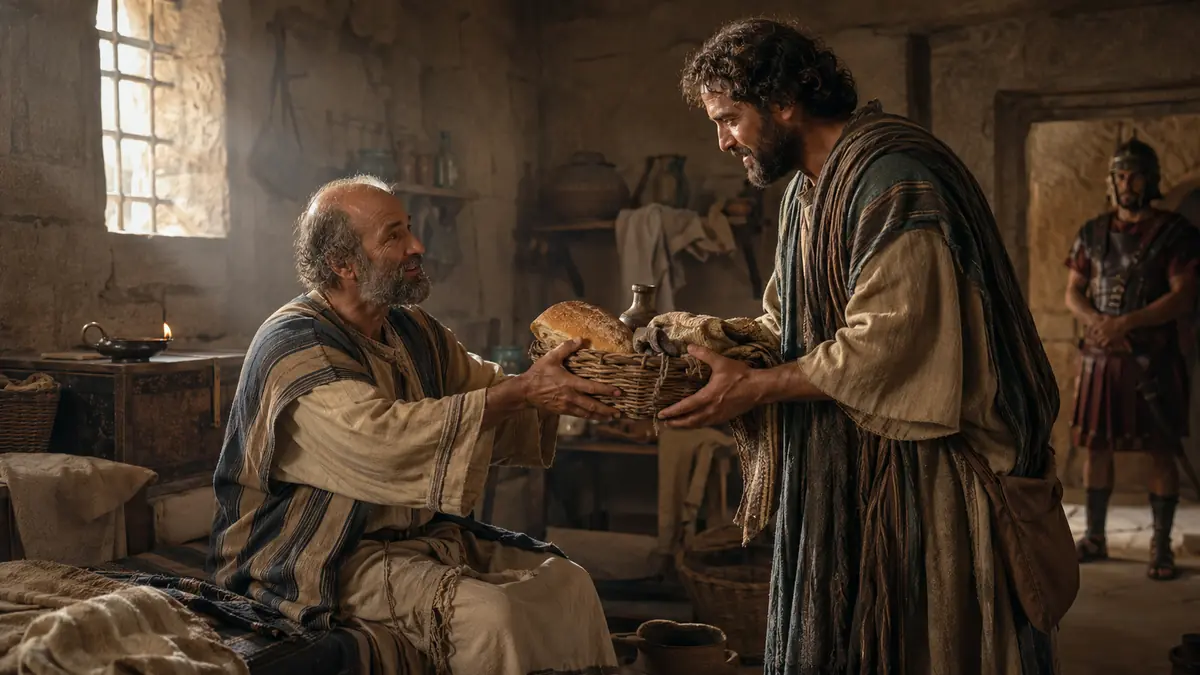
Yet Paul did not write as someone who believed faith guaranteed comfort. He said that he knew what it was like to have little and to have plenty. He had experienced hunger as well as abundance. Through these changing circumstances, he learned contentment because Christ gave him strength.
Read the complete setting in Philippians 4:10–20 (WEB).
This context prevents two mistakes.
First, Philippians 4:19 does not teach that faithful Christians will never experience temporary hardship. Paul himself experienced need.
Second, the verse does not describe a financial transaction in which giving forces God to return more money. The Philippians’ generosity was worship, not a method of purchasing prosperity.
Paul’s confidence rested in God’s character, not in a formula.
What Does “God Will Supply All Your Needs” Mean?
Philippians 4:19 means that believers can depend on God to provide what is necessary for His purposes, according to His wisdom and riches in Christ.
God’s provision may include food, clothing, shelter, employment, wisdom, strength, peace, supportive people, opportunities, correction, or endurance. Sometimes He provides by changing the situation. At other times He supplies grace to remain faithful within it.
Provision does not always arrive in the form we expected. God may provide employment rather than sudden money, wise counsel rather than immediate relief, or help from His people rather than a dramatic miracle.
The promise assures us that our lives are not outside the Father’s care. It does not give us authority to define every desire as a need or demand that God follow our preferred timetable.
Needs Are Not the Same as Wants
The Bible does not condemn every desire. We may ask God for things we hope to receive. But Philippians 4:19 specifically speaks about needs.
A need supports life, faithfulness, and the work God has given us. A want may be good or harmless, but it is not necessarily essential.
For example, a person may need transportation for work but want a particular expensive vehicle. A family may need safe housing but want a larger home than their circumstances require. We may need daily food while wanting luxury and constant abundance.
God knows the difference more clearly than we do.
Jesus taught that our heavenly Father knows we need food and clothing. He told His followers to seek God’s Kingdom first instead of allowing anxiety to rule them. Read Matthew 6:25–34 (WEB) and our related study, Don’t Worry About Tomorrow.
Trusting God’s provision means bringing both needs and desires to Him while allowing His wisdom to determine what is best.
Philippians 4:19 Is Not a Prosperity Promise
This verse does not promise every Christian a new house, a new car, perfect health, or freedom from financial difficulty.
Paul had already explained that he sometimes went hungry and lived with very little. His suffering did not mean God had abandoned him. God sustained Paul and enabled him to remain faithful.
The Bible also warns against making wealth the goal of faith. 1 Timothy 6:6–10 (WEB) teaches that godliness with contentment is great gain and warns about the desire to become rich.
Money can meet real needs and support generous ministry, but it cannot replace God. For a broader biblical discussion, read God’s Promises About Money.
Philippians 4:19 points us away from entitlement. It teaches dependence, contentment, generosity, and confidence in God.
How Does God Supply Our Needs?
God can provide in many ways. His provision is not limited to miraculous events.
Through Work and Wise Stewardship
The ability to work, learn, plan, budget, and use resources wisely can be part of God’s provision. Trusting God does not mean refusing responsible action.

We can pray for employment while preparing a résumé, developing useful skills, seeking counsel, and applying for suitable work. We can ask God for financial help while also reviewing spending and making careful decisions.
Through Other People
The Philippians helped meet Paul’s needs through their generosity. In the same way, God may use relatives, friends, a local church, employers, charities, or fellow believers to provide practical assistance.

Receiving help humbly is not a failure of faith. It may be the very means God has chosen.
Through Daily Provision
God often supplies needs one day at a time rather than giving us everything in advance. Israel received manna for each day in the wilderness. Elijah received food during a drought through an unexpected means.
Read Elijah and the Ravens: God’s Provision for another biblical picture of God sustaining His servant during scarcity.
Through Strength, Wisdom, and Peace
Some needs cannot be measured in money. We need wisdom for decisions, strength during suffering, peace during uncertainty, forgiveness for sin, and grace to obey God.
The greatest riches in Philippians 4:19 are found “in Christ Jesus.” God’s provision ultimately centers on Christ, through whom we receive reconciliation with God, spiritual life, and the hope of eternal glory.
The Connection Between Contentment and Provision
Paul’s confidence in verse 19 is connected to the contentment described in verses 11–13.
Biblical contentment does not mean pretending that needs are unreal. Paul honestly acknowledged hunger and hardship. Contentment means that changing circumstances do not determine whether God is trustworthy.
Contentment says:
- God remains good when resources are limited.
- Christ remains sufficient when life is difficult.
- Gratitude is possible without having everything we want.
- Our identity and security are not measured by possessions.
This kind of contentment must be learned. It grows as we remember God’s past faithfulness, reject comparison, practice gratitude, and depend on Christ.
The Connection Between Generosity and God’s Provision
The Philippian believers were generous even though they were not presented as wealthy people. Their gift expressed love for Paul, partnership in the gospel, and worship toward God.
Paul did not promise that their giving would make them rich. He assured them that God would not overlook their sacrifice and would faithfully care for them.
Christian generosity should therefore come from grace—not manipulation, fear, or greed. We do not give to control God or purchase a larger financial return. We give because everything belongs to Him, because people have real needs, and because the gospel is worth supporting.
Trust in God’s provision frees us to hold our resources with open hands.
What If I Am Still Experiencing Need?
Experiencing need does not automatically mean that you lack faith or that God’s promise has failed.
Paul knew hunger and scarcity. Faithful believers throughout Scripture experienced waiting, loss, persecution, and dependence on others. God’s provision did not always remove their difficulty immediately, but He did not abandon them.
If you are struggling:
- Tell God honestly what you need. Prayer is an expression of dependence, not weakness.
- Distinguish the immediate need from the outcome you prefer. Ask God for wisdom to recognize the difference.
- Take responsible steps. Seek work, professional help, financial counsel, medical care, or community assistance when appropriate.
- Let trusted believers know. God often provides through His people.
- Remember previous provision. Gratitude strengthens faith during present uncertainty.
- Refuse shame. Receiving help does not reduce your dignity or worth.
- Keep seeking God’s Kingdom. Do not allow scarcity to become the center of your spiritual life.
Trust does not require passivity. We pray, obey, work, plan, receive help, and remain open to the different ways God may answer.
Practical Ways to Trust God’s Provision
Pray Specifically
Name the need clearly before God. Ask for wisdom, direction, and provision while submitting the outcome to His will.
Practice Gratitude
Regularly remember how God has provided through food, shelter, work, relationships, strength, forgiveness, and answered prayer. Gratitude helps us see provision we might otherwise overlook.
Use What You Already Have Wisely
Good stewardship honors the Provider. Review your time, money, abilities, possessions, and opportunities. Ask how they can be used faithfully.
Reject Comparison
Another person’s abundance does not prove greater faith, and your hardship does not prove God’s absence. Comparison turns our attention from God’s assignment to someone else’s circumstances.
Remain Generous
Scarcity can tempt us to close our hands completely. Wisdom is necessary, but fear should not control us. Even modest acts of generosity can express trust and love.
Depend on Christ
Philippians 4:19 ends with Christ because He is central to the promise. Material provision is temporary, but the grace, forgiveness, strength, and eternal hope found in Christ address our deepest need.
Frequently Asked Questions
Does Philippians 4:19 Promise That Christians Will Be Rich?
No. Paul experienced both abundance and need. The verse promises God’s faithful provision, not guaranteed wealth or a life without hardship.
Does God Supply Wants as Well as Needs?
God may graciously give things we desire, but Philippians 4:19 specifically promises provision for needs. We can bring our desires to Him while trusting His wisdom about what is best.
Must I Give Money Before God Will Help Me?
No. God’s grace cannot be purchased. The Philippians’ giving was an expression of faith and gospel partnership, not a fee paid to make God provide. Christians give in response to grace, not to manipulate God.
Why Do Faithful Christians Sometimes Experience Hunger or Financial Hardship?
Scripture does not teach that faith removes every period of need. Believers live in a broken world and may experience injustice, disaster, illness, unemployment, or persecution. God remains present and may provide endurance, community help, wisdom, opportunity, or eventual relief.
How Can I Trust God Without Becoming Passive?
Pray and act responsibly. Seek work, use resources wisely, obtain appropriate help, accept support, and obey biblical principles. God often provides through ordinary actions, people, and opportunities.
Conclusion
“God will supply all your needs” is a promise of faithful care, not unlimited material prosperity.
Paul wrote these words as someone who knew abundance, hunger, generosity, and hardship. He had learned that circumstances change, but God’s faithfulness does not.
Philippians 4:19 invites us to trust the riches of God in Christ. We can pray honestly, work responsibly, receive help humbly, give generously, and learn contentment while depending on Him.
We may not always receive what we want, when we want it, or in the form we expected. But believers are never outside the Father’s knowledge or care.
Our security is not found in possessing everything. It is found in belonging to Christ and trusting the God who knows every need.