


How Important Is Confession For Salvation? (Romans 10:9-10)

TL;DR — Simple Answer
You are saved when you genuinely confess Jesus as Lord and believe in your heart that God raised Him from the dead (Romans 10:9–10). Biblically, “confession” is the outward expression of inner faith — a public, verbal commitment that flows from a trusting heart. The key takeaway: confession matters because it’s the transparent expression of the faith that saves; it’s not a ritual formula but a sincere declaration rooted in trust in Christ. For you today, that means your words and actions should reflect a genuine heart-commitment to Jesus, not empty repetition.

INTRODUCTION
This question matters because salvation touches every part of your life — your identity, relationships, purpose, and eternity. When you ask, “How important is confession for salvation?” you’re really asking how your words relate to your faith and your relationship with Jesus. This topic is spiritual, not merely academic: it shapes how you live as a disciple, how you witness to others, and how you respond to God’s grace. Confession reveals God’s character — merciful, just, and relational — and aligns with His purpose to bring people into restored friendship with Himself through Christ. As you read, you’ll find clarity that holds Jesus at the center and points you toward a humble, truthful faith.
SIMPLE BIBLICAL MEANING
Confession, in plain language, is saying out loud what you believe about Jesus. It’s a truthful acknowledgment: Jesus is Lord, and God raised Him. Confession represents a public and personal admission of faith and dependence on Christ, not a magic phrase that guarantees salvation by itself. What God is revealing is that salvation is relational and communicative: He creates faith in the heart, and that faith often finds expression in words. Confession shows that your inner belief has linked up with your outward life — it’s honesty, humility, and allegiance.

WHAT DOES THE BIBLE SAY?
Romans 10:9–10 sits at the heart of this discussion. Paul is writing to Christians, addressing both Jewish and Gentile audiences in Rome, explaining how righteousness and salvation are accessed: through faith and confession. He identifies the process: belief in the heart leads to righteousness, and confession with the mouth leads to salvation. Other passages echo this: Jesus taught the importance of acknowledging Him (Matthew 10:32–33), Peter invited confession and baptism in Acts 2:38, and John connected confession with ongoing fellowship and forgiveness (1 John 1:9). The Bible’s testimony consistently links inner faith and outward confession as part of God’s saving work.
The Bible Foundation
Bible verse here — Romans 10:9–10 (NIV) Bible Verse Text: “If you declare with your mouth, ‘Jesus is Lord,’ and believe in your heart that God raised him from the dead, you will be saved. For it is with your heart that you believe and are justified, and it is with your mouth that you profess your faith and are saved.”
Read Romans 10:9–10 on Bible Gateway: https://www.biblegateway.com/passage/?search=Romans+10%3A9-10&version=NIV
QUICK ANSWERS PEOPLE ASK (PAA SECTION)
- Does saying the words save you? Saying the words alone doesn’t save you; sincere belief in the heart is essential. Confession is the truthful expression of that faith (Romans 10:9–10).
- Can someone be saved privately without public confession? Yes, God sees the heart, but public confession is a biblical norm and a natural fruit of true faith (Matthew 10:32–33).
- Is confession the same as repentance? No. Repentance is turning from sin; confession is declaring Jesus as Lord. Both often go together in conversion (Acts 2:38).
- What if I struggle to confess publicly? Your struggle doesn’t disqualify you; grow in trust and small steps of obedience. God honors sincere faith (Philippians 1:6).
GOD’S PURPOSE, PROTECTION & PROMISE
God’s purpose in making confession part of the salvation text is relational: He wants a people who acknowledge Jesus as Lord. Confession protects you from hiding faith or living a double life. Christ’s role is central — He accomplished salvation by His death and resurrection, and your confession acknowledges His lordship and resurrection power. The spiritual promise is clear: genuine belief and confession unite you to the righteousness of Christ and place you in God’s saving family (Romans 10:9–10; 1 Corinthians 1:30). At the same time, God’s warning is pastoral: empty words without a repentant heart and ongoing trust are not the same as genuine conversion. God’s sovereign grace initiates salvation, and your confession is a faithful response to that grace.
GOING DEEPER — BIBLICAL CONTEXT
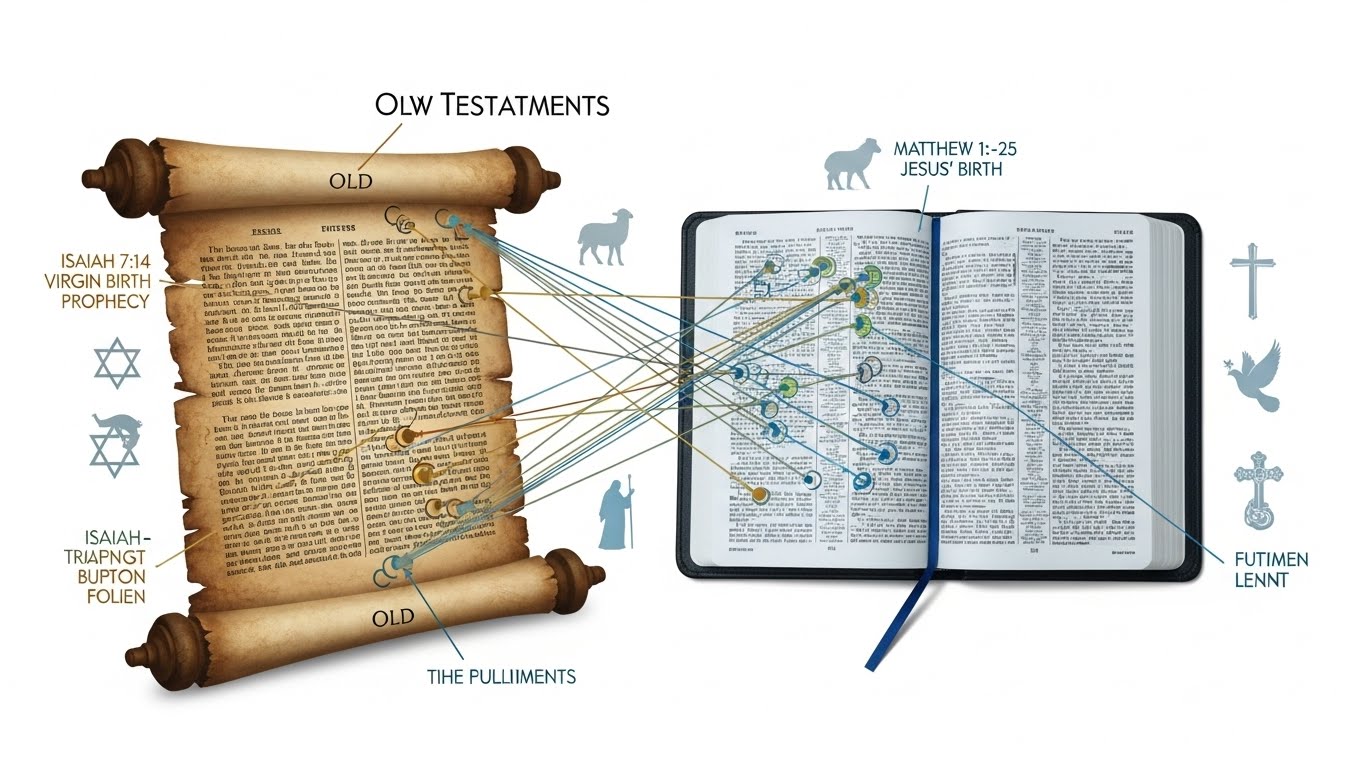
The Old Testament anticipates God’s plan to reveal His glory and save a people who will acknowledge Him. For instance, Joel 2:32 (quoted in Romans 10:13) promises that “everyone who calls on the name of the Lord will be saved.” In the Gospels, Jesus emphasizes open acknowledgment of Him before others (Matthew 10:32–33), which links to public confession. The early church practiced confession and baptism together (Acts 2:38; Acts 8:36–38), showing continuity between confession, repentance, and incorporation into the body of Christ. The Epistles, including Romans and 1 John, develop this by linking the heart’s belief and the mouth’s confession, reinforcing that faith expresses itself in words and life (Romans 10:9–10; 1 John 1:9). The theological continuity is clear: God’s covenant faithfulness, Christ’s fulfillment, and the Spirit’s transforming work come together so that inner belief becomes public allegiance.
MODERN CONNECTION — DAILY LIFE APPLICATION
Confession matters in your daily life because your words shape relationships and identity. In anxiety, confessing Jesus as Lord helps reorient your trust away from fear and onto Christ. When you face decisions, confession clarifies your priorities — you choose what honors Jesus. In faith challenges, confession reminds you of the core truth you lean on. Practically, this may look like speaking up about your faith with coworkers, praying publicly in church, or living in a way that testifies to Jesus’ lordship. Confession is not showmanship; it’s a way to make your faith visible and consistent so that your life testifies to what you truly believe.
PRACTICAL APPLICATION (BULLET POINTS)
- Pray honestly: Tell God you believe and ask for boldness to confess Jesus with your mouth and life.
- Read Romans regularly: Meditate on Romans 10:9–10 and let it shape your understanding of salvation.
- Share your testimony: Practice a brief, honest story of how Christ changed you; this is a living confession.
- Engage in community: Join a church where confession and baptism are part of the discipleship process.
- Practice simple public confessions: Say a prayer aloud in a small group, recommend Scripture, or introduce yourself as a follower of Jesus.
- Repent and confess sin: Combine confession of Christ with ongoing confession of personal failures (1 John 1:9), allowing God to cleanse and renew you.
- Live consistently: Let your daily choices reflect the confession that Jesus is Lord — in work, family, and service.


 “Every God-given message deserves to be shared.”


Don’t let your calling stay hidden. Start a Christian blog or website using Hostinger — with 99.9% uptime, a free domain, and SSL, your voice can shine for God’s glory anytime, anywhere. Begin today.
  Try it RISK-FREE!
FAITH REFLECTION BOX
Pause and reflect: When was the last time your words matched your faith? Are there places where you’re quiet about Jesus out of fear or comfort? Consider how you might take one small step this week to confess Christ more openly — a short testimony, a bold prayer, a conversation where you share your hope.
Key Takeaways:
- Genuine faith begins in the heart and naturally expresses itself through confession.
- Confession is an outward sign of an inward transformation, not a magic formula.
- Practice confession in words and deeds; it strengthens your witness and deepens your discipleship.
FREQUENTLY ASKED QUESTIONS
Q1: If I say “Jesus is Lord” but don’t truly believe, am I saved? Answer: Saying “Jesus is Lord” without genuine belief in your heart is not saving faith. Romans 10:9–10 makes a two-fold point: belief in the heart produces justification, and confession with the mouth expresses that faith and leads to salvation. God sees the heart; salvation is initiated by God’s grace when a person truly trusts in Christ. Confession is important because it publicly expresses a personal faith, but empty words aren’t effective. God’s challenge to you is to examine whether your words flow from real trust and repentance. Read more on the interplay of heart belief and outward confession: Romans 10:9–10.
Related: How Can I Be Saved According To The Bible? (Romans 10:9-10, Acts 16:31)
Q2: Do I need to be baptized after confessing to be saved? Answer: In the New Testament, confession and baptism often appear together as marks of conversion (Acts 2:38; Acts 8:36–38). Baptism is a commanded, public sign of identification with Christ’s death and resurrection, and it normally follows a genuine confession of faith. However, the core of salvation is trust in Jesus; baptism is the obedient step that publicly seals that inward commitment. In many cases, new believers are baptized as an act of obedience and entry into the church community. If you’ve confessed Jesus but haven’t been baptized, consider speaking with a pastor or a disciple-making leader about taking that important next step (Acts 2:38).
Q3: What if I doubt while confessing — is my salvation secure? Answer: Doubt and struggle are common in the Christian life, but they do not automatically cancel salvation. The Bible encourages you to hold firmly to faith while asking God for assurance and growth (Hebrews 10:22–23; 1 Peter 5:7). Genuine salvation involves ongoing trust in Christ; when doubts arise, bring them to God, study Scripture, and seek community. Assurance comes from God’s promises and the evidence of transformed life, not from flawless faith. Scripture encourages perseverance and promises that God who began a good work in you will carry it on to completion (Philippians 1:6).
See also: What Role Does Jesus Christ Play In Salvation? (John 14:6, Acts 4:12)
GODLY EXPLANATION AND CHURCH PRACTICE
Confession has always had a public dimension in biblical faith. In the synagogue and temple, words and communal worship mattered because faith was not meant to be private alone; it formed a people who would reflect God to the world. The church historically practiced public professions of faith and baptism as formative acts. Pastors and teachers encourage believers to confess Christ publicly because it helps you live consistently and supports communal witness. Yet the church also affirms that salvation is by God’s grace through faith — not by performing a ritual. Confession is the faithful response to that grace.
SCRIPTURAL CROSS-REFERENCES
- Romans 10:9–10 — Heart belief and mouth confession.
- Matthew 10:32–33 — Jesus on acknowledging Him before others.
- Acts 2:38 — Peter calls for repentance and baptism.
- 1 John 1:9 — Confession of sin and ongoing forgiveness.
- Joel 2:32 / Romans 10:13 — Calling on the name of the Lord.
THEOLOGICAL CLARIFICATIONS
Confession should not be reduced to a formula. The Bible teaches salvation by grace through faith (Ephesians 2:8–9), and confession is the natural expression of that faith. Avoid two common errors: (1) thinking that mere repetition of a phrase guarantees salvation, and (2) assuming that public silence equals lack of faith. Instead, confession is meaningful when it flows from repentance and trusting surrender to Christ. The Holy Spirit bears witness to your spirit that you are God’s child (Romans 8:16), and confession links that inner witness to a visible testimony.
PASTORAL CARE FOR THOSE STRUGGLING WITH CONFESSION
If you’re fearful to confess publicly, you’re not alone. Many believers wrestle with shame, fear of rejection, or weak nerves. Pastoral care encourages small, faithful steps: begin with private confession to God, then confess in small groups, and allow trusted friends to celebrate and pray with you. Read Scripture together, practice telling your story in a safe setting, and remember that the body of Christ exists precisely to support your spiritual growth. Confession should eventually bear fruit in service, witness, and obedience.
HOW CONFESSION RELATES TO REPENTANCE AND BAPTISM
Confession, repentance, and baptism are distinct but tightly connected. Repentance involves turning away from sin and toward God; confession is naming Jesus as Lord and acknowledging your faith; baptism is the symbolic act that marks union with Christ and entry into the community of believers. The New Testament often links these together as steps in conversion (Acts 2:38), and churches throughout history have upheld this pattern. Each step is meaningful and should be approached with sincerity and teaching.
COMMON MISUNDERSTANDINGS, CLARIFIED
Some think confession is a ritual that coerces God; others think it’s unnecessary show. Both misunderstand the biblical balance. Confession is not a work that earns salvation — it’s the honest expression of trust already given by grace. It’s also not merely private; Christianity is communal, and public confession strengthens both your faith and the church’s witness. Embrace confession as a covenantal statement, not a spell.
STORIES AND ILLUSTRATIONS
Imagine someone rescued from a burning house; they’re given a new life and a new identity. Wouldn’t they want to tell others about the rescue? Confession works similarly: when God rescues you through Christ, your words can testify to that rescue. Another image is a wedding vow: a spoken declaration binds two people publicly and inwardly. Confession binds you to Christ in testimony — not by magic, but by relational commitment.
PRACTICAL GUIDANCE FOR SHARING YOUR CONFESSION
When you share your faith, be brief, authentic, and focused on Jesus. You don’t need theological perfection — you need sincerity. Practice a two-minute testimony: what life was like before Christ, how you met Jesus, and how life changed. Offer an invitation to pray together if the person is open. Confession in conversation invites others to see what God has done and creates opportunities for discipleship.
DEALING WITH DOUBT AND BACKSLIDING
If you feel distant, confession can be a first step back. Admit honestly to God and to a trusted believer that you’ve wandered, ask for forgiveness, and verbally recommit to Christ. The pattern of confession and restoration is biblical (1 John 1:9). The church should be a place of repentance and grace, not condemnation. Confession opens the door to healing and revival in your spiritual life.
COMMUNITY AND ACCOUNTABILITY
Confession thrives in community. Regular small groups where honesty is encouraged, faith milestones celebrated, and prayer offered help you grow. If you struggle to confess, invite a mentor to pray with you and help you practice sharing your faith. Accountability is not legalism; it’s compassionate support for obedience and growth.
MAKING CONFESSION PART OF YOUR DAILY WALK
Confess daily by practicing gratitude to Jesus, naming His lordship in your decisions, and living in simple obedience. Make your online life consistent with your confession — your social media voice can be a place to testify to God’s work in your life when appropriate. Confession in small things builds integrity for bigger moments of witness.
RELATED TOPICS
- What Is Salvation In The Bible? (Ephesians 2:8-9, John 3:16)
- What Does It Mean To Be Filled With The Holy Spirit? (Acts 1:8, Ephesians 5:18)
- What Does The Bible Say About Life After Death? (John 11:25–26)
CONCLUSION & PRAYER
To conclude, confession is vitally important because it expresses the faith that saves. Romans 10:9–10 teaches that belief in the heart and confession with the mouth belong together: your words should reflect the reality inside you. Confession isn’t a magic formula or mere ritual — it’s an honest, public testimony that aligns your life with Christ’s lordship. As you confess Jesus, you participate in God’s kingdom work of making known the hope you have in Him.
Closing Prayer: Lord Jesus, thank you for the gift of salvation through your death and resurrection. Help me to trust you deeply in my heart and to confess you boldly with my mouth. Forgive my fear and my silence. Fill me with courage to live honestly and to witness to your grace. May my words match my faith, and may my life bring glory to you. Amen.
 As a ClickBank & Amazon Affiliate, I earn from qualifying purchases.
 Acknowledgment: All Bible verses referenced in this article were accessed via Bible Gateway (or Bible Hub).
 Want to explore more?
  Dive into our new post on Why Jesus? and experience the life-changing truth of the Gospel!