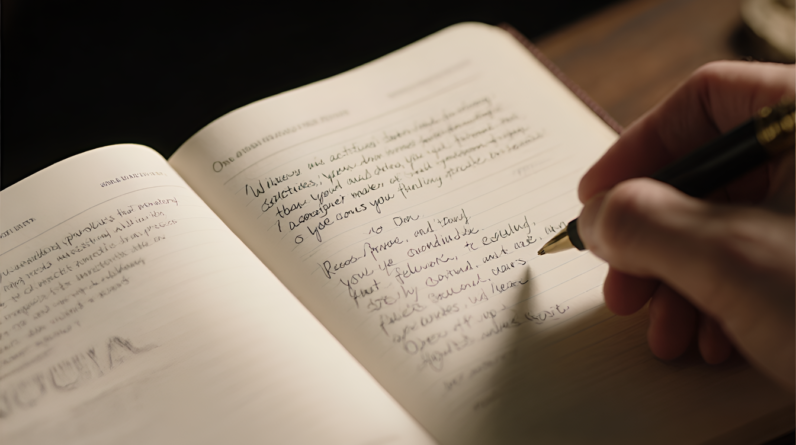


Evening Prayer to Reflect and Rest

Introduction
You’ve reached the close of another day, carrying a mix of small victories, leftover worries, and maybe a tiredness that runs deep. Some nights you might feel restless, replaying moments or questioning if you did enough. Other nights you simply feel numb and don’t know where to begin.
You’re not alone in that. God welcomes you exactly as you are—weariness, questions, quiet thanks, and everything in between. Evening prayer is a gentle place to set down the day’s weight, to reflect with honest words, and to find rest that’s not just sleep but soul-deep peace.
Tonight, you don’t need perfect words or a long checklist. The Bible gives simple promises and practical rhythms to guide you. You can lean into those, breathe, and let a short, steady prayer reshape the end of your day.
Sponsored recommendation


Key Bible foundation
Choose one or two short Scriptures as anchors for your heart. Here are three passages you can read slowly and return to when you need the comfort of God’s word.
- Psalm 4:8 — “In peace I will lie down and sleep, for you alone, Lord, make me dwell in safety.” This verse reminds you that rest is not just a physical act but a spiritual shelter. When worry tries to steal your sleep, you can remember that God gives a kind of safety that calms the heart.
- Philippians 4:6-7 — “Do not be anxious about anything, but in every situation, by prayer and petition, with thanksgiving, present your requests to God. And the peace of God…will guard your hearts and your minds in Christ Jesus.” These verses give a practical evening rhythm: bring your anxieties to God with gratitude and trust the promised peace that follows.
- Matthew 11:28-30 — “Come to me, all you who are weary and burdened…and you will find rest for your souls.” Jesus invites you directly to lay down your burdens. An evening prayer that responds to this invitation can be a short, humble handing over of your load.
Each of these verses connects to what you feel tonight—fear, fatigue, or the need for belonging—and gives you a simple, biblical way to bring those feelings before God.

Simple how-to guidance
You don’t need a specific posture or a set timeframe—just a willingness to pause. Here’s a straightforward, actionable pattern you can use tonight and repeat as a habit.
- Quiet your heart for 1–3 minutes.
- Find a comfortable place. Turn off screens or put them face down. Close your eyes if that helps, and take slow, steady breaths. Inhale for four counts, hold one, exhale for six. Repeat until your breathing slows and your mind settles a bit.
- Invite God into the moment.
- Say a simple sentence out loud or in your head: “Lord, I come to you now.” You don’t need eloquence. This small invitation shifts your attention from the day’s chaos to God’s presence.
- Follow a short structure: thanksgiving, confession, request, and surrender.
- Thanksgiving: Speak one or two things you noticed today that you can thank God for—big or small. Gratitude helps reframe anxious thoughts.
- Confession: If there’s guilt or regret, name it briefly and ask for forgiveness. Keep it honest but not indulgent—confession is a bridge, not a barrier.
- Request: Bring the day’s worries, tomorrow’s needs, relationships, decisions, and people you love. Be specific when you can, but it’s okay to say, “I don’t know what to pray for—please pray through me.”
- Surrender: Offer the outcomes and your control to God. Say, “I’m handing this to you,” and imagine placing each concern into God’s hands.
- Surrender emotions; don’t try to fix them all at once.
- If you’re angry, sad, or empty, let the feeling be present and talk to God about it. You can say, “I feel ___,” and then ask God to hold that feeling with you. Surrender isn’t pretending to be okay; it’s trusting God with what you feel.
- End by listening for 1–2 minutes.
- After you speak, sit quietly and listen. You might sense a thought, a Scripture, or a soft reassurance. Listening trains you to notice how God meets you in the quiet.
- Close with a short statement of trust.
- Finish with a simple declaration like, “I trust you with tonight” or “I rest in your care.” Then move toward sleep or other night routines, carrying that trust.
This format takes 5–10 minutes, but it can be shorter or longer depending on your night. The point is consistency and gentle honesty.
Sample prayer
You can use this as a template—change words, add names, or shorten it. Speak it slowly and let each line land.
Lord, thank you for this day—for the moments of joy and for the lessons I didn’t expect. Thank you for the people who showed me kindness and for the breath that carried me through.
I’m sorry for the ways I fell short today. Forgive me where I made choices out of fear or impatience. Help me to learn from these things and to grow in your gentleness.
Right now I’m carrying (name specific worries—work, family, health, decisions). Some of these feel heavy, and some I can’t fix. I hand them to you. Please bring your wisdom, peace, and your guiding hand.
If I’m exhausted, give me rest. If I’m anxious, remind me of your promises. If I feel distant from you, draw near to me. Speak a word of comfort into my heart.
Tonight I rest in you. Guard my sleep and steady my thoughts. Help me wake tomorrow with fresh strength and a spirit ready to trust you again.
I trust you with what I cannot control. I trust you with the people I love. In Jesus’ name, amen.
Use this as a scaffold: you can pause between lines, add specifics, or keep it brief. The goal is honest conversation.
When it feels hard
Some evenings feel impossible—your mind races, your body won’t relax, or you’re overwhelmed by grief or doubt. Those are not failures in your prayer life; they’re moments that call for grace.
If you feel distant from God, remember that distance is often a feeling, not a fact. God’s presence is constant even when you don’t sense it. Try a brief Scripture like Psalm 4:8 or Matthew 11:28-30 and say it slowly, letting the words land one phrase at a time.
When you’re emotionally overwhelmed, give your emotions names. Say, “I’m angry, I’m scared, I’m tired,” and then hand each one over to God. You don’t need to fix them now—just place them before God as you would place a fragile object on a table, trusting Him to care for it.
If you lack words, try short prayers: “Help,” “Thank you,” “I’m sorry,” or even a single name like “Jesus.” The Holy Spirit can turn those simple offerings into true prayer on your behalf (Philippians 4:6-7).
For nights when fatigue makes everything feel like too much, keep the prayer brief and rhythmic. One sentence repeated slowly—“Jesus, I trust you”—can become a lullaby for your soul. Grace covers the nights you can’t do more.
Small faith step / reflection
Take one or two small steps tonight that build a habit without pressure. These are tiny but powerful.
- What can you place in God’s hands tonight? Name one thing—big or small—and say, “I give this to you.” Make that your single-focus offering before bed.
- What emotion do you need to surrender? Identify it with honesty—fear, shame, exhaustion—and verbally hand it over: “Lord, I surrender my fear about ___.”
- Try this prayer rhythm for seven nights. Five minutes each evening is enough to begin forming a comforting pattern and to remind your heart that God is present every night.
These small steps help you train your soul to move from doing to resting, from striving to trusting.
If you want to build daily rhythms of prayer that transform your life, read Developing a Strong Prayer Life: Biblical Habits to Transform Your Walk with God. That article walks through the core habits—morning, evening, listening, and dealing with difficult emotions—so you can create a consistent, life-giving prayer practice.
You may also find comfort in related resources: if you sometimes don’t know where to start with prayer, read How to Pray When You Don’t Know What to Say for practical starters and word prompts. If emotions run high and feel overwhelming, Praying Through Difficult Emotions: A Devotional Guide gives gentle steps to process feelings with God. These links will help you create an evening rhythm that fits into a larger, sustainable prayer life.
Short prayer
Lord, watch over my heart tonight and bring restful peace—amen.

Acknowledgment: All Bible verses referenced in this article were accessed via Bible Gateway (or Bible Hub).
“Want to explore more? Check out our latest post on Why Jesus? and discover the life-changing truth of the Gospel!”