

When Fear Takes Over Your Thoughts: Turning to God Quickly
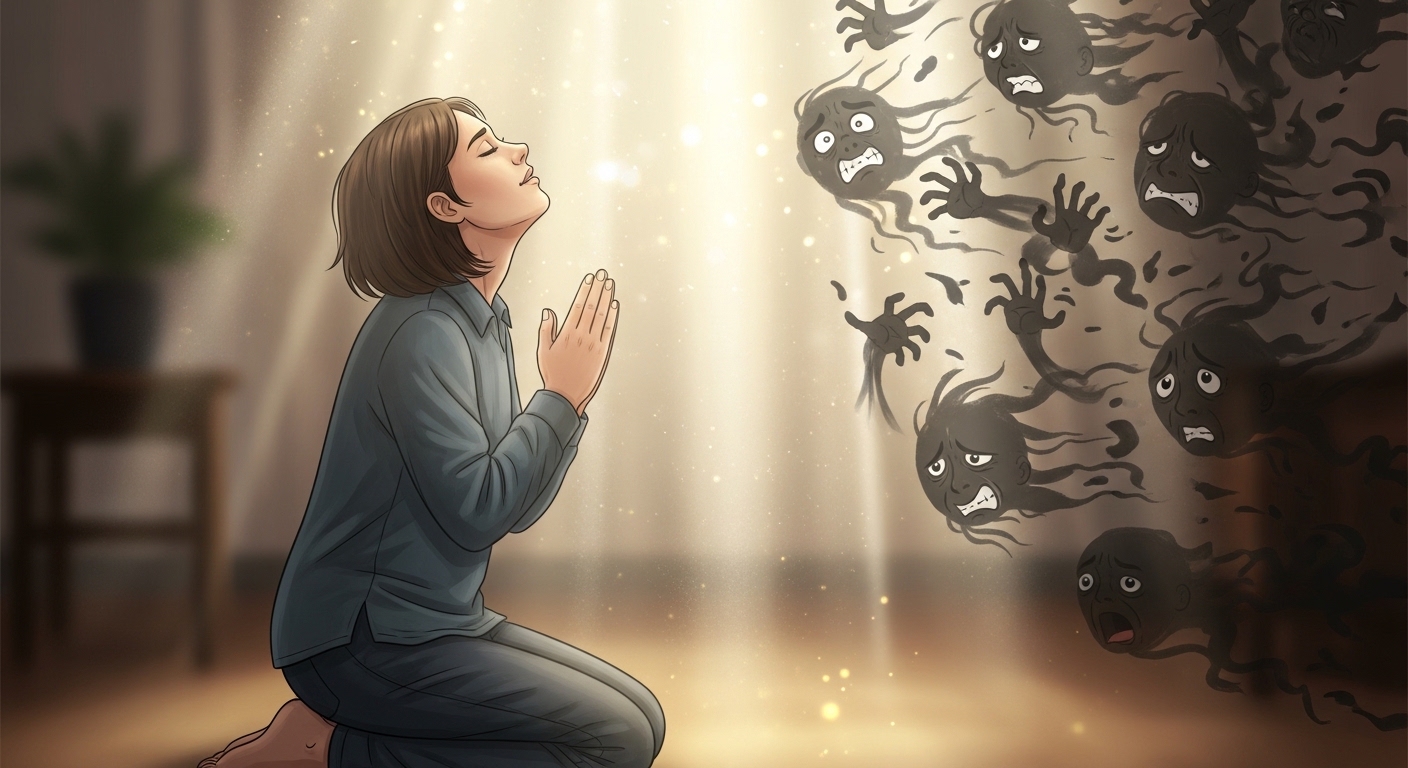
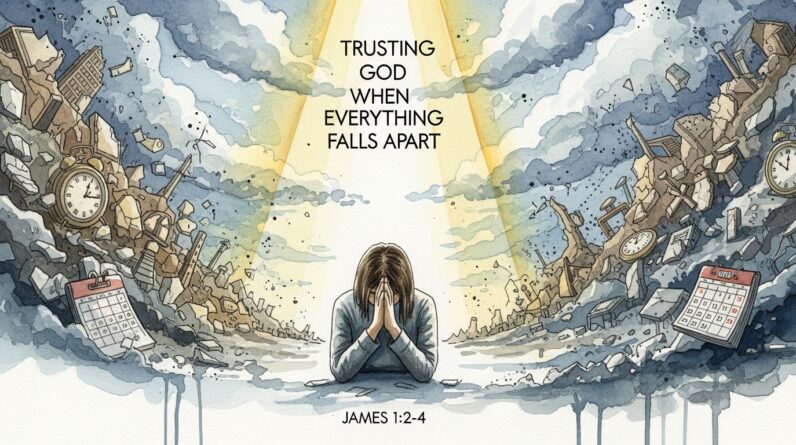
You feel it like a rush—your chest tightens, thoughts spin faster than you can catch them, and your mind starts playing worst-case scenarios on repeat. In these moments you might feel alone, embarrassed, or even guilty that faith didn’t shield you from this panic. You’re not the only believer who finds anxiety returning after prayer; many of us have been there, standing in the middle of a mental storm and wondering what to do next.
This article is for the exact moment when fear is winning the conversation in your head and you want to turn to God—fast. You’ll find urgent, practical steps for the first 60 seconds, biblical grounding you can carry with you, and a gentle roadmap for real, slow change. God is ready to meet you right away; this guide shows you how to reach for Him quickly and with confidence.
Read this now as spiritual first aid: quick, calm practices to interrupt spiraling thoughts, short prayers that anchor you to truth, and Scripture you can lean on the moment anxiety rises. Deeper teaching lives in the pillar resource linked below if you want more of the why and how.

Why This Feels So Hard
Fear grabs your attention because your brain is built to protect you, often by overestimating threats. That protection becomes an enemy when the same alarm system keeps firing for things that aren’t immediate dangers. You’re not failing; your nervous system is responding to perceived threats the way it was designed to—but in modern life those responses can feel like traps.
Mental exhaustion makes everything harder. When you’re tired, your ability to evaluate thoughts and choose responses shrinks, leaving you more susceptible to a cascade of anxious thinking. If you’ve been through repeated cycles—pray, feel calm, then panic returns—you start to believe you’re unreliable, which adds shame to the burden. That shame fuels more fear and makes it harder to reach for God out of pride or embarrassment.
You also face a fear of losing control. Faith invites surrender, and surrender can feel risky when your mind is racing. You may think, “If I let go I’ll be swept under,” so you cling to controlling strategies that actually keep anxiety alive. Recognize that this tension is common: many believers wrestle with wanting divine peace and fearing the vulnerability that comes with surrender.
When you read this, your heart should find some relief in knowing you are deeply understood. These patterns are familiar, and they don’t indicate spiritual immaturity; they point to places where you need a reliable set of tools and a fresh reminder of God’s nearness.
Sponsored recommendation

What Scripture Shows Us to Do
Scripture gives both direct commands and comforting promises about fear—and it models practical steps you can take immediately. The Bible doesn’t ignore real human panic; it speaks to it with invitations to trust, commands to cease anxious fretting, and examples of people who faced wild uncertainty and found God faithful.
A clear command: Paul writes, “Do not be anxious about anything.” That doesn’t mean your feelings will vanish instantly, but it is a directive to reorient your attention. Philippians 4:6-7 moves quickly from command to action—prayer and thanksgiving—and then to promise: God’s peace will guard your heart and mind.
An open invitation comes from Jesus: “Come to me, all you who are weary and burdened, and I will give you rest.” This is not a distant proposition; it’s a present offer for the overwhelmed person in the moment. Matthew 11:28 invites you to turn toward Jesus immediately when the load feels too heavy.
Promises anchor you. Isaiah says God will strengthen you and help you; He will uphold you with His righteous right hand. That promise is meant for your panic hour as much as any other. Isaiah 41:10 is a short passage you can memorize and repeat when fear threatens to overwhelm.
The Bible also offers real human examples. Consider Peter stepping out of the boat toward Jesus—he began to sink but Jesus reached for him immediately. That story helps you see that even when you falter in fear, Jesus is near to lift you. Read the scene at Matthew 14:28-31 and keep it ready as a spiritual lifeline.
Scripture gives you a blueprint: name your fear, pray, thank God for what He’s already done, and trust His promises. Those actions, repeated in the moment, invite God’s peace to move into the space anxiety tries to command.

A Simple Way to Practice Faith Right Now
When you’re panicking, you need practical, repeatable steps you can do in the first 60 seconds. These are designed to interrupt the spiral and swap fear-fueled thoughts with quick acts of faith.
- Breathe + Pray (0–15 seconds). Slow your breathing to interrupt the physiological rush. Try inhaling for four counts, holding for one, and exhaling for six. As you breathe, pray a one-line prayer like, “Lord, I need you now.” This combines physical calming with spiritual calling. The Bible repeatedly links breath and prayer; reach out to God and expect to be heard. Psalm 34:4 says God hears and delivers those who fear Him.
- Short Verse Meditation (15–30 seconds). Keep a short, memorized verse ready—something like “The Lord is my shepherd; I lack nothing.” Repeat it slowly. Scripture is a weapon against intrusive thoughts because it reframes perceptions with truth. Psalm 23:1 is a calming, authoritative reminder of God’s provision and presence.
- Surrender Statement (30–45 seconds). Say aloud or in your mind a sentence that turns control over to God: “I can’t carry this alone; I give this fear to you.” Surrender is an act of trust, not of weakness. 1 Peter 5:7 invites you to cast your anxieties on God because He cares for you.
- Gratitude Pivot (45–60 seconds). Redirect your mind by naming one or two things you’re grateful for right now—big or small. Gratitude shifts your cognitive focus and invites God’s perspective back into the foreground. Paul links thanksgiving with peace in Philippians 4:6-7; gratitude is a spiritual practice with immediate psychological benefits.
These four short actions are sticky because they’re concrete, repeatable, and theologically rooted. Practice them when you’re calm so they become automatic during the panic. Over time, these immediate interventions will feel more natural—like a spiritual reflex that pushes back against fear.

Where Real Change Slowly Happens
While fast interventions are lifesaving in the moment, lasting transformation unfolds slowly. You can’t will yourself into sustained peace in a single crisis; you need repeated small acts of faith and God’s grace over time.
Growth is a process. You’ll practice the quick-response tools and sometimes fail; sometimes you’ll need help or rest, and sometimes a season will be harder than the last. That’s okay—God’s patience meets you at every step. This isn’t about earning peace by performance; it’s about learning to rely on God more often and more deeply. Each time you choose to breathe, pray, and read a verse, you strengthen a new neural and spiritual pathway.
Faith grows in daily rhythms: prayer times that aren’t only crisis-driven, Scripture that becomes familiar, and community that listens without judgment. Small, daily spiritual disciplines produce resilience. Over months and years you’ll notice that storms still come, but your responses shift; you’re less overwhelmed and more quick to remember God’s faithfulness.
Grace drives the change. When habits slip or anxiety returns, grace is the soil where you start again. You don’t have to wait until you’re fixed to keep practicing; you start where you are. God doesn’t measure your progress the way perfectionistic voices do. He measures your heart’s posture—whether you’re turning back to Him.
Expect slow, steady gains. Celebrate tiny victories. Rehearse truths. When fear takes over, you won’t be instantly different—but you will be better equipped, increasingly anchored, and more confident that God is your help in the moment.

Learn the Bigger Picture of Mental Health & Faith
Mental health and spiritual life aren’t enemies; they’re partners in the journey toward flourishing. Theology helps you understand why God’s peace is realistic and how practical supports (rest, therapy, medication when needed) align with God’s care for your whole person.
Faith doesn’t demand that you ignore biology or the benefits of good sleep, counseling, or medical care. The biblical story of human flourishing includes wise action: seeking help, building healthy rhythms, and relying on community. Seeing mental health in the larger theological picture prevents you from believing that every anxious moment is a moral failing. Instead, you’ll view those moments as opportunities to practice trust and receive help.
For a fuller biblical foundation on how God brings peace and stability to our inner life, see Faith Over Fear: How God Helps Us in Anxious Moments. That resource digs into theological underpinnings, practical strategies, and spiritual practices that sustain you beyond immediate interventions.
Other Biblical Stories That Give Hope
Scripture contains many stories of people who faced fear, uncertainty, or intense distress—and who discovered God’s faithfulness in the process. These narratives can be your companions when you feel overwhelmed.
- David: David’s life was filled with danger and anxiety, yet his psalms show how he processed fear through lament, honest speech to God, and trust. Read a sample of his prayers in Psalm 34 to see how he named fear and praised God for deliverance.
- Joseph: Betrayed, sold into slavery, and falsely accused, Joseph could have defaulted to bitterness. Instead, his story shows patient trust and God’s sovereignty over painful circumstances. Remember Joseph’s perspective in Genesis 50:20, where a terrible situation is woven into God’s redemptive plan.
- Job: When everything was stripped away, Job’s honesty with God models raw faith in the middle of suffering. The book of Job invites you to take your protests and questions to God without shame. See how Job speaks truth in Job 1:21 and how God responds across the book.
- Peter: When fear led Peter to sink while walking to Jesus, the story demonstrates both human frailty and immediate divine rescue. Keep Matthew 14:28-31 in mind as a quick reminder: when you begin to sink, Jesus is ready to lift you.
These characters didn’t find perfect immunity from fear, but they discovered deep resources in God’s presence. Their stories teach you that faith is real even amid trembling hearts.
A Short Prayer for This Moment
Lord Jesus, I’m afraid right now. My thoughts are running away from me and I need You. Help me to breathe, to remember your promises, and to rest in your presence. Take this fear from me; guard my heart and mind with your peace. Thank you that you hear me and that you are with me now. Amen.
Say this prayer slowly, perhaps aloud, as you breathe. Let it be a bridge from frantic thinking to quiet dependence. If a single-sentence prayer feels too small, repeat it; repetition can bring rhythm and calm.
Final Encouragement
You are not failing because fear finds you. You are human, and God meets you in the middle of your humanity. When fear takes over your thoughts, immediate action—breathing, a short prayer, a memorized verse, a surrender statement, a gratitude pivot—can interrupt the spiral and bring you back into God’s presence. Over time, those small acts of faith build a bigger life of peace, not by your strength but by God’s grace.
When you feel panicked, remember: God is closer than your breath. He’s the One who invites you to cast your cares on Him and promises to guard your heart and mind. Keep practicing the quick-response tools, lean into community and wise care, and return often to Scripture. Your faith will grow stronger, and moments of panic will become less commanding.
If this encouraged you, continue the journey. For a bigger picture of how faith replaces fear, read Faith Over Fear: How God Helps Us in Anxious Moments. If you need Scripture quickly for a panic, see Bible Verses to Read During a Panic Attack. If fear is focused on the future, you may find hope in How to Trust God When You Feel Afraid of the Future.
The story of Peter reminds you: even when you begin to sink, Jesus is ready to reach out His hand.
Read Next
If this encouraged you, continue here:
- For a bigger picture of how faith replaces fear, read Faith Over Fear: How God Helps Us in Anxious Moments.
- If you need Scripture right away, visit Bible Verses to Read During a Panic Attack.
- If your fear is about what lies ahead, continue with How to Trust God When You Feel Afraid of the Future.
If you’d like a specific Bible passage to return to right now, try Philippians 4:6-7 or Isaiah 41:10. Keep them bookmarked, memorize them, and use them like tools when fear strikes.
Sponsored recommendation
Acknowledgment: All Bible verses referenced in this article were accessed via Bible Gateway (or Bible Hub).
“Want to explore more? Check out our latest post on Why Jesus? and discover the life-changing truth of the Gospel!”