

Is Heaven For Everyone? (John 3:36, Matthew 7:13-14)

TL;DR — Simple Answer (MANDATORY)
Yes — heaven is offered to everyone, but entry is not automatic for every person. Jesus teaches that eternal life is found in a relationship with Him (John 3:36) and that the way to life is narrow and requires commitment (Matthew 7:13–14). Core biblical meaning: salvation is God’s gracious gift offered to all, and your response to Jesus — trusting and following Him — is how you receive that gift. Key takeaway: God’s love is wide; the pathway to heaven is personal and requires faith and discipleship. Apply this by turning to Christ in faith, living in obedience, and inviting others to the gospel.

INTRODUCTION
This question matters because what you believe about heaven shapes how you live now. Is heaven an automatic destination for everyone, or is it the outcome of something deeper — a relationship with Jesus? That matters for faith and discipleship, because the gospel isn’t primarily a set of rules or a promise of comfort; it’s an invitation into life with God through Christ. When you wrestle honestly with passages like John 3:36 and Matthew 7:13-14, you’re engaging with the heart of Christian faith: God’s justice and mercy, human responsibility, and Jesus’ unique role as Savior. In short, this is about who God is, what Christ has done, and how you respond.
SIMPLE BIBLICAL MEANING
At its core, the Bible teaches that heaven (eternal life, life with God) is possible because of Jesus. He opens the way. The offer is made to every person — God’s love and offer of salvation are universal in scope — but entry requires faith and trust in Jesus. John 3:36 shows a clear cause-and-effect relationship between belief in the Son and possessing eternal life. Matthew 7:13–14 warns that while many choose an easy path, the life path requires intentional trust and following Jesus’ teachings. So simply put: heaven is offered to everyone, but it’s received by those who believe in and follow Christ.

WHAT DOES THE BIBLE SAY?
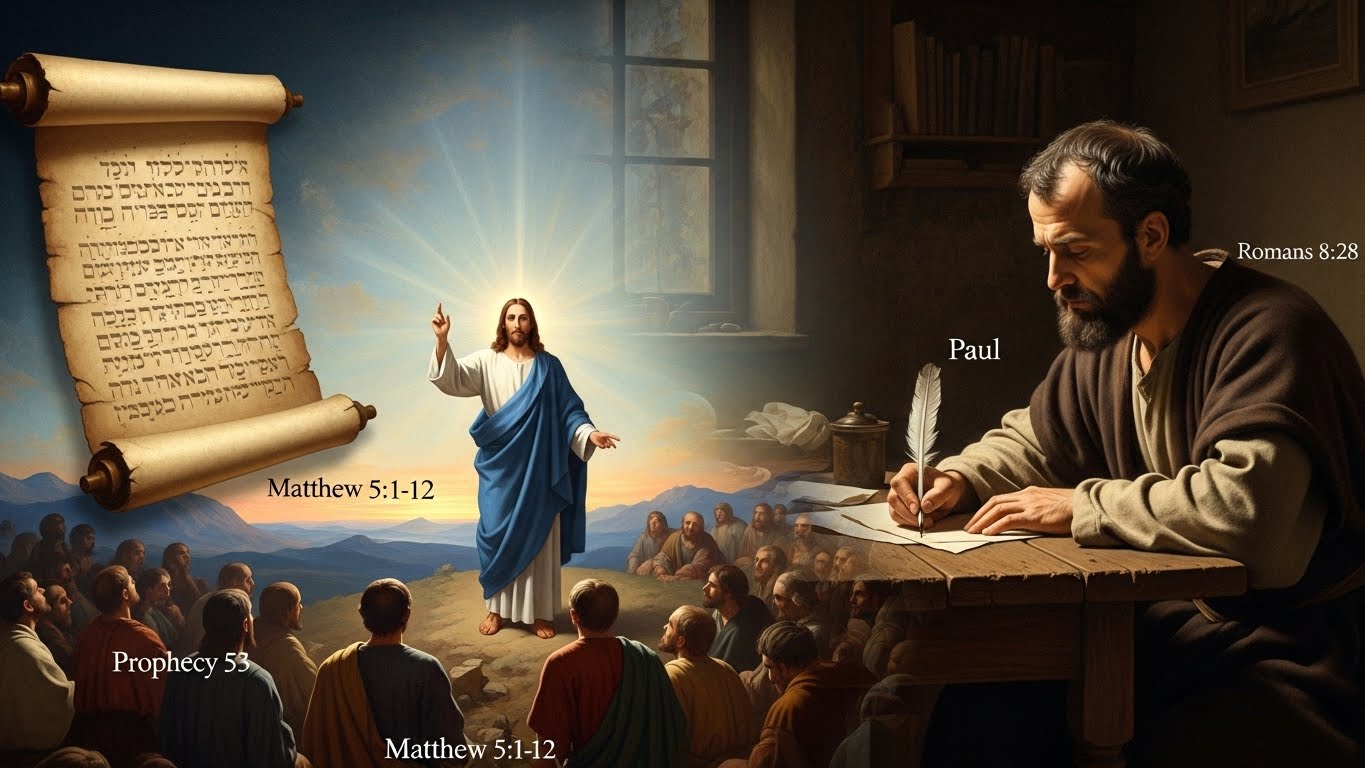
When you read John 3:36, you find Jesus’ teaching (through the Gospel writer John) clearly stating that belief in the Son results in eternal life, and rejection leads to not seeing life. In Matthew 7:13–14, Jesus teaches about two gates and two ways — one broad and easy that leads to destruction, and one narrow and disciplined that leads to life. The speakers are Jesus (in both Matthew and John’s Gospel), addressing those gathered to hear Him — disciples and curious seekers. In John, the context is Jesus’ conversation about being born again; in Matthew, the context is the Sermon on the Mount, a teaching about how to live as God’s people. Both passages are text-driven directions about faith’s consequences and the seriousness of following Christ.
- John 3:36 (spoken about belief in Jesus) — link: John 3:36 (NIV)
- Matthew 7:13–14 (Jesus teaching about the two paths) — link: Matthew 7:13-14 (NIV)
These passages don’t exist in isolation; they are part of the biblical testimony that God redeems people through Christ, calls you to trust Him, and invites you into a transformed life.

5. The Bible Foundation
Bible verse here – John 3:36 + Bible Verse Text: “Whoever believes in the Son has eternal life, but whoever rejects the Son will not see life, for God’s wrath remains on them.” — John 3:36 (NIV)
This verse is foundational for this discussion because it directly links belief in Jesus to the reality of eternal life. It’s a stark, pastoral statement: God offers life in Christ, and the human response matters. Use reputable Bible resources like Bible Gateway for further study of context and parallel passages.
QUICK ANSWERS PEOPLE ASK (PAA SECTION)
- What does “believe in the Son” mean here?
It means trusting Jesus as Lord and Savior — not merely intellectual assent but personal reliance on Christ for forgiveness and new life. - Does “narrow gate” mean God is unfair?
No — the narrow gate reflects the seriousness of responding to God. The gospel is a gracious invitation; the narrow way calls for commitment, not exclusionary unfairness. - Can people change their minds after death?
Scripture consistently teaches that decisions must be made in this life; after death, the opportunity for repentance is not presented in Scripture as open-ended. - Is heaven guaranteed to churchgoers?
No. Church attendance is a sign of faith for many, but Scripture emphasizes a living trust in Christ and obedience, not simply ritual participation. - How should this shape evangelism?
It should motivate compassionate urgency: you want everyone to hear the good news because heaven is offered to all, but received through faith in Christ.
GOD’S PURPOSE, PROTECTION & PROMISE
God’s purpose is to reconcile humanity to Himself through Jesus Christ. God is not capricious; He is loving and just. Christ’s role is central — He is both the bridge and the way (see John 14:6: John 14:6 (NIV)). The promise for you is clear: eternal life is available to those who believe in the Son (John 3:36). The protective warning is pastoral — Jesus urges you to take faith seriously because choices have eternal consequences (Matthew 7:13–14). This isn’t prosperity theology or fear-mongering; it’s sober truth: God extends grace, and your response matters. The gospel offers forgiveness, transformation, and the hope of life with God — but it calls you to trust Jesus and follow Him.
GOING DEEPER — BIBLICAL CONTEXT
To understand Jesus’ statements, see how Scripture weaves a consistent thread:
- Old Testament foreshadowing: The prophets speak of God’s rescue and the call to righteousness (e.g., Isaiah’s call to return to the Lord). See Isaiah 55:6–7: Isaiah 55:6–7 (NIV). God invites the lost to seek Him.
- Gospels: Jesus repeatedly frames eternal life in relational terms — knowing the Father through the Son (John 17:3: John 17:3 (NIV)). The Sermon on the Mount (Matthew 5–7) sets out the ethic and heart of those entering God’s kingdom.
- Epistles: Paul clarifies that salvation is by grace through faith (Ephesians 2:8–9: Ephesians 2:8-9 (NIV)), but faith inevitably produces a transformed life (James 2:14–26: James 2:14-26 (NIV)). The New Testament presents belief and obedience as companion realities, not rivals.
Together, these passages show theological continuity: God has always invited people to Himself; in Christ, the invitation is fulfilled, and the response of faith brings you into the life God intends.
MODERN CONNECTION — DAILY LIFE APPLICATION
How does this shape your daily life? First, it undercuts spiritual complacency: heaven is not a cultural entitlement, but a gracious promise to those who know Jesus. That should cultivate gratitude, not fear. Second, it shapes decisions: you weigh choices by the call to follow Christ, not simply by convenience or social expectation. Third, it eases certain anxieties: knowing heaven is available to all who trust Christ frees you to share the gospel lovingly without coercion. Finally, it gives practical focus: spiritual disciplines, community, worship, and acts of mercy become ways you live out the reality of the narrow path. The gospel forms character — less about proving your worth and more about letting Jesus shape your life.
PRACTICAL APPLICATION (BULLET POINTS)
- Pray daily for a trusting heart: ask God to increase your faith and help you rely on Christ.
- Read and meditate on Scripture: focus especially on the Gospels and Romans to understand faith in Christ.
- Repent and believe: turn from patterns that separate you from God and trust Jesus as Lord.
- Join a local church community: worship, accountability, and teaching help you stay on the narrow path.
- Serve others in love: obedience and mercy flow from genuine faith.
- Share the gospel clearly and lovingly with others: the offer is for everyone; your voice matters.
- Be persistent in discipleship: spiritual growth takes time; stay faithful to prayer, Word, and fellowship.
FAITH REFLECTION BOX
Reflective question: If heaven is offered to everyone but requires personal faith in Christ, what changes would that call for in your daily priorities and relationships?
Key Takeaways:
- God offers heaven through Jesus; your response matters.
- Faith is trust plus obedience — a relationship, not just a label.
- Live gratefully, evangelistically, and obediently; the narrow path calls for daily dependence on Christ.
FREQUENTLY ASKED QUESTIONS
Q1: If God loves everyone, why doesn’t everyone go to heaven?
Answer: God’s love is indeed universal in its offer; He desires all to be saved (see 1 Timothy 2:3–4: 1 Timothy 2:3-4 (NIV)). But love also respects human freedom. The Bible consistently presents salvation as a gift received by faith (Ephesians 2:8–9: Ephesians 2:8-9 (NIV)). God doesn’t coerce salvation; He calls, invites, and saves those who respond in trust. That means while the offer is wide, receiving it involves a personal relationship with Jesus. This balances God’s sovereignty and human responsibility without making God the author of unbelief.
Related: Is Heaven A Physical Place Or Spiritual? (Philippians 3:20, 2 Corinthians 5:1)
Q2: Doesn’t the “narrow gate” mean only religious people get into heaven?
Answer: The “narrow gate” describes the seriousness of following Jesus, not membership in a religious club. Jesus defined the way as Himself — “I am the way, the truth, and the life” (John 14:6: John 14:6 (NIV)). Following Christ often looks like humility, repentance, and obedience rather than mere religious activity. The New Testament contrasts empty religion with genuine faith (see James 1:27: James 1:27 (NIV)), so the key is a living relationship with Jesus characterized by trust and transformed behavior.
Q3: Can someone be “good enough” to get to heaven without faith?
Answer: The Bible teaches that no amount of moral achievement replaces the need for Christ. Romans 3:23 says all have sinned (Romans 3:23: Romans 3:23 (NIV)), and salvation is described as a gift through faith (Romans 6:23: Romans 6:23 (NIV)). Good deeds are important and flow from faith (Ephesians 2:10: Ephesians 2:10 (NIV)), but they are not a substitute for trusting Christ’s finished work.
See also: Who Will Go To Heaven? (Matthew 7:21-23, John 14:6)
CONCLUSION & PRAYER
Conclusion: Heaven is offered to everyone because God loves the world and sent Jesus to save it. Yet the Bible is clear that entering that life requires faith in Christ and a commitment to follow Him. John 3:36 reminds you that belief in the Son is the way to life, and Matthew 7:13–14 calls you to choose the narrow path that leads there. This is hopeful, not exclusionary: God invites you into life with Him, and He gives the Spirit to help you walk that path.
A short prayer: Lord Jesus, thank You for offering life through Your death and resurrection. Help me to trust You more fully, to walk the narrow way with humility and perseverance, and to share Your love with compassion. Give me boldness to invite others to know You and grace to live as a faithful follower. Amen.
Closing reflection: Keep your eyes on Jesus — He is both the gate and the guide. Let that truth shape your choices, your relationships, and your witness.
RELATED TOPICS
What Role Does Jesus Christ Play In Salvation? (John 14:6, Acts 4:12)
How To Develop A Consistent Prayer Life? (1 Thessalonians 5:17, Philippians 4:6)
What Does The Bible Say About Life After Death? (John 11:25–26)

 “Every God-given message deserves to be shared.”


Don’t let your calling stay hidden. Start a Christian blog or website using Hostinger — with 99.9% uptime, a free domain, and SSL, your voice can shine for God’s glory anytime, anywhere. Begin today.
  Try it RISK-FREE!
 As a ClickBank & Amazon Affiliate, I earn from qualifying purchases.
 Acknowledgment: All Bible verses referenced in this article were accessed via Bible Gateway (or Bible Hub).
 Want to explore more?
  Dive into our new post on Why Jesus? and experience the life-changing truth of the Gospel!