

What Does The Bible Teach About The Soul’s Journey Immediately After Death?
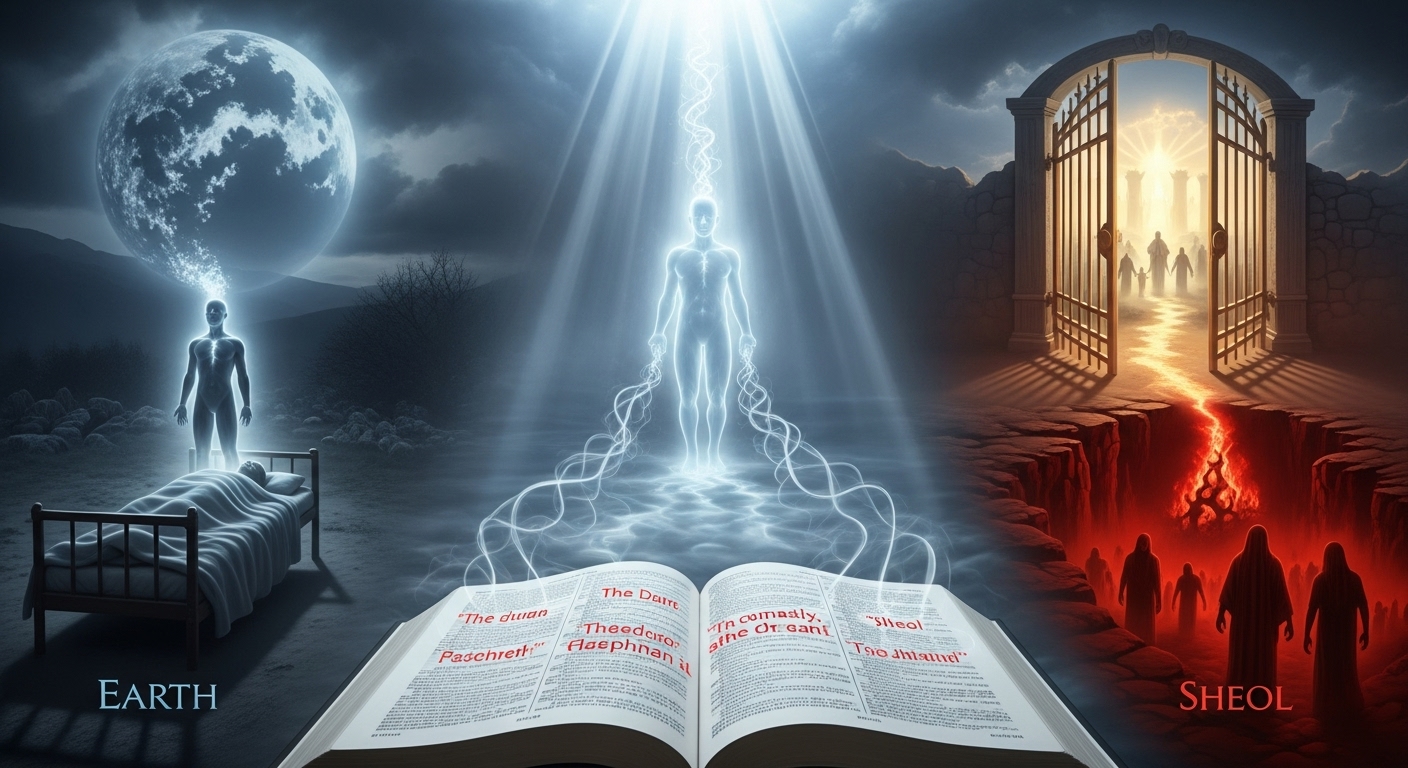
You’ve probably asked—or at least wondered—what happens the moment you stop breathing. It’s one of the oldest, deepest human questions: what happens immediately after death according to the Bible? People bring spiritual traditions, personal fears, pastoral comforts, and cultural imaginations to that question, and that mix can be confusing. In this article you’ll get a calm, Bible-based look at what Scripture actually says, what it doesn’t say, and why it matters for your grief, hope, and daily life.
You’ll see how some passages read like narrative snapshots, others like pastoral reassurance, and still others like theological summaries. This matters because how you understand the immediate afterlife shapes how you grieve, how you pray for the dead, and how you live now. I’ll also point you to the pillar piece Is Hell Literal or Figurative? so you can explore how immediate states connect to final judgment. Let’s walk through the Scriptures and the major Christian views together, keeping humility and compassion upfront.

What the Bible Says About the Moment After Death
Sponsored recommendation

When you ask the question what happens immediately after death according to the Bible, you’re asking about several different kinds of biblical statements: promises to the faithful, narrative descriptions, prophetic warnings, and theological summaries. The Bible doesn’t provide a single step-by-step timeline the way a procedural manual would. It gives glimpses, promises, and theological framing. Still, certain passages get cited again and again when people talk about the immediate afterlife.
Key Passages Often Cited
A few verses are central to the conversation, and you’ll see them used to argue for conscious presence with the Lord right after death.
- Luke 23:43 — Jesus told the criminal on the cross, “Today you will be with me in paradise.” You’ll notice this phrase pops up in debates about whether believers go to be with Christ immediately. The language is straightforward: “today” and “with me” suggest immediacy and conscious presence.
- 2 Corinthians 5:6–8 — Paul writes, “We are confident…we would prefer to be away from the body and at home with the Lord.” For Paul, death seems to be an immediate transition to being “at home with the Lord,” which many interpret as conscious fellowship with Christ.
- Philippians 1:21–23 — Paul says his desire is “to depart and be with Christ, which is better by far.” Again, the language gives the sense that the act of departing (death) brings you into Christ’s presence.
- Hebrews 9:27 — “People are destined to die once, and after that to face judgment.” This verse is often used to remind us that death isn’t the final word—that a judgment follows, which shapes the way we connect immediate presence with eventual resurrection and assessment.
These passages together don’t give you a science-fiction-style narrative of souls boarding a space shuttle to heaven. Instead, they provide a theological picture: conscious existence continues, believers are described as “with Christ,” and a final judgment and resurrection are still promised. That combination creates the classic biblical tension between the “already” and the “not yet.”
Literary note
When you read these verses, remember the diversity of biblical genres. Luke’s account is narrative, written to report events; Paul’s letters are pastoral and theological, meant to comfort and instruct congregations. That mix means Scripture is often more focused on what matters for faith and life than on providing technical details about the mechanics of the afterlife. So while the Bible speaks fairly clearly about conscious existence after death, it doesn’t necessarily detail every step or timeline. That silence calls for theological humility rather than speculation.

Biblical Meaning and Theological Insights
Now let’s unpack how Scripture understands the soul, what the immediate state looks like in relation to the final resurrection, and why Christians have different takes on these matters. This is where you’ll move from isolated verses to a broader biblical view of life after death.
3.1 The Soul and Conscious Presence
The Bible uses several words to talk about the soul: Hebrew nephesh and Greek psyche are the primary terms. Nephesh often refers to the living person—your life, your breath, your inner self—while psyche in the New Testament language tends to mean the self or soul. When the Bible speaks of “soul after death Bible,” it’s often addressing the continuity of personal identity: the person you are persists beyond bodily death.
You can feel confident that the Bible portrays some form of conscious continuity. Old Testament narratives and New Testament theology present people in relationship with God after death (think of Moses, Elijah, or the thief on the cross). That continuity doesn’t require a full explanation of metaphysical mechanics; it centers on personal identity—your memories, emotions, and relational existence—persisting in God’s presence or absence. So, when you pray or grieve, Scripture’s attention to personhood after death is what provides much of your comfort.
3.2 Immediate Presence vs. Final Resurrection
One of the most important distinctions you’ll want to keep in mind is between the immediate after-death state and the final resurrection. The New Testament is full of rescue language about resurrection—1 Corinthians 15 is Paul’s classic exposition on the resurrection body. The resurrection is portrayed as the ultimate completion of God’s plan: new creation, bodily transformation, and the final defeat of death.
That said, the intermediate state—the time between death and the resurrection—is depicted as real and relational. Believers being “with Christ” immediately after death doesn’t negate the need for a future bodily resurrection. Instead, Scripture holds these together: you may be consciously present with Christ now, but you will still await bodily restoration and the final judgment. My point here is practical: your hope isn’t only that you’ll be somewhere right after you die, but that death itself will be defeated at the resurrection, making your existence whole in both spirit and body.
3.3 Views Within Christianity
Across Christian history there are a few major ways people interpret what happens immediately after death:
- Immediate heaven/hell: Many Christians believe souls go immediately to their eternal conscious state—believers to heaven (or “paradise”) and unbelievers to a place of separation from God (often described as hell). Verses like Luke 23:43 and 2 Corinthians 5:8 are often cited for the believer side of this view.
- Soul sleep: Some traditions prefer the language of “sleep” for the dead, arguing that death is a period of unconscious rest until the resurrection. Passages that use sleep metaphorically for death (for example, some Pauline texts describing the dead as having “fallen asleep”) are central to this view. The sleep language is generally read metaphorically to emphasize resurrection, not necessarily to deny consciousness.
- Intermediate conscious existence with conditional or purgatorial refinement: Other traditions hold that believers experience conscious, purified presence with God, perhaps undergoing some refining process before the final resurrection. This view is more common in certain historical traditions that emphasize sanctification continuing after death.
Why so much variety? Because the Bible emphasizes hope and assurance rather than giving a systematic timeline. So while you’ll find strong biblical support for conscious presence with the Lord immediately after death, the specific mechanics—what exactly happens step-by-step—remain less spelled out and allow for legitimate differences.
3.4 Symbolic and Pastoral Language in Scripture
You’ll notice that Scripture frequently uses metaphor and pastoral language when addressing death. Jesus’ words to the thief—“Today you will be with me in paradise”—are pastoral and comforting. Paul’s longing to “depart and be with Christ” is deeply pastoral, aimed at encouraging believers facing persecution.
This pastoral emphasis explains why the Bible sometimes avoids detailed timelines: its primary concern is your faith and hope, not satisfying curiosity about metaphysical logistics. When Scripture addresses the soul after death, it often aims to secure you in God’s promises, soothe grieving communities, and call people to faith. So, understand that the Bible’s language about the immediate afterlife is shaped by pastoral goals—comforting, assuring, warning—more than by providing a chronological manual of what the soul experiences every second after death.
Using the phrases you’re searching for—soul after death Bible and immediate afterlife in Scripture—you’ll find that the biblical picture is more about presence, identity, and hope than about technicalities.
Connection to the Bigger Picture: Judgment, Heaven, and Hell
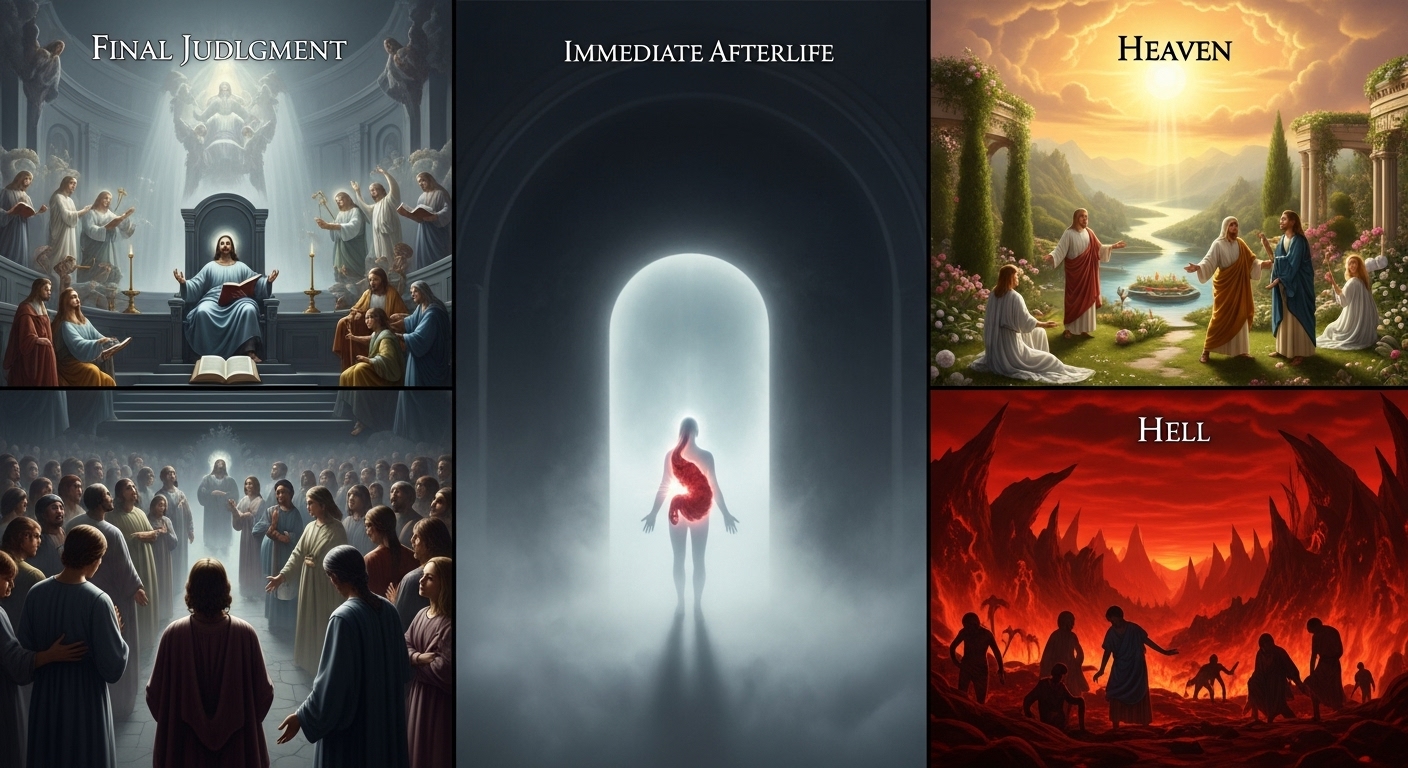
To grasp what Scripture says about the immediate afterlife, you’ll want to connect that state to the bigger story: final judgment, heaven, and hell. Hebrews 9:27 emphasizes that death is followed by judgment, and Revelation frames the end in terms of resurrection, final accounting, and the new creation. So whatever happens immediately after death must be understood in that eschatological frame.
If you hold that believers are “with Christ” immediately after death, you still should also hold that their story awaits completion at the resurrection. The New Testament repeatedly balances “already” (you are with Christ now) with “not yet” (you await bodily resurrection and final consummation). That tension undergirds the biblical view of life after death. Your hope is not only an interim reunion with Christ but also the ultimate renewal of creation where justice and restoration are fully enacted.
If you’re wondering about the final destinations—heaven and hell—these are not merely geographic places in Scripture; they are relational outcomes. Heaven describes ultimate fellowship with God and life in God’s renewed creation. Hell describes eternal separation from God. How you understand the process that gets you there immediately after death will depend on how you read the Scriptures in their totality. For a focused exploration of the nature of hell—literal or figurative—you can read the pillar article Is Hell Literal or Figurative? to help place the immediate afterlife within that broader theological context.
The biblical tension—already with Christ but not yet resurrected—keeps your theology grounded: you can trust that your loved ones are in God’s hands now, while also acknowledging the Christian hope of bodily renewal and final justice.
What This Means for Believers Today
So how should you live with this biblical picture of the immediate afterlife? Here are practical, pastoral implications that emerge from Scripture’s teaching.
First, Scripture gives profound comfort for grief and loss. If you believe the Bible’s promise that believers are with Christ after death, you can grieve with hope. That’s not a call to minimize sorrow; the Bible itself grieves. But it does provide a narrative that your loved ones are cared for by Christ. When you mourn, Scripture invites you to hold sorrow and hope together.
Second, your confidence should be rooted in Christ, not in speculative metaphysics. The Bible’s focus is relational: your destiny is tied to your relationship with Jesus. That’s why Paul could say he preferred “to depart and be with Christ.” Your trust isn’t in knowing every metaphysical detail but in trusting Christ’s promises.
Third, this teaching encourages faithful living now. If your eternal destiny has weight, then how you live matters. Belief in immediate presence with Christ doesn’t lead to fatalism; rather, it fuels mission, compassion, and holiness because what you do today resonates in eternity. The biblical view of life after death is meant to shape ethics and discipleship as much as consolation.
Fourth, Scripture cautions you against speculation beyond what it reveals. The Bible gives enough to hope and act but not so much that you can construct a full metaphysical itinerary with confidence. That encourages humility and charity toward those who read the texts differently.
Finally, hold onto both the immediacy and the future hope. You can be comforted by the promise of present fellowship with Christ and energized by the promise of bodily resurrection. Christianity offers both immediate solace and an ultimate restoration to which every believer looks forward.
Related Questions and Further Reading
If this topic is stirring questions for you (and it likely will), here are a few related articles on BibleStoriesHub that can help you explore more about eternity, identity, and the future hope promised in Scripture:
• What Is Heaven in the Bible? — A clear study on what Scripture says about heaven’s nature and future promise, including how being “with the Lord” relates to both immediate presence after death and the eternal hope of renewal.
• What Will We Do in Heaven? — An encouraging exploration of what life in heaven looks like: worship, meaningful purpose, restored relationships, and joyful fellowship with God that transcends earthly limitations.
• Heaven and the New Creation — God’s Plan for the Future — A biblical overview of the final hope Scripture promises: the new heaven and new earth. This piece connects the immediate hope of being with God after death to the ultimate reality of God dwelling with His people forever in renewed creation.
🔑 Key Takeaways
- Scripture teaches conscious existence after death: passages like Luke 23:43, 2 Corinthians 5:6–8, and Philippians 1:21–23 point to immediate presence with Christ for believers.
- Believers are with Christ immediately after death, but final resurrection remains the ultimate hope and completion of God’s promise.
- The Bible offers both comfort and caution: it reassures you about the soul after death (Bible language), while it resists overly precise timetables.
- The biblical view of life after death holds an “already and not yet” tension—immediate fellowship with Christ and future bodily restoration.
- God’s mercy and justice both feature in Scripture’s teaching about eternal destiny; your trust should be in Christ’s promises, not in speculative metaphysics.
Conclusion
When you ask what happens immediately after death according to the Bible, you’re stepping into a conversation that blends narrative assurance, theological depth, and pastoral tenderness. Scripture gives you real hope: the promise of being with Christ, the certainty that death is not the end, and the assurance that resurrection lies ahead. At the same time, the Bible leaves room for mystery; it doesn’t hand over a detailed hour-by-hour account of the soul’s movements. That combination is deliberate. God’s Word aims to steady your heart, deepen your trust, and shape your life, not to satisfy curiosity in a way that distracts from the gospel.
So carry this clarity and humility with you. Grieve honestly, hope deeply, live faithfully, and pray confidently. If questions remain, keep studying, talking with pastors and trusted teachers, and returning to Scripture with open hands and a prayerful heart.
I invite you to explore more context on final destiny and punishment in the pillar article Is Hell Literal or Figurative?. That piece will help you see how the immediate afterlife fits into the broader biblical storyline of judgment and restoration.
Closing Prayer
Lord, thank you that you hold every life in your hands. Comfort those who mourn with the assurance that you are near, and give peace to those who fear the unknown. Help us to trust your promises about life after death, to live with courage and compassion today, and to look forward to the day when death is finally defeated. Keep our hearts anchored in Christ until you bring all things to completion. Amen.
Acknowledgment: All Bible verses referenced in this article were accessed via Bible Gateway (or Bible Hub).
“Want to explore more? Check out our latest post on Why Jesus? and discover the life-changing truth of the Gospel!”