


Relying On The Permanence Of God’s Spoken Commitments (Psalm 12:6)

Introduction
Have you ever clung to a promise and wondered whether it would actually stand when everything around you seemed to crumble? Maybe you remember the exact words a loved one said and found comfort in them, and then life shifted and you questioned whether words really last. When it comes to your faith, that question feels even deeper: can you truly rely on God’s spoken commitments—His words to you, His promises in Scripture?
This matters because faith isn’t just an intellectual assent; it’s trust anchored in something—or Someone—you believe is dependable. Psalm 12:6 offers a striking picture of God’s words as flawless and refined, suggesting permanence and purity. If you’re wrestling with doubt, broken promises, or uncertainty about the future, exploring what it means to rely on the permanence of God’s spoken commitments can change how you live, pray, and hope. In this article you’ll get clear Scripture, simple explanation, practical steps, and reflection questions to help you anchor your life more deeply in God’s reliable speech.
📖 The Bible Foundation
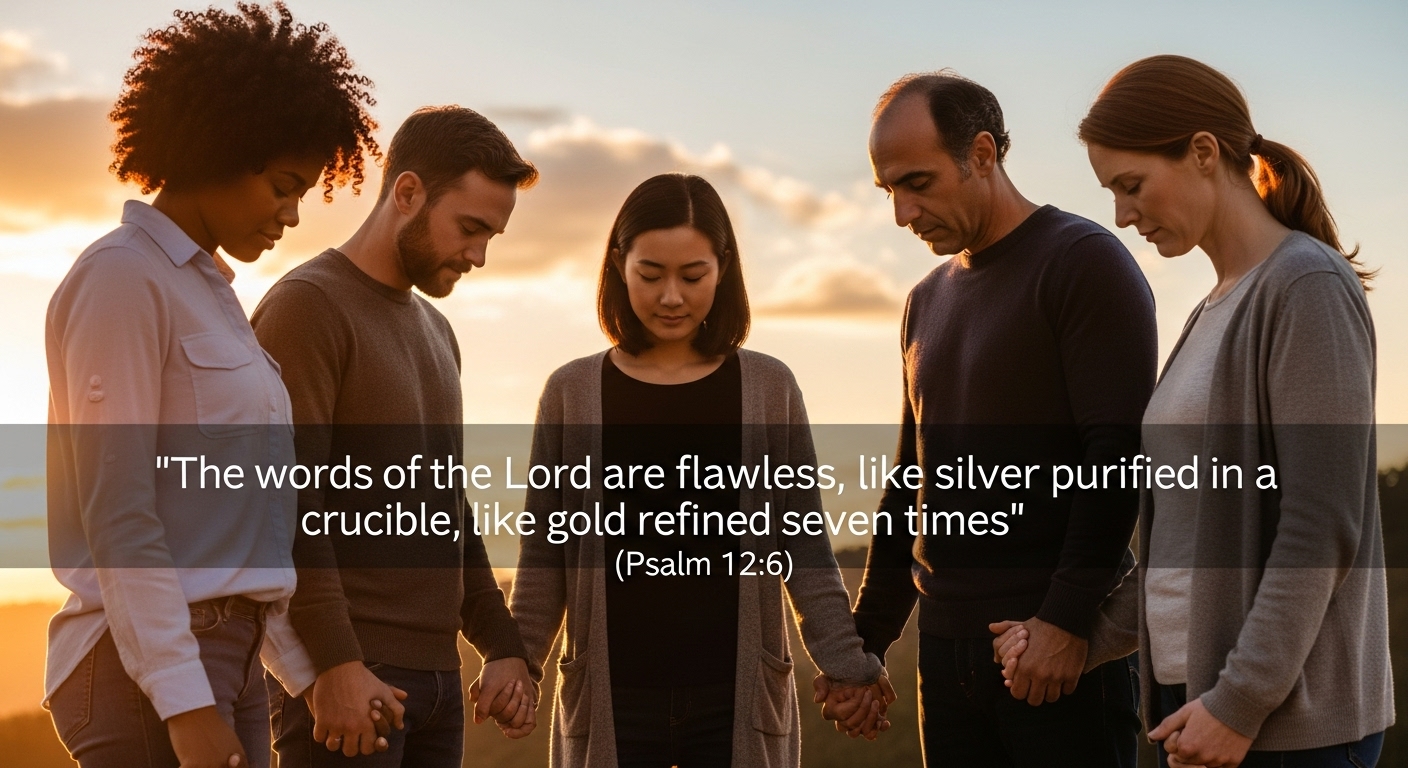
Read the verse with me: Psalm 12:6 (NIV) — “And the words of the LORD are flawless, like silver purified in a furnace, like gold refined seven times.”

This image is powerful and specific: God’s words are described as flawless, pure, and refined—like precious metals that have been tested by fire to remove every impurity. In context, Psalm 12 begins with a lament about deceitful speech and the way the wicked twist words. The psalmist cries out for the Lord to rescue the faithful from lying tongues. Verse 6 then contrasts human unreliability with divine purity: while people may lie or boast, the Lord’s words are without defect and enduring.
In simple terms, God’s promises aren’t half-true, shallow, or subject to error. They’ve been “refined” by God’s character and purpose. For you, that means when God speaks—even in promises about presence, provision, or redemption—you can treat His words as trustworthy, not disposable.
Related Post: Holding Onto The Surety Of God’s Unbreakable Promises (Psalm 119:114)
Understanding the Core Truth
At the heart of Psalm 12:6 is one clear point: God’s spoken commitments are dependable and pure. Unlike human speech, which can be selfish, careless, or temporary, God’s words reflect His unchanging character. When God promises, it carries the weight of who He is—faithful, holy, and wise.
This matters because your spiritual life rests not primarily on feelings or circumstances, but on what God has said. When you learn to orient your hope around God’s spoken commitments, you gain a stable foundation. This doesn’t mean life will never be hard; it means you can trust that God’s promises have a purpose and will ultimately be fulfilled according to His perfect wisdom.
🌊 Going Deeper — The Hidden Meaning
If you peel back Psalm 12:6, you see more than a simple statement; you discover a theology of speech. In the ancient Near East, words were actions. A king’s word could shift fate, a covenant’s spoken vow created binding responsibility. The psalmist appeals to that cultural weight and elevates it: God’s words do what they say—they are operational, not empty.
Consider Abraham’s story: God spoke to him with promises about descendants and land, though circumstances made those words seem impossible at times. God’s promise to Abraham felt delayed but ultimately proved steadfast. The refining image in Psalm 12:6 also teaches you that God’s speech is pure because it’s filtered through a perfect character. Fire purifies; God’s words have been tested and proven trustworthy. That hidden meaning reassures you that God’s commitments are not casual remarks but covenantal declarations that move history toward His redemptive purposes.
💡 Modern Connection — Relevance Today

You live in a world overloaded with words: headlines, promises from leaders, marketing claims, and even people you love sometimes fail to follow through. The permanence of God’s spoken commitments becomes a sanctuary for your trust. When you feel overwhelmed by conflicting messages, Psalm 12:6 invites you to anchor your belief in what’s flawless and eternal.
Practically, this affects your decisions: when you’re choosing how to spend your time, or how to respond to fear about your future, you can calibrate your trust toward God’s promises instead of temporary assurances. Whether you face career uncertainty, relational pain, health struggles, or spiritual dryness, leaning into the permanence of God’s spoken commitments helps you endure. It refines your perspective like a furnace refines silver—removing the dross of anxiety and replacing it with hope rooted in God’s faithful speech.
❤️ Practical Application — Living the Message
Trusting God’s spoken commitments is something you do, not just something you believe. Here are simple, doable steps you can practice this week to live out Psalm 12:6 in daily life.
- Read and memorize a promise of God that speaks to your situation—start small with one verse each week.
- Pray Scripture back to God: when fear arises, say God’s promise aloud and ask the Holy Spirit to help you trust it.
- Keep a “promise journal”: record verses that feel like personal commitments and note ways God fulfills or reminds you of them.
- Practice patient obedience: choose small acts of faithfulness that align with the promise you’re trusting (generosity, reconciliation, perseverance).
- Share a promise aloud with another believer and ask them to pray with you—community helps reinforce God’s commitments.
Each of these actions trains you to treat God’s words as operative realities rather than abstract ideas. Over time, your heart will lean more naturally into His permanence.
Related Post: Relying On The Permanence Of God’s Spoken Commitments (Psalm 119:89)
🌿 Faith Reflection Box
Pause for a moment: Which of God’s promises do you need to believe today? Is it His presence in your storms, His provision when finances are tight, or His healing in broken relationships? Write the verse down, speak it aloud, and invite the Spirit to make it real in your heart.
Key Takeaways:
- God’s spoken commitments are flawless and trustworthy.
- Anchor your hope in Scripture when human words fail you.
- Practice trusting God by memorizing, praying, and acting on His promises.
👉 Q&A
Q1: If God’s words are flawless, why do prayers sometimes seem unanswered? Answer: You’re feeling the tension many believers face: God’s promises and the timing or shape of their fulfillment don’t always match your expectations. Unanswered prayers don’t mean God’s words are flawed; they often reflect the broader context of God’s wisdom, human freedom, or growth processes you can’t yet see. Sometimes God says, “not yet,” “not that way,” or “I will give you something better.” Hold Psalm 12:6 as your anchor: God’s speech is pure even when outcomes differ from your plan. For help calming anxious thoughts in prayer, see this related guide: https://biblestorieshub.com/how-to-pray-for-peace-when-your-mind-feels-overwhelmed/. Also remember Romans 8:28: Romans 8:28 (NIV).
Q2: How can I tell if a “promise” I feel is from God or just wishful thinking? Answer: Discernment grows with practice. Compare the promise to Scripture—God’s spoken commitments never contradict the Bible. Pray for clarity and counsel from mature believers, and watch for peace as a confirming sign from the Holy Spirit. Also, observe whether the direction invites obedience, love, and holiness; God’s promises will not lead you away from those things. If you’re unsure, take small steps of obedience and see whether God’s peace accompanies them. Over time, patterns form, and your ability to recognize God’s voice strengthens.
Q3: Does Psalm 12:6 mean God never changes His plans or behaves differently? Answer: The verse emphasizes the purity and reliability of God’s words, which flow from His character. God is consistent in His purposes that center on justice, mercy, and redemption. That said, God interacts dynamically with creation—He responds in ways that reflect both sovereignty and relationship. The permanence in Psalm 12:6 refers to the trustworthiness of His spoken commitments, not a static disengagement from the world. When life seems unpredictable, lean on the promise that God’s core character and final purposes remain steadfast.
Q4: How do I keep trusting God’s promises during long seasons of waiting? Answer: Waiting is one of the hardest but most formative experiences of faith. During long waits, you can intentionally rehearse God’s past faithfulness by journaling answered prayers, celebrating small signs of progress, and staying connected to a faith community for encouragement. Use the waiting to deepen your obedience—small, faithful acts shape your character and open your heart to God’s timing. Remember, refinement often happens in the furnace of waiting; it can produce greater faith and dependence on God’s spoken commitments.
🙏 Conclusion & Reflection
When you read Psalm 12:6—”And the words of the LORD are flawless, like silver purified in a furnace, like gold refined seven times”—you’re invited into a steady, calming truth: God’s spoken commitments are not tossed off casually. They are pure, tested, and purposeful. As you face life’s broken promises and shifting circumstances, let this permanence become the ground beneath your feet.
A short prayer you can pray now: Lord, help me anchor my heart in Your flawless words. When I doubt, remind me of Your promises. Refine my faith like silver in a furnace, and teach me to live with patient trust. Amen.

Explore More
For further reading and encouragement, check out these posts:
👉 7 Bible Verses About Faith in Hard Times
👉 Job’s Faith: What We Can Learn From His Trials
👉 How To Trust God When Everything Falls Apart
👉 Why God Allows Suffering – A Biblical Perspective
👉 Faith Over Fear: How To Stand Strong In Uncertain Seasons
👉 How To Encourage Someone Struggling With Their Faith
👉 5 Prayers for Strength When You’re Feeling Weak

📘 Jesus and the Woman Caught in Adultery – Grace and Mercy Over Judgement
A powerful retelling of John 8:1-11. This book brings to life the depth of forgiveness, mercy, and God’s unwavering love.
👉 Check it now on Amazon 🛒💥

🔥 “Every great message deserves a home online.” 🌍💬🏡
Don’t let your calling stay hidden. Start a Christian blog or website using Hostinger — with 99.9% uptime, a free domain, and SSL, your voice can shine for God’s glory anytime, anywhere.
💥 Begin today. 🛒 Try it RISK-FREE! ✅

✝️ “Your body is God’s temple — care for it with purpose.” 💪💖🏛️
Renew your energy and restore balance naturally. Mitolyn helps support a healthy metabolism, giving you the vitality to live out God’s calling with strength and confidence.
🔥 Unlock Your Metabolic Power! ⚡Burn More Calories & Feel Great With Mitolyn. 💪
👉 Start Today. 🚀 Check Price Now. 🛒💰
💰 As a ClickBank & Amazon Affiliate, I earn from qualifying purchases.
📖 Acknowledgment: All Bible verses referenced in this article were accessed via Bible Gateway (or Bible Hub).
🚀 Want to explore more? 👉 Dive into our new post on Why Jesus? and experience the 🔥 life-changing truth of the Gospel!