

David’s Prayer For Guidance – Psalm 25

Introduction
Have you ever stood at a fork in the road and wished someone would hand you a clear map? You’re not alone. The experience of needing direction—whether about a relationship, a career choice, a moral dilemma, or a season of doubt—touches everyone. That’s exactly where Psalm 25 meets you. When you open this psalm, you find David, honest and humble, asking God for guidance, mercy, and truth. David’s Prayer For Guidance speaks as directly to you today as it did to him centuries ago, because at its heart it’s less about solving your every problem and more about reorienting your heart toward God.
You’ll walk through Scripture, unpack the core truth of the psalm, explore its deeper meaning, and get simple, actionable steps you can use this week. This piece is written for you—to help you pray, think, and choose with more confidence in God’s leading.

📖 The Bible Foundation
Psalm 25:1–5 (NIV)
“I lift up my soul to you, Lord.
I trust in you, my God.
Do not let me be put to shame, nor let my enemies triumph over me.
No one whose hope is in you will ever be put to shame, but shame will come on those who are treacherous without cause.
Show me your ways, Lord, teach me your paths.
Guide me in your truth and teach me, for you are God my Savior, and my hope is in you all day long.”
(See Psalm 25:1-5 NIV)

This opening of Psalm 25 sets the tone: David lifts his soul to the Lord, expresses trust, asks not to be put to shame, and then petitions explicitly for guidance—”Show me your ways… teach me your paths.” The context is both personal and communal; David writes from a place of vulnerability, likely amid opposition or uncertainty. He’s not acting like he has it all together. Instead, he articulates a posture you can adopt: honest dependence and active seeking.
Think of these verses as a spiritual posture: you look up (lifting your soul), name your trust, acknowledge your need, and ask God to show the way. That’s the bedrock of David’s Prayer for Guidance.
Background of the Prayer
To fully appreciate the potency of David’s prayer in Psalm 25, it’s essential to first understand its cultural and historical context. David, the celebrated King of Israel, is best known for his leadership, poetic talents, and deep relationship with God. While the specific circumstances prompting this particular prayer aren’t explicitly detailed in the Bible, it is widely believed to reflect a time of personal trial or national crisis. Like many of David’s psalms, this one is a heartfelt cry for divine guidance and mercy. Imagine a king, burdened by the weight of leadership, yet seeking clarity and instruction from a source greater than himself. In these verses, David’s reliance on God for direction is laid bare, providing a template for humility and trust in times of uncertainty.
Key Elements of the Prayer
Trust and Surrender
At the heart of David’s prayer is a profound sense of trust and the willingness to surrender his path completely to God. As the psalm begins in Psalm 25:1-2, David proclaims his trust in God, laying the foundation for the requests that follow. This initial act of surrender underscores the theme that true guidance begins with relinquishing control and placing faith in God’s higher wisdom.
Request for Guidance
David’s plea for guidance is explicit in Psalm 25:4-5, where he asks God to show him the paths he should take. This key section reveals David’s openness to God’s instructions, highlighting a genuine desire to understand and follow divine wisdom. It’s a humble acknowledgment that the best route is one that aligns with God’s will, not personal ambition.
Confession of Sin
Recognizing the barriers that sin can create in a relationship with God, David also expresses a desire for forgiveness in Psalm 25:11. This confession signifies the understanding that for guidance to be received, one’s heart needs to be clean and receptive, free from guilt that can cloud judgment.
Dependence on God’s Faithfulness
The psalm frequently alludes to God’s attributes, particularly His mercy and steadfast love, such as in Psalm 25:6-7. David leans on these characteristics, firmly believing that God’s enduring faithfulness will provide the direction and help needed. This reliance on God’s character acts as an anchor, ensuring that even in the turbulence of uncertainty, David’s faith remains unshaken.
Understanding the Core Truth
At the heart of Psalm 25 is a simple-but-profound truth: guidance from God begins with humility and trust. David shows you that asking for direction isn’t a fallback plan—it’s the primary posture of faith. When you ask God to “show me your ways,” you’re admitting you need instruction and that you accept God as Teacher and Guide.
David’s prayer highlights two essential ingredients for receiving guidance: trust and truth. Trust opens your heart; truth shapes your steps. When your hope is firmly anchored in God, you can withstand shame, fear, and the misleading voices around you. The psalm teaches that guidance from God is not just information—it’s formation. It changes how you see yourself, others, and the choices you must make.
This core truth matters because most people treat guidance like a GPS that gives instructions without any heart change. But David invites you into a relationship where choices get shaped by ongoing trust and daily surrender to God’s truth.
🌊 Going Deeper — The Hidden Meaning

If you sit with Psalm 25 for a while, you’ll notice several deeper movements that are easy to miss on a first read. First, David pairs guidance with forgiveness and mercy later in the psalm. Asking to be shown God’s ways is connected to admitting wrongs and seeking forgiveness. Why? Because the paths God sets are not just moral checklists; they’re courses of healing that remove the barriers keeping you from walking clearly.
Second, David emphasizes memory—remembering God’s covenant love and past faithfulness. When you’re asking for direction, remembering how God has led you before strengthens your trust now. The psalm is a spiritual pattern: recall mercy, confess wrongs, ask for instruction, and trust God to lead.
Think of an example: imagine you’re making a career decision. You’re not just asking God to give you a job listing; you’re asking for wisdom that aligns with your character, corrects your blind spots, and builds you in humility. That’s the hidden lesson—God’s guidance refines you, not just solves a problem.
❤️ Practical Application — Living the Message
You don’t have to become a theologian to put Psalm 25 into practice. Here are tangible steps you can take this week to live out David’s Prayer for Guidance:
- Start each morning with a short Psalm 25 prayer: “Lord, show me your ways today. Teach me your paths.” Keep it simple and repeatable.
- Create a “guidance list.” For one week, write down the small decisions you face and pray over them each morning. At the end of each day, jot down one way God seemed to respond.
- Practice confession and repentance. If you sense repeated stumbling, ask God to reveal where you need to change. Pair the asking with a concrete action step.
- Use Scripture for direct guidance. Pick a short passage (e.g., Proverbs 3:5-6 or Psalm 119:105) and meditate on it when you need to decide.
- Seek wise counsel. David didn’t isolate; he lived among advisers. Talk with a trusted friend, pastor, or mentor who will pray with you and speak truth into your life.
These are small, doable rhythms that invite God’s steadying presence into everyday choices. You’re not waiting for a dramatic lightning bolt; you’re cultivating sensitivity to God’s consistent, quiet guidance.
👉 🌿 Faith Reflection Box
Take a moment. Where are you most in need of direction right now? Is it your job, your marriage, a friendship, or an internal battle like fear or bitterness? Pause and invite God into that exact place.
Reflective Question: If you were honest with God today, what would you ask Him to guide you away from—and toward?
Key Takeaways:
- Seek God first: ask for guidance with a humble heart.
- Trust and truth work together: rely on God and let Scripture shape your steps.
- Guidance often includes correction and a call to change.
- Remember past faithfulness to strengthen present trust.
- Put guidance into practice through daily prayer, small decisions, and trusted counsel.
👉 8. Q&A
Q1: How do I know God’s guidance is real and not just my wishful thinking?
Answer: You can test guidance by its alignment with Scripture, the peace it brings over time, and the wise counsel you receive. God’s leading typically confirms itself in multiple ways: it agrees with biblical truth, it produces a sense of peace (not mere relief), and it stands up under the scrutiny of trusted, mature Christians. Also, guidance often produces humility and a willingness to change—not just personal satisfaction. Readiness to accept correction is a good sign that you are following God’s direction. See Proverbs 3:5-6 NIV and James 1:5 NIV for biblical grounding.
Related: Psalm 32:8 — God’s Guidance in Every Step
Q2: Does asking God for guidance mean I shouldn’t plan or use wisdom?
Answer: Not at all. Asking for guidance and using your God-given mind go together. David’s Prayer for Guidance doesn’t replace planning or common sense; it enriches them. You pray for direction, then gather information, weigh options, and make a decision with the hope that God has been forming your judgment through Scripture, community, and prayer. Consider how Jesus balanced prayer and action—He prayed before big decisions but also acted with intention. See Psalm 25:4 NIV and Luke 14:28-30 NIV for balance between seeking God and wise planning.
Q3: What if God’s guidance isn’t the answer I hoped for?
Answer: That’s normal. Sometimes God guides you away from what you want because He sees a better path. When the answer doesn’t match your hopes, lean into the trust component of David’s prayer—believe that God’s ways are higher. Allow yourself to grieve the “no” or “not now,” but stay open to learning what God intends through the redirection. Often, no means He’s protecting you, shaping your character, or preparing you for a different blessing. Keep reading Scripture and ask for clearer steps; God is patient in teaching you. See Romans 8:28 NIV and Psalm 25:9 NIV to remember that God guides the humble and works for good.
See also: 5 Bible Promises of God’s Daily Guidance You Can Rely On
🙏 Conclusion & Reflection
David’s Prayer For Guidance in Psalm 25 offers you a timeless, compassionate pattern: lift your soul to God, trust Him, ask for His ways, and allow His truth to teach you. It doesn’t promise an easy road, but it does promise a faithful Guide. When you approach God with humility and an openness to correction, you create space for transformation—your decisions begin to reflect God’s wisdom, not just your preferences.
A short prayer to close with: Lord, show me your ways and teach me your paths. Help me trust you when the route is unclear. Correct my heart with love, and guide my steps today. Amen.

More Inspiration Awaits — Read These Next
👉 For deeper insight into Isaiah 40:31 and how it renews your strength in both faith and daily life
👉 For practical lessons on compassion and neighborliness from the Good Samaritan
👉 For a clear explanation of what we can learn from the Parable of the Good Samaritan
👉 For meaningful insights from the Parable of the Pearl and its hidden treasures
👉 For a deeper look at the Rich Man and Lazarus and what it reveals about the afterlife
👉 For guidance on the Parable of the Ten Virgins and preparing for God’s Kingdom
👉 For clarity on the Parable of the Lamp and how it calls us to shine our light
👉 For insights from the Parable of the Wedding Feast and the meaning behind the invited guests
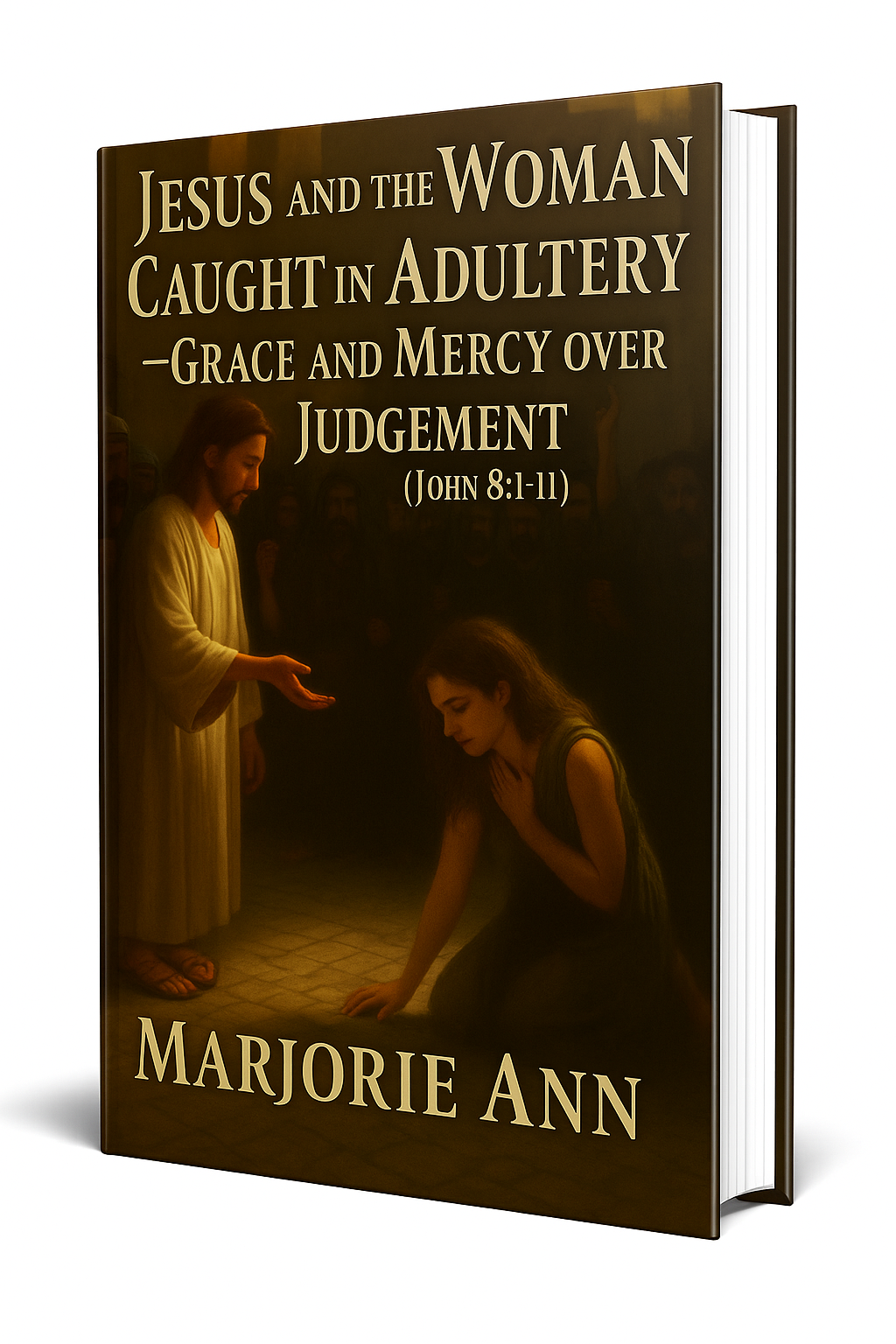
📘 Jesus and the Woman Caught in Adultery – Grace and Mercy Over Judgement
A powerful retelling of John 8:1-11. This book brings to life the depth of forgiveness, mercy, and God’s unwavering love.
👉 Check it now on Amazon 🛒💥

🔥 “Every great message deserves a home online.” 🌍💬🏡
Don’t let your calling stay hidden. Start a Christian blog or website using Hostinger — with 99.9% uptime, a free domain, and SSL, your voice can shine for God’s glory anytime, anywhere.
💥 Begin today. 🛒 Try it RISK-FREE! ✅

✝️ “Your body is God’s temple — care for it with purpose.” 💪💖🏛️
Renew your energy and restore balance naturally. Mitolyn helps support a healthy metabolism, giving you the vitality to live out God’s calling with strength and confidence.
🔥 Unlock Your Metabolic Power! ⚡Burn More Calories & Feel Great With Mitolyn. 💪
👉 Start Today. 🚀 Check Price Now. 🛒💰
💰 As a ClickBank & Amazon Affiliate, I earn from qualifying purchases.
📖 Acknowledgment: All Bible verses referenced in this article were accessed via Bible Gateway (or Bible Hub).
🚀 Want to explore more? 👉 Dive into our new post on Why Jesus? and experience the 🔥 life-changing truth of the Gospel!