


The Power Of Intercessory Prayer: Standing In The Gap
You’re about to explore a practice that changes lives, cities, and even history. In this article, you’ll learn why God’s people are called to stand in the gap, how you can pray with power and purpose, and practical steps you can build into your daily life. You’ll be guided by Scripture, real-life examples, and hands-on spiritual disciplines so you can become an effective prayer warrior for those God places on your heart.

What Is Intercessory Prayer?
Intercessory prayer is simply you taking the needs of others before God and asking Him to intervene. When you step into this role, you become a bridge between heaven and earth for someone else’s need. You’re not asking for your own favor; you’re standing in the gap for another person, family, church, or nation. This ministry of compassion reflects the heart of God and positions you to partner with Him in changing outcomes.
Why the Bible Calls You to Stand in the Gap
The imagery of standing in the gap comes directly from God’s words through the prophet Ezekiel: “I looked for someone among them who would build up the wall and stand before me in the gap on behalf of the land” (Ezekiel 22:30). When you understand this picture, you see that prayer is not passive. God expects faithful people to intercede — to take responsibility when others are vulnerable, lost, sick, or trapped. Standing in the gap is about responsibility, compassion, and spiritual authority.
The Heart Behind Your Intercession
Your motivation matters. God looks at the posture of your heart when you approach Him on behalf of others. Jesus modeled intercession not from a place of obligation but of love and compassion: He prayed for His disciples and for those the Father had given Him (John 17:9). When you pray with a heart like Jesus’—concerned, selfless, and obedient—you’re aligning your will with God’s, and that alignment releases His purposes into people’s lives.
Biblical Examples of Standing in the Gap
You can learn how to intercede by watching Scripture. Moses pleaded with God to spare Israel after the golden calf incident, saying, “Why should your anger burn?” and God relented (Exodus 32:11-14). Daniel stood in the gap for his people with fervent confession and fasting (Daniel 9:3-19), and the early church’s prayer resulted in Peter’s miraculous release from prison (Acts 12:5). These stories teach you that intercession is both spiritual and strategic—it moves the heart of God and often initiates visible change.
Jesus: The Ultimate Intercessor
You’re never asked to do anything Jesus hasn’t already done. He intercedes for you continually. Hebrews puts it plainly: “He always lives to intercede for them” (Hebrews 7:25). When you intercede, you reflect the ministry of Christ. Your prayers participate in the ongoing work of your Savior, who stands before the Father on your behalf and on behalf of the world.
Why Intercessory Prayer Matters Today
You might wonder if prayer really changes anything in a complex, modern world. The Bible tells you that prayer matters because it aligns your will with God’s and invites Him to act. Paul urges you to pray for leaders and for peace so that the church can live godly lives in quiet (1 Timothy 2:1-2). When you pray, you influence spiritual realities you can’t always see. Nations, families, the sick, and the lost are affected by prayers offered in faith and persistence.
What Effective Intercession Looks Like
Effective intercession is more than repeating words or reciting a checklist. It’s purposeful, informed, and persistent. You pray with knowledge—knowledge of the person, the need, and Scripture. You pray with faith—believing that God hears and acts. You pray persistently—like the widow who would not give up (Luke 18:1-8). Finally, you pray humbly—recognizing your dependence on God and His ultimate sovereignty in how He answers.
How the Holy Spirit Helps You Pray
You’re not expected to carry the burden of intercession alone. The Holy Spirit assists you in praying, especially when words fail or when pain is too deep to name. Scripture says the Spirit intercedes for the saints with groans that words cannot express (Romans 8:26). When your human strength runs out, the Spirit takes over and prays through you. That’s empowering—your weakness becomes the stage for God’s strength.
Practical Steps to Start Standing in the Gap
Start small and be consistent. Intercession is a discipline you develop over time. Begin by praying for the people closest to you—family, friends, neighbors. Keep a list. Set aside specific times for prayer. Here are a few practical habits to adopt:
- Commit to daily focused times of petition for specific people or situations.
- Use Scripture as the framework for your requests, trusting God’s promises.
- Gather with others to pray; corporate intercession multiplies effectiveness.
These actions create a habit and a spiritual rhythm that will deepen your intercessory life and expand your influence in the kingdom.

How to Pray Scripture Back to God
One of the most practical ways to pray effectively is to claim God’s Word. When you’re praying for healing, speak Psalm 103 or Isaiah 53; when you’re praying for provision, pray Philippians 4:19. Praying Scripture aligns your request with God’s revealed will and strengthens your faith. If you’re unsure which verses to use, start with the promises you’ve read and ask the Spirit to apply them to the situation you’re lifting before the Lord.
Praying for Leaders, Cities, and Nations
Paul instructs you to pray for leaders so that the church can prosper under peaceable conditions (1 Timothy 2:1-2). When you pray for civic leaders, you influence the spiritual atmosphere of an entire region. Jeremiah urged the exiles to seek the welfare of the city to which they had been carried (Jeremiah 29:7). You can make a strategic list: mayor, governor, clergy, educators, police, and business leaders—pray specifically and regularly for each one.
Praying for the Troubled and the Vulnerable
Prayer is empathy in action. When you intercede for someone suffering, you mirror God’s compassion. The Bible assures you that the prayer of a righteous person is powerful and effective (James 5:16). Your prayers can usher in healing, peace, courage, and direction. Don’t underestimate the simple act of being persistent and present in prayer for those who are hurting.
How to Intercede for Your Enemies
Jesus raised the bar: you’re told to pray for your enemies (Matthew 5:44). That’s counterintuitive, but when you pray for those who hurt you, you are cooperating with God’s transformational work. Pray for change, forgiveness, and the softening of hearts. This kind of intercession breaks cycles of bitterness and releases you into freedom.
Corporate Intercession: Praying with Others
There’s power when God’s people pray together. Acts describes the church gathering and praying earnestly, and God responded with a miracle (Acts 12:5). When you join others in focused intercession, you multiply faith, sharpen insight, and experience communal encouragement. Start a prayer group, join a church prayer team, or set up a regular time to pray with one or two friends. Shared burden becomes shared blessing.
The Discipline of Watching and Waiting
Intercession often requires waiting. Jesus told His disciples to watch and pray so they would not fall into temptation (Luke 22:32. You’ll learn patience as you persist in prayer. Waiting isn’t passive; it’s active trust. Continue praying, continue trusting, and continue aligning your life with God’s will. Over time, you’ll notice God answering in ways you couldn’t have orchestrated.
Fasting and Intercession
Fasting is a spiritual discipline that sharpens your focus and intensifies your prayers. In biblical history, people combined fasting with intercession for decisive outcomes, as Daniel did when seeking God’s mercy for his people (Daniel 9:3-19). When you fast, you’re declaring that you want God more than you want food or other comforts. That posture often precedes a breakthrough. If you choose to fast, do it prayerfully and humbly, seeking God’s guidance about its length and purpose.
Common Obstacles to Effective Intercession
You’ll face discouragement, distraction, doubt, and the busyness of life. These are common and expected. When your prayers seem to go unanswered, remember that God’s timing and ways are perfect even when they’re mysterious to you. The enemy will try to fog your mind and draw you away from persistent intercession. Resist by returning to Scripture, gathering with others, and reminding yourself of past answers to prayer. Your faithfulness in the small things builds capacity for greater impact.
Seeing Answers: Patience, Perception, and Praise
Answers to prayer come in many forms—immediate, delayed, partial, or transformed. Sometimes God’s answer is a ‘No’ because He sees a better way. Sometimes He says ‘Wait’ because He’s preparing something greater. Your role is to keep praying, to look for His fingerprints, and to celebrate every sign of His work. Praise keeps your heart aligned with God and turns the focus from the problem to the power of the One who answers.
Spiritual Warfare and Intercession
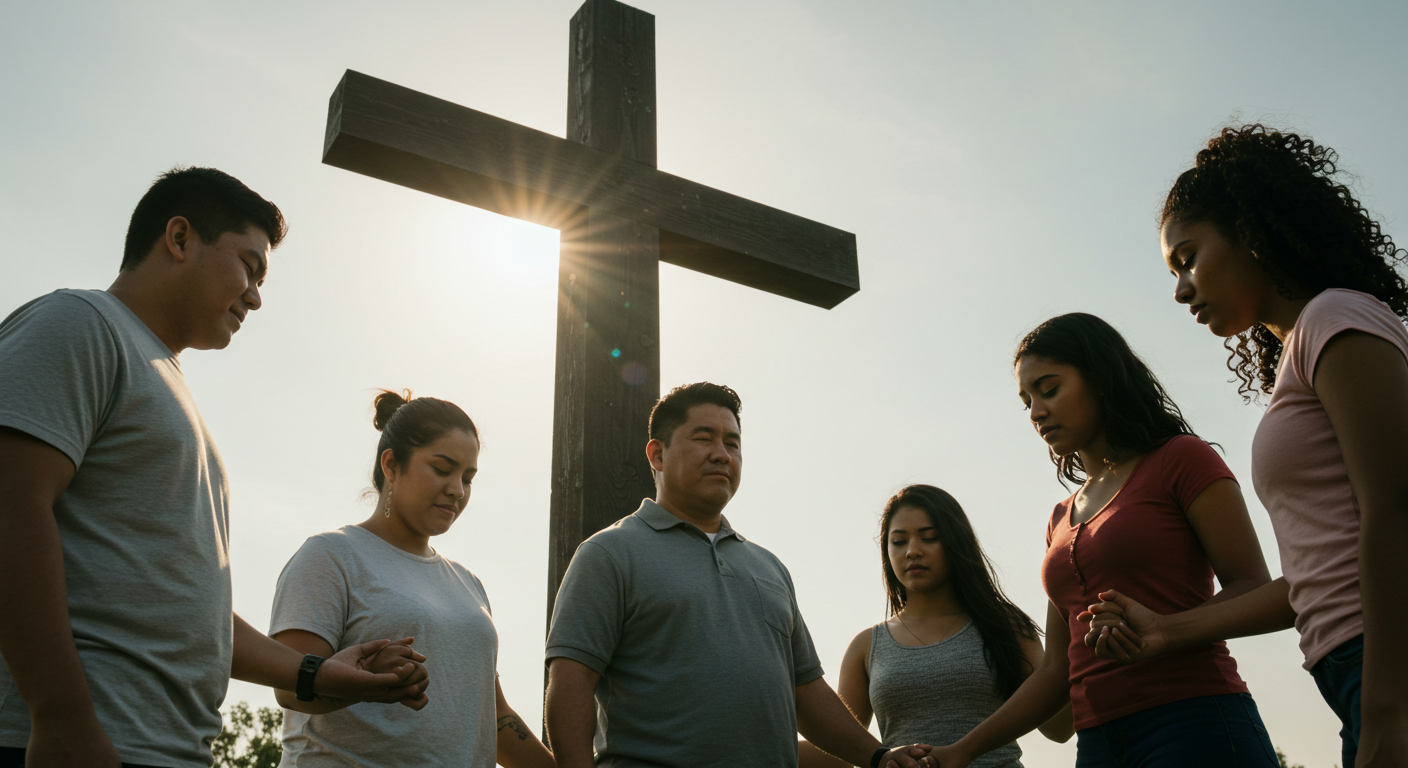
When you intercede, you’re not simply rehearsing facts; you’re engaging in spiritual reality. Scripture encourages you to put on the full armor of God so you can stand against spiritual forces (Ephesians 6:18). Prayer is a key offensive weapon. Be prayerful, be informed by Scripture, and be persistent. Ask the Holy Spirit for wisdom about when to speak, when to be silent, and when to declare God’s truth over a situation.
Personal Testimonies: What You Might Expect
Stories of answered prayer tend to encourage and instruct you. Perhaps a friend recovers after months of intercession, or a family is reconciled after persistent prayer, or a leader changes direction after being covered in prayer. These testimonies aren’t just emotional anecdotes; they are evidence that God moves when His people faithfully stand in the gap. As you persist, anticipate that God will use your prayers for His glory and for the good of others.
Building a Life of Intercession: Practical Habits
To sustain a life of standing in the gap, incorporate these practices into your rhythm:
- Create a prayer list and update it weekly.
- Set aside a fixed time daily for focused intercession.
- Use Scripture to guide and ground your petitions.
- Partner with others for corporate prayer and accountability.
- Journal answers to prayers to build your faith and gratitude.
These disciplines help you remain faithful and grow in effectiveness. They transform prayer from an occasional activity into a lifestyle.
When Your Prayers Don’t Seem to Work
You’ll sometimes feel discouraged when results don’t match your expectations. Remember that prayer is not a formula; it’s a relationship. God may be working behind the scenes in ways you don’t see. He may be shaping the character of those you pray for, or He may be orchestrating circumstances for a future good. Stay faithful, and trust that God hears and acts according to His wisdom and love. Keep asking, keep seeking, and keep knocking (Matthew 7:7).
The Difference You Make
Never underestimate the eternal significance of your prayers. When you pray for healing, protection, wisdom, or salvation, you participate in God’s redemptive work. Your prayers matter in the unseen realm and have ripple effects in the visible world. God invites you to be part of His restorative plan, and your obedience to stand in the gap carries weight in heaven.
A Simple Model to Pray By
Use a simple structure to keep your prayers focused and biblical: Praise, Repentance, Petition, Thanksgiving (PRPT). Start by praising God for who He is, confess what needs confession, present your requests succinctly, and then thank Him in advance for His work. This structure keeps you honest, humble, and expectant.
🔗 Related Prayer Resources
👉 How to Pray (Step-by-Step Guide for Beginners)
how to pray properly
👉 Building a Daily Prayer Habit (Simple Routine Guide)
daily prayer habit
👉 How to Hear the Holy Spirit While Praying
hearing the Holy Spirit
👉 Morning Prayer Routine for Focus and Peace
morning prayer routine
Final Encouragement
You’re not called to be passive. You’re called to step into a role that God has designed for faithful people: to stand in the gap. When you engage in intercessory prayer, you become a conduit for God’s mercy, grace, and power. Remember Jesus’ example—He intercedes for you, and He invites you to do likewise for others (Hebrews 7:25). Be patient, be persistent, and be prayerful. Expect God to move in ways you can’t yet imagine.

As a ClickBank Affiliate, I earn from qualifying purchases.
Acknowledgment: All Bible verses referenced in this article were accessed via Bible Gateway (or Bible Hub).
“Want to explore more? Check out our latest post on Why Jesus? and discover the life-changing truth of the Gospel!”