

Hope That Anchors The Soul: Faith For The Future
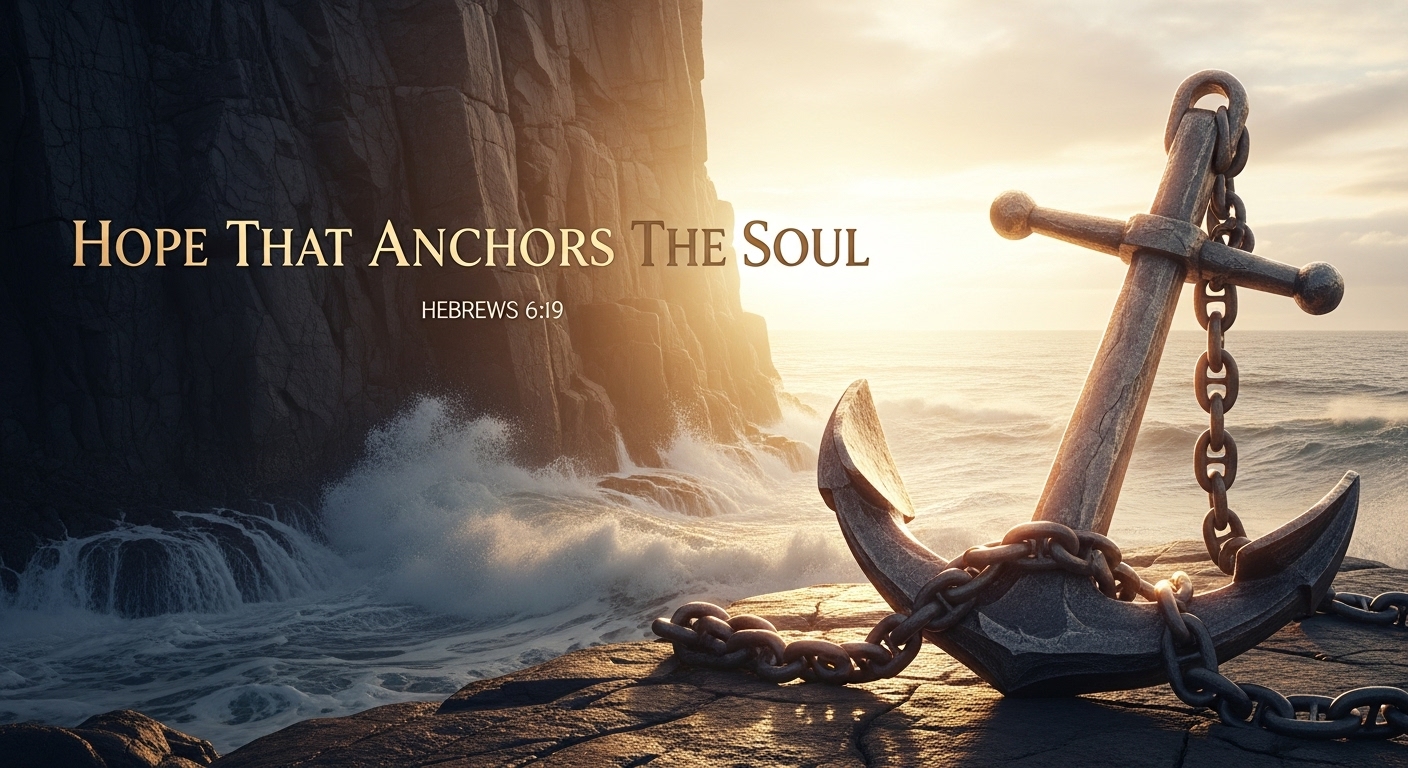
When life feels unpredictable — when the ground seems to shift beneath your feet — you need something steady to hold on to. The Bible calls that something an anchor. Inspired by Hebrews 6:19, this article is for you: the one who wants a hope that won’t drift, a faith that steadies you for the future. You’ll read practical ways to fasten that hope to Christ, biblical truths to claim, and everyday practices that keep your anchor of hope secure when storms come.

What Hebrews 6:19 Means for You
Hebrews 6:19 speaks about hope as an “anchor for the soul, firm and secure.” You can read it for yourself here: Hebrews 6:19. That image — an anchor fastened inside the veil — is rich with meaning: it’s not something fleeting that drifts with the tide. It’s fixed, reliable, and set within the very presence of God through Jesus Christ. When you picture an anchor, think of something that stops your life from spinning out, that keeps you tied to a promise when circumstances try to unmoor you.
You may be wondering how a spiritual truth becomes practical. That’s the point: the metaphor is meant to move from idea to reality. The anchor of hope is not a passive wish; it’s an active, held-down reality that you can cling to. In the middle of worry, you can reach for that anchor. In the middle of loss, you can rest in that steadiness. Hebrews uses the imagery of a temple veil and priestly access to say the anchor is not merely symbolic — it points to real access to God through Jesus, the One who secures you in the presence of God.
The Difference Between Hope and Optimism
When life gets hard, optimism tells you things will probably work out. Christian hope is deeper than optimism. It’s not merely a positive outlook; it’s a trust rooted in God’s promises. Hebrews and the rest of Scripture frame hope as something grounded in God’s character, not in your circumstances. For example, Hebrews 11:1 defines faith as the assurance of things hoped for — that’s faith and hope intertwined. Your anchor of hope is not the same as “wishful thinking”; it is confidence based on what God has already done and promised to do.
You live in a world that rewards quick fixes and surface-level positivity. But the anchor of hope keeps you steady when quick fixes fail. It allows you to live honestly about pain, disappointment, and uncertainty while trusting a future you can’t yet see. That combination of realism and reliance is what makes Christian hope both practical and transcendent. You can be realistic about the storm and at the same time anchored in the promise that God is not done with you.
How the Anchor of Hope Steadies You in Uncertainty

You probably don’t need theory; you need tools. The anchor of hope steadies you in uncertainty by giving you a place to rest your attention. Instead of being tossed by every change, your focus can shift to God’s fidelity. Scripture after scripture demonstrates people who held onto the anchor of hope and found stability: consider Abraham waiting for Isaac, or the early church enduring persecution. Those biblical testimonies aren’t ancient myths — they are lenses showing how God’s promises interact with human lives.
Psychologically, having a theological anchor lessens anxiety because it gives you a story bigger than your current problem. Spiritually, it protects you from despair because it roots your expectation in God’s faithfulness. Practically, it changes choices: you make different decisions when you’re anchored. You stand firmer, take wiser risks, love more sacrificially, and endure trials with a steadier heart because you’re not operating from panic but from promise. Romans connects hope with endurance and perseverance; see Romans 8:24-25 for how patient expectation matters to faith.
Practical Ways to Fasten Your Anchor
Anchoring your soul to Christ isn’t mystical — it’s practical. You fasten the anchor of hope through habits and disciplines that shape your heart: regular time in Scripture, honest prayer, community with other believers, and remembering God’s past faithfulness. Each of these is a rope that ties you to the anchor. Scripture becomes the clearest place to hear God’s promises. Prayer becomes the place you voice your trust and your fears. Community becomes the place where you are strengthened, corrected, and encouraged.
Consider setting concrete rhythms: perhaps a short morning reading, a mid-day moment of prayer, a weekly time to recount answered prayers with a friend, and a monthly intentional fast or Sabbath rest. These are not magic rituals; they are anchors placed where you will realistically keep them. You’ll find your hope doesn’t feel abstract anymore — it becomes embodied in your days.
Stories from Scripture: How Others Held On
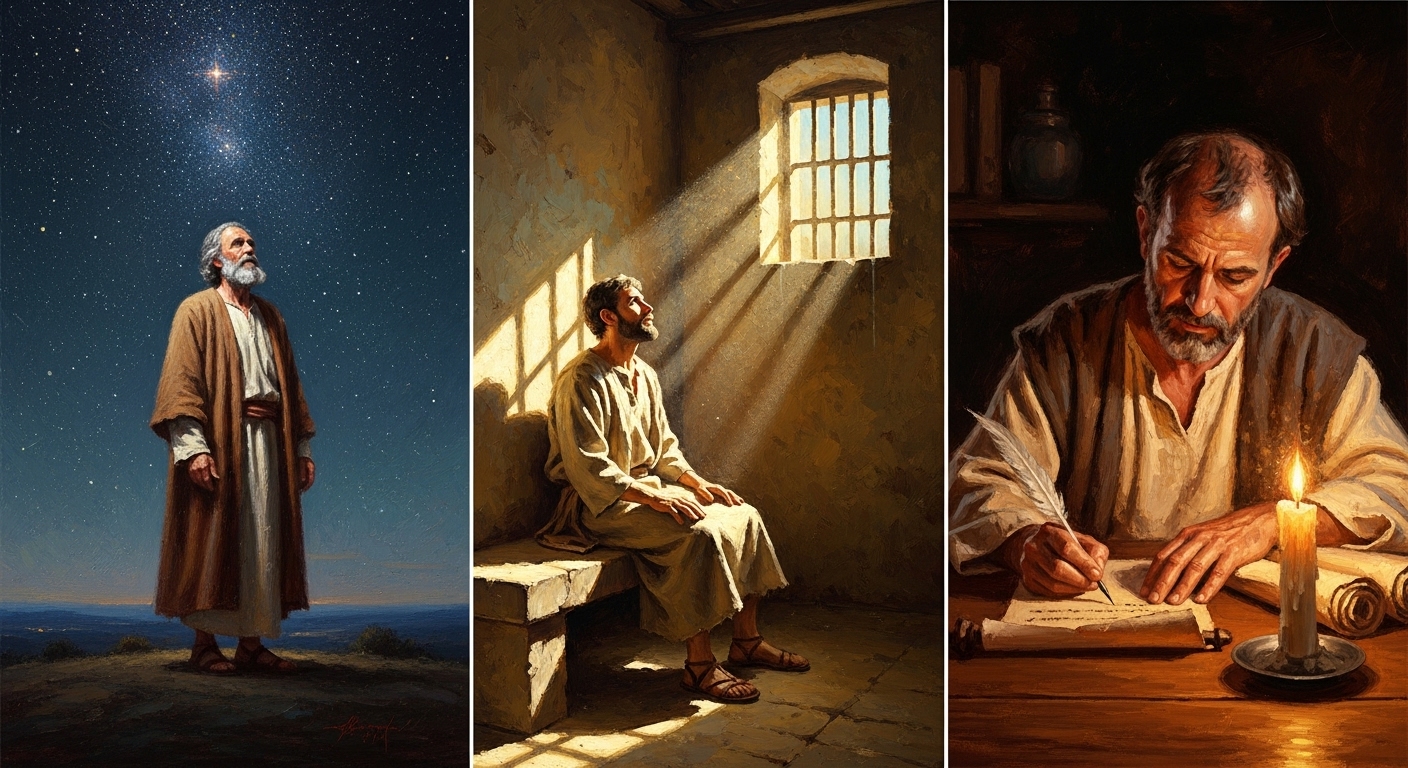
Your story fits a long biblical arc of people who trusted God’s promises before seeing the outcome. Take Abraham, who trusted the promise of descendants even when he was old, or Joseph, who kept faith through betrayal and imprisonment. The heroes of faith in Hebrews 11 didn’t rely on their circumstances; they trusted the promises God had made. Their anchor of hope kept them steady through seasons of waiting and pain.
Paul’s testimony is also instructive: he experienced shipwrecks, imprisonment, and slander, yet wrote letters brimming with hope because his trust was anchored in Christ’s return and God’s redemptive plan. When you read these stories, you’re not simply getting vicarious inspiration; you’re learning practical patterns for anchoring your life. Notice how consistent practices, community, and remembering God’s past faithfulness were part of their perseverance.
Waiting Well: The Discipline of Patient Hope
Waiting is one of the hardest disciplines. Yet hope and waiting are inseparable. The Bible teaches that waiting is not passive; it’s expectant. Isaiah’s promise about renewing strength for those who wait on the Lord is worth memorizing: Isaiah 40:31. When you wait well, your waiting shapes character — patience, endurance, humility. You learn reliance on God rather than your own timetable.
Waiting also tests what your hope is anchored to. If your hope depends on outcomes you control, waiting will crush you. But if your hope depends on God’s unchangeable nature and the promises fulfilled in Christ, waiting becomes a place where faith matures. Practically, you can use waiting times to practice thankfulness, to serve others, and to study Scripture. Those activities keep your anchor of hope alive and prevent fear from hijacking your imagination.
When Doubt Feels Stronger Than Hope
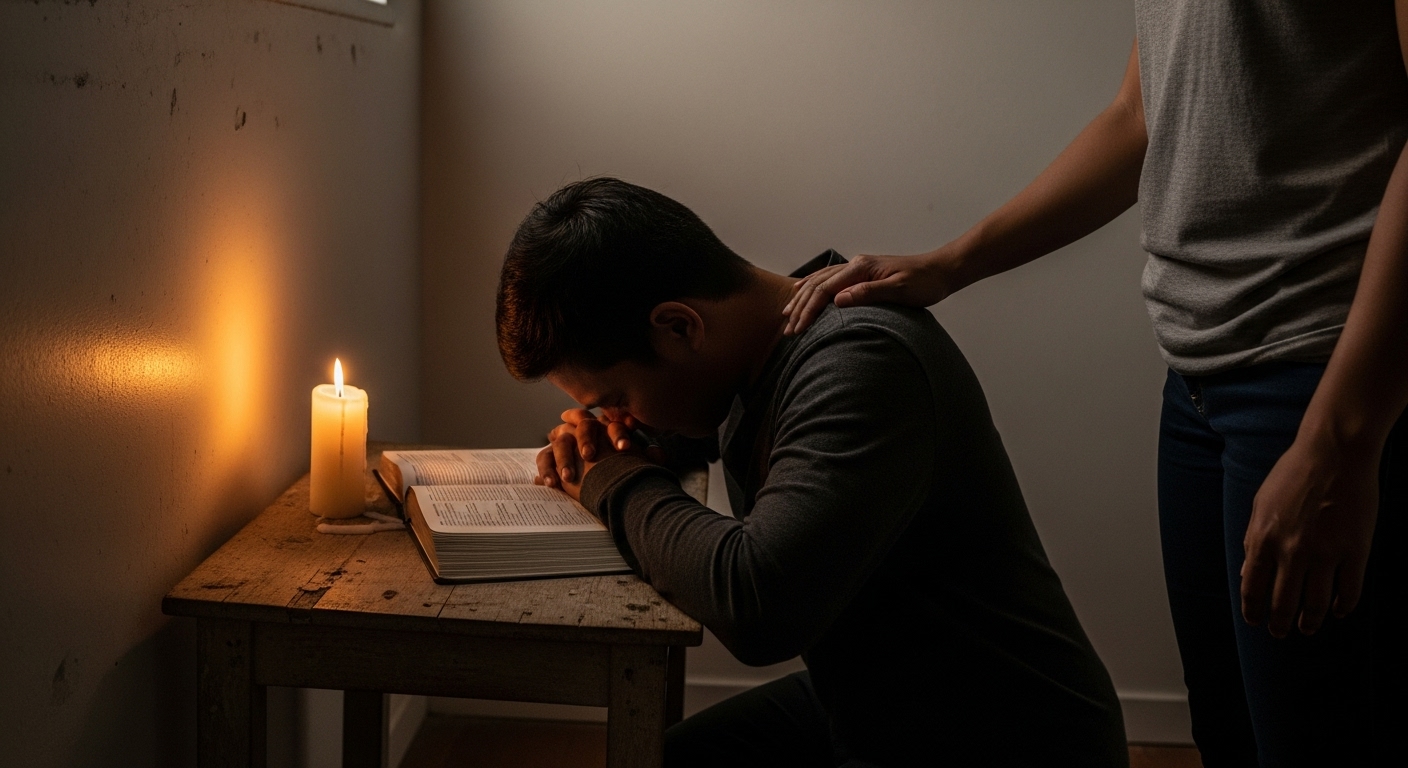
You will doubt. That’s not failure — it’s human. Even the psalmists scream, question, and wrestle with God. The anchor of hope is not a remedy that makes doubt disappear; instead, it’s what you cling to when doubt arrives. The Psalms model how to bring doubt honestly to God while still remembering God’s past faithfulness. You don’t need polished platitudes; you need a raw track to God.
When doubt feels loud, bring it into a community you trust. Say to a friend, “I’m struggling to believe right now.” Ask someone to pray Scripture back to you. Use tangible practices: recite a promise, reread a testimony of God’s work in your life, or write down reasons for hope. Doubt can be a doorway to deeper faith when you allow the anchor of hope to hold you through the tension rather than capitulating to despair.
Hope in Community: You Were Not Designed to Anchor Alone
You were made for connection. The anchor of hope is easier to grip when other hands are holding the chain with you. The New Testament paints the church as a body where members carry one another’s burdens, encourage each other, and remember the promises together. Community provides perspective and prevents you from turning inward in ways that harden or isolate your hope.
Participation in a faith community doesn’t require perfection. It requires presence. You can show up with questions, with wounds, with small faith and big doubts. The simple acts of shared prayers, communal Scripture reading, and mutual care make the anchor of hope communal. When you help anchor someone else, your own grip strengthens. Hospitality, mentoring, and honest confession are practical ways to anchor together.
Anchoring Hope for the Next Generation

You have the capacity to pass hope forward. Children and younger believers watch patterns more than they listen to lectures. What you model matters. When you consistently rehearse God’s faithfulness, they learn to trust God themselves. This isn’t only about teaching Bible verses; it’s about narrating the shape of God’s work in your life — telling stories of deliverance, provision, and unexpected grace.
Think in practical terms: take time to explain why you pray, make family rhythms that remember God’s goodness, and involve young people in acts of service that show hope in motion. Mentorship, discipleship, and deliberate storytelling cultivate a living tradition of hope. In that way, the anchor of hope becomes intergenerational, not individualistic.
The Anchor of Hope and the Future: Confident Yet Humble Expectation
Hope orients you toward the future without fixing you on a date. Your expectation is confident because it rests on God’s promises, but it’s humble because you don’t control how God will fulfill them. Scripture calls you to be watchful and prepared — like those who keep lanterns trimmed and lamps lit — while trusting God’s timing. Verses about the return of Christ and the new creation are meant to shape how you live now, not to produce anxiety about timing.
When you anchor in Christ, your future orientation changes: you invest in eternity while living faithfully in ordinary days. You use time, resources, and influence to reflect kingdom priorities. The anchor of hope doesn’t make you escapist; it makes you more present, more sacrificial, and more willing to steward what you’ve been given toward things that last.
Anchoring Through Loss: A Theology for Seasons of Grief

Grief can feel like an unmooring. But the anchor of hope does not deny grief — it enters it. Scripture repeatedly models lament as a critical part of faith. The psalmists lamented, Jesus wept, and the early church mourned publicly. Your anchor helps you grieve honestly while holding onto the promise that death and loss are not the final word.
Practically, grief work includes naming the loss, setting rhythms for grief (anniversaries, rituals), and staying in community. You can also hold scriptural promises close: the promise of God’s presence, the promise of ultimate restoration, and the promise that God collects every tear. These promises do not erase pain, but they transform what pain ultimately points to: a God who sees, suffers with you, and will ultimately make all things new.
Practical Steps to Keep the Anchor Strong Every Day
Here are practical, simple steps you can take so the anchor of hope doesn’t become theoretical:
- Devote a short daily time to Scripture: even ten minutes focused on a promise will reorient your day.
- Keep a prayer-and-thankfulness notebook: record worries and answers; seeing answers to prayer strengthens hope.
- Anchor yourself in community: regular check-ins with an accountability partner or small group keep hope lived out.
- Serve regularly: hope expressed through service widens your perspective beyond personal anxieties.
- Memorize 4–6 key verses that speak to God’s promises and recite them when fear rises.
These steps don’t have to be grand; consistency matters more than intensity. Small, repeated acts of fidelity reinforce the chain that connects you to the anchor of hope.
When the Storm Feels Overwhelming: Emergency Anchoring Techniques
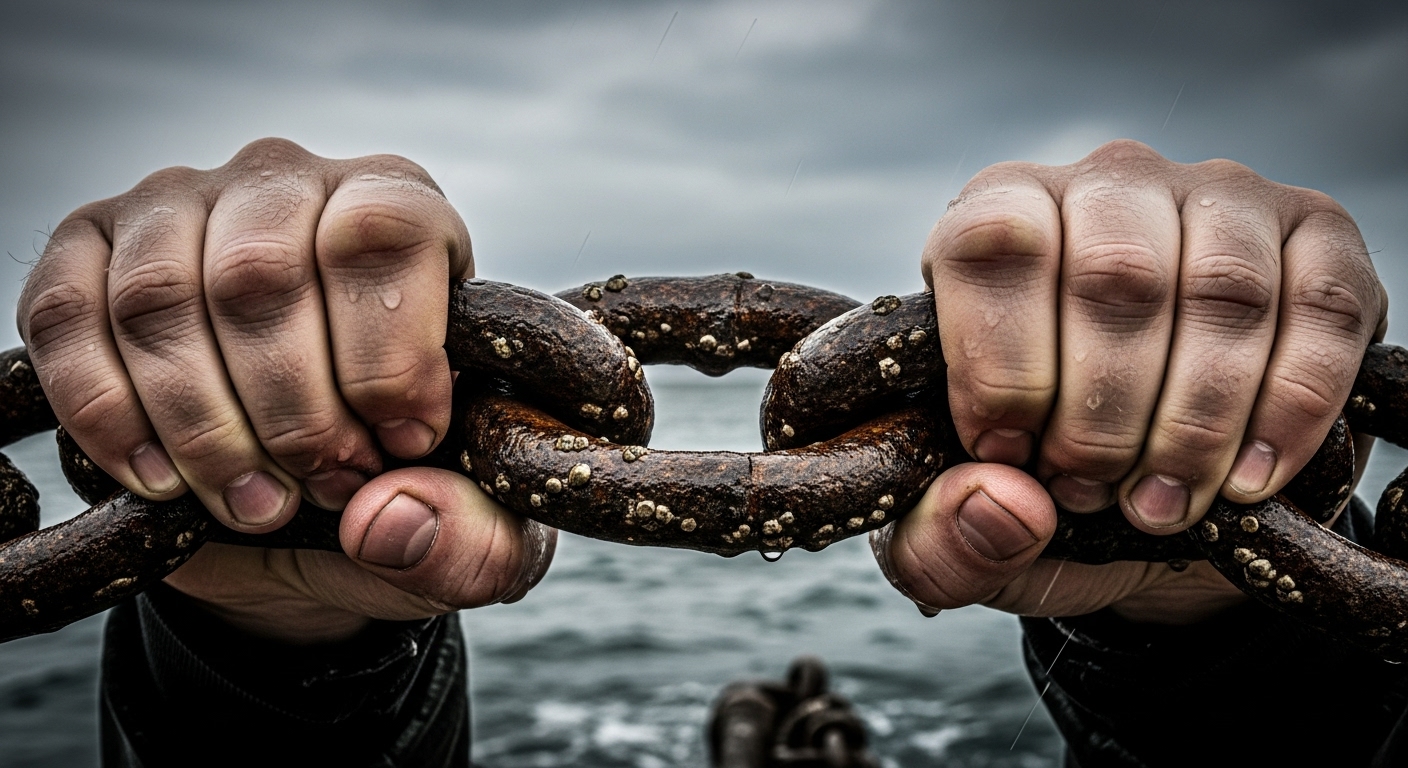
There are moments when you need an immediate fix for panic or despair. Here are brief emergency techniques that help you grip the anchor quickly:
- Breathe slowly and recite a short Scripture promise (e.g., Hebrews 13:5 — “I will never leave you nor forsake you”).
- Name three things you’re grateful for right now.
- Call a trusted friend and say, “I need prayer right now.”
- Read a short psalm aloud (Psalm 23 or Psalm 46 are excellent).
- Go outside and physically hold a rock or an anchor-like object to connect a tactile memory with spiritual steadiness.
These actions won’t solve everything, but they help shift your physiology and attention back to realities anchored in God rather than runaway fear.
The Long View: How Hope Shapes Your Decisions
When your life is anchored in hope, decisions change. You start choosing faithfulness over quick wins, legacy over immediate comfort, and generosity over hoarding. Hope reorients priorities toward things that last: relationships, spiritual formation, and kingdom work. In this way, hope is not merely defensive — it’s proactive. It empowers you to make bold, sacrificial choices because you’re investing in a future God will fulfill.
From a practical standpoint, map your choices against a ten- or twenty-year horizon. Will this decision promote faithfulness, character, and fruit that endures? Your anchor of hope helps you decide with that perspective, resisting short-term anxieties that tempt you away from long-term flourishing.
Closing Thoughts: Keep Returning to the Anchor
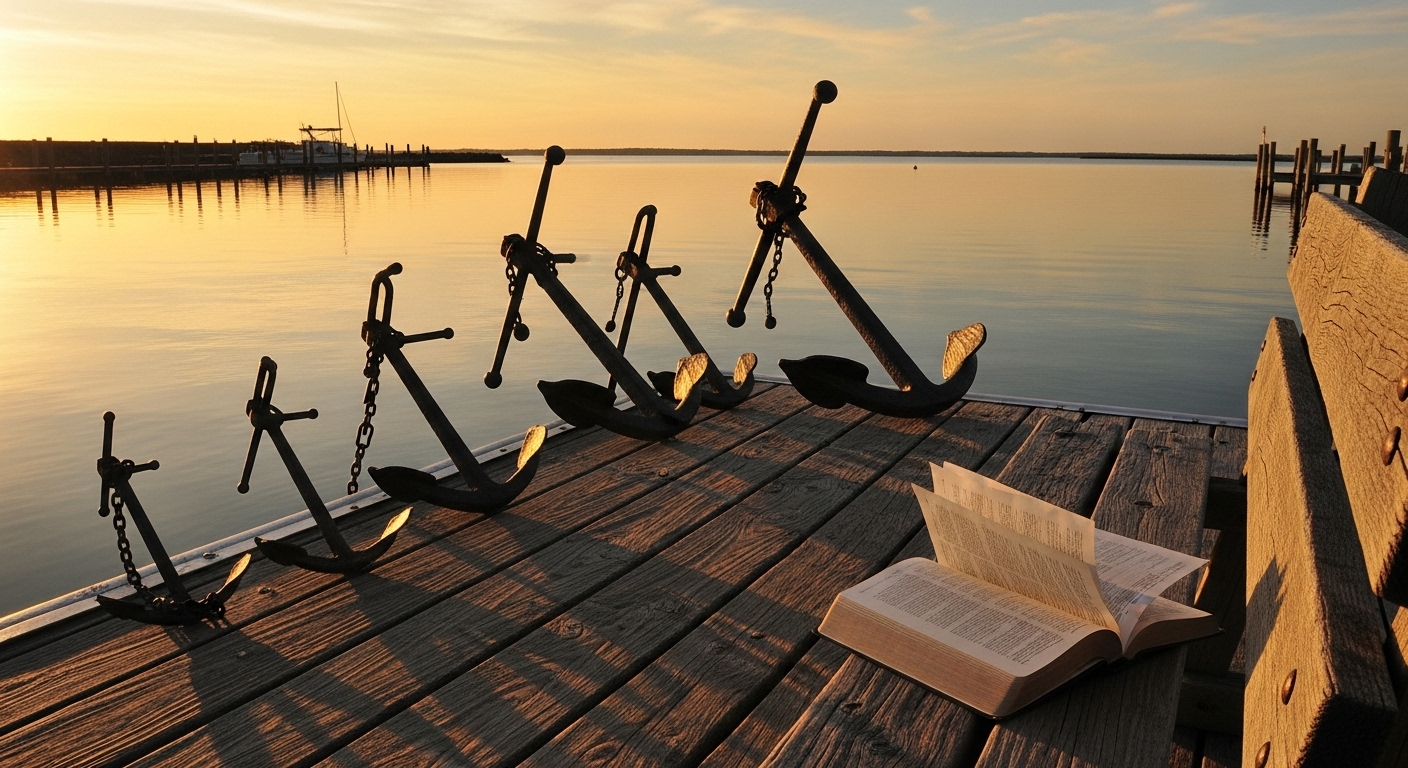
You don’t have to manufacture faith from thin air. The anchor of hope awaits you in the person and work of Jesus Christ. If you’re feeling unmoored, start small: read a promise, speak a prayer, reach for community. Let the stories of the Bible remind you that faithfulness doesn’t mean comfortless ease — it means being held through hardship and into new life. As you practice the disciplines that fasten the anchor, you’ll find a steadier courage to face tomorrow.
Suggested Scriptures to Hold and Memorize
- Hebrews 6:19 — anchor of the soul.
- Hebrews 11:1 — faith is assurance of things hoped for.
- Romans 8:24-25 — hope and patience.
- Isaiah 40:31 — renewing strength in waiting.
- Hebrews 13:5 — God never leaves you.
Explore More
For further reading and encouragement, check out these posts:
👉 7 Bible Verses About Faith in Hard Times
👉 Job’s Faith: What We Can Learn From His Trials
👉 How To Trust God When Everything Falls Apart
👉 Why God Allows Suffering – A Biblical Perspective
👉 Faith Over Fear: How To Stand Strong In Uncertain Seasons
👉 How To Encourage Someone Struggling With Their Faith
👉 5 Prayers for Strength When You’re Feeling Weak
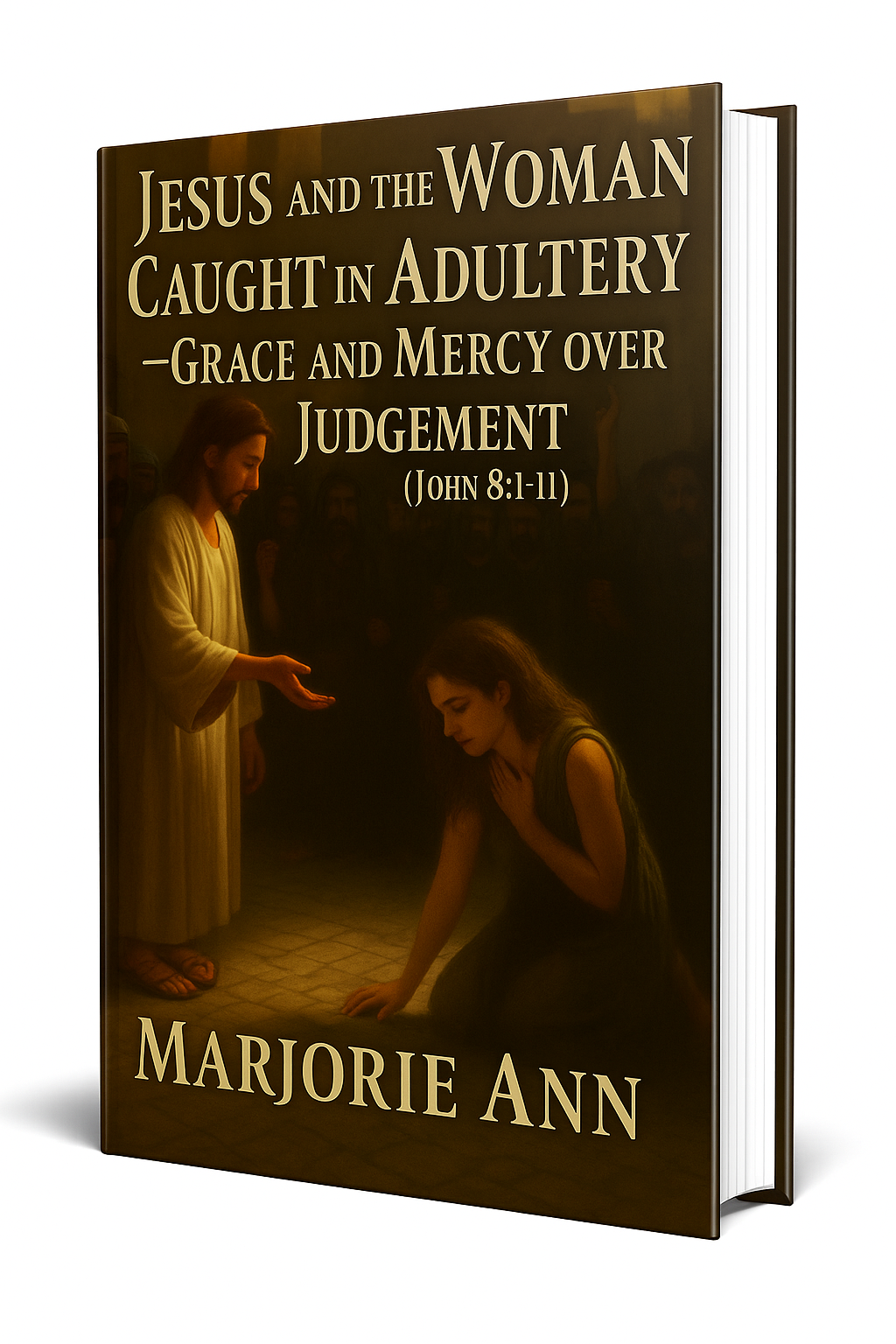
📘 Jesus and the Woman Caught in Adultery – Grace and Mercy Over Judgement
A powerful retelling of John 8:1-11. This book brings to life the depth of forgiveness, mercy, and God’s unwavering love.
👉 Check it now on Amazon 🛒💥

🔥 “Every great message deserves a home online.” 🌍💬🏡
Don’t let your calling stay hidden. Start a Christian blog or website using Hostinger — with 99.9% uptime, a free domain, and SSL, your voice can shine for God’s glory anytime, anywhere.
💥 Begin today. 🛒 Try it RISK-FREE! ✅

✝️ “Your body is God’s temple — care for it with purpose.” 💪💖🏛️
Renew your energy and restore balance naturally. Mitolyn helps support a healthy metabolism, giving you the vitality to live out God’s calling with strength and confidence.
🔥 Unlock Your Metabolic Power! ⚡Burn More Calories & Feel Great With Mitolyn. 💪
👉 Start Today. 🚀 Check Price Now. 🛒💰
💰 As a ClickBank & Amazon Affiliate, I earn from qualifying purchases.
📖 Acknowledgment: All Bible verses referenced in this article were accessed via Bible Gateway (or Bible Hub).
🚀 Want to explore more? 👉 Dive into our new post on Why Jesus? and experience the 🔥 life-changing truth of the Gospel!