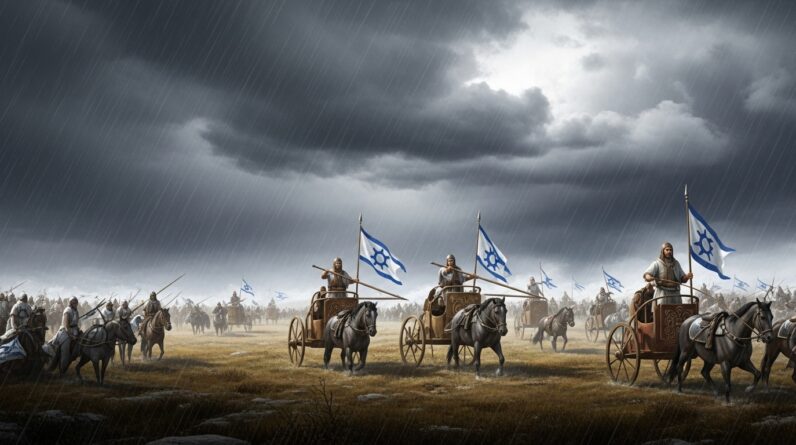


Lessons From Jephthah – Faith And The Power Of Words

Introduction
Have you ever said something in a moment of pressure and later wished you could take it back? Maybe you made a bold promise, assuming circumstances would turn out a certain way, and now you’re haunted by how different reality is. You’re not alone. The Bible gives very human stories of people whose faith and words collided in messy, powerful ways. One of the most challenging of those stories is Jephthah’s vow.
In this article, you’ll walk through that story, learn why words carry spiritual weight, and explore how your faith and promises intersect in daily life. You’ll get grounded Scripture, practical steps you can actually use, and reflective questions to help your faith mature. This is about Faith and the Power of Words — how belief fuels action, and how speech can shape outcomes for better or worse.

📖 The Bible Foundation
Judges 11:29–40 (KJV) — The Story of Jephthah’s Vow
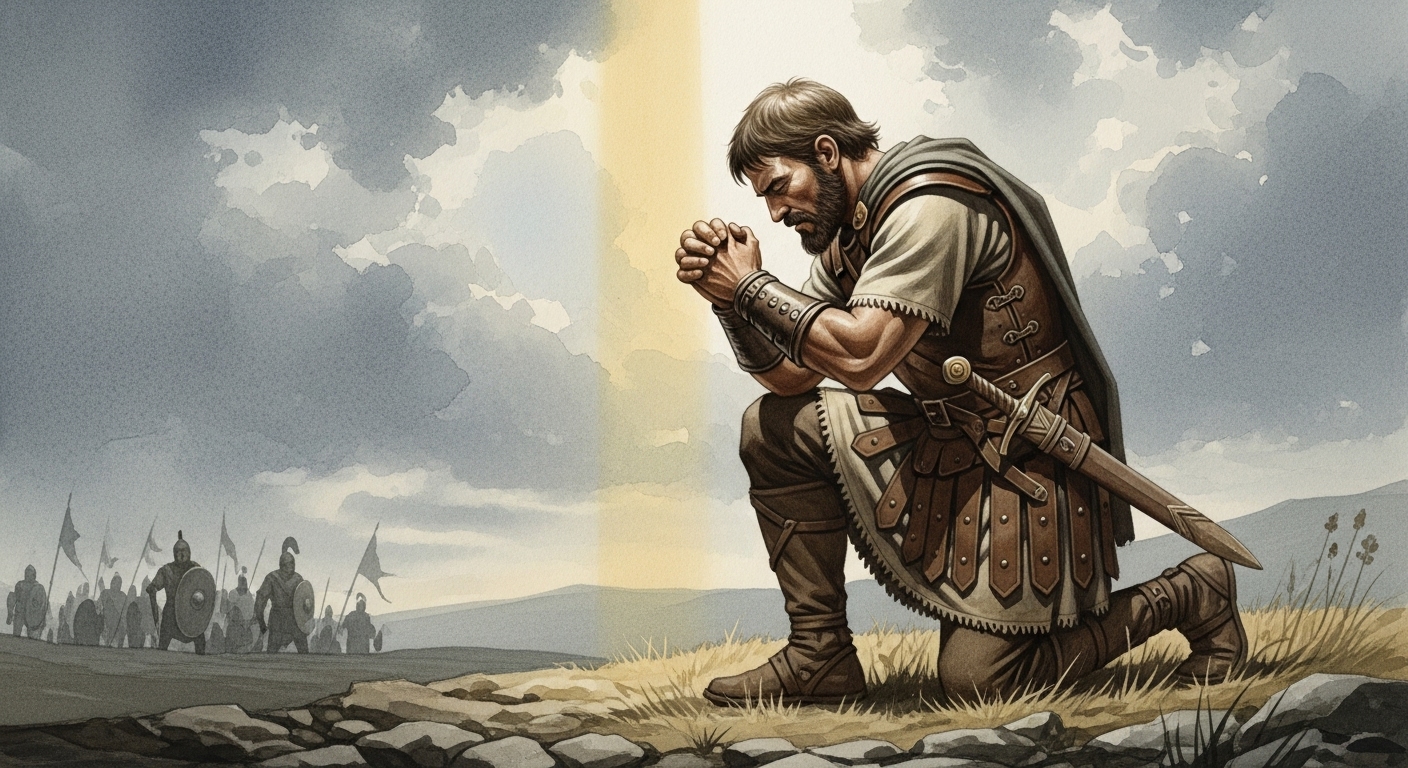
29 Then the Spirit of the LORD came upon Jephthah, and he passed over Gilead, and Manasseh, and passed on unto Mizpeh of Gilead; and from Mizpeh of Gilead he fought against the children of Ammon.
30 And Jephthah vowed a vow unto the LORD, and said, If thou shalt without fail deliver the children of Ammon into mine hands,
31 Then it shall be, that whatsoever cometh forth of the doors of my house to meet me, when I return in peace from the children of Ammon, shall surely be the LORD’S, and I will offer it up for a burnt offering.
32 So Jephthah passed over unto the children of Ammon to fight against them; and the LORD delivered them into his hands.
33 And he smote them from Aroer, even till thou come to Minnith, even unto Abel-shittim, with a very great slaughter: with the edge of the sword.
34 And the children of Ammon were subdued before the children of Israel.
And Jephthah came to Mizpeh unto his house; and, behold, his daughter came out to meet him with timbrels and with dances: and she was an only child; beside her he had neither son nor daughter.
35 And it came to pass, when he saw her, that he rent his clothes, and said, Alas, my daughter! thou hast brought me very low, and thou art one of them that trouble me: for I have opened my mouth unto the LORD, and I cannot go back.
36 And she said unto him, My father, thou hast opened thy mouth unto the LORD, do unto me according to that which hath proceeded out of thy mouth; forasmuch as the LORD hath taken vengeance for thee upon thine enemies, and hath delivered them into thine hand.
37 And she said unto her father, Let this thing be done for me: grant me two months, that I may go up and down upon the mountains, and bewail my virginity with my companions.
38 And he said, Go. And he sent her away for two months: and she went with her companions, and bewailed her virginity upon the mountains.
39 And it came to pass at the end of two months, that she returned unto her father, who did with her according to his vow which he had vowed: and she knew no man. And it was a custom in Israel,
40 That the daughters of Israel went yearly to lament the daughter of Jephthah the Gileadite four days in a year.
This passage places you inside a raw moment: a leader filled with the Spirit, a rash vow, a victorious return, and heartbreaking consequences. It forces you to wrestle with spoken promises, intended worship, and tragic fallout. When you read this, you can’t help but notice how faith and words collided — and how serious words are when offered to God.
🧠 Understanding the Core Truth
The central message here is straightforward and sobering: your words have spiritual power, and faith without wisdom can lead to costly mistakes. Jephthah’s vow arose out of faith — he trusted God to grant victory. But his expression of that faith was impulsive and absolute. You see both a sincere reliance on God and a dangerous lack of foresight.
When you promise something to God, you’re not just speaking into the air; you’re entering a moral and spiritual contract. The core truth is that faith must be accompanied by responsible speech. Faith isn’t just believing; it’s living out that belief with careful, humble words that honor God and protect others. Jephthah’s story warns you that faith can amplify whatever you say — for blessing or for harm.
🌊 Going Deeper — The Hidden Meaning

When you look deeper, the story’s tension comes from three places: the Spirit-driven call to leadership, the human impulse to bargain with God, and the cultural context around vows and sacrificial language. Jephthah was empowered by God to deliver Israel — that part is a high point in faith. But his vow (“whatever comes out… shall surely be the LORD’s, and I will offer it up for a burnt offering”) shows an attempt to bargain for success. That bargaining reflects human attempts to control outcomes through pious promises.
There’s also a tragic irony: the very person he loves most — his daughter — becomes the face of his vow’s consequences. She responds with faith and submission, asking only for time to mourn. Her response reveals dignity and sacrificial heart, even amid a vow she didn’t create. The deeper lesson points you toward humility: true faith honors God but also practices restraint, seeks wisdom, protects the vulnerable, and balances zeal with compassion.
This hidden meaning invites you to examine moments when your faith leads you to declare absolute promises — to God, to others, or to yourself — and asks whether those promises respect the sanctity of life and relationships.
💡 Modern Connection — Relevance Today
What does this ancient drama mean for you in the 21st century? Plenty. You make promises all the time: commitments to God in prayer, vows in relationships, and confident declarations about your future. Social media has amplified this — a tweeted vow, a viral pledge, or a bold public commitment can reverberate widely and shape real consequences.
Faith and the Power of Words still operate: people are encouraged or wounded by your speech, careers are shaped by promises, fand amilies are affected by vows. For example, promising to “do anything” for a cause without thinking through the implications can lead to neglect or harm. And those who lead in church, business, or home must model careful speech that values people above image.
Additionally, the story nudges you to think about the ethics of bargaining with God. Your prayers shouldn’t treat God as a cosmic vending machine. Instead, you should cultivate a faith that seeks God’s will, uses wise words, and recognizes the dignity of people who may be impacted by your commitments.
❤️ Practical Application — Living the Message

How do you live out the lesson of Jephthah? Here are practical, doable steps you can take to steward your words and your faith well:
- Pause before you promise. When emotions are high, practice a brief wait — even a day — before making vows that commit others or tie your hands.
- Pray for wisdom and counsel. Before committing to something that could affect others, ask trusted friends, mentors, or spiritual leaders for perspective.
- Use language carefully. Frame commitments with humility: “If God wills” or “I intend to…” reduces absolutism and honors God’s sovereignty.
- Repair when needed. If you’ve spoken rashly, be honest and seek to make amends in ways that protect the vulnerable and reflect repentance.
- Teach your family how to promise responsibly. Model thoughtfulness so the next generation learns that faithful speech values people and honor.
These steps help you put Faith and the Power of Words into daily practice. They transform impulsive vows into faithful stewardship of speech.
🌿 Faith Reflection Box
Take a quiet moment. Think of a time when you promised something you couldn’t keep, or when someone’s words deeply affected you — for better or worse. How did that promise influence your relationship with God or with that person? What would it look like for you to make vows that honor life, love, and God’s sovereignty?
Key Takeaways:
- Your words have spiritual weight; speak with care and humility.
- Faith is powerful, but it must be paired with wisdom and compassion.
- Pause, pray, and seek counsel before making binding promises.
- When you’ve misspoken, courageously repair and protect those affected.
👉 Q&A
Q1: Can you explain whether Jephthah’s daughter was actually sacrificed? Answer: The text in Judges 11:29–40 (KJV) records that Jephthah fulfilled his vow “according to his vow,” and she “knew no man,” which some interpret as literal human sacrifice, while others see it as dedication to lifelong virginity or temple service. The broader biblical emphasis — and God’s explicit laws elsewhere (e.g., Deuteronomy 12:31, linked below) — stand against human sacrifice. Scholars debate, but you can safely conclude that this story warns against rash vows and shows tragic human consequences. For more on prayer and discernment in hard questions, see this helpful article: https://biblestorieshub.com/how-to-pray-for-peace-when-your-mind-feels-overwhelmed/. Also see Deuteronomy 12:31.
Q2: Does this passage mean you should never make vows? Answer: No — vows can be meaningful and holy (see biblical vows like Hannah’s or Jesus’ teaching about oath-keeping). The key is intention and wisdom. The Bible commends vows made with a heart aligned to God, but condemns empty or manipulative promises. You should make vows thoughtfully, not as bargaining chips in prayer. Ask God for discernment and avoid absolute promises. Reflect on Ecclesiastes 5:4–5 which warns against rash vows.
Q3: How do I repair relationships if my words caused pain? Answer: Repair begins with honest confession, listening, and concrete steps to protect and restore the person harmed. Apologize without excuses, offer restitution where possible, and change behavior going forward. Invite counsel from wise, compassionate mentors. The Gospel frames repair as grace-driven transformation — seek God’s help to make amends and to grow a speech that blesses rather than harms. See James 5:16 on confession and prayer for healing.
Q4: How do I balance bold faith and careful speech? Answer: Bold faith trusts God’s power to act; careful speech honors people and acknowledges God’s sovereignty. Use phrases that express faith while allowing God’s will — “I intend,” “Lord willing,” and “I commit if God leads.” Seek community counsel and scriptural alignment. Remember that true courage sometimes means holding back a declaration until you’re sure it won’t harm others. For practical spiritual rhythms to help you discern, you might find this post helpful: https://biblestorieshub.com/balancing-spiritual-and-physical-health-as-a-christian/. Also see Proverbs 18:21 about the power of the tongue.
Q5: Is there a positive side to Jephthah’s faith? Answer: Yes. Jephthah was chosen and empowered by the Spirit to lead and deliver Israel — that shows God uses imperfect people to accomplish His purposes. His faith was real; his mistake was in unwise speech. This duality encourages you: God honors faith even when you fail, but He also calls you to grow in wisdom and responsible stewardship of your words. See Judges 11:29 for the Spirit’s work in Jephthah’s life.
Conclusion & Reflection
Jephthah’s story is an unsettling mirror. It shows you the power of faith to move a nation and the power of words to shape destiny. Your faith can be the source of deep blessing — when coupled with wisdom, humility, and love. But words, once spoken, start a chain that can’t always be undone. You’re called to a faith that thinks, prays, and loves sacrificially without harming those you care for.
Let this be your prayer: Lord, give me faith that trusts You and words that honor You and protect others. Help me to pause before promises, to seek counsel, and to love more than I proclaim. In Jesus’ name, amen.

Explore More
For further reading and encouragement, check out these posts:
👉 7 Bible Verses About Faith in Hard Times
👉 Job’s Faith: What We Can Learn From His Trials
👉 How To Trust God When Everything Falls Apart
👉 Why God Allows Suffering – A Biblical Perspective
👉 Faith Over Fear: How To Stand Strong In Uncertain Seasons
👉 How To Encourage Someone Struggling With Their Faith
👉 5 Prayers for Strength When You’re Feeling Weak
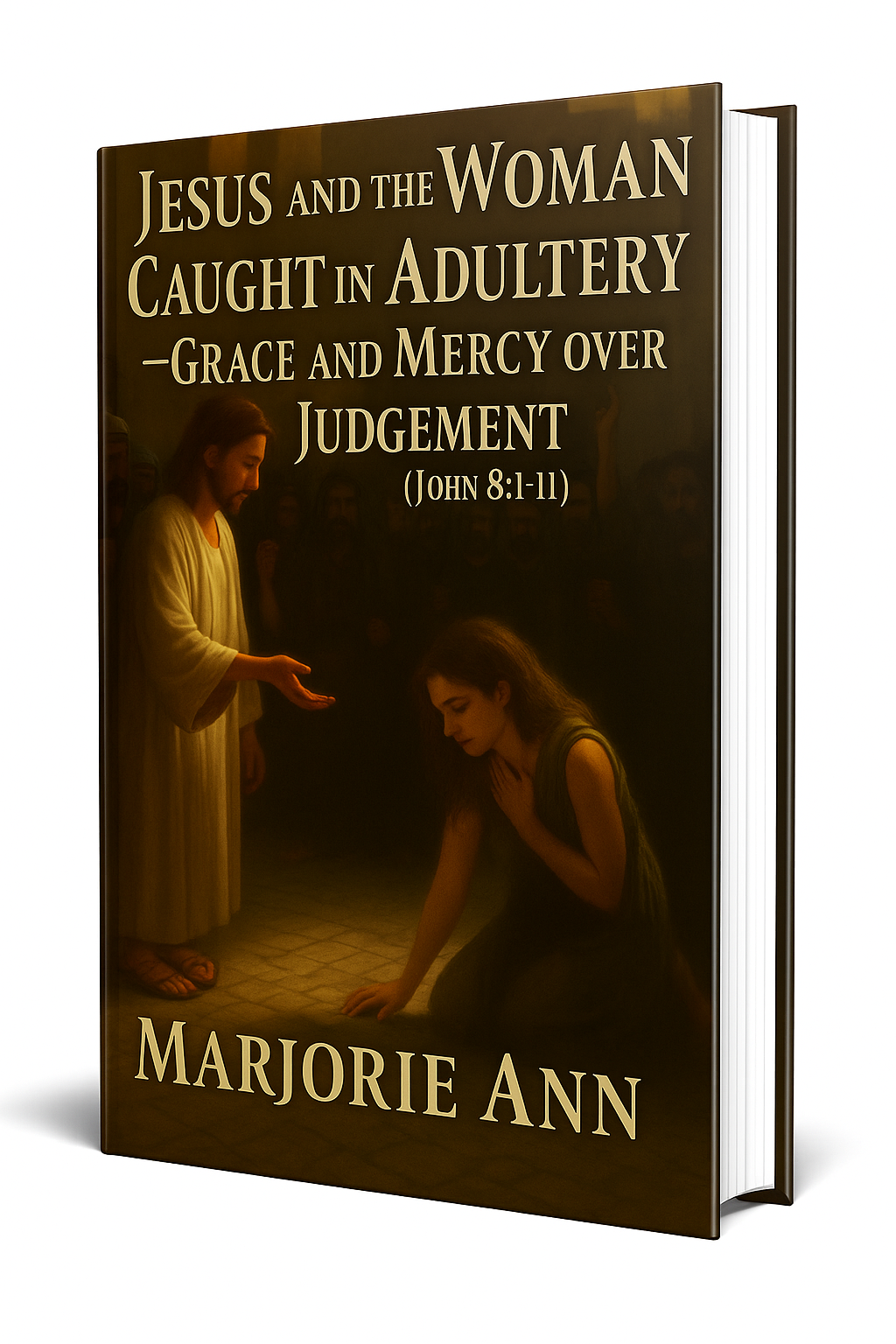
📘 Jesus and the Woman Caught in Adultery – Grace and Mercy Over Judgement
A powerful retelling of John 8:1-11. This book brings to life the depth of forgiveness, mercy, and God’s unwavering love.
👉 Check it now on Amazon 🛒💥

🔥 “Every great message deserves a home online.” 🌍💬🏡
Don’t let your calling stay hidden. Start a Christian blog or website using Hostinger — with 99.9% uptime, a free domain, and SSL, your voice can shine for God’s glory anytime, anywhere.
💥 Begin today. 🛒 Try it RISK-FREE! ✅

✝️ “Your body is God’s temple — care for it with purpose.” 💪💖🏛️
Renew your energy and restore balance naturally. Mitolyn helps support a healthy metabolism, giving you the vitality to live out God’s calling with strength and confidence.
🔥 Unlock Your Metabolic Power! ⚡Burn More Calories & Feel Great With Mitolyn. 💪
👉 Start Today. 🚀 Check Price Now. 🛒💰
💰 As a ClickBank & Amazon Affiliate, I earn from qualifying purchases.
📖 Acknowledgment: All Bible verses referenced in this article were accessed via Bible Gateway (or Bible Hub).
🚀 Want to explore more? 👉 Dive into our new post on Why Jesus? and experience the 🔥 life-changing truth of the Gospel!