


Is Hell Real According To Scripture? (Matthew 10:28)
Introduction
Have you ever wondered what Jesus really meant when He talked about the fate of the soul? Maybe you’ve heard Matthew 10:28 read aloud and felt a chill at the phrasing: “fear him who can destroy both soul and body in hell.” That line raises big questions — is hell real, what does “destroy” mean, and how should that shape your life and faith?
This matters because the way you understand heaven, judgment, and God’s justice affects how you live, worship, and love others. Whether you’re wrestling with fear, seeking clarity, or trying to care for someone frightened by religious language, looking at Scripture closely will give you a grounded, compassionate answer. Let’s walk through Matthew 10:28 and related passages together so you can see what the Bible actually teaches and how it applies to your life.

📖 The Bible Foundation
Bible Verse: Matthew 10:28 (NIV)
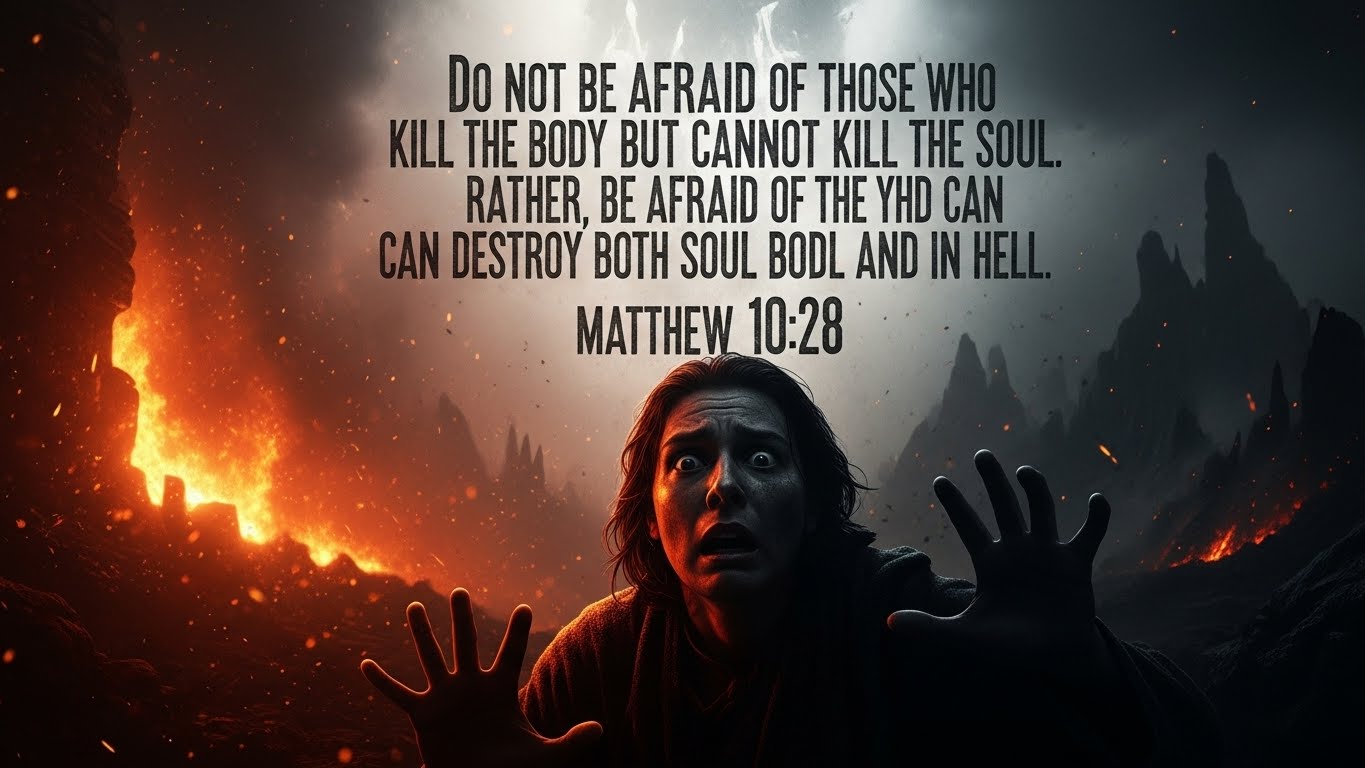
Full verse text: “Do not be afraid of those who kill the body but cannot kill the soul. Rather, be afraid of the One who can destroy both soul and body in hell.”

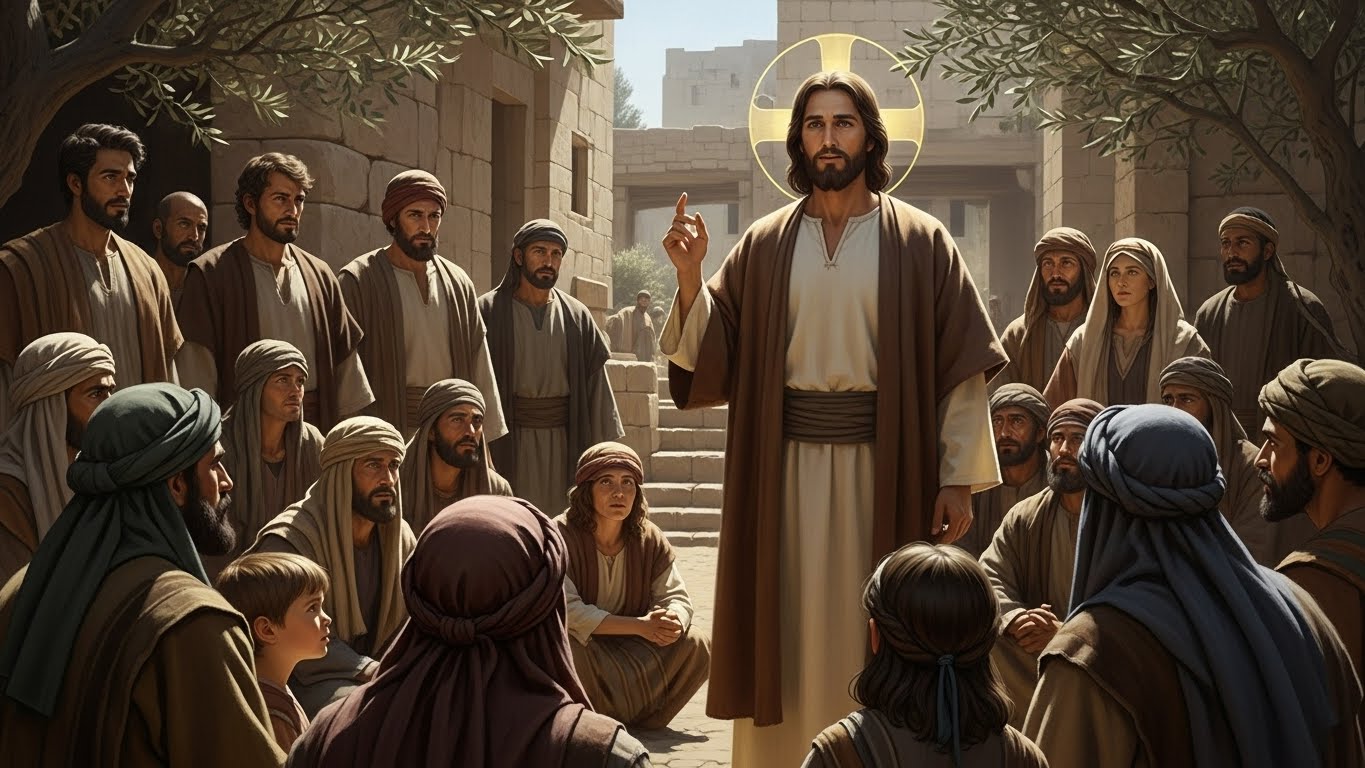
This verse comes from Jesus’ instructions to His disciples as He sends them out to minister in a hostile world. He contrasts two kinds of fear: fear of human opposition (people who can harm your body) and fear of God (the One who has eternal authority). The word translated “destroy” and the term “hell” carry heavy theological weight, so it’s worth examining what Jesus and the biblical authors meant by them.
Read the verse in context on Bible Gateway to see Jesus’ broader teaching about trust, persecution, and God’s providence. The immediate context shows Jesus telling you not to be terrified when facing rejection or even violence, because your life is ultimately in God’s hands.
🧠 Understanding the Core Truth
In simple terms, Matthew 10:28 teaches that ultimate accountability rests with God. You can be harmed physically by people, but what matters most is your standing before God. Jesus warns you to take seriously the reality of divine judgment — not to promote fear for its own sake, but to call you to reverent awe, faithful living, and dependence on God.
The core truth here is not just doom-and-gloom. It’s a pastoral reality: life on earth is temporary and fragile; eternity matters. Jesus uses stark language to wake you up to what is at stake. The point is to orient your priorities — love God, live wisely, and rely on His mercy and grace.
🌊 Going Deeper — The Hidden Meaning
When you dig into the language and background, two helpful things appear.
First, the word translated “hell” in Matthew is Gehenna (Greek: Geenna), a reference to the Valley of Hinnom just outside Jerusalem. That valley was associated in Old Testament history with idolatrous practices and judgment (see Jeremiah 7:31-32 and Jeremiah 19:2-6). Over time, Gehenna became a vivid symbol for God’s righteous judgment — a place of destruction and condemnation.
Second, “destroy” in this verse (Greek: apollymi) can mean ruin, loss, or destruction. Some read that as annihilation — total cessation — while others read it as ruin with ongoing conscious experience (eternal punishment). The broader biblical witness influences your interpretation: passages like Matthew 25:46 speak of “eternal punishment,” while other verses emphasize destruction and perishing. So the deeper lesson invites you to hold two tensions: God’s seriousness about sin and His desire for repentance and redemption.
A relatable example: imagine a parent warning a child about a dangerous cliff. The stark warning isn’t meant to scare the child for fun; it’s meant to prevent harm. Similarly, Jesus’ hard words aim to protect your soul by calling you to life in Him.

💡 Modern Connection — Relevance Today
How does an ancient warning about Gehenna apply to your modern life? In a world that often treats religion as optional entertainment or private preference, Matthew 10:28 challenges you to take God’s moral order and eternal consequences seriously. This matters in practical ways:
- When you decide what you value (status, money, comfort, or obedience), you’re making an eternal choice.
- When you speak truth or share the Gospel, understanding the stakes helps you be both compassionate and urgent.
- When you suffer for your faith or fear opposition, remembering God’s authority can bring peace and courage.
So this passage is not just about abstract doctrine — it shapes how you love, witness, and live with intentionality every day.
❤️ Practical Application — Living the Message
What can you do with this truth? Here are simple, doable steps you can start applying this week:
- Reorient priorities: Spend a few minutes each morning asking, “What choice today reflects a life oriented to eternity?” Let that guide small decisions.
- Practice reverent fear: Replace anxious, paralyzing fear with a healthy awe of God — speak honestly to God about fears and ask for courage to trust Him.
- Share with care: When you talk about judgment, do so with compassion and clarity. Remember people’s hearts are fragile; your words should point them to Jesus, not just to judgment.
- Live evidence-based faith: Let your life show repentance, love of neighbor, and devotion to Christ. Actions often preach louder than words.
These steps help you live the balance of urgency and grace that Jesus models.
🌿 Faith Reflection Box
Take a moment to pause. Ask yourself: “If eternity matters, what is one habit I need to change this month?” Reflect honestly, then write one small, measurable action you’ll take.
Key Takeaways
- God’s authority extends beyond physical life; eternal accountability matters.
- Jesus’ warning in Matthew 10:28 calls you to reverent awe, not to paralysis.
- Historical context (Gehenna) shapes the imagery and urgency of the message.
- Live with an eternity perspective: love well, speak truth gently, and trust God in hardship.
👉 Q&A
Q1: Is hell a literal place where people suffer forever?
Answer: Scripture uses strong imagery and different terms (Sheol, Hades, Gehenna) that developed over time. Matthew 25:46 speaks of “eternal punishment,” which many read as conscious, ongoing separation from God. Other passages describe destruction or perishing. The Bible affirms both the seriousness and the finality of judgment; whether you picture it as literal fire, relational separation, or another form of existence, the key is that sin has eternal consequences, and God offers a way of escape through Jesus (see John 3:16-18). Live in light of that rescue.
Related: Can Christians Go To Hell? (Hebrews 10:26-31, John 3:16-18)
Q2: Does Matthew 10:28 mean God “destroys” the soul so it ceases to exist (annihilationism)?
Answer: Some Christians read “destroy” as annihilation — that the wicked are ultimately extinguished. Others read the same word as ruin or loss without negating ongoing conscious existence (traditional eternal conscious punishment). You’ll find support for both views across Scripture. For instance, verses like 2 Thessalonians 1:9 describe “everlasting destruction,” while Revelation 14:11 depicts ongoing torment. The best posture is humble study, trusting Christ’s mercy, and focusing on the Gospel’s power to save rather than getting lost in debates. Pray and read Scripture, and let the Holy Spirit guide your convictions (see Hebrews 4:12).
Q3: How should you talk to someone afraid of hell?
Answer: Start with empathy and listening. A frightened person needs compassion more than doctrinal proof. Gently share the heart of the Gospel: God loves them, Christ died for sinners, and repentance brings a restored relationship (see Romans 5:8 and 1 John 4:18). Avoid harsh imagery alone; frame judgment as real but secondary to God’s redemptive purpose. Invite them into prayer, Scripture, and community where they can experience God’s grace. This pastoral, gospel-centered approach often calms fear and leads to genuine transformation.
See also: The One Who Can Destroy Both Soul and Body in Hell – Matthew 10:28
🙏 Conclusion & Reflection
Matthew 10:28 invites you into a sober, hopeful posture. It reminds you that earthly threats are not the ultimate threat; your relationship with God is. That truth is both a warning and a comfort: a warning because God cares about justice and holiness, a comfort because God’s mercy through Jesus gives you a way to be reconciled.
If you’re wrestling with fear, ask God for a healthy reverence and for the courage to live openly for Him. If you’re sharing these truths with others, do so with compassion and clarity, always pointing to Jesus as the way, truth, and life.
A short prayer you can use: Lord, help me to hold eternity in my heart today. Give me reverent awe of You, courage to live rightly, and compassion for those who fear. Draw us to Your mercy through Jesus. Amen.

More Inspiration Awaits — Read These Next
 For deeper insight into Isaiah 40:31 and how it renews your strength in both faith and daily life
For practical lessons on compassion and neighborliness from the Good Samaritan
For a clear explanation of what we can learn from the Parable of the Good Samaritan
For meaningful insights from the Parable of the Pearl and its hidden treasures
For a deeper look at the Rich Man and Lazarus and what it reveals about the afterlife
For guidance on the Parable of the Ten Virgins and preparing for God’s Kingdom
For clarity on the Parable of the Lamp and how it calls us to shine our light
For insights from the Parable of the Wedding Feast and the meaning behind the invited guests
 Jesus and the Woman Caught in Adultery – Grace and Mercy Over Judgement
A powerful retelling of John 8:1-11. This book brings to life the depth of forgiveness, mercy, and God’s unwavering love. Check it now on Amazon 


 “Every great message deserves a home online.”


Don’t let your calling stay hidden. Start a Christian blog or website using Hostinger — with 99.9% uptime, a free domain, and SSL, your voice can shine for God’s glory anytime, anywhere. Begin today. Try it RISK-FREE! 

 “Your body is God’s temple — care for it with purpose.”


Renew your energy and restore balance naturally. Mitolyn helps support a healthy metabolism, giving you the vitality to live out God’s calling with strength and confidence.
Unlock Your Metabolic Power!  Burn More Calories & Feel Great With Mitolyn.
Start Today.  Check Price Now.
As a ClickBank & Amazon Affiliate, I earn from qualifying purchases.
 Acknowledgment: All Bible verses referenced in this article were accessed via Bible Gateway (or Bible Hub).
Want to explore more? Dive into our new post on Why Jesus? and experience the life-changing truth of the Gospel!