

Is There Regret In Hell According To The Bible? (Luke 16:27–28, Matthew 13:42)

INTRODUCTION
This question matters because how you understand the afterlife shapes your choices, repentance, and hope today. When you wrestle with passages like Luke 16:27–28 and Matthew 13:42, you’re not only studying doctrine — you’re confronting how God’s justice, mercy, and purpose inform your life and obedience. Scripture calls you to live in light of eternity, trusting Christ’s work while trusting God’s righteous judgment.
Understanding whether there is regret in hell deeply impacts pastoral care, evangelism, and personal conviction. If you’re studying this for teaching, pastoral ministry, or personal assurance, this article will walk you through the biblical text, historical context, theological clarity, and practical application so you can respond with faith and compassion. For related teaching on eternity, see our article on /heaven-and-hell/eternal-destiny to help ground your study.

Is There Regret in Hell — SIMPLE BIBLICAL MEANING
In simple terms: the Bible presents a picture of final judgment in which the lost experience conscious awareness of their state and its consequences. Passages like Luke 16:19–31 portray a stark contrast between the comfort of the righteous and the torment of the unrighteous, and Matthew 13:42 speaks of a place of weeping and grinding of teeth. These images suggest awareness and responsiveness — grief, remorse, and inability to reverse the outcomes of life. The central point for you as a believer is that Christ’s death and resurrection provide the only rescue, so understanding the reality of judgment should drive you to faithful witness and holy living.
WHAT DOES THE BIBLE SAY ABOUT REGRET IN HELL?
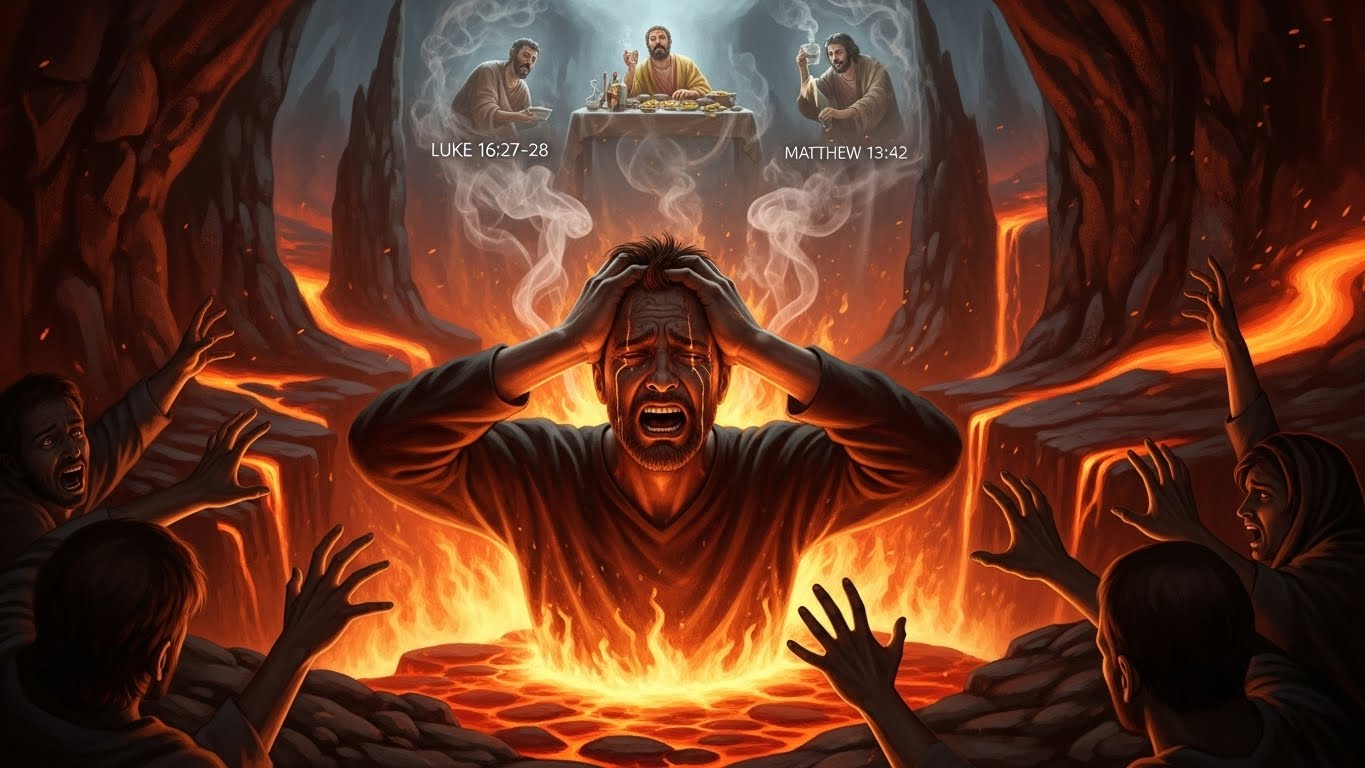
Directly: the Bible gives several passages that imply conscious regret, sorrow, or lament for the lost, but it presents those truths with pastoral and prophetic urgency rather than clinical description. In the parable of the rich man and Lazarus, the rich man speaks and pleads for mercy and for his family to be warned, showing awareness and a desire to change Luke 16:27–28. Jesus’ imagery in the Gospel, such as the outer darkness where there is “weeping and gnashing of teeth” Matthew 13:42, communicates deep sorrow and remorse. Other passages emphasize the reality and finality of judgment (Hebrews 9:27; Revelation 14:11) and the irrevocable consequences of rejecting God.
Taken together, Scripture affirms both the seriousness of judgment and God’s gracious call to repent now. The point for your faith is not morbid curiosity about postmortem emotions, but the sober reminder that God’s rescue in Christ is urgent and real.
📖 BIBLE FOUNDATION
Quoted verses (linked):
- “[And he said, ‘Then I beg you, father, send Lazarus to my family, for I have five brothers. Let him warn them, so that they will not also come to this place of torment.’]” — Luke 16:27–28
- “[And throw them into the blazing furnace, where there will be weeping and gnashing of teeth.]” — Matthew 13:42
Speaker
- In Luke 16, the speaker of the request is the rich man in Jesus’ parable; Jesus is the ultimate speaker as He tells the parable.
- In Matthew 13, Jesus is speaking to explain the kingdom through parables addressing the crowds and His disciples.
Audience
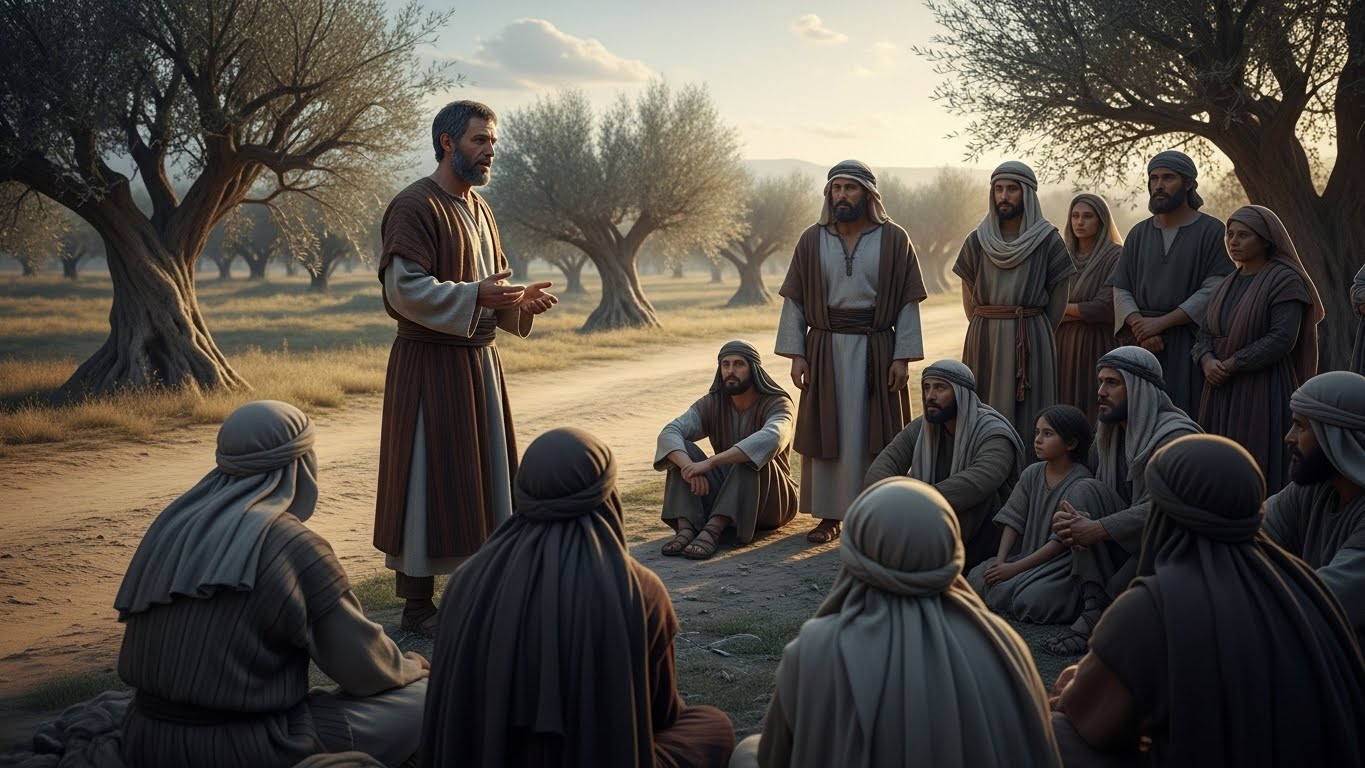
- Luke’s parable addresses a mixed audience of Pharisees, disciples, and common hearers, with a forensic edge aimed at self-righteous listeners (Luke 16:14).
- Matthew’s parable of the weeds addresses Jesus’ broader audience and instructs His disciples about the nature of final judgment (Matthew 13:36–43).
Historical and biblical context
- Jesus taught in a Jewish context where imagery of Sheol, Gehinnom (Valley of Hinnom), and divine retribution were familiar. He often used vivid images to warn and to call people to repentance, not to satisfy lurid curiosity.
- The parable in Luke confronts the complacent wealthy whose lives lacked justice and compassion; the depiction of torment highlights the moral consequences of an unrepentant heart.
- Matthew’s teaching on the final separation of the righteous and wicked fits within Jesus’ broader teaching on the kingdom and the final consummation of God’s reign.
UNDERSTANDING GOD’S PURPOSE, PROTECTION, AND PROMISE
Theologically the Bible frames judgment within God’s overarching purposes: holiness, justice, and the restoration of all things in Christ. God’s purpose is not vindictive cruelty but righteous order — sin has real consequences, and God will right all wrongs. At the same time, God offers protection and promise through Christ: He saves, redeems, and secures believers’ future (see John 3:16; 2 Corinthians 5:21).
Christ’s supremacy means that judgment is settled by His work and that mercy is offered in Him. You are called to trust the cross for forgiveness and to live in the light of God’s promise which rescues from final condemnation. The possibility of regret in hell is not a bargaining chip for fear-driven obedience; rather it’s a sober reminder that God’s grace is urgent and that faith in Christ brings protection from final judgment.
🌊 GOING DEEPER — BIBLICAL CONTEXT
Cross-references:
- Hebrews 9:27 — “It is appointed for man to die once, and after that comes judgment.”
- Luke 16:19–31 — The full parable gives the narrative setting for Luke 16:27–28.
- Matthew 25:31–46 — The final judgment teaching that contrasts the righteous and the condemned.
- Revelation 20:11–15 — The great white throne judgment showing finality and accountability.
Biblical narrative example
- Consider the parable of the rich man and Lazarus (Luke 16:19–31). The rich man’s plea for his brothers shows contrition and desire to change, but Abraham replies that the revelation they already have (the Scriptures and Moses) is sufficient. That shows theological continuity: judgment is real, repentance is required in this life, and appeals after death cannot undo the settled moral order.
Theological continuity
- Scripture consistently links earthly choices with eternal consequences. The prophets warned Israel; the gospels warn individuals; the epistles and Revelation warn the Church and the world. This continuity underscores responsibility and emphasizes the grace of God offered in Christ.
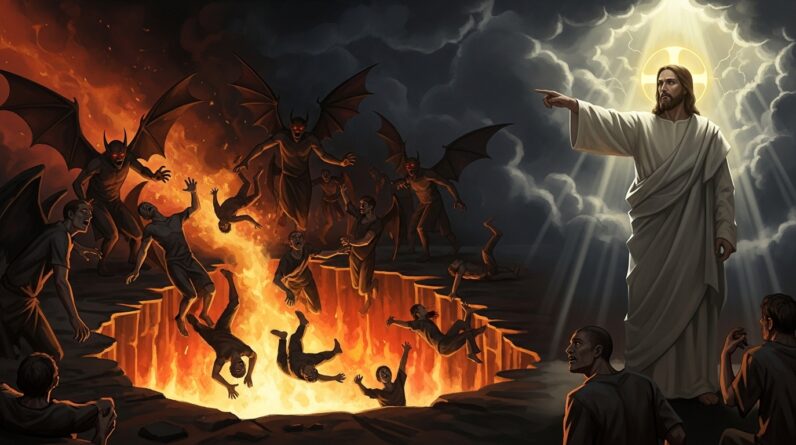
How Does The Bible Describe Hell? (Matthew 13:50, Luke 16:19-31)
DOES THIS TOPIC GUARANTEE PROTECTION, SUCCESS, OR FINANCIAL BLESSING?
No. The reality of regret in hell does not promise material protection, worldly success, or financial blessing. Biblical teaching resists prosperity-only readings. Jesus warns that following Him may bring hardship, persecution, and loss (Matthew 10:24–39), and He promises eternal reward based on faithfulness, not wealth. Scripture calls you to seek first God’s kingdom, not temporal gain (Matthew 6:19–21; 6:33).
Prosperity theology often misreads passages and sidelines the biblical emphasis on repentance, holiness, and sacrificial discipleship. The sobering images of judgment in Jesus’ teaching are meant to lead to repentance, not to sell a formula for earthly gain.
💡 MODERN CONNECTION — FAITH, ANXIETY, AND DAILY LIFE
When you worry about afterlife consequences, Scripture invites you to respond in three practical ways: repent where you know sin, trust Christ for forgiveness, and share the gospel with urgency and compassion. The biblical images of judgment should motivate sober humility rather than paralyzing fear. In daily decisions, let the reality of God’s judgment inform your priorities: love the poor, practice mercy, and live with an eternal perspective. This clarity turns anxiety about what may come into faithful action today.
If you feel called to create gospel resources — teaching, a church site, or digital discipleship tools — remember stewardship includes wisely choosing your platform.
🛠️ Faithful Stewardship Tip
For believers who want to build durable, faith-based websites or teach online, choosing a reliable hosting partner is a practical step in faithful stewardship; a stable host like Hostinger can help you create and share resources that honor God’s call to disciple others.

ANGELS / PROMISE / DOCTRINE AND GOD’S PROTECTION
Scripture points your trust to God’s authority rather than to spiritual signs or speculative teachings about angels and afterlife mechanics. While angels serve God’s purposes (see Hebrews 1:14), your confidence is in Christ’s finished work and God’s promises, not in visions or secret knowledge. God protects His people through providence, sanctification, and ultimately resurrection life (1 Thessalonians 4:13–18). Trusting God means obeying His Word and resting in His sovereign care, rather than seeking reassurance from sensational claims.
❤️ PRACTICAL APPLICATION
- Confess known sin and trust in Christ’s forgiveness daily; don’t presume postmortem bargaining will reverse a hardened heart (1 John 1:9).
- Share the gospel with urgency and compassion, telling others about Christ’s rescue rather than relying on fear tactics (Romans 10:14–15).
- Practice tangible mercy to the poor and marginalized; Jesus links final judgment to how you treated “the least of these” (Matthew 25:31–46).
- Teach with care: use Jesus’ images to call for repentance and faith, not to sensationalize or frighten people into temporary conformity (Luke 16:19–31).
- Anchor your hope in Christ’s promises and live with kingdom priorities today (Colossians 3:1–4).
🪞 FAITH REFLECTION BOX
Take a moment to look inward: where have you let fear of judgment replace gratitude for grace? Ask God to show you any area of hardened heart, and commit to trusting Christ for forgiveness and transformation, praying for boldness to share that same hope with others.
A PRACTICAL TAKEAWAY
- The Bible presents conscious awareness and sorrow for those who are judged apart from Christ.
- Jesus’ parables use vivid imagery to urge repentance now rather than describe every detail of the afterlife.
- God’s purpose is righteous justice and merciful rescue in Christ.
- Your protection from final judgment is found only in faith in Jesus, not in works or regret after death.
- Live urgently and lovingly: repentance, mercy, and gospel witness are practical responses to these truths.
❓ Q&A — BIBLE ANSWERS EXPLAINED
Q1 — Do Christians believe regret in hell proves God is unloving?
A1 — No. God’s justice does not negate His love; Scripture shows God is both merciful and just. Jesus bore judgment in our place (see 2 Corinthians 5:21) so that those who trust Him are spared condemnation. God’s love is decisive in Christ’s atoning work, which offers escape from final judgment (John 3:16–18).
Q2 — How should anxiety about hell affect my daily choices?
A2 — Use it to motivate repentance, compassion, and evangelism rather than fear-driven paralysis. Scripture calls for holiness, mercy, and bold witness (Matthew 28:18–20); trust God’s promises and obey Him in love.
Q3 — Is the idea of regret in hell just inspired fearmongering?
A3 — No. Jesus’ warnings aim to awaken hearts to repentance, not to exploit fear. The gospel consistently pairs warning with hope (see Luke 13:1–5). Properly understood, warnings lead people to Christ’s saving embrace.
CONCLUSION & PRAYER
The Bible presents judgment as real and consequential, with images that imply awareness and sorrow for those who reject God. Yet the message remains gospel-centered: Christ offers forgiveness, rescue, and a restored relationship with God. Your response should be repentance, faith, and compassionate witness, trusting in the cross that secures your eternity.
Heavenly Father, grant us sober hearts that respond to Your truth with repentance and faith. Help us to trust Christ wholly, to serve others in love, and to proclaim Your mercy with boldness. Keep us faithful, humble, and hopeful as we live for Your glory. Amen.
📖 RELATED BIBLE TEACHINGS
-
What Does The Bible Say About Life After Death? (John 11:25–26)
-
What Is Eternal Life And How Is It Related To Salvation? (John 17:3, Romans 6:23)