


The Good Samaritan: Lessons In Compassion And Neighborliness (Luke 10:25-37 – The Parable Of The Good Samaritan)

Introduction
Have you ever been asked a question that felt simple but made you stop in your tracks? That’s how the lawyer’s question to Jesus works in Luke 10:25-37: “Who is my neighbor?” At first, it sounds like a straightforward query about geography or identity. But as Jesus answers, the question grows into a life-changing lesson on compassion, boundaries, and what it looks like to love effectively.
This parable matters because it strips religion down to practice. It doesn’t let you hide behind rules or labels; it asks whether you will be present, sacrificial, and generous when a real human need shows up. You’ll find that the Good Samaritan is not an abstract ideal — he’s a pattern you can follow today, wherever you live, work, or worship.

Summary of the Parable
The parable of the Good Samaritan, found in Luke 10:25-37, is a well-known story that teaches important lessons about compassion and neighborliness. It tells the story of a man who was beaten and left for dead on the side of the road. Several individuals passed by without offering assistance, but it was a Samaritan, someone from a despised group, who stopped to help the injured man. Through this parable, Jesus teaches us about the meaning of compassion, the importance of embracing our call to neighborliness, the need to overcome prejudice and stereotypes, the power of sacrificial love and actions, the impact of small acts, the significance of empathy, the value of taking responsibility for others, and the importance of breaking boundaries and building bridges.
📖 The Bible Foundation
Read the full passage here: Luke 10:25-37 (NIV)
Luke 10:25-37 (NIV)
25 On one occasion an expert in the law stood up to test Jesus. “Teacher,” he asked, “what must I do to inherit eternal life?”
26 “What is written in the Law?” he replied. “How do you read it?”
27 He answered: “‘Love the Lord your God with all your heart and with all your soul and with all your strength and with all your mind’; and, ‘Love your neighbor as yourself.'”
28 “You have answered correctly,” Jesus replied. “Do this and you will live.”
29 But he wanted to justify himself, so he asked Jesus, “And who is my neighbor?”
30 In reply Jesus said: “A man was going down from Jerusalem to Jericho, and he fell into the hands of robbers. They stripped him of his clothes, beat him and went away, leaving him half dead.
31 A priest happened to be going down the same road, and when he saw the man, he passed by on the other side.
32 So too, a Levite, when he came to the place and saw him, passed by on the other side.
33 But a Samaritan, as he traveled, came where the man was; and when he saw him, he took pity on him.
34 He went to him and bandaged his wounds, pouring on oil and wine. Then he put the man on his own donkey, brought him to an inn and took care of him.
35 The next day he took out two denarii and gave them to the innkeeper. ‘Look after him,’ he said, ‘and when I return, I will reimburse you for any extra expense.’
36 “Which of these three do you think was a neighbor to the man who fell into the hands of robbers?”
37 The expert in the law replied, “The one who had mercy on him.” Jesus told him, “Go and do likewise.”

Plain explanation: Jesus tells this story to flip the expectation of who qualifies as a neighbor. The priest and Levite represent religious insiders who, for reasons of ritual purity or self-preservation, walk by. The Samaritan, a social outsider despised by Jews of Jesus’ day, becomes the model of mercy — he sees, feels compassion, intervenes practically, invests time and money, and entrusts the victim to continued care. Jesus ends with a direct command: “Go and do likewise.” That means your faith moves beyond belief into action.
🧠 Understanding the Core Truth
At the heart of this parable is a simple but profound truth: being a neighbor is about compassionate action, not identity or proximity. The story teaches that moral obligation is rooted in mercy, not in social boundaries or religious credentials. You can know doctrine and recite laws, but if your faith doesn’t lead to mercy, it misses the point.
Jesus reframes the question from “Who counts as my neighbor?” to “Who will you be a neighbor to?” This shift asks you to stop classifying people and start embodying practical love. The core truth is relational and active: love God, love others — and let love be visible through acts that restore dignity and life.
🌊 Going Deeper — The Hidden Meaning
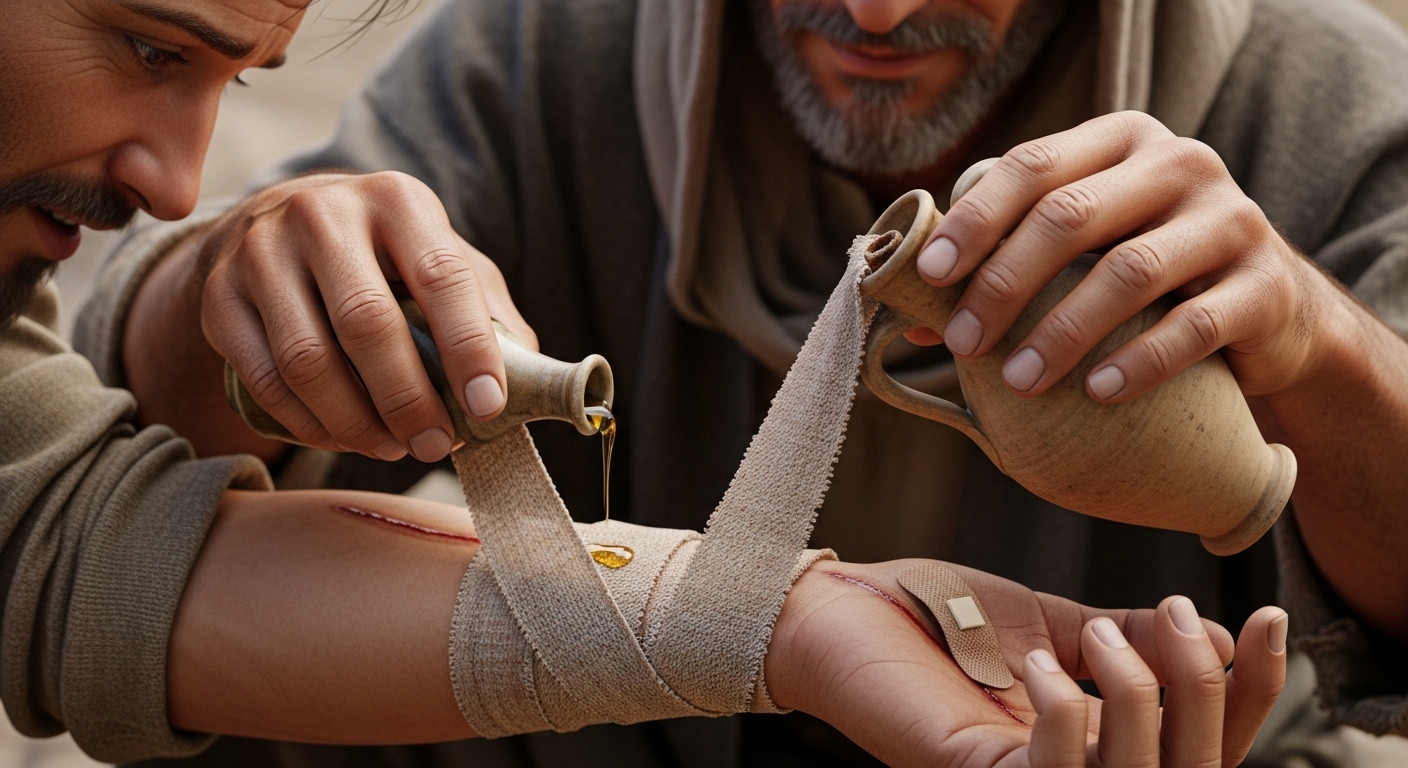
Beneath the obvious teaching lies a challenge to your heart: where are you unwilling to cross boundaries? The Samaritan’s actions confront deep prejudices. In Jesus’ culture, Samaritans and Jews avoided each other. That the Samaritan becomes the hero shows Jesus values cross-cultural mercy and expects you to do the same.
Spiritually, the parable points to God’s unexpected ways of working through those you might reject. It also exposes excuses that look religious but ignore human suffering. The priest and Levite may have feared ritual impurity, legal repercussions, or wasted time. The Samaritan risked safety and expense. The deeper lesson is that true love is costly and willing to be inconvenienced.
Relate this to a personal example: maybe you’ve hesitated to help someone because they’re from a different background, or because it might complicate your schedule. The parable asks: Will you let your faith make you brave enough to care anyway? Genuine compassion often means stepping out of comfort and into costly kindness.
Related Post: What Can We Learn From The Parable Of The Good Samaritan?
Lesson 1: Understanding Compassion
Compassion Defined
Compassion is the act of showing kindness, empathy, and concern for the suffering or misfortune of others. It is a virtue that involves feeling moved by the pain and needs of others and taking action to alleviate their suffering. The parable of the Good Samaritan exemplifies true compassion through the Samaritan’s willingness to help a stranger in need, regardless of their differences.
The Priest and the Levite’s Lack of Compassion
In the parable, both the priest and the Levite, who were members of the religious elite, passed by the injured man without stopping to help. Despite their religious positions, they lacked compassion and failed to fulfill their duty to care for their neighbor. Their actions serve as a reminder that even those in positions of authority or influence can neglect compassion if they allow selfishness or judgments to cloud their perception.
The Samaritan’s Compassionate Response
In contrast to the priest and the Levite, the Samaritan demonstrated true compassion in his response to the wounded man. Despite the historical animosity between Jews and Samaritans, the Samaritan set aside his differences and showed mercy and kindness to a stranger. He bandaged the man’s wounds, brought him to safety, and ensured he received proper care. The Samaritan’s compassionate actions remind us that true compassion knows no boundaries and can bridge divides.

Lesson 2: Embracing the Call to Neighborliness
The Lawyer’s Question
At the beginning of the parable, a lawyer asked Jesus, “Who is my neighbor?” This question was meant to test Jesus, but it provided an opportunity for Him to teach an important lesson about neighborliness. The lawyer sought to limit the definition of neighbor, but Jesus expanded it to include anyone in need, regardless of their social standing or background.
The Widened Definition of Neighbor
Jesus used the parable to challenge the lawyer’s understanding of who qualifies as a neighbor. He emphasized that our responsibility to show compassion extends beyond our friends, family, and those we find favorable. Instead, it encompasses all people, especially those who are marginalized or in need. Jesus teaches that true neighborliness transcends societal boundaries and embraces everyone as potential neighbors.
The Samaritan as the Model Neighbor
The Samaritan in the parable serves as the model neighbor, demonstrating compassion, generosity, and selflessness. He exemplifies the ideal response to the call for neighborliness by going out of his way to help someone in need, despite the cultural and historical divides between Samaritans and Jews. The Samaritan’s actions remind us that we should strive to be good neighbors to everyone, regardless of our differences.
Lesson 3: Overcoming Prejudice and Stereotypes
The Samaritans and the Jews
The parable highlights the deep-seated prejudice and animosity between Samaritans and Jews during that time period. The Samaritans were considered outcasts and were generally despised by the Jews. By choosing a Samaritan as the hero of the story, Jesus challenged the people’s prejudices and called for them to look beyond stereotypes and ingrained biases.
The Unexpected Hero
The surprising hero of the parable further emphasizes the message of overcoming prejudice. By choosing a Samaritan to display compassion and kindness, Jesus shattered preconceived notions and expectations. He encouraged his listeners to see the Samaritan as an individual deserving of empathy and understanding, rather than allowing divisive labels to cloud their judgment.
Challenging Our Biases
The parable of the Good Samaritan challenges us to examine our own biases and prejudices. It prompts us to question the assumptions we may hold about certain groups of people and reminds us that compassion should not be limited by our preconceived ideas. We are called to see the humanity in others, regardless of their background, and treat them with the same love and kindness we would want for ourselves.
Lesson 4: Sacrificial Love and Actions
The Samaritan’s Sacrifices
The Samaritan in the parable did not merely offer a few kind words or a small token of assistance. He went above and beyond by sacrificing his time, resources, and comfort to care for the injured man. He selflessly bandaged the man’s wounds, brought him to an inn, and paid for his accommodation and ongoing care. The Samaritan’s actions demonstrate the profound depth of sacrificial love and highlight the importance of putting love into action.
Putting Love into Action
The parable challenges us to move beyond empty words and shallow gestures and encourages us to put our love into action. It reminds us that compassion is not passive but requires active involvement in the lives of others. To truly love our neighbor, we must be willing to sacrifice our own time, resources, and comfort for their well-being. The Samaritan’s example teaches us to embrace opportunities to show sacrificial love and make a real difference in the lives of those around us.
Going Above and Beyond
The message of the parable extends beyond basic acts of kindness. It invites us to go above and beyond what is expected or convenient. The Samaritan’s actions demonstrate the transformative power of generosity and selflessness. They challenge us to reflect on how we can go the extra mile to serve others, especially in situations where it may be uncomfortable or inconvenient for us. Through acts of selflessness, we can truly embody the love and compassion that Jesus taught.
Lesson 5: The Power of Small Acts
The Samaritan’s Simple Gestures
While the Samaritan’s overall actions were significant, it is important to note the small acts of kindness and care he showed along the way. Beyond bandaging the man’s wounds and providing for his immediate needs, the Samaritan demonstrated simple gestures of compassion, such as pouring oil and wine on the wounds and gently lifting the injured man onto his own animal. These small acts had a profound impact on the wounded man’s well-being.
Impact of Small Acts of Kindness
The parable reminds us of the power of small acts of kindness. Even seemingly insignificant gestures can bring comfort, healing, and hope to those in need. It is not always the grand gestures that make a lasting impact but the consistent and genuine acts of compassion that we demonstrate in our daily lives. Small acts of kindness can have a ripple effect, inspiring others to follow suit and fostering a culture of compassion and care.
Making a Difference
The parable encourages us to recognize that we have the ability to make a difference in the world through our small acts of kindness. Each small act of compassion can contribute to creating a more loving and supportive community. By being attentive to the needs of those around us and responding with love and care, we can bring about positive change in our immediate environment and beyond.
Lesson 6: Importance of Empathy
The Samaritan’s Empathy towards the Victim
One of the key characteristics the Samaritan displayed in the parable was empathy. He put himself in the wounded man’s shoes, imagining the pain and suffering he must have been experiencing. This empathy fueled his compassionate response and guided his actions towards providing the necessary care for the injured man.
Understanding Others’ Suffering
The parable teaches us the importance of developing empathy towards others. When we take the time to understand and feel the emotions and pain of those around us, we are better able to respond with compassion and kindness. Developing empathy allows us to see people as individuals with unique experiences, struggles, and needs. It encourages us to approach others with understanding, patience, and a genuine desire to help alleviate their suffering.
Developing Empathy Skills
Empathy is a skill that can be cultivated and strengthened. To develop empathy, we can actively engage in practices such as active listening, perspective-taking, and self-reflection. By listening attentively to others, seeking to understand their perspective, and reflecting on our own experiences and emotions, we can enhance our ability to empathize. It is through empathetic understanding that we can truly connect with others and demonstrate true compassion.
Lesson 7: Taking Responsibility for Others
The Samaritan’s Sense of Responsibility
The actions of the Samaritan in the parable reflect a strong sense of responsibility towards the injured man. He did not merely pass by and feel pity for the man’s situation; instead, he took personal responsibility for his care and well-being. The Samaritan recognized that he had the ability and obligation to make a difference in the man’s life.
Being Proactive in Helping Others
The parable calls us to be proactive in our efforts to help others. It challenges us to take personal responsibility for the well-being of those around us rather than waiting for someone else to step in. We must be willing to initiate acts of kindness, inquire about the needs of others, and take intentional action to address those needs. By being proactive, we can create a culture of caring and support within our communities.
Creating a Caring Community
The parable of the Good Samaritan invites us to foster a sense of community where everyone takes responsibility for the well-being of others. When individuals within a community actively look out for one another, offer support, and demonstrate compassion, a caring community is formed. By cultivating a culture of personal responsibility and collective care, we can create environments where people feel safe, supported, and valued.
Lesson 8: Breaking Boundaries and Building Bridges
The Samaritans’ Willingness to Help Despite Differences
The parable emphasizes the Samaritans’ willingness to help despite the deep-seated animosity and historical tensions between Samaritans and Jews. Despite the cultural, social, and religious barriers that existed at the time, the Samaritan chose to see the injured man as a fellow human being in need and extended the hand of compassion and care.
Building Relationships with Others
The parable challenges us to break down barriers and build bridges with those who are different from us. It reminds us that compassion should not be limited to those who share the same background, beliefs, or values. Instead, we are called to extend kindness and understanding to all individuals, regardless of our differences. Building relationships with others allows us to learn from one another, challenge our own perspectives, and foster unity and harmony.
Promoting Unity
The parable of the Good Samaritan promotes unity by challenging divisive attitudes and encouraging a mindset of inclusivity. It highlights the importance of recognizing our shared humanity and the inherent worth of all individuals. Rather than focusing on our differences, the parable calls for us to find common ground and work together to create a more harmonious and compassionate society.
Lesson 9: Applying the Lessons in Today’s World❤️

Relevance of the Parable in Modern Society
The lessons from the parable of the Good Samaritan remain relevant in today’s world. In an increasingly interconnected and diverse society, it is crucial to embrace compassion, empathy, and neighborliness. The parable serves as a reminder that we are connected as part of a larger community, and our actions towards others have a profound impact.
Practical Ways to Live Out Compassion
To live out the lessons of the parable, we can engage in practical acts of compassion in our daily lives. This may include volunteering at local organizations, reaching out to someone in need, performing random acts of kindness, or advocating for social justice. By taking intentional steps to demonstrate compassion, we can contribute to a more compassionate and caring society.
Challenges and Opportunities in Our Neighborliness
Living out the lessons of the parable may come with challenges and opportunities. We may encounter resistance or indifference from others, but there are also opportunities to inspire and impact lives through our compassionate actions. It may require stepping out of our comfort zones, addressing our own biases, and overcoming societal barriers. Through perseverance, resilience, and a genuine heart for others, we can navigate these challenges and seize the opportunities to make a positive difference in the lives of those around us.
In conclusion, the parable of the Good Samaritan contains valuable lessons in compassion and neighborliness. It teaches us to embrace a broad definition of neighbor, overcome prejudice and stereotypes, demonstrate sacrificial love and actions, recognize the power of small acts, develop empathy, take responsibility for others, break boundaries and build bridges, and apply these lessons in our modern world. By internalizing and living out these lessons, we can contribute to a more compassionate and inclusive society where everyone is treated with kindness, dignity, and respect.
🌿 Faith Reflection Box
Pause for a moment and ask yourself: Who is the wounded person on my road right now — the one my habits make me walk past? How will you choose to cross the road today?
Key Takeaways:
- Being a neighbor is about action, not status. Mercy defines true religion.
- Compassion often requires personal cost; faith without sacrifice is incomplete.
- Notice suffering, move toward it, and offer practical, sustainable help.
- Cross-cultural and social boundaries — love often looks unexpected.
- Small, consistent acts of mercy change lives and reveal God’s heart.
Related Post: The Hidden Treasures: Lessons From The Parable Of The Pearl (Matthew 13:45-46 – The Parable Of The Pearl)
👉 Q&A
Q1: Why did the priest and Levite pass by the wounded man?
Answer: The priest and Levite likely avoided the man because of ritual purity concerns, fear, or social convenience — reasons that made them prioritize rules over mercy. Jesus shows that religious observance without compassion is empty. Your faith should lead you to prioritize people over perfect performance. See Jesus’ point in Luke 10:25-37 (NIV) for the full story.
Q2: How does the Good Samaritan relate to loving your enemies?
Answer: The Samaritan loved someone who, by social standards, should have been an enemy or at least an outsider. Jesus’ teaching pushes you to cross entrenched divisions and show mercy to those you’d naturally avoid. Loving enemies isn’t sentimental; it’s practical care that reflects God’s unconditional love. For a related passage, consider Matthew 5:44 (NIV).
Q3: Is the parable telling you to give money to everyone who asks?
Answer: The parable calls you to wise, compassionate action, not reckless generosity. The Samaritan provided immediate care and ensured ongoing support; he invested responsibly. Discernment matters — sometimes help means connecting people to services or offering time instead of cash. For guidance on responding wisely to compassion needs, see this helpful resource: https://biblestorieshub.com/how-to-pray-for-peace-when-your-mind-feels-overwhelmed/ and reflect on Proverbs 3:27 (NIV).
Q4: What does “Go and do likewise” mean for you right now?
Answer: “Go and do likewise” is a direct command to embody mercy. Practically, that means being ready to act when you see need, choosing compassion over comfort, and making small, repeatable habits of neighborliness. It also means letting mercy reshape your priorities, so your faith is visible in everyday choices. See Micah 6:8 (NIV) for a complementary call to act justly and love mercy.
Q5: How can a church teach Good Samaritan lessons effectively?
Answer: Churches can model neighborliness by creating outreach programs, partnering with community organizations, training members in practical compassion, and celebrating stories of mercy. Teaching should move from doctrine to practice: hands-on opportunities, hospitality, and structured support systems help members live out the parable. For scriptural grounding, consider James 2:14-17 (NIV), which emphasizes faith demonstrated by works.
🙏 Conclusion & Reflection
The parable of the Good Samaritan calls you to more than sympathy — it calls you to sacrificial, practical love. Jesus insists that neighborliness isn’t a category reserved for those you like; it’s a vocation you accept. When you choose to cross the road and invest in another person’s healing, you reflect the heart of God.
A short prayer you can say now: Lord, open my eyes to the wounded on the roadside. Give me the courage to move toward them, the wisdom to help well, and a heart that loves without counting the cost. Teach me to “go and do likewise,” every day. Amen.

Explore More
For further reading and encouragement, check out these posts:
👉 7 Bible Verses About Faith in Hard Times
👉 Job’s Faith: What We Can Learn From His Trials
👉 How To Trust God When Everything Falls Apart
👉 Why God Allows Suffering – A Biblical Perspective
👉 Faith Over Fear: How To Stand Strong In Uncertain Seasons
👉 How To Encourage Someone Struggling With Their Faith
👉 5 Prayers for Strength When You’re Feeling Weak

📘 Jesus and the Woman Caught in Adultery – Grace and Mercy Over Judgement
A powerful retelling of John 8:1-11. This book brings to life the depth of forgiveness, mercy, and God’s unwavering love.
👉 Check it now on Amazon 🛒💥

🔥 “Every great message deserves a home online.” 🌍💬🏡
Don’t let your calling stay hidden. Start a Christian blog or website using Hostinger — with 99.9% uptime, a free domain, and SSL, your voice can shine for God’s glory anytime, anywhere.
💥 Begin today. 🛒 Try it RISK-FREE! ✅

✝️ “Your body is God’s temple — care for it with purpose.” 💪💖🏛️
Renew your energy and restore balance naturally. Mitolyn helps support a healthy metabolism, giving you the vitality to live out God’s calling with strength and confidence.
🔥 Unlock Your Metabolic Power! ⚡Burn More Calories & Feel Great With Mitolyn. 💪
👉 Start Today. 🚀 Check Price Now. 🛒💰
💰 As a ClickBank & Amazon Affiliate, I earn from qualifying purchases.
📖 Acknowledgment: All Bible verses referenced in this article were accessed via Bible Gateway (or Bible Hub).
🚀 Want to explore more? 👉 Dive into our new post on Why Jesus? and experience the 🔥 life-changing truth of the Gospel!