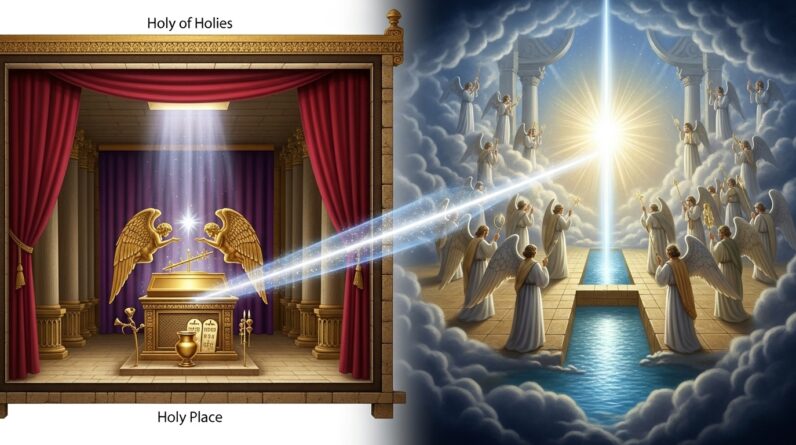



Are There Different Levels Of Heaven And Hell?

INTRODUCTION
You’ve probably heard phrases like “many mansions,” “third heaven,” or “different levels of punishment,” and wondered how those fit together in the Bible. This question matters because how you understand heaven, hell, and eternal destiny shapes worship, mission, holiness, and the urgency with which you share the gospel. The Bible speaks to hope and warning: it offers the protection of a promise in Christ and the clarity that comes from God’s revealed purpose. Your understanding affects how you comfort grieving people, counsel the confused, and live faithfully in daily decisions.
As you read, remember the centrality of Christ: Scripture calls you to trust Jesus as the one who reconciles you to the Father and secures your place in the eternal order (John 14:2; Hebrews 12:22-24). If you want a deeper study later, see our article on What Does The Bible Say About The New Heaven And New Earth? (Revelation 21:1–5, Isaiah 65:17)
Are There Different Levels Of Heaven And Hell? — SIMPLE BIBLICAL MEANING
In simple terms, the Bible does not lay out a neat, hierarchical “tier system” the way modern imagination sometimes suggests. Instead, Scripture emphasizes two basic realities: the gracious presence of God for those united to Christ, and final judgment separated from God for those who reject Him. Within those realities, the Bible uses different images and phrases—rooms in a house, the Father’s house, the heavenly realms, the third heaven, different outcomes at the final judgment—to describe quality, relationship, and consequence. The core message is relational and redemptive: eternal life with God through Christ, or exclusion from God’s new creation.
This means you should focus on Christ’s work, the promise of resurrection, and the reality of final accountability. The biblical nuances—such as rewards, degrees of glory, and different expressions of condemnation—call you to faithful living, not to fearful speculation. Christ remains the center: He brings you into God’s presence, and He is the measure of hope and warning in all Scripture (1 Corinthians 15:20-22; Romans 6:23).
WHAT DOES THE BIBLE SAY ABOUT DIFFERENT LEVELS OF HEAVEN AND HELL?
The Bible affirms that there are realities described as heaven(s) and a final judgment that leads to life or death, blessing or punishment. It speaks of “heaven” in multiple senses—the sky, the dwelling place of God, “the third heaven” as Paul mentions, and the new heaven to come. It also speaks of “Gehenna,” the lake of fire, and “the second death” when discussing final judgment. Some passages suggest differences in experience or reward—like degrees of glory or varying consequences—but the Bible’s primary concern is relationship with God through Christ, not building a precise bureaucratic map of afterlife levels.
Scripture clearly warns of real, everlasting consequences for rejecting God (Matthew 25:31-46; Revelation 20:11-15). At the same time, it promises a glorious future with God for those who trust Christ (John 14:2; Revelation 21:1-4). Any talk of “levels” should be rooted in these clear scriptural anchors.
📖 BIBLE FOUNDATION
Quoted verse(s): Jesus said, “In my Father’s house are many rooms; if it were not so, I would have told you. I am going there to prepare a place for you” (John 14:2).
Speaker: Jesus Christ. Audience: His disciples, speaking to them on the night before His crucifixion as recorded in the Gospel of John.
Historical and biblical context: John 14 is part of Jesus’ farewell discourse (John 13–17), where He prepares the disciples for His departure, promises the Holy Spirit, and assures them of continued fellowship through Himself. The “Father’s house” imagery comforts disciples facing abandonment and persecution, focusing on relational security rather than architectural detail. The “many rooms” phrase has often been read as implying degrees of dwelling or reward; historically, Christian commentary has understood it as both assurance of many welcomed into God’s household and as a metaphor for the richness of eternal life in relationship with Jesus.
Another foundational text speaks of different kinds of glory: Paul writes that there are “different kinds of splendor” in heaven and on earth and that the resurrected body will be adapted to its glory—“there are celestial bodies and there are terrestrial bodies” (1 Corinthians 15:40-42). Paul also mentions a visionary experience of being caught up to the “third heaven” (2 Corinthians 12:2-4), which shows biblical language can refer to layers in how people speak of heavenly reality, but the text does not provide a full topographical chart.

UNDERSTANDING GOD’S PURPOSE, PROTECTION, AND PROMISE
Theologically, the Bible points you to God’s sovereign purpose: to redeem a people for Himself through Christ and to restore creation. Heaven and the new creation are not primarily about spatial levels; they are about restored fellowship with the triune God. God’s protection is found in the promise of Jesus—He secures eternal life for those who believe, frees you from final condemnation, and offers present comfort through the Spirit (Romans 8:1; John 14:2).
Christ’s supremacy matters for how you read passages about reward and punishment. Jesus is the judge who separates “sheep and goats” on the basis of faith and works as fruit of faith (Matthew 25:31-46). The “levels” language in Scripture often communicates realities like honor, responsibility, reward, or loss, rather than implying a mechanical stair-step cosmos. Trust over fear: Scripture calls you to trust in Christ’s justice and mercy, not to fixate on speculative hierarchies or sensationalized pictures.
🌊 GOING DEEPER — BIBLICAL CONTEXT
The Bible uses multiple images for heaven and final judgment. Cross-references help you see the theological continuity. For instance, Jesus’ warning about hell uses stark images—Gehenna, where “the fire is not quenched” (Mark 9:43-48)—while apocalyptic literature describes final judgment as a solemn accounting before God’s throne (Revelation 20:11-15). Paul speaks of a “man” caught up to the third heaven, indicating early Christian language for levels of heaven (2 Corinthians 12:2-4), and he also describes degrees of glory in resurrection bodies (1 Corinthians 15:40-42).
A biblical narrative example that illuminates the heart of the matter is the story of the rich man and Lazarus in Luke 16:19-31. Jesus uses that parable to teach about reversal, justice, and fixed consequences after death. It emphasizes compassion, the weight of how you live, and the sufficiency of God’s revelation—not an invitation to map out tiers. That narrative shows continuity between Jesus’ teaching, prophetic warning, and the apostolic witness about how God ultimately deals with sinners and saints.
See more on judgment and mercy in our article on Salvation and Eternal Life: 👉 Who Will Go To Heaven? (Matthew 7:21–23, John 14:6) and 👉 Can Christians Go To Hell?
💡 MODERN CONNECTION — FAITH, ANXIETY, AND DAILY LIFE
In modern life you may feel anxious about eternal outcomes. Scripture gives clarity: the basis for your eternal standing is not speculative knowledge about levels but trust in Christ’s atoning work and ongoing faithfulness. When you face fear about the afterlife, remember Jesus’ invitation to rest in Him and the Spirit’s assurance that you are God’s child if you have put your faith in Christ (Romans 8:16). Practically, you can channel anxiety into worship, evangelism, and acts of mercy—because God cares about both your present life and eternal destiny.
For decision-making, prioritize obedience and love as indicators of growth rather than counting yourself up or down in imagined ranks. In worship, center on Christ’s supremacy and finished work (Colossians 1:15-20). For faithfulness, pursue holiness, repentance, and mission. These bring real peace and are biblical ways of aligning with God’s purpose and protection.
🛠️ Faithful Stewardship Tip For believers who feel called to share biblical truth online, choosing a reliable platform is part of faithful stewardship. Consider hosting a simple, secure website for teaching or resources—Hostinger provides dependable hosting that helps you create and share kingdom content responsibly and sustainably, supporting your ministry goals without distraction.

ANGELS / PROMISE / DOCTRINE AND GOD’S PROTECTION
Angels are servants of God who minister to His people, but they are not the final grounds of your security. Your faith is placed in God through Jesus Christ, not in angelic beings or in layers of the spiritual world you can manipulate. Hebrews reminds you that Jesus is superior to the angels and that your access to God rests on His priestly work (Hebrews 1:4; 4:14-16; https://www.biblegateway.com/passage/?search=Hebrews+4:14-16&version=NIV). The promise is relational: Christ reconciles you to the Father and secures your place in God’s household.
Doctrine about final judgment underscores God’s righteousness and mercy: He will judge sin, but He also offers mercy through Christ for those who repent and trust Him (Acts 17:30-31; Romans 2:5-11). Your confidence should be in Christ’s work, not in speculative signs or alleged spiritual hierarchies. The Bible calls you to fear God rightly—reverence that leads to repentance and worship, not paralyzing dread.
❤️ PRACTICAL APPLICATION
Put these truths into practice with simple, faithful steps you can take today. These actions help you live with eternal perspective while serving others now.
- Pray daily, asking God to deepen your trust in Christ and to shape your desires by His Spirit. Pray also for clarity about eternal matters and for courage to share the gospel (Philippians 4:6-7).
- Study Scripture with humility; prioritize passages that teach Christ’s atonement, resurrection, and final judgment (John 14:2; Revelation 20:11-15).
- Serve the vulnerable—acts of mercy are the fruit of a faith that honors God and prepares you for the day of Christ’s return (Matthew 25:31-46).
- Share the gospel plainly; warn of judgment and offer the hope of Christ together, because Scripture calls you to both conviction and compassion (Romans 10:9-10).
- Live anticipating the new creation—invest your time and resources in things of eternal value, characterized by love, generosity, and discipleship (Matthew 6:19-21).
🪞 FAITH REFLECTION BOX
Take a moment to reflect: if your hope is secured in Christ, how does that change the way you view suffering, fear, and daily choices? Turn your anxiety into worship, your questions into prayer, and your life into a witness that points others to Jesus.
A PRACTICAL TAKEAWAY
- The Bible centers hope on union with Christ, not on a detailed map of levels.
- Scripture affirms real consequences—eternal life with God or exclusion from His presence.
- Images of “levels” often convey degrees of glory, responsibility, or loss rather than literal floors.
- Trust in Christ’s atonement and resurrection is the foundation of your eternal security.
- Live with eternal priorities: worship, compassion, and faithful witness.
❓Q&A — BIBLE ANSWERS EXPLAINED
Q1 — Do different levels of heaven imply varying rewards for believers?
A1 — Scripture teaches varying “degrees of glory” in resurrection bodies (1 Corinthians 15:40-42) and speaks of rewards for faithful service (2 Corinthians 5:10), but the primary focus is union with Christ and participation in the new creation. Rewards reflect stewardship and faithfulness rather than a disqualifying caste system.
Q2 — If someone I love dies, does Scripture teach they might be in a lesser heaven?
A2 — The Bible assures you that those in Christ share eternal life (John 14:2; Romans 8:38-39). Scripture does not give a pastoral framework for ranking loved ones; instead it calls you to comfort, hope, and witness, trusting God’s mercy and justice.
Q3 — Does Jesus’ parable of the rich man and Lazarus prove multiple tiers in the afterlife?
A3 — Jesus’ parable in Luke 16:19-31 teaches about reversal, judgment, and the consequences of how you treat others, not a systematic map of spiritual tiers. Parables instruct by analogy and moral truth, not by providing metaphysical blueprints.
CONCLUSION & PRAYER
You can hold confidently to the biblical truth that God is sovereign, Christ is supreme, and eternal destiny is decided by one’s relationship with Jesus. While Scripture uses varied images—rooms, heavens, degrees of glory, and images of judgment—the heart of the message is unmistakable: accept Christ’s mercy and live in faithful obedience. Let this truth free you from speculative fear and orient your life toward worship, holiness, and service.
Prayer: Father, help us to trust Jesus as our sure hope and judge. Guard us from fear-born speculation and guide us in faithful living that honors You. Strengthen our witness so others might know the mercy and truth found in Christ. In Jesus’ name, amen.
📖 RELATED BIBLE TEACHINGS
-
What Is Heaven In The Bible? (John 14:2-3, Revelation 21:1-4)
- Afterlife: Resurrection and Judgment — What Scripture Teaches about?
-
Who Will Go To Heaven? (Matthew 7:21-23, John 14:6)
Want to explore more? Check out our article on Why Jesus? and discover the life-changing truth of the Gospel.