


Do People Know They Are In Heaven Or Hell? (Luke 16:23, Revelation 6:9–10)

INTRODUCTION
This question matters because it touches the heart of your faith: what happens after death, how God judges, and how you can live now with assurance and purpose. If you’ve wrestled with whether people know they are in heaven or hell, you’re asking a deeply pastoral and biblical question that affects your worship, your hope, and the urgency of gospel witness. Scripture is not silent on this; Jesus and the apostles address the reality of conscious existence after death in ways that shape both doctrine and devotion.
You’ll find this topic connects to God’s purpose (to display His Justice and Mercy), His protection (promising hope and resurrection for believers), and His promises (assurance that Christ reigns). For a helpful foundation on related questions about death, judgment, and eternity, you may also read What Happens After Death According to the Bible?, which places this discussion within the broader biblical teaching on eternal destiny.

Do People Know They Are In Heaven Or Hell? — SIMPLE BIBLICAL MEANING
In simple terms, the Bible presents evidence that people are consciously aware after death. Passages like Jesus’ parable of the rich man and Lazarus and John’s vision in Revelation suggest the dead can perceive, remember, and speak. That doesn’t mean every detail is fully revealed or that human language perfectly captures the afterlife — but Scripture portrays a continuity of personhood and moral awareness beyond death.
This matters for you because it affects how you live now: the Bible’s clear call to faith and repentance assumes moral responsibility and awareness continue. Christ remains central — His death and resurrection determine the eternal destiny of souls, and your assurance rests on union with Christ, not on speculative details about the mechanics of the afterlife.
WHAT DOES THE BIBLE SAY ABOUT DO PEOPLE KNOW THEY ARE IN HEAVEN OR HELL?
The Bible gives specific narrative and prophetic glimpses indicating conscious awareness after death. Two texts often cited are Jesus’ story of the rich man and Lazarus and John’s Revelation scene of martyrs under the altar. Together with Pauline and prophetic writings, these passages form a consistent biblical testimony that the soul retains awareness and memory after bodily death, awaiting final resurrection and judgment.
Key verses:
- Luke 16:23 — Jesus’ parable includes awareness and conversation in Hades.
- Revelation 6:9–10 — John sees souls under the altar crying out for justice.
- Luke 23:43 — Jesus promises the thief, “today you will be with me in Paradise,” indicating conscious presence with Christ.
These verses, together with others (e.g., 2 Corinthians 5:8; Philippians 1:23), shape the biblical answer: yes, Scripture portrays awareness after death — especially for those in Christ and those who face judgment — while still reserving fuller revelation for the resurrection and final state.
📖 BIBLE FOUNDATION
Quoted verses
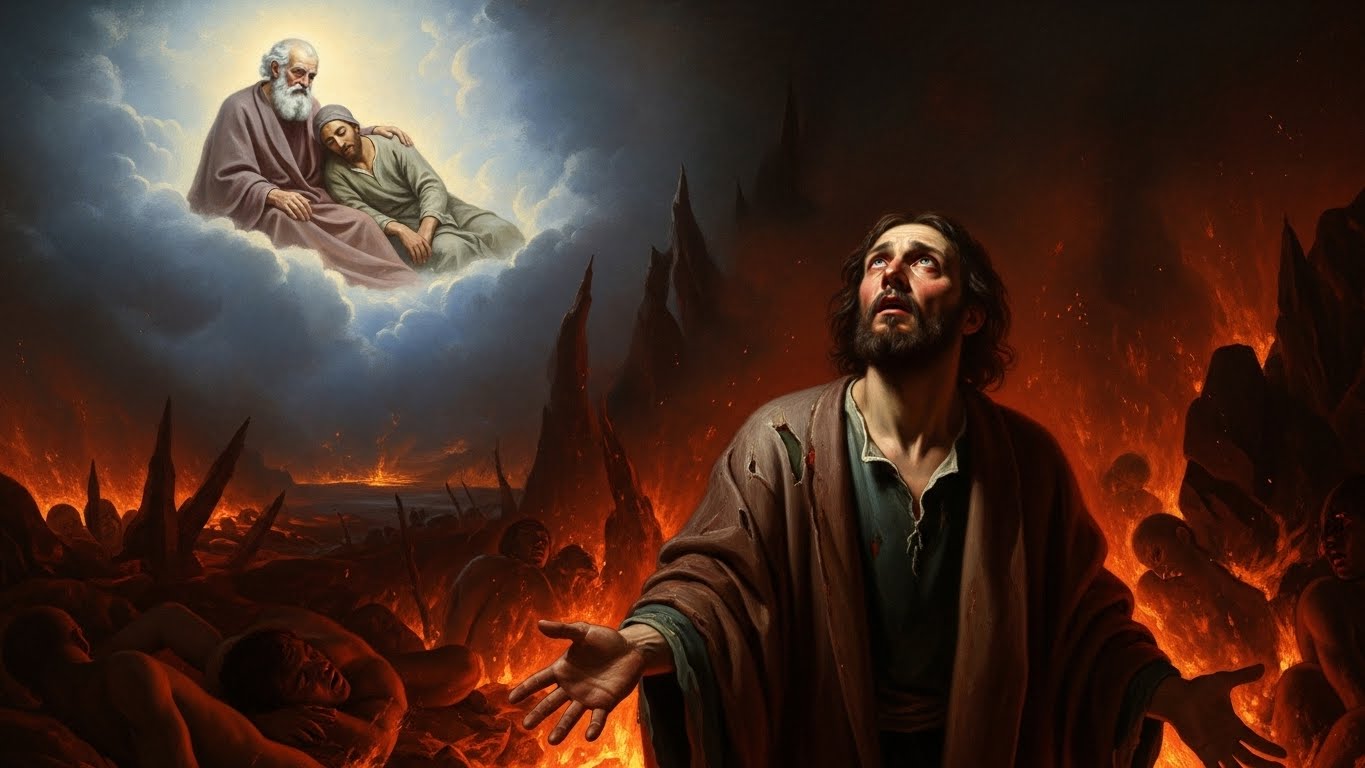
“And in Hades, being in torment, he lifted up his eyes and saw Abraham far off and Lazarus at his side.” — Luke 16:23
“When he opened the fifth seal, I saw under the altar the souls of those who had been slain for the word of God and for the witness they had borne. They cried out with a loud voice, ‘O Sovereign Lord, holy and true, how long before you will judge and avenge our blood on those who dwell on the earth?'” — Revelation 6:9–10
Speaker
- Luke 16: The speaker is Jesus, telling a parable to the Pharisees and crowds. The immediate “voice” in the text is Jesus; the rich man and Abraham speak within the story.
- Revelation 6: John is the seer, reporting visions he receives from Christ and interpreting them for the seven churches.
Audience
- Luke’s parable is addressed to Jewish listeners familiar with Abraham as the father of the faithful and with common images of the afterlife (e.g., Sheol/Hades).
- Revelation’s scene is addressed to the churches in Asia Minor (and ultimately to all Christians), assuring them that martyrdom is seen and remembered by God.
Historical and biblical context
- Luke 16:19–31 functions as a parable with pastoral intent: it contrasts two lives, highlighting the reversal God brings and emphasizing how warnings through Moses and the Prophets call for repentance. The setting is first-century Jewish thought where ideas about Sheol/Hades could mean conscious existence and retributive justice.
- Revelation 6:9–10 is situated in apocalyptic prophecy. John’s vision of martyrs under the altar uses sacrificial language to show that their suffering is known and that divine justice will come. Revelation’s genre means symbolic language communicates actual truths about God’s governance of history and the souls of the faithful.
Together these passages teach you that biblical authors expect continuity — the “soul” remains personal, morally aware, and in relationship to God — even as the final consummation awaits the bodily resurrection.
UNDERSTANDING GOD’S PURPOSE, PROTECTION, AND PROMISE
The core theological truth is that God is sovereign over life and death, and Christ’s work secures both judgment for sin and salvation for sinners who trust in Him. The biblical picture balances divine justice and mercy: God does not ignore evil (Revelation 6:9–10); yet He offers protection and promise through Christ (John 3:16; 1 Peter 3:18). Your hope is not a wish about where souls go but a confident trust in God’s purpose to redeem creation through Jesus.
God’s sovereignty means He governs interim states (the time between death and resurrection) without relinquishing His promises. Christ’s supremacy assures that believers are “with Christ” (Philippians 1:23;2 Corinthians 5:8), and God’s promise includes future resurrection and restoration (1 Thessalonians 4:13–18; Revelation 21:1–4). Lean on faith, not fear: Scripture calls you to trust God’s character while taking seriously His warnings about sin and unbelief.
🌊 GOING DEEPER — BIBLICAL CONTEXT
Cross-references
- Luke 16:19–31 — the full parable for context.
- Luke 23:43 — Jesus’ promise to the repentant thief.
- 2 Corinthians 5:8 — “away from the body and at home with the Lord.”
- Philippians 1:23 — Paul’s longing to depart and be with Christ.
- Hebrews 12:23 — the spirits of the righteous made perfect.
- 1 Thessalonians 4:13–18 — hope focused on resurrection.
Biblical narrative example Consider the thief on the cross. Dying beside Jesus, he confesses, is promised immediate presence with Christ, and receives assurance: “Today you will be with me in Paradise” (Luke 23:43). This narrative suggests instantaneous conscious fellowship with Christ for the repentant believer, not a suspended unconscious state.
Theological continuity The Bible consistently affirms that death does not annihilate personhood. Old Testament imagery (e.g., Sheol), New Testament teaching on being “at home with the Lord,” and apocalyptic visions of conscious souls all point to a coherent biblical theology: persons continue to exist in a conscious way, known to God, until the final resurrection and restoration (Revelation 21:1–4).
Further study on resurrection and the intermediate state)
DOES DO PEOPLE KNOW THEY ARE IN HEAVEN OR HELL GUARANTEE PROTECTION, SUCCESS, OR FINANCIAL BLESSING?
No — awareness of the afterlife in Scripture does not equate to a promise of earthly security, success, or material blessing. The Bible warns against reading spiritual teaching as a blueprint for prosperity. Jesus and the apostles repeatedly teach that discipleship may involve suffering, loss, and poverty (e.g., Matthew 10:16–39; 2 Corinthians 12:7–10). The hope of conscious fellowship with Christ after death is spiritual and eternal, not a guarantee of temporal comfort.
Prosperity theology often misreads Scripture by promising material reward as proof of divine favor. Instead, Scripture grounds assurance in union with Christ (Romans 8:1–11), not in possessions or health. The sure protection Scripture offers is ultimate — resurrection, final judgment, and eternal communion with God for believers — which is greater than any present wealth or success.
💡 MODERN CONNECTION — FAITH, ANXIETY, AND DAILY LIFE
When you worry about death or the fate of loved ones, Scripture brings calming clarity: your destiny depends on Christ, and He is both just judge and merciful Savior. Understanding that the Bible portrays conscious awareness after death should make you take the gospel seriously and live urgently — not fearfully. This truth affects how you pray, how you make decisions, and how you invest your life (mission, relationships, generosity).
For anxiety, hold to the promises: Paul says he would rather depart and be with Christ, “for that is far better” (Philippians 1:23). For decision-making, remember the call to repentance and faith is urgent because the Bible pictures moral responsibility continuing beyond death. For worship, let the reality of God’s just and merciful rule deepen your awe and commitment.

🛠️ Faithful Stewardship Tip For believers called to teach or share gospel resources online, hosting your content on a reliable, secure platform is a wise step in faithful stewardship. Hostinger can provide dependable hosting that helps you share sermons, Bible studies, or discipleship material without technical distractions, so you can focus on ministry and gospel clarity.
ANGELS / PROMISE / DOCTRINE AND GOD’S PROTECTION
Scripture does mention angels and spiritual beings, but your faith should rest on God’s character and Christ’s work rather than signs or angelic experiences. Angels serve God’s purposes (Hebrews 1:14), but they are not the foundation of the Christian’s hope. God’s protection is rooted in Christ’s victory over sin and death, and the promise of resurrection (1 Corinthians 15:20–22).
Doctrinally, the believer’s confidence is in: God’s sovereignty, Christ’s atoning sacrifice, the indwelling Spirit, and the future resurrection. Angels may minister, deliver, or worship, but your assurance comes from the triune God. Trust God’s authority and providence — He holds the future and the souls of the redeemed in His hands.
❤️ PRACTICAL APPLICATION
- Confess and trust Christ today: do not delay the decision that determines eternal destiny (Acts 17:30–31; Romans 10:9–10).
- Live with urgency and compassion: let the reality of conscious afterlife motivate evangelism and mercy (James 2:14–17).
- Anchor hope in resurrection, not speculation: study Jesus’ promises and Paul’s teachings on being “with the Lord” (1 Thessalonians 4:13–18; 2 Corinthians 5:8).
- Practice wise stewardship: use your time, money, and gifts to build God’s kingdom rather than chasing temporary comforts (Matthew 6:19–21).
- Comfort the grieving with Scripture: emphasize Christ’s victory and reunion rather than uncertain theories (John 14:1–3; 1 Thessalonians 4:13).
🪞 FAITH REFLECTION BOX
Take a moment to reflect: where are you placing your hope — in earthly security or in Christ? If you trusted Christ today, remember the promise that death does not end relationship with the Savior. Respond with prayer, repentance, and renewed commitment to live for His glory.
A PRACTICAL TAKEAWAY
- The Bible presents conscious awareness after death in passages like Luke 16:23 and Revelation 6:9–10.
- Christ’s promise secures believers to be “with the Lord” when they die (see Philippians 1:23).
- Assurance rests on union with Christ, not on speculative details about the afterlife.
- Live urgently and compassionately, knowing moral accountability continues beyond the grave.
- Steward your life, time, and gifts toward the gospel and the hope of resurrection.
❓Q&A — BIBLE ANSWERS EXPLAINED
Q1: Do biblical texts teach that the dead are conscious before the resurrection?
A1: Yes. Passages like Luke 16:19–31 and Revelation 6:9–10 portray conscious awareness after death. Paul also expresses that to be “away from the body is to be at home with the Lord” (2 Corinthians 5:8: How should the biblical teaching about awareness after death shape my daily life?
Q2: How should the biblical teaching about awareness after death shape my daily life?
A2: It should instill urgency for evangelism, compassion for those facing judgment, and comfort for the grieving. Scripture calls you to live holy lives and to share the gospel because eternal consequences are real (see Romans 10:9–10).
Q3: Does belief in conscious afterlife mean Christians should fear death or seek signs from spirits?
A3: No. While Scripture portrays awareness after death, believers are called to trust Christ, not to pursue signs or fear death. Death for the believer is a transition into Christ’s presence (Philippians 1:23; John 14:1–3). Focus on faith, repentance, and obedience rather than spiritual curiosities.
CONCLUSION & PRAYER
The Bible gives you reasoned, pastoral assurance: people in the afterlife retain awareness in ways Scripture depicts, and your ultimate hope is Christ’s victory and the future resurrection. Don’t let this raise mere curiosity; let it strengthen your evangelistic urgency and your worshipful trust in God. God’s purpose includes both justice and mercy — He judges sin and saves sinners who come repentant to Christ.
Prayer Lord Jesus, thank You that death is not the final word for those who trust You. Give us courage to live faithfully, compassion to warn and love those who don’t know You, and peace to rest in Your sovereign care. Teach us to steward our lives for Your glory and to hold fast to the hope of resurrection. Amen.