

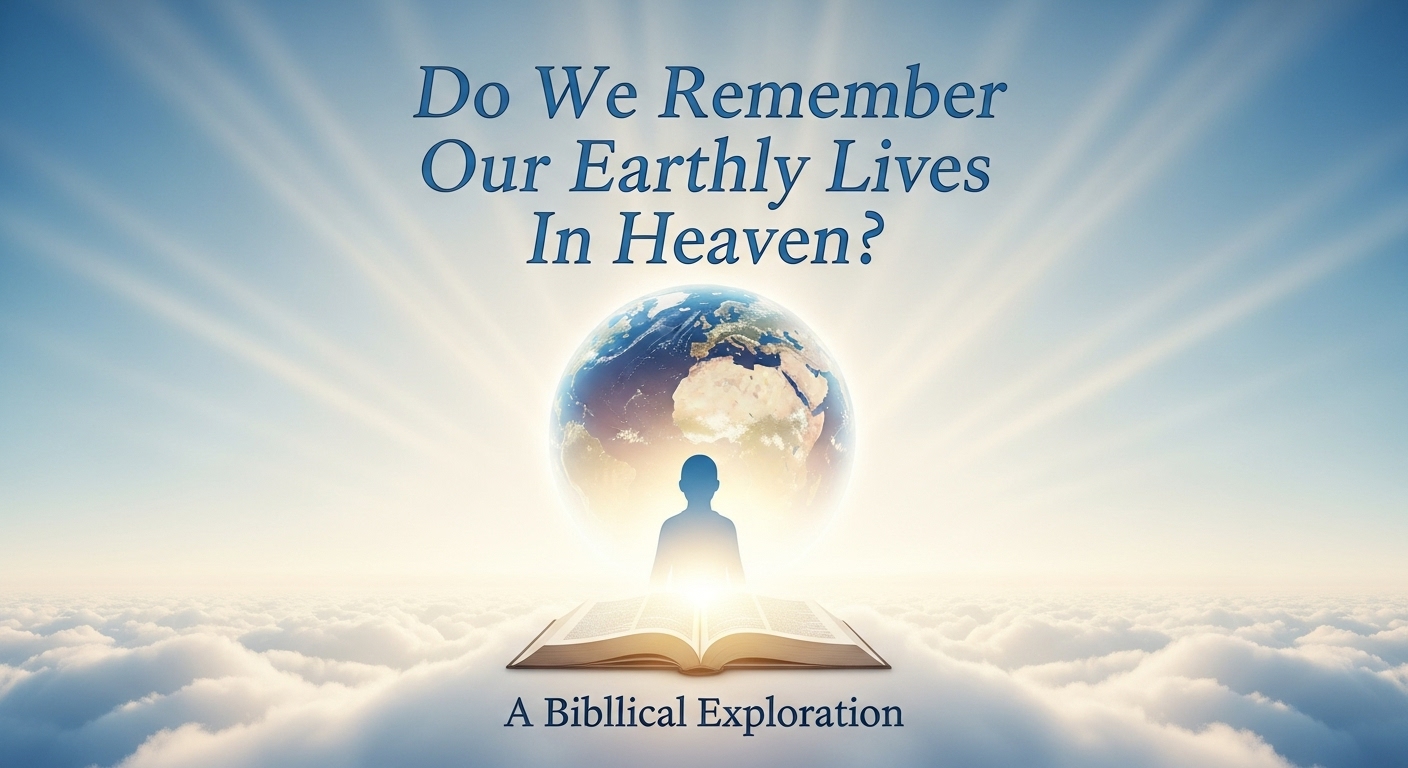
Do We Remember Our Earthly Lives In Heaven? A Biblical Exploration
You’ve probably asked this question at some point—maybe at a funeral, in the middle of grief, or while staring at a night sky that suddenly felt too big. Do you keep memories of your life on earth when you enter heaven? Will you recognize loved ones, remember hurts, and carry the threads of your story into eternity? Those are deeply personal questions because memory touches identity, relationships, regret, and hope.
This article walks you through what Scripture actually says rather than what speculation, movies, or nice-sounding theology suggest. You’ll see key biblical passages, the varieties of literary forms the Bible uses (parable, prophecy, apocalyptic imagery), and how those forms affect how we understand memory after death. I’ll point out where the Bible is clear and where it invites humble restraint.
If you want a related doctrinal context while you read, see the pillar article: Is Hell Literal or Figurative?. That article helps you think about afterlife imagery and interpretive frameworks you’ll meet below. This question also connects closely with what Scripture says about What happens immediately after death.
Set your expectations: Scripture gives images and teaching that affirm continued personal awareness, transformation of pain, and God’s restorative justice. But not every emotional nuance is spelled out. Where Scripture is silent or layered in metaphor, we hold positions lightly and trust God’s wisdom.
What the Bible Says About Memory and Awareness After Death
Sponsored recommendation

You’ll find the Bible speaks about post-death awareness with a mixture of narrative types. Some passages are vivid portraits meant to teach moral truth; others are prophetic or apocalyptic visions meant to reveal the nature of God’s final restoration. Let’s look at several passages that shape the conversation.
Key Passages to Consider
- The rich man and Lazarus in Luke’s gospel is often the first text people cite. In the parable Jesus tells, the rich man is aware of his brothers and asks Abraham to warn them. That sounds like memory and ongoing awareness: Luke 16:19–31.
- In Revelation you find souls under the altar crying out for justice; they clearly remember injustice and speak on behalf of what happened to them: Revelation 6:9–11.
- Revelation also contains comforting language about the end of earthly suffering—no more hunger, thirst, or tears—words that speak to a transformed emotional reality: Revelation 7:16–17.
- Isaiah, in a prophetic oracle about the new heavens and new earth, says “the former things shall not be remembered,” language that seems to promise a kind of forgetting—but the phrase sits in a poetic vision of restoration: Isaiah 65:17.
- Paul’s famous words about seeing “face to face” help the conversation about clarity of knowledge in the age to come. He writes that now we see “in a mirror dimly” but then we will know fully: 1 Corinthians 13:12.
- You’ll also find language about being “away from the body and at home with the Lord,” which many read as evidence of conscious presence after death: 2 Corinthians 5:8.
- For hope about the end of mourning, the promise in Revelation 21 that God “will wipe away every tear” is central: Revelation 21:4.
Each reference comes from a different genre—parable, prophecy, apocalyptic hymn, Pauline theology. That diversity matters. Parables teach moral and theological truths using everyday imagery; they aren’t always legalistic descriptions of metaphysical mechanics. Apocalyptic language uses vivid symbols to communicate spiritual realities. Poetry compresses truth into evocative phrases. You’ll need to interpret genre to weigh how literally to read memory language.
A Literary Note
Keep an eye on literary mode as you read. When Luke recounts a parable, Jesus instructs moral imagination: the details serve the point. Isaiah’s prophetic poetry celebrates God’s creative work with sweeping language. Revelation’s apocalyptic visions fuse both judgment and consolation in symbolic imagery. Because of that variety, no single verse gives a full system. Instead, you build a theological picture from many complementary images.
Biblical Meaning and Theological Insights
You want clarity about identity, memory, and emotional reality after death. The Bible doesn’t leave you with an opaque silence; it gives consistent threads you can follow. Below are several theological insights you’ll find helpful.
3.1 Conscious Identity in the Afterlife
Scripture affirms that personal identity continues beyond death. Paul’s longing to “be away from the body and at home with the Lord” implies a continued, conscious existence that feels like “you” even apart from the embodied life: 2 Corinthians 5:8. The rich man’s plea in Luke’s parable further suggests memory and relational awareness: he remembers brothers and earthly position and even asks for warnings to be sent: Luke 16:19–31.
Why does that matter? Memory is part of what makes you you. If you’re conscious in heaven, identity continuity matters for relationships, for the integrity of your story, and for the moral weight of your earthly choices. The biblical trajectory supports personal continuity—God redeems people, not anonymized souls.
3.2 Remembering Without Sorrow
This is where many readers breathe a sigh of relief. Revelation doesn’t promise amnesia so much as transformation. The picture of God wiping away every tear in the new creation suggests that the emotional sting of suffering will end: Revelation 21:4. Revelation 7 frames the redeemed as refreshed—no more hunger, thirst, or tears—which indicates a healed interior life: Revelation 7:16–17.
In other words, memory may persist, but the painful sting tied to it is removed or remade by God’s restorative presence. You won’t be haunted by regret in the way you are now; rather, memory becomes part of a larger tapestry redeemed by divine justice and mercy.
3.3 “Former Things Will Not Be Remembered” Explained
Isaiah’s striking claim that “the former things shall not be remembered” (Isaiah 65:17) can be jarring if you read it as a literal deletion of history: Isaiah 65:17. But prophecy often uses hyperbolic or poetic language to promise the complete removal of what causes pain. The point is the end of suffering’s power, not the erasure of all events or relationships.
Think of it this way: the scars of suffering are transformed into testimonies of God’s faithfulness. The “not remembered” language signals that past pain will no longer control identity or joy. It’s a promise about orientation and affect rather than a forensic wiping of history.
3.4 Transformation of Perspective
A key theme throughout Scripture is transformation—your experiences are not erased but reinterpreted in the light of God’s justice and mercy. Paul’s image of seeing “in a mirror dimly” becomes “face to face” (1 Corinthians 13:12): you move from partial, painful understanding to full, gracious clarity: 1 Corinthians 13:12.
This transformation affects memory. Instead of memories that wound, you remember with clarity and compassion; injustice is judged and made right, not nostalgically reinvented. The redeemed perspective doesn’t abolish the narrative of your life; it corrects its distortions and elevates its meaning.

Connection to the Bigger Picture: Heaven, Judgment, and Redemption
You don’t consider memory in a vacuum. Memory in heaven relates to larger biblical themes of judgment, accountability, worship, and restored relationship.
Memory matters for moral awareness and justice. The souls under the altar asking for vindication in Revelation show that God remembers what happened and that their stories matter: Revelation 6:9–11. That passage underscores the moral dimension of remembering: memory can be part of divine adjudication and vindication.
At the same time, heaven is primarily presented as restored relationship with God and one another. You don’t become an amnesiac worshiper; you continue in meaningful relationships, praising the God who redeems the whole story. Remembering the good and bad of earth becomes part of grateful worship when you see God’s justice and mercy woven through history.
This balances a common misconception: heaven is not a place of forced forgetfulness designed to remove moral consequences. Nor is it a grim replay of earthly suffering. Instead, it’s the healed continuation of personal stories within God’s restorative purpose.
If you haven’t yet, you may want to read the companion piece, Is Hell Literal or Figurative?, which helps you think about how memory and images of afterlife judgment relate.
What This Means for Believers Today
When you apply these biblical themes to daily life, several practical and pastoral implications emerge that may bring comfort and motivation.
Comfort for the Grieving
If you’re grieving, the Bible’s vision that God will “wipe away every tear” and that suffering’s sting will end gives profound hope: Revelation 21:4. You can trust that relationships are not meaningless and that the love you shared isn’t lost. The continuity of personal identity implied by Scripture suggests you will know and be known.
Hope That Relationships Aren’t Meaningless
Because memory and identity persist in some form, the bonds you build matter. You aren’t investing in a vain illusion. Scripture’s continuity affirms the significance of love, family, service, and sacrifice. God redeems those investments into a larger story.
Trust That Pain Will Not Define Eternity
You don’t have to fear that eternity will replay your worst days. Isaiah’s promise about former things not being remembered points you to a future where pain is dethroned: Isaiah 65:17. Memory won’t be an unending loop of sorrow; instead, it will be reframed through God’s justice and mercy.
Motivation for Faithful Living Now
If memory and moral accountability matter, your choices have long-term significance. The promise of a redeemed memory calls you to integrity, repentance, and courageous love. You live knowing that your story will be brought into the full light of God’s purposes and that God’s redemptive work can turn even suffering toward good.

Related Questions and Further Reading
If this topic raises other questions for you, here are related articles and short teasers that will help broaden your understanding:
• Do Christians Go To Heaven Immediately After Death? — A comforting look at what the New Testament says about believers being with the Lord right after death, and what this means for identity, presence, and hope.
• What Happens After We Die According To The Bible — A Clear, Hopeful Look At Hebrews 9:27 — A careful examination of Hebrews 9:27 and related passages that frame death, judgment, and what Scripture reveals about conscious existence after death.
• The Prayer Of The Multitude In Heaven — A vivid glimpse into heaven’s worship and the assurance of God’s presence there, helping you reflect on continuity of identity and community in eternity.
🔑 Key Takeaways (Summary Box)
- Scripture supports conscious awareness after death; personal identity continues.
- Memory appears to be present, but it is healed and transformed rather than leaving you in pain.
- Pain, regret, and the haunting of past wrongs do not dominate eternity.
- Heaven restores meaning—your story is redeemed, not erased.
- God redeems both people and their stories so that justice and mercy meet.
Frequently Asked Concerns You May Have
You might worry that if you remember, you’ll be haunted, or you might hope that forgetting solves pain. The biblical trajectory avoids both extremes. God neither forces you into oblivion nor leaves you imprisoned in suffering. Instead, memory becomes a redeemed faculty—able to recall, testify, and rejoice without the crushing burden of sorrow.
Another concern: how literal should you read passages like Luke’s parable or Isaiah’s poetic promise? Read genre carefully. Parables teach moral reality; prophecy uses symbolic language; apocalyptic literature conveys spiritual truths through symbolic imagery. The presence of memory in multiple genres weighs together toward continuity, but you should interpret each passage with attention to its literary form.
Finally, you may ask how the resurrection ties into memory. Christian hope centers on bodily resurrection as the final form of human life. Memory, identity, and relational continuity will be embodied and perfected in the resurrection—a future reality that brings the full integration of your story into God’s renewed creation.
Conclusion
You want an answer grounded in Scripture: Do we remember our earthly lives in heaven? The Bible suggests yes—in a sense that preserves identity and relationships—while also promising that the painful and disorienting aspects of memory will be healed and reframed by God’s justice and love. Memory in heaven looks like awareness without bitterness, testimony without torment, and recognition without regret.
You can trust that God’s redemptive wisdom balances remembrance and healing. Your memories and relationships matter; they are not erased but transformed into testimony and praise. This offers both comfort for the grieving and motivation to live faithfully now, confident that your story participates in God’s larger redemptive narrative.
Closing Prayer
Lord, you know every thread of our lives. Comfort those who grieve with the hope that memory will be redeemed, not erased. Heal pain, bring clarity, and restore relationships in ways that display your justice and mercy. Help us live now in the light of your promise, trusting that our stories matter to you and will be made whole. Amen.
If you’d like to go deeper, consider reading the pillar piece: Is Hell Literal or Figurative?.
BIBLE REFERENCES (for quick access)
- Luke 16:19–31
- Revelation 6:9–11
- Revelation 7:16–17
- Isaiah 65:17
- 1 Corinthians 13:12
- 2 Corinthians 5:8
- Revelation 21:4
- 1 Thessalonians 4:13–18
Acknowledgment: All Bible verses referenced in this article were accessed via Bible Gateway (or Bible Hub).
“Want to explore more? Check out our latest post on Why Jesus? and discover the life-changing truth of the Gospel!”