



Introduction
You know that tight, uneasy feeling when a decision could change everything—your family’s future, your job, your reputation, or even the moral direction of your community. Fear can stop you cold. The question is not whether you’ll face fear; the question is how you prepare to step forward when God calls.
Esther’s story is a vivid answer to that question. Before she risked her life to approach King Ahasuerus, she and her people fasted and prayed (Esther 4:16). That intentional spiritual preparation became the power that steadied her courage and sharpened her wisdom. When you read Esther’s response, you discover a pattern: seek God before you move, gather courage with prayer, and act in obedience when the moment comes.
In this article you will:
- See the background and players in Esther’s story and how their decisions intersected.
- Break down the key verses and what they mean for you now.
- Walk through practical, everyday steps to apply Esther’s model—prayer and fasting—before you take action.
- Reflect on questions that help you hear God’s timing and avoid forcing outcomes.
As you read, consider the stakes you face and how spiritual preparation could change how you approach them.

Biblical Context
To understand Esther’s prayer and fasting, you need the setting. Esther is set in the Persian empire under King Ahasuerus (commonly identified with Xerxes I). The Jewish people are living in exile, scattered across the provinces. Important characters include:
- Esther, a Jewish woman who becomes queen but keeps her nationality secret (see Esther 2:7).
- Mordecai, her cousin and adoptive father, who uncovers a plot and refuses to bow to Haman (see Esther 2:7).
- Haman, the king’s arrogant adviser who engineers a decree to annihilate the Jews because of personal hatred and wounded pride.
- King Ahasuerus, whose decisions are influenced by advisors and ceremonial custom, but ultimately can be moved by a plea from his queen.
Esther ascends to the throne (see Esther 2:17), but her position is precarious and dependent on the king’s favor. When Mordecai urges her to intercede to stop Haman’s genocide, she faces a terrifying reality: approaching the king unbidden could mean death unless he extends his golden scepter (see Esther 4:11).
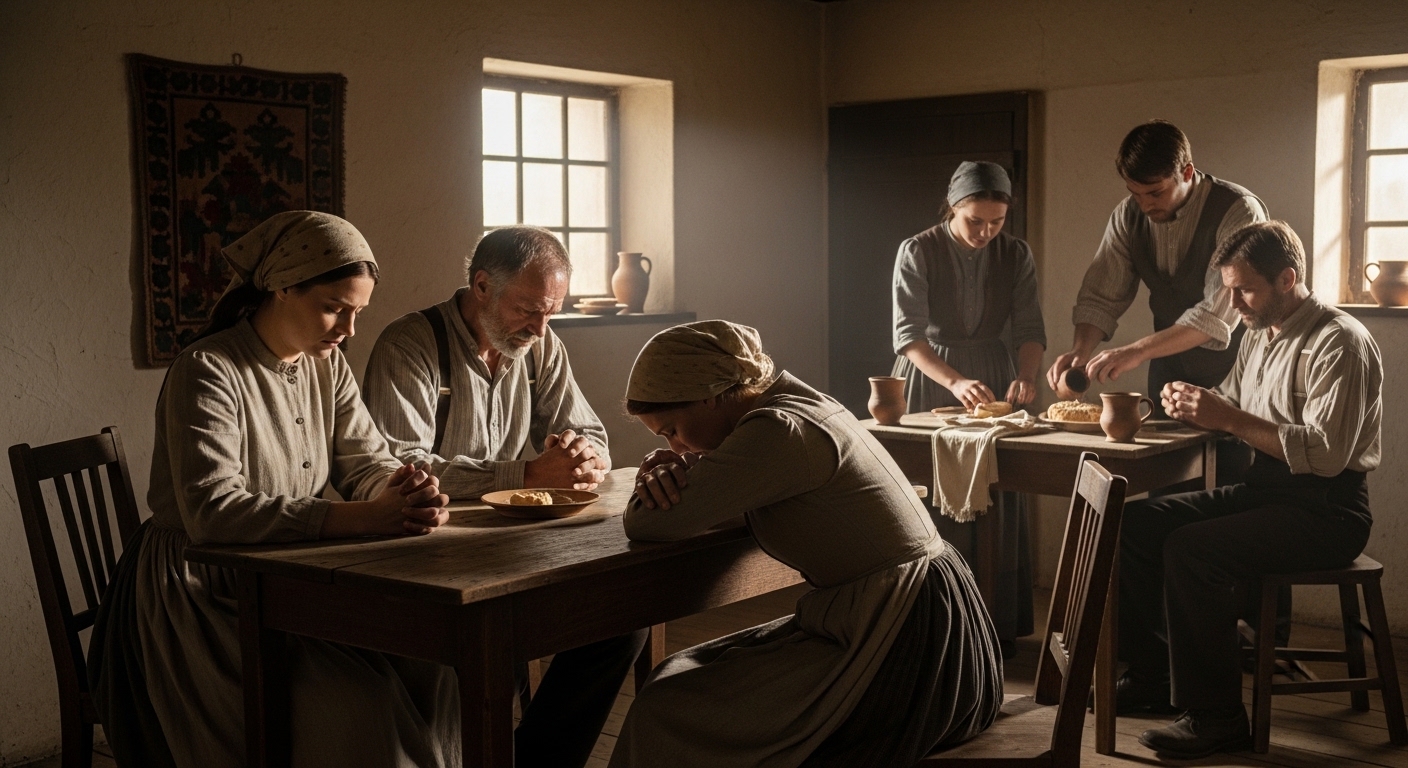
Mordecai’s counsel reframes Esther’s situation: perhaps you were made queen “for such a time as this” (see Esther 4:14). Esther’s response is decisive—not an immediate rush to the throne, but an invitation to spiritual solidarity: “Go, gather all the Jews… and fast for me. Do not eat or drink for three days, night or day. I and my attendants will fast as you do. Then I will go to the king” (see Esther 4:16). Their fasting and prayer are the hinge on which God’s providence turns.
Understanding that context helps you see why prayer and fasting weren’t optional extras. They were how Esther and her people aligned themselves with God’s heart before acting.
Key Scripture Breakdown
Esther 4:14 — “For such a time as this”
Read Esther 4:14. Mordecai’s words carry prophetic perspective: God’s sovereign placement of Esther in the palace could mean she was chosen to deliver her people.
In simple terms: circumstances can be painful and risky, but God’s placement of you—your gifts, relationships, influence—may have a purpose beyond your comfort. Mordecai calls Esther to view her moment as mission-shaped, not merely personal.
Spiritual insight: Perspective changes response. When you see a challenge as “for such a time as this,” fear is reframed into responsibility and faith. It doesn’t remove the danger, but it helps you orient toward obedience.
Esther 4:16 — “Go, gather… and fast”
Read Esther 4:16. Esther’s plan is to combine prayer with fasting and solidarity. She asks the Jews to fast for her success before the king.
In simple terms: before action, seek God. Fasting in this passage functions as a spiritual discipline to humble, focus, and open oneself up to God’s guidance and power.
Spiritual insight: Prayer without preparation can become anxious or impulsive. Fasting shapes your desire and dependence on God, sharpening the clarity of your petitions and strengthening your resolve to act according to God’s leading.
Esther 5:2–3 — The moment of courage
Read Esther 5:2-3. Esther approaches the king; he extends his golden sceptre, and she gains favor. Her first action is not immediate petition; she invites the king to a banquet.
In simple terms: God’s timing often unfolds in stages. After spiritual preparation, take wise, strategic steps rather than reckless leaps.
Spiritual insight: Courage and wisdom go together. Prayer and fasting prepare courage; then wisdom guides the manner and timing of your approach.
You can link each of these verses back to the practical reality you face: preparation opens doors, and timing matters. The spiritual discipline is not a magical formula but a posture that invites God into the process.

Main Lessons / Points
✔ Point 1: Spiritual preparation precedes brave action
You can’t separate spiritual readiness from effective action. Esther’s fasting and prayer weren’t a ritualistic add-on; they were the means by which she and her people sought God’s favor and intervention. When you prepare spiritually—through prayer, fasting, confession, and seeking counsel—you’re aligning with God and opening yourself to His wisdom and courage.
Practical thought: Before big decisions, ask: Have I sought God and the counsel of trusted believers? Preparation includes spiritual and practical elements; both matter.
✔ Point 2: Courage is rooted in dependence, not self-reliance
Esther’s courage came after she submitted to fasting and prayer. You often feel braver when you know you’re not carrying the weight alone. Prayer reminds you that God is in control; fasting humbles you and strips away false securities.
Spiritual insight: Courage fueled by God is steady. When your bravery springs from prayerful dependence, you’re less likely to be driven by panic or pride.
✔ Point 3: Wisdom shapes how you act after praying
Esther didn’t barge into the king’s presence and demand a decree revocation. She used strategy—inviting the king and Haman to banquets, building relationship leverage—so her plea would be heard. Prayer and fasting prepared her heart; wisdom directed her steps.
Application: Pair spiritual preparation with wise planning. Seek counsel, gather facts, and choose timing that amplifies influence rather than jeopardizes it.
✔ Point 4: Community and solidarity amplify spiritual work
Esther called for a corporate fast. The people—whose lives were at stake—joined her. There’s spiritual power when God’s people unite in prayer. Community prayers can create an environment for God to move and give you moral support.
Life application: Don’t isolate. When you face big spiritual battles, engage trusted friends, family, or church leaders in prayer and discernment.
✔ Point 5: Risk is part of obedience but trust God for the outcome
Esther recognized the possibility of death, but she accepted the risk to serve God and her people. Her trust didn’t guarantee comfort or ease; it guaranteed God’s presence and provision. Whatever the outcome, obedience is an offer of your life to God.
Spiritual reminder: You’re called to be faithful, not always to control the result. Trust God with outcomes while you act faithfully.

Practical Application (Today)
What does all of this mean for your life right now? When you face a difficult decision or fearful situation, use Esther’s pattern as a practical template.
- Stop and seek God.
- Begin with honest prayer: bring your fear, your hopes, and the stakes to God.
- Ask God to show you His heart for the situation and the next right step.
- Consider fasting as a focused spiritual discipline.
- Fasting is not a spiritual coercion tactic; it’s a means of humbling yourself and increasing spiritual sensitivity.
- If you’ve never fasted, start simple—skip a meal and spend that time in prayer and Scripture. If health or circumstance prevents fasting, practice an intentional fast from distractions (social media, entertainment) and devote that time to prayer.
- Gather community.
- Invite a few faithful people to pray with you specifically for insight, courage, and God’s intervention.
- Corporate prayer brings accountability and the blessing of shared spiritual burden-bearing.
- Combine prayer with planning.
- List practical steps you can take. What conversations must happen? Who needs to know? What preparations will minimize risk?
- Prepare emotionally and logistically while you pray. Don’t let prayer become a substitute for wisdom and action.
- Act with courage and humility.
- When the moment comes, move with confidence rooted in God, but be open to His timing shifting the plan.
- If doors don’t open immediately, continue in prayer and refinement of the approach.
- Evaluate outcomes in faith.
- Whether your attempt succeeds or faces setbacks, review what you learned spiritually and practically.
- Praise God for His presence, and adjust your next steps based on wisdom and ongoing prayer.
Real-life example: If you’re contemplating confronting a pattern of injustice at work, funnel your fear into prayer and ask trusted colleagues to intercede. Fast from busyness or social media to sharpen your discernment. Plan the conversation: prepare facts, choose timing, and consider the desired outcome. Then, approach with the humility and boldness that prayer cultivates.

Reflection / Questions
Use these questions to help you discern where God is leading and whether you’re acting too quickly or hiding behind inaction.
- What fear are you facing right now? Name it specifically. Fear loses power when named.
- Where is God calling you to act, even if risk is involved? Is there an area where your position or influence could make a difference?
- Are you trusting God’s timing, or are you trying to force control? How does your prayer life reflect that trust?
- Who should you invite to pray with you and hold you accountable? Who can offer wise counsel?
- Have you prepared practically as well as spiritually? What logistics need attention before you step forward?
- If God answers differently than you expect, are you prepared to trust Him with the outcome?
Spend time journaling responses to these questions. Let your reflections guide both prayer and action.
 RELATED BIBLE STUDIES ON ESTHER
 RELATED BIBLE STUDIES ON ESTHER
👉 Read more on Esther’s journey:
- Esther’s Courage and Boldness — For deeper study on how Esther’s faith and courage developed and what it looks like to stand for righteousness today.
- The Story of Esther — A complete narrative summary of Esther’s life and God’s providential hand throughout the book.
👉 Related studies:
- Esther 4:14 Meaning — Explore the phrase “for such a time as this” and what it means for identity and purpose.
- Faith Over Fear — Practical lessons on moving from fear to faith in everyday life.
You can use the anchor texts naturally in other parts of your study: reference Esther’s courage when discussing confidence, the Bible story of Esther for background, or standing for righteousness when weighing moral choices. These internal links help you follow a deeper study path.
Conclusion
Esther’s prayer and fasting teach you a vital rhythm for difficult times: seek God first, prepare your heart, and then move in wisdom and courage. The simple truth is this—when you align with God through prayer and humble dependence, you draw on a strength that outlasts fear and shapes outcomes in ways you might not predict.
You won’t always get instant answers or safe outcomes, but you’ll never face a God who is unaware of your need. Like Esther, your obedience and humility can become the hinge of breakthrough. Remember: preparation is not passivity; it’s providential readiness. Let prayer steady your hands, let fasting sharpen your focus, and let community carry you when the stakes are high.
Take a breath. Seek God. Gather trusted prayer partners. Then step forward, trusting that He is with you “for such a time as this.”
Short Prayer
Lord, give me courage like Esther. Help me to humble myself, seek Your face, and wait on Your timing. Guide my steps, sharpen my wisdom, and surround me with faithful people who will pray with me. May my actions reflect trust in You, and may Your will be done through me. Amen.