


How To Develop Spiritual Gifts? (1 Corinthians 12:4-11, Romans 12:6-8)

TL;DR — Simple Answer:
Spiritual gifts are developed by growing in faith, yielding to the Holy Spirit, and actively serving others. According to Scripture, God gives different gifts by His grace, and they mature through obedience, humility, prayer, and consistent use within the body of Christ.
INTRODUCTION
Developing spiritual gifts matters because they shape how you serve God, bless others, and grow in Christ. When you learn how God equips the church, you move from wondering about your role to living confidently in God’s purposes. Spiritual gifts are not just personal accomplishments — they are God’s means of protecting the body of Christ, fulfilling his mission, and giving you hope in everyday life.
You’ll find practical direction and theological clarity here, rooted in Scripture so your faith is steady, not speculative. If you want to explore how these gifts fit with marriage, contentment, or other Christian living topics, see our article on What is God’s purpose for marriage? (Ephesians 5:22-33, Genesis 2:24). This article will help you discern, cultivate, and steward spiritual gifts in a Christ-centered way that honors God and serves others.
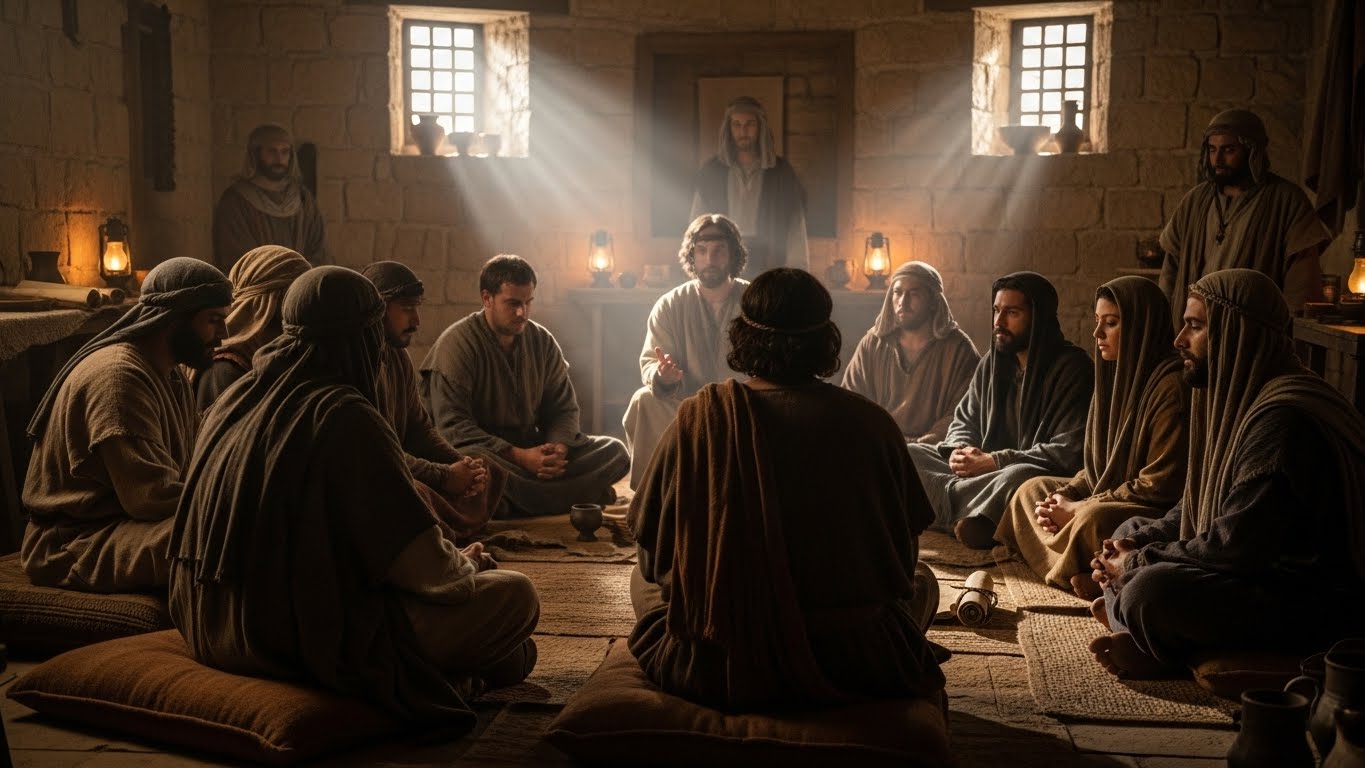
How To Develop Spiritual Gifts? — SIMPLE BIBLICAL MEANING
In simple terms, the Bible teaches that spiritual gifts are abilities given by the Holy Spirit to believers so the church can function and grow. Gifts vary, but their purpose is unified: build up the body, glorify Christ, and advance the gospel. You don’t earn these gifts by performance; they are distributed by God’s grace and intended for service, not status.
Growing in your gift means growing in humility, dependence on Christ, and faithful practice. The emphasis is always on Christ’s supremacy and on your role in the community, not on individual spotlight or spiritual competition.
WHAT DOES THE BIBLE SAY ABOUT HOW TO DEVELOP SPIRITUAL GIFTS?
The Bible teaches that spiritual gifts are given by the Holy Spirit (see 1 Corinthians 12:4-11 and Romans 12:6-8). You develop gifts by seeking God, serving faithfully, exercising your gifts in community, and submitting to biblical teaching and spiritual leadership. The process is both sovereign (God gives) and participatory (you cultivate).
Key biblical instructions include using gifts for the common good (1 Corinthians 12:7), exercising gifts with love (1 Corinthians 13:1-3), and aligning service with Christ-like humility (Romans 12:3).
📖 BIBLE FOUNDATION
Quoted verses:
- “There are different kinds of gifts, but the same Spirit distributes them. There are different kinds of service, but the same Lord. There are different kinds of working, but in all of them and in everyone it is the same God at work.” — 1 Corinthians 12:4-6
- “We have different gifts, according to the grace given to each of us. If your gift is prophesying, then prophesy in accordance with your faith; if it is serving, then serve; if it is teaching, then teach…” — Romans 12:6-8
Speaker: The apostle Paul wrote these passages under the inspiration of the Holy Spirit to early Christian communities.
Audience: Paul addressed the church in Corinth (1 Corinthians) and the Roman Christians (Romans), communities wrestling with identity, unity, and how faith looks in practice.
Historical and biblical context: Paul wrote to churches that were deeply diverse ethnically and socially. Gift lists helped the early Christians understand that variety served God’s singular purpose. In Corinth, divisions and pride threatened unity; Paul corrected misuse of gifts and emphasized love and order. In Rome, Paul encouraged believers to live out their new identity in Christ through humble, faithful service. These instructions are timeless: God’s distribution of gifts aims to build up the church and witness to the world.
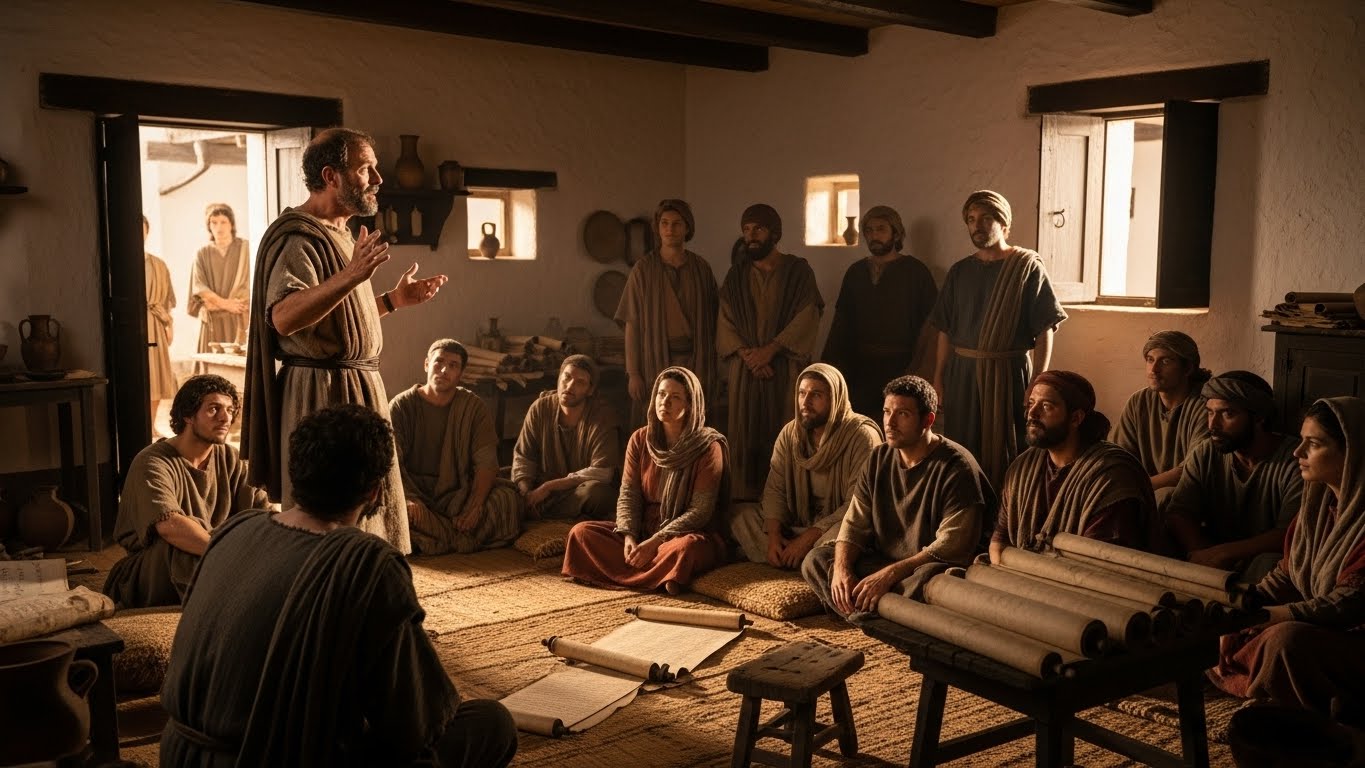
UNDERSTANDING GOD’S PURPOSE, PROTECTION, AND PROMISE
God’s purpose in giving gifts is communal and missional. Spiritual gifts exist to make the church healthy, to equip believers for ministry, and to display God’s wisdom to the world. So when you pursue a gift, you pursue God’s purpose — not personal fame.
God’s protection comes through ordered use of gifts. Scripture shows that when gifts are misused (pride, disorder, or selfish ambition), the church weakens. Conversely, when gifts operate under Christ’s headship and in love, the body matures and is protected from internal collapse (Ephesians 4:11-13). The promise is that the Spirit will equip and empower you as you faithfully serve; God provides the grace you need.
This theology places Christ at the center: all gifts point to him and accomplish his work. Faith over fear means you trust the Spirit to guide and refine you rather than relying on flashy signs or human approval.
🌊 GOING DEEPER — BIBLICAL CONTEXT
Cross-references:
- 1 Corinthians 12:12-31 — Unity in diversity of the body.
- Ephesians 4:11-13 — Gifts to equip the saints for ministry.
- 1 Peter 4:10-11 — Stewardship of gifts as God’s servants.
Narrative example: Think of Barnabas in Acts. He used encouragement and generosity to strengthen the church (see the character sketch in Acts; see how his gifting built community). Barnabas is a biblical example of someone whose gifts led to unity and mission, not personal advantage.
Theological continuity: From the Old Testament’s prophetic and priestly roles, through the New Testament’s gifting in Christ, Scripture consistently teaches that God equips his people for covenantal service. Gifts support holiness, mission, and the proclamation of Christ, showing continuity from Moses’ anointing of leaders to the Spirit-empowered ministry in the church.
For more on how gifts function in church life, see our study on Praying For The Manifestation Of Spiritual Gifts (1 Corinthians 12)
DOES HOW TO DEVELOP SPIRITUAL GIFTS GUARANTEE PROTECTION, SUCCESS, OR FINANCIAL BLESSING?
No. Spiritual gifts are not a guarantee of material success, protection from suffering, or automatic financial blessing. Scripture warns against equating gifts or blessing with material prosperity. Jesus clearly taught that following him often involves sacrifice, not worldly gain (see Matthew 10:24-39).
Paul’s letters show that gifted servants still faced hardship — he lists beatings, imprisonments, and persecutions (2 Corinthians 11:23-28). The Bible corrects prosperity-based thinking with the call to faithful endurance and trust in God’s provision (Philippians 4:11-13; 1 Timothy 6:6-8). Gifts are for service and witness, not a formula for worldly gain.
💡 MODERN CONNECTION — FAITH, ANXIETY, AND DAILY LIFE
Anxiety: If you feel anxious about “not having” a gift, remember God’s timing and sovereignty. Pray for clarity and peace, seek counsel, and engage in faithful service. Scripture encourages you to ask God for wisdom (James 1:5) and to cast your anxieties on him (1 Peter 5:7).
Decision-making: Test your gifts through practice and community affirmation. Start with small acts of service and let leaders and mature Christians give feedback. Paul’s counsel in Romans 12:6-8 points you to align gifts with faith and to act practically — teach if you can teach; serve if you can serve.
Trust in God: Development happens in dependence. You trust God to provide opportunities and growth. Worship and obedience keep you grounded, even when results are slow.
Worship and faithfulness: Use your gifts in worship and ministry settings. True growth often comes from regular practice, teaching, mentorship, and humble correction. Remember that gifts are acts of service toward God’s mission, not a means to personal glory.

ANGELS / PROMISE / DOCTRINE AND GOD’S PROTECTION
Doctrine matters here: your trust must be in God, not in spiritual manifestations or angelic confirmations. Scripture places ultimate authority in Christ and the Word. Angels serve God’s purposes (Hebrews 1:14 — Hebrews 1:14), but they are not the source of your identity or the guarantor of personal power. The promise is that God, through the Holy Spirit, equips and sustains you. Your protection flows from God’s providence and the church’s faithful practice, not from a checklist of signs.
Ground yourself in Christ’s lordship and Scripture’s teaching. That theological center prevents you from chasing sensational experiences or interpreting difficult seasons as spiritual failure.
❤️ PRACTICAL APPLICATION
- Pray regularly for clarity and humility about your gifts; ask God to reveal opportunities to serve.
- Serve consistently in small ways to test and grow your gifting — teaching short Bible studies, helping in hospitality, or encouraging others.
- Seek mentorship and accountability from mature believers and church leaders who can confirm and coach your gifts (Ephesians 4:11-13).
- Study Scripture about gifts (read 1 Corinthians 12–14, Romans 12, Ephesians 4) and apply what you learn in real ministry contexts.
- Practice your gift with love and humility, following Paul’s command that gifts must operate in love (1 Corinthians 13:1-3).
🪞 FAITH REFLECTION BOX
Take a moment to ask God: “How do you want to use me in the body of Christ?” Sit quietly, listen, and be open to small next steps. Your faithful obedience, not your certainty, is often what God uses to grow your gifting.
A PRACTICAL TAKEAWAY
- Spiritual gifts come from the Holy Spirit for the common good (1 Corinthians 12:7).
- Gifts are meant to glorify Christ and build his church, not boost personal status (Ephesians 4:11-13).
- You develop gifts by serving, learning, and depending on the Spirit (Romans 12:6-8).
- Do not equate gifts with guaranteed material blessing or protection; faithful service may still involve hardship (2 Corinthians 11:23-28).
- Stay humble, accountable, and Christ-focused as you grow in gifting (1 Peter 4:10-11).
❓Q&A — BIBLE ANSWERS EXPLAINED
Q1 — Do spiritual gifts come from God or from people? (Doctrinal)
A1 — Spiritual gifts come from the Holy Spirit; they are distributed by God’s sovereign will for the common good (1 Corinthians 12:4-7). Scripture teaches that gifts are not your own merit but God’s grace (see Romans 12:6).
Q2 — How can I discover and grow my spiritual gift? (Practical)
A2 — Pray, serve in small roles, ask for feedback from leaders, study gift passages (1 Corinthians 12–14, Romans 12), and practice your gift consistently. Confirm gifts through community affirmation and fruit in ministry (Ephesians 4:11-13).
Q3 — If I have a powerful gift, will God protect me from trouble? (Misconception)
A3 — No. Gifts do not guarantee immunity from suffering or financial prosperity. Many gifted servants faced hardship (see Paul’s trials in 2 Corinthians 11:23-28). Scripture calls you to faithful endurance and trust, not a prosperity formula.
HOW ARE SPIRITUAL GIFTS DEVELOPED ACCORDING TO THE BIBLE?
The Bible teaches that spiritual gifts are given by God, not earned, chosen, or manufactured by personal effort. Scripture is clear that the Holy Spirit distributes gifts according to His will for the good of the church (1 Corinthians 12:4–11). Development, therefore, does not mean creating a gift, but growing in faithfulness, maturity, and obedience as God works through what He has already given.
Spiritual gifts are developed as believers walk closely with Christ, submit to the leading of the Holy Spirit, and actively serve within the body of Christ. Paul emphasizes that gifts differ, but all are meant to be used humbly and responsibly for the benefit of others (Romans 12:6–8). As believers practice service, teaching, encouragement, leadership, or mercy, God refines both the gift and the character of the one using it.
This process requires spiritual discernment, love, and accountability. Gifts flourish when exercised in alignment with Scripture, under godly leadership, and motivated by love rather than recognition (1 Corinthians 13:1–7). Growth in spiritual gifts is inseparable from growth in spiritual maturity—Christlike character remains the true measure of spiritual development.
➡️ Learn more in 7 Ways the Holy Spirit Helps Believers Every Day
 Ministry Resource

 “Every God-given message deserves to be shared.”


Don’t let your calling stay hidden. If God has placed His truth on your heart, starting a Christian blog or website can help you reach others with clarity and purpose. Hostinger makes it easy—with 99.9% uptime, a free domain, and SSL—so your message can shine for God’s glory anytime, anywhere.
 Begin today.
  Try it RISK-FREE!
CONCLUSION & PRAYER
Developing spiritual gifts is a journey of dependence: you trust the Spirit, serve the church, and grow in Christlike character. The gifts are given to glorify Jesus, protect the church through unity, and bring hope as the body faithfully carries out God’s mission. Keep Christ central, submit to Scripture, and let love guide your service.
Prayer: Lord Jesus, thank you for equipping your church through the Holy Spirit. Help me to humbly discover and faithfully use the gifts you give, for the good of others and your glory. Teach me to serve in love and trust your timing and provision. Amen.
 RELATED BIBLE TEACHINGS
- What is God’s purpose for marriage? (Ephesians 5:22-33, Genesis 2:24)
-
What Does The Bible Say About Life After Death? (John 11:25–26)
 As a ClickBank & Amazon Affiliate, I earn from qualifying purchases.
Acknowledgment: All Bible verses referenced in this article were accessed via Bible Gateway (or Bible Hub).
 Want to explore more? Dive into our new post on Why Jesus? and experience the life-changing truth of the Gospel!