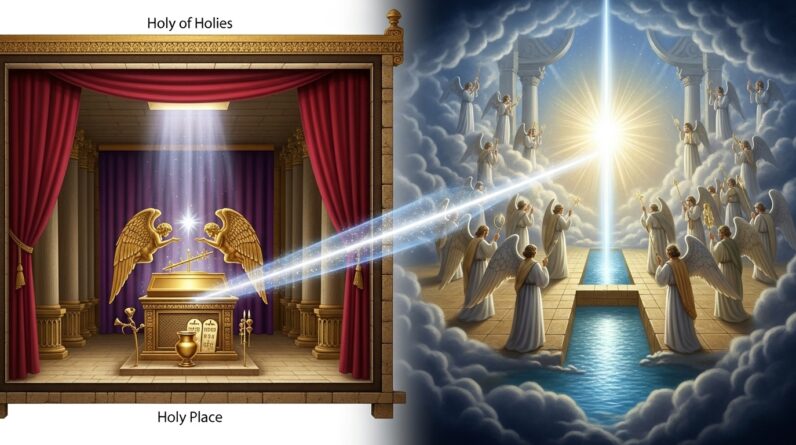


Is Heaven A Physical Place Or Spiritual? (Philippians 3:20, 2 Corinthians 5:1)
You’ve probably wondered about heaven — is it a place with streets and mansions, or is it a spiritual reality beyond space and time? This question sits at the heart of how you understand eternity, hope, and what it means to belong to God. In this article, you’ll explore what the Bible says, why the difference matters, and how you can live in the tension between the “now” and the “not yet.” We’ll look closely at key verses like Philippians 3:20 and 2 Corinthians 5:1, unpack the bigger biblical picture, and give practical steps you can take today.
Introduction
You’ve probably heard comforting images of heaven — pearly gates, streets of gold, houses prepared for you. Or maybe you’ve heard that heaven is simply a spiritual state of being with God. These two pictures feel very different, and that matters because it shapes how you live, grieve, and hope. You want a clear, compassionate explanation that stays faithful to Scripture and makes sense in real life. In this article, you’ll walk through what the Bible actually says, what those images mean, and how to hold both the physical and spiritual elements together in your faith.
The Bible Foundation
Let’s anchor this conversation in the two verses in the title. Read them slowly and notice the language.
Philippians 3:20 — Philippians 3:20 (NIV): “But our citizenship is in heaven. And we eagerly await a Savior from there, the Lord Jesus Christ,”
2 Corinthians 5:1 — 2 Corinthians 5:1 (NIV): “For we know that if the earthly tent we live in is destroyed, we have a building from God, an eternal house in heaven, not built by human hands.”

Those passages use two different images. Philippians emphasizes “citizenship” — you belong to a heavenly kingdom. 2 Corinthians uses the picture of a “tent” (temporary) versus an “eternal house” from God (permanent). Both speak to belonging and a future reality. When you read these in context, Paul is addressing real-life struggles: persecution, bodily weakness, hope for resurrection, and the assurance that your identity is ultimately rooted in Christ.
Understanding the Core Truth
Here’s the simple core truth: heaven is both a spiritual reality and the promise of a renewed, embodied existence with God. The Bible consistently holds that God is Spirit (John 4:24), and that your present life is embodied and physical. Scripture doesn’t force you to choose one over the other. Instead, it assures you that God will redeem both your spirit and your body.
When Paul speaks of being citizens of heaven, he’s reminding you that your primary identity and loyalty belong to God’s kingdom. When he talks about an eternal house, he affirms that God provides a lasting, real future for the whole person — not just an abstract spiritual experience. So the main message is: your hope is anchored in a future promised and secured by God that involves restoration, relationship, and reality.

Going Deeper — The Hidden Meaning
Now let’s dig deeper into why the Bible uses both spiritual and physical language. The Old Testament often uses physical metaphors (land, temple, city) to describe God’s presence and promises. The prophets promised a renewed creation where God dwells among people (e.g., Ezekiel 37, Isaiah 65). In the New Testament, Jesus promises a place prepared for you (see John 14:2-3 (NIV): “My Father’s house has many rooms… I am going there to prepare a place for you.”) and the book of Revelation gives vivid images of a new heaven and new earth (Revelation 21:1-4 (NIV)).
The deeper lesson is this: biblical imagery is designed to meet your need for both intimacy and concreteness. Spiritual reality assures you of belonging to God now — you can pray, experience the Spirit, and be transformed. Physical promises assure you that God cares about your embodied life — your relationships, justice, work, and even your body will be redeemed. That’s why resurrection language (like in 1 Corinthians 15) matters: the gospel is not an escape from the body but the renewal of the whole person.
Modern Connection — Relevance Today
How does that ancient truth apply to you now? First, it gives real comfort in suffering. If heaven were only a vague spiritual state, it would be harder to imagine reunion with loved ones or the healing of injustice. If heaven were only wearily physical, that could reduce God’s presence to a distant geography. The Bible’s combined picture lets you grieve honestly and hope confidently.
Second, it shapes how you live today. Because you belong to a heavenly citizenship, your values shift: love, forgiveness, and sacrificial service take priority. Because God promises a renewed creation, you care for creation, pursue justice, and honor your body. The tension between “already” (what the Spirit does today) and “not yet” (what God will complete) means you’re called to live hope-filled action in the present with anticipation for the future.

Practical Application — Living the Message
So, how do you live this out practically? Here are some simple, doable steps:
- Anchor your hope in prayer and Scripture. Regularly rehearse promises like Philippians 3:20 and 2 Corinthians 5:1 to remind yourself where your true citizenship lies.
- Practice embodied worship and care. Take care of your body, invest in relationships, and act for justice — these are signs of the coming kingdom.
- Grieve with hope. When you lose someone, allow sorrow, but hold onto the resurrection promises. Share memories and speak of hope verbally in funerals and farewells.
- Live with kingdom priorities. Make decisions as a citizen of heaven: generosity, humility, and mission should guide your daily choices.
These steps help you navigate uncertainty, loss, and longing with the assurance that your hope is both real and future-oriented.
Faith Reflection Box
Pause and reflect: How does thinking of heaven as both spiritual and physical change the way you pray, grieve, or make daily decisions?
Key Takeaways
- Your primary identity is heavenly citizenship — that shapes your priorities now.
- Heaven is a real promise that involves both spirit and embodied renewal.
- Live with hope: care for your body and relationships as signs of God’s coming restoration.
- Grieve honestly, but anchor your grief in resurrection hope.
- Act justly and love mercifully because the kingdom you belong to values the whole world.
Q&A
Q1: Is heaven where Christians go immediately after death? Answer: The Bible suggests a tension: believers experience immediate presence with the Lord, and yet await a final bodily resurrection. Paul writes in 2 Cor 5:6-8 NIV that to be absent from the body is to be present with the Lord, indicating conscious fellowship with Jesus after death. At the same time, texts like 1 Corinthians 15 and Revelation 21–22 look forward to a bodily resurrection and a renewed creation. So, you can trust that when you die, you are with Jesus; you also look forward to a complete, embodied future when Christ returns.
Related: What Will Heaven Be Like According to the Bible?
Q2: What does “citizenship in heaven” practically mean for daily life? Answer: “Citizenship in heaven” (Philippians 3:20) reframes your loyalties and values. Practically, it means you evaluate choices—career, relationships, money—through the lens of the kingdom. You prioritize humility, service, and mission over short-term gain. It also brings comfort when earthly systems fail; as a citizen of heaven, your ultimate security isn’t earthly success but Christ’s reign. Finally, it fuels witness: your life should reflect kingdom values so others see a different vision of life and hope (see Philippians 3:20 and Matthew 6:19-21).
Q3: How do resurrection and new creation relate to heaven being physical or spiritual? Answer: Resurrection teaching shows the Bible’s commitment to bodily renewal. Paul explains that the resurrection body is transformed—still “you,” but renewed and glorified (see 1 Corinthians 15:42-44). Revelation’s vision of a new heaven and new earth (Revelation 21) points to God restoring the entire created order. So heaven isn’t a purely disembodied state; it’s part of God’s plan to make all things new, combining spiritual fellowship with tangible, renewed reality.
See also: Revelation’s Promise of a New Heaven and New Earth
Conclusion & Reflection
You’ve walked through Scripture and learned that heaven is not either/or but both/and. It’s a spiritual reality — your true citizenship under God — and a promised physical renewal — an eternal home God prepares for you. That truth reshapes how you grieve, hope, and live. It lets you hold your loved ones and your longing, your body and your spirit, with confidence that God will make all things new.
A short prayer you can use: Lord Jesus, thank you for your promise of a place with you. Help me live as a citizen of heaven now, caring for the world and my neighbors, while trusting your promise of resurrection and renewal. Fill me with hope and boldness to reflect your kingdom today. Amen.

More Inspiration Awaits — Read These Next
 For deeper insight into Isaiah 40:31 and how it renews your strength in both faith and daily life
For practical lessons on compassion and neighborliness from the Good Samaritan
For a clear explanation of what we can learn from the Parable of the Good Samaritan
For meaningful insights from the Parable of the Pearl and its hidden treasures
For a deeper look at the Rich Man and Lazarus and what it reveals about the afterlife
For guidance on the Parable of the Ten Virgins and preparing for God’s Kingdom
For clarity on the Parable of the Lamp and how it calls us to shine our light
For insights from the Parable of the Wedding Feast and the meaning behind the invited guests
 Jesus and the Woman Caught in Adultery – Grace and Mercy Over Judgement
A powerful retelling of John 8:1-11. This book brings to life the depth of forgiveness, mercy, and God’s unwavering love. Check it now on Amazon 


 “Every great message deserves a home online.”


Don’t let your calling stay hidden. Start a Christian blog or website using Hostinger — with 99.9% uptime, a free domain, and SSL, your voice can shine for God’s glory anytime, anywhere. Begin today. Try it RISK-FREE! 

 “Your body is God’s temple — care for it with purpose.”


Renew your energy and restore balance naturally. Mitolyn helps support a healthy metabolism, giving you the vitality to live out God’s calling with strength and confidence.
Unlock Your Metabolic Power!  Burn More Calories & Feel Great With Mitolyn.
Start Today.  Check Price Now.
As a ClickBank & Amazon Affiliate, I earn from qualifying purchases.
 Acknowledgment: All Bible verses referenced in this article were accessed via Bible Gateway (or Bible Hub).
Want to explore more? Dive into our new post on Why Jesus? and experience the life-changing truth of the Gospel!