

Is Hell Eternal Punishment? (Matthew 25:46, Mark 9:43–48)

You’ve probably wrestled with this question at some point: if God is loving and just, how do we make sense of hell? When Jesus talks about “eternal punishment” and warns about hell in stark language, you want clarity that’s faithful to Scripture and honest with your heart. In this article, you’ll explore what Matthew 25:46 and Mark 9:43-48 actually say, how theologians interpret them, and what practical faith steps you can take in light of these difficult words.
Introduction
You know how a single sentence can wake you up at night? For many Christians, Jesus’ words about hell are like that. Matthew 25:46 says, “eternal punishment,” and Mark 9:43-48 includes stark warnings about Gehenna and unquenchable fire. Those phrases can feel overwhelming. You might wonder: Did Jesus mean punishment that lasts forever? Or did he mean something else? In a friendly, honest tone, this article walks you through the Bible’s language, the historical context, different theological responses, and how this truth matters for your life and spiritual growth.
📖 The Bible Foundation
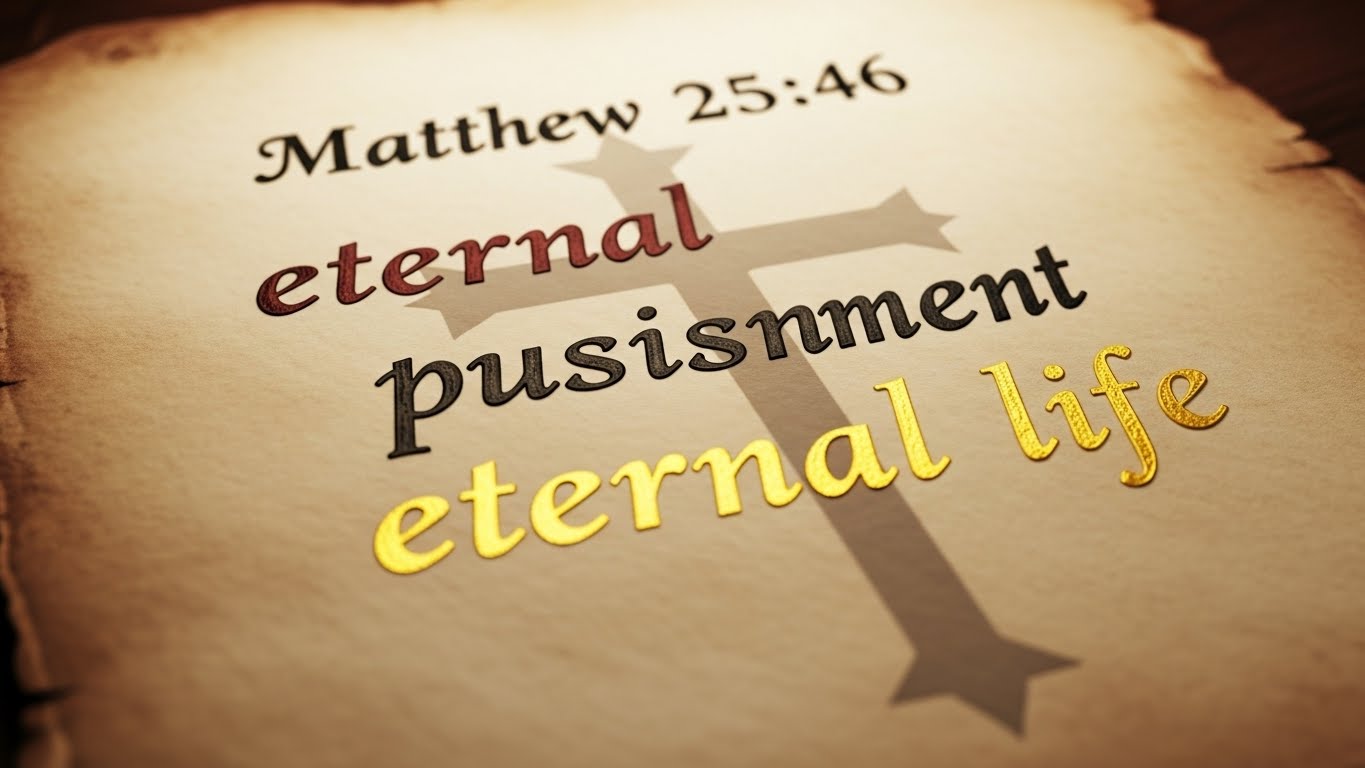
Matthew 25:46 (NIV): “Then they will go away to eternal punishment, but the righteous to eternal life.”
Matthew 25:46
Mark 9:43–48 (NIV):
43 “If your hand causes you to stumble, cut it off. It is better for you to enter life maimed than with two hands to go into hell, where the fire never goes out.
44 where ‘their worm does not die, and the fire is not quenched.’
45 And if your foot causes you to stumble, cut it off. It is better for you to enter life crippled than to have two feet and be thrown into hell.
46 And if your eye causes you to stumble, pluck it out. It is better for you to enter the kingdom of God with one eye than to have two eyes and be thrown into hell,
47 where ‘their worm does not die, and the fire is not quenched.’
48 For everyone will be salted with fire.”
Mark 9:43–48
Read these slowly. Matthew contrasts “eternal punishment” with “eternal life,” using parallel language that feels intentional. Mark’s passage uses vivid images—Gehenna, unquenchable fire, worms—that draw from Jewish imagery and the Valley of Hinnom. The Bible presents strong, repeated warnings; the exact meaning of the language is what theologians have debated for centuries.
Understanding the Core Truth
At its core, the Bible consistently teaches that choices have eternal consequences. When Matthew 25:46 uses the same adjective (in Greek aionios) for both “punishment” and “life,” Jesus seems to be drawing a parallel: both outcomes are “age-lasting” or “eternal” in scope. What’s critical for you to notice is the moral seriousness: the separation between those who live by God’s kingdom values and those who reject them.
Mark’s imagery—Gehenna, unquenchable fire, undying worm—wasn’t invented to entertain; it was a prophetic, culturally loaded metaphor pointing to total ruin and judgment. You don’t need sensationalism to be moved; you need to recognize that Jesus spoke plainly about the gravity of rejecting God.

Going Deeper — The Hidden Meaning
Now let’s dig beneath the surface. The Greek word aionios appears in both phrases in Matthew 25:46. Does aionios always mean “eternal” in the sense of endless conscious duration? Some scholars say yes. Others argue it can mean “of the age” or “about the age to come,” which can be interpreted differently. You should notice that grammar alone doesn’t settle the theology; you have to read Scripture as a whole.
Mark’s Gehenna references recall a real place outside Jerusalem where garbage burned continuously, symbolizing destruction. Jewish literature used similar imagery to warn of ultimate ruin. That helps you see Jesus using vivid, cultural pictures to say: act now, because the stakes are ultimate.
There are three major theological responses you’ll encounter:
- Eternal conscious torment (ECT): Hell is conscious punishment that continues forever.
- Annihilationism (conditional immortality): The wicked ultimately perish—punishment results in permanent destruction, not perpetual torment.
- Universalism: Ultimately, all are saved. This view interprets the texts more metaphorically or appeals to God’s restorative love, overcoming final rejection.
Each view reads the texts with different theological priors. Your job is to weigh the language, the wider witness of Scripture, and the character of God as revealed in Jesus.
Modern Connection — Relevance Today
How does this dense theological debate help you when you’re living life—parenting, working, wrestling with fear or doubt? First, it underlines urgency: decisions about faith matter. Second, it calls you to a pastoral posture — to speak truth with love. You can hold deep conviction without abusive fear tactics. If you lean toward ECT, you might emphasize God’s holiness and justice alongside mercy. If you’re inclined toward annihilationism, you’ll stress the seriousness of rejecting God’s life even if the end is non-existence rather than eternal torment.
Either way, Jesus’ warnings are meant to stir repentance and transformation, not merely frighten. They call you to live in light of God’s kingdom now: loving others, seeking justice, and turning to Christ.

Practical Application — Living the Message
What can you practically do with this teaching?
- Reexamine your priorities: Let the seriousness of Jesus’ words motivate deeper devotion—study Scripture, pray, and worship.
- Share the gospel compassionately: Use clear language about sin and judgment, but pair it with the good news of Jesus’ rescue.
- Serve and love: Let the doctrine shape your urgency to invite people to life, not your desire to exploit fear.
- Grow in holiness: Small acts—confession, accountability, spiritual disciplines—help you live the life Jesus calls you to.
You don’t need to have every theological detail nailed down to respond faithfully. The call is simple: choose life in Christ and help others do the same.
Faith Reflection Box
Take a moment. Ask yourself: What do I fear about final judgment? Where do I need to trust God’s justice and mercy more? Bring that to prayer.
Key Takeaways:
- Jesus taught that choices have eternal consequences; take his warnings seriously.
- Matthew 25:46 uses the same term for “punishment” and “life,” highlighting parallel outcomes.
- Mark 9’s images of Gehenna emphasize ruin and the need for radical readiness.
- Different theological views exist; focus on faithfulness, compassion, and evangelism.
- Apply the truth by deepening your relationship with Christ and serving others.
Q&A
Q1: Does Matthew 25:46 mean hell lasts forever? Answer: Matthew 25:46 juxtaposes “eternal punishment” with “eternal life,” using the same Greek adjective (aionios) for both. Many read that as meaning both outcomes are age-lasting—or eternal—in duration, suggesting eternal conscious consequences. Others argue aionios can mean “belonging to the age to come,” and so they understand the punishment as definitive rather than endless torment. Read the verse alongside passages like Revelation 14:11 and 20:10 for the fuller picture. Your conclusion will depend on how you weigh parallel language, Jewish imagery, and the broader biblical witness. See also Revelation 20:10.
Related: Is Hell Real According To The Bible? (Matthew 25:46, Revelation 20:14-15)
Q2: What does Jesus mean by Gehenna and “unquenchable fire” in Mark 9? Answer: Gehenna refers to the Valley of Hinnom outside Jerusalem, a place associated with child sacrifice in Israel’s past and later as a garbage dump that burned continually. Jesus used that vivid, culturally meaningful image to warn of total ruin and exclusion from God’s presence. “Unquenchable fire” emphasizes that this destruction isn’t a temporary embarrassment—it’s decisive and final in its effect. The imagery’s force was pastoral: wake up, change, and follow God. See Mark 9:43–48 and contextual notes on Gehenna.
Q3: How should I talk about hell when sharing the gospel? Answer: Speak truthfully and lovingly. Make sure people know both God’s justice and radical love shown in Christ. Avoid scare tactics; instead, clarify why sin matters, what Christ offers, and how grace is received. Use Scriptures like John 3:16–18 and Romans 6:23 to balance God’s love and the reality of judgment. Your goal isn’t to win an argument but to invite others into life.
Conclusion & Reflection
You’ve wrestled with hard words from Jesus because they matter. Whether you land on eternal conscious punishment, annihilation, or another view, the central biblical point remains: God calls you to life, repentance, and a relationship with Jesus. Let the seriousness of these texts move you—not into paralyzing fear, but into loving obedience and urgent compassion. Pray this short prayer with me:
Lord Jesus, help me take your warnings seriously and your offer of life gratefully. Shape me into someone who loves like you and leads others to your life. Amen.

 For deeper insight into Isaiah 40:31 and how it renews your strength in both faith and daily life
For practical lessons on compassion and neighborliness from the Good Samaritan
For a clear explanation of what we can learn from the Parable of the Good Samaritan
For meaningful insights from the Parable of the Pearl and its hidden treasures
For a deeper look at the Rich Man and Lazarus and what it reveals about the afterlife
For guidance on the Parable of the Ten Virgins and preparing for God’s Kingdom
For clarity on the Parable of the Lamp and how it calls us to shine our light
For insights from the Parable of the Wedding Feast and the meaning behind the invited guests
 Jesus and the Woman Caught in Adultery – Grace and Mercy Over Judgement
A powerful retelling of John 8:1-11. This book brings to life the depth of forgiveness, mercy, and God’s unwavering love. Check it now on Amazon 


 “Every great message deserves a home online.”


Don’t let your calling stay hidden. Start a Christian blog or website using Hostinger — with 99.9% uptime, a free domain, and SSL, your voice can shine for God’s glory anytime, anywhere. Begin today. Try it RISK-FREE! 

 “Your body is God’s temple — care for it with purpose.”


Renew your energy and restore balance naturally. Mitolyn helps support a healthy metabolism, giving you the vitality to live out God’s calling with strength and confidence.
Unlock Your Metabolic Power!  Burn More Calories & Feel Great With Mitolyn.
Start Today.  Check Price Now.
As a ClickBank & Amazon Affiliate, I earn from qualifying purchases.
 Acknowledgment: All Bible verses referenced in this article were accessed via Bible Gateway (or Bible Hub).
Want to explore more? Dive into our new post on Why Jesus? and experience the life-changing truth of the Gospel!