



Introduction
You’re about to walk through the life of Abraham — a man whose story anchors much of the Bible’s teaching about faith, obedience, and trusting God’s promises. In the ups and downs of his journey, you’ll find practical, timeless lessons that apply to your life today. As you read, look for ways to trust God more deeply and to act with faith when He calls you beyond your comfort zone.
Main Lessons
Lesson 1: Responding to God’s Call — Abraham Bible lessons
Bible Verse: Genesis 12:1-4
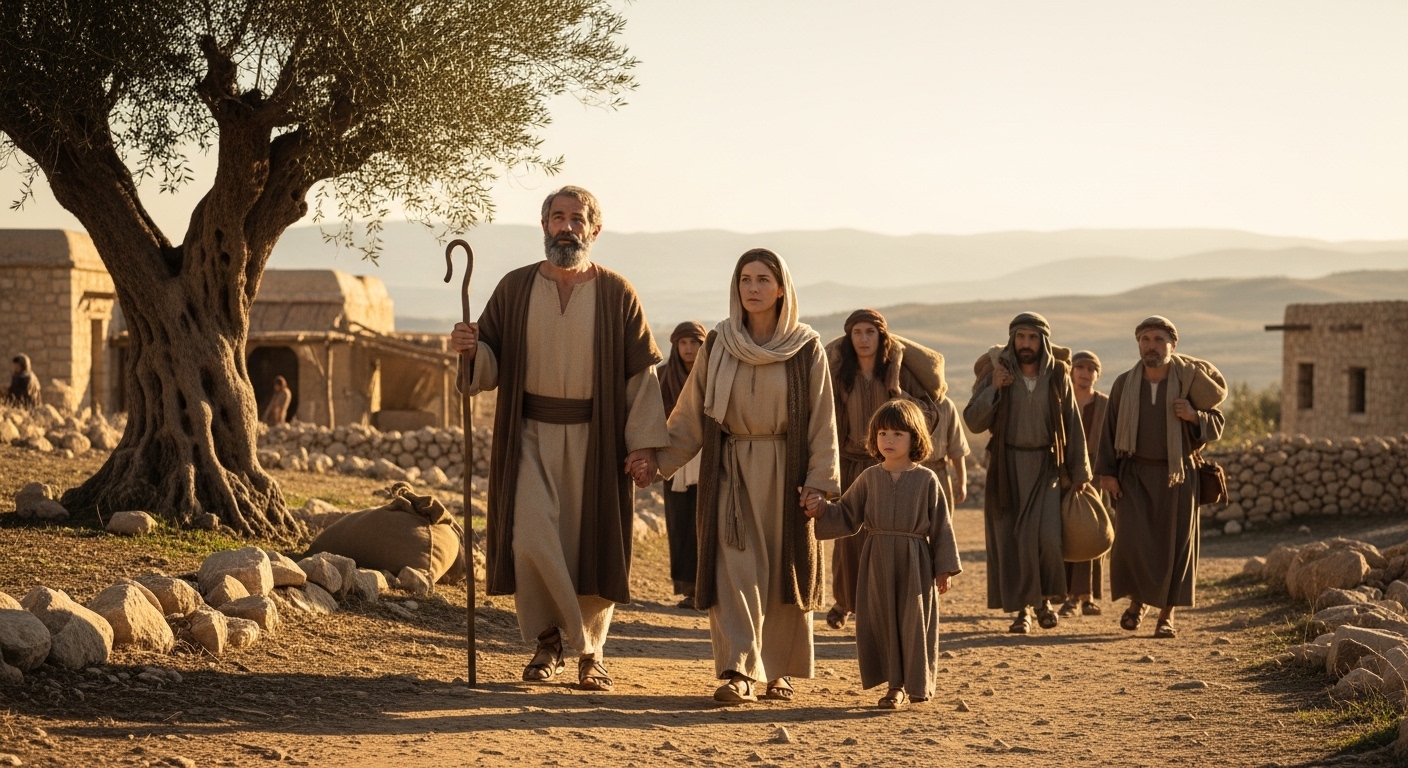
Abraham’s story begins with a radical invitation: leave your country, your family, and your familiar life, and go to a land God will show you. When you read Genesis 12, you see more than a migration; you see a posture of readiness and trust. Abraham’s willingness to go set the tone for everything that followed. He didn’t have perfect information or a fully formed plan — he had a promise and a God to follow.
How this applies to you: When God calls you into the unknown, He often asks for a simple posture — willingness. You might be tempted to wait until you feel ready, but Abraham’s example shows that faith moves you before the full picture appears. Practically, this can look like saying “yes” to serving in a new ministry, relocating for a job that aligns with God’s leading, or starting a new chapter in relationships or vocation even when you’re unsure of all the details. Start by clarifying the call: pray, seek wise counsel, and take one obedient step. Your obedience opens the door for God to reveal the next steps and to shape your character through the journey.
Practical steps:
- Spend focused time asking God to clarify the next step you should take.
- Make a small, concrete act of obedience within a week — a phone call, a visit, a signup.
- Surround yourself with trusted friends or mentors who can pray with and advise you.
As you practice this kind of responsive faith, you’ll notice that trust grows not because doubts disappear but because you experience God’s faithfulness in small and large ways. Abraham’s initial decision to go is one of the clearest “Abraham obedience Bible story” examples you can follow when the Lord asks you to move.
Lesson 2: Justified by Faith — faith lessons from Abraham
Bible Verse: Genesis 15:6
Genesis 15:6 records one of the Bible’s most celebrated statements: “Abram believed the Lord, and he credited it to him as righteousness.” This is central to the doctrine of justification by faith. Abraham believed God’s promise — that descendants and blessing would come despite biological impossibilities — and God counted that faith as righteousness. For you, this is liberating: God responds to trust, not perfection.
How this applies to you: You don’t have to “clean yourself up” before God accepts you. Abraham’s faith shows that trusting God with your situation is the first and vital step toward being in right relationship with Him. Practically, you can cultivate this faith by anchoring your hope in God’s character rather than your circumstances. When you feel unworthy or stuck, remind yourself of God’s promises, bring honest doubts to Him, and choose to believe His word over your feelings.
Practical steps:
- Memorize or meditate on key promises (start with Genesis 15:6 and Romans 4:3 to see the New Testament echo: Romans 4:3).
- Replace one “I can’t” statement with “God can” each day and pray it.
- Journal instances where you trusted God and saw fruit later — these are faith-builders.
When you practice trusting God in the everyday, you are following the same path Abraham walked. This trust becomes visible in how you make decisions, how you bear uncertainty, and how you relate to God during waiting seasons.
Lesson 3: Obedience under Test — Abraham obedience Bible story
Bible Verse: Genesis 22:1-12
The story of Abraham’s willingness to offer Isaac is one of the most intense, troubling, and inspiring passages in Scripture. God tested Abraham, calling for a sacrifice that seemed to contradict God’s earlier promise that through Isaac his offspring would be numbered. Abraham’s obedience — up to the very point God intervened — shows a trust so deep that he believed God could fulfill the promise even if the promise appeared to be taken away.
How this applies to you: Tests don’t mean God is cruel; sometimes they reveal the depth of your faith and allow God to demonstrate His power. In your life, tests may come as seasons of loss, surprising demands, or moments when God asks you to act in ways that risk comfort or reputation. Abraham’s example teaches you to hold God’s promises more tightly than your immediate plans or understanding.
Practical steps:
- When you face a test, lay the situation before God and remind Him of His promises — speak them out loud.
- Practice “surrender steps” — concrete acts that show you’re choosing God’s way (for example, giving time, resources, or forgiving someone).
- Seek community when confronted with costly obedience so you don’t carry the burden alone.
The faith Abraham demonstrated here is not a blind leap but a informed confidence in who God is. Even when you can’t see the outcome, obedience can become your worship. The story ends with God providing, which reassures you that obedience often becomes the pathway through which God’s provision appears.

Lesson 4: Waiting with Hope — faith lessons from Abraham’s patience
Bible Verse: Hebrews 11:8-12
Hebrews reflects on Abraham’s life as an example of faith. It describes stepping out into the unknown and then waiting for a promise that took years to arrive. Abraham and Sarah waited through seasons that tested their patience and courage, and yet Scripture honors them for persisting in faith. Waiting shaped their hope and taught them dependence.
How this applies to you: Waiting is rarely passive. You can wait actively by growing spiritually, serving faithfully, and maintaining hope. Waiting refines character and teaches endurance. Rather than seeing waiting as wasted time, view it as a season for preparation: relationships are formed, integrity is tested, and spiritual maturity develops.
Practical steps:
- Reframe waiting as a season of training: set spiritual goals (prayer, Bible reading, serving).
- Use waiting to reassess priorities and remove distractions that keep you from God.
- Keep a “faith ledger” of memories or answers that remind you of God’s faithfulness during previous waits.
When you embrace waiting as part of God’s process, you find peace in the tension of promise and patience. Abraham’s life encourages you to hold hope steady, even when visible evidence lags behind God’s word.
Lesson 5: Intercession and Partnership with God — Abraham Bible lessons in advocacy
Bible Verse: Genesis 18:23-33
Another dimension of Abraham’s life is his boldness in approaching God on behalf of others. In Genesis 18, Abraham intercedes for Sodom, negotiating with the Lord over the fate of the city. This passage reveals the depth of Abraham’s relationship with God: he felt comfortable bringing concerns, advocating for mercy, and engaging God in honest dialogue.
How this applies to you: You are invited into partnership with God through prayer — not as a manipulative tactic, but as a trust-filled engagement where God welcomes your heart. You can intercede for family, friends, leaders, and communities. Abraham’s approach models respectful boldness: he never commands God, but he does persistently ask and seek mercy.
Practical steps:
- Develop an intercessory prayer list; include people and places you feel God has laid on your heart.
- Practice praying with both reverence and boldness — be honest and persistent.
- Combine intercession with action: where possible, accompany prayer with practical help or advocacy.
This pattern teaches you that faith is not only personal but communal. As you pray for others and for justice, you mirror Abraham’s heart of compassion and partnership with God. Your prayers matter, and God often invites you to participate in His work of mercy in the world.

Explore Related Bible Lessons
Other Bible Character Stories
• Life Lessons From Moses: Faith, Leadership, and Trusting God’s Call → Explore Moses’ Story
• Life Lessons From Joseph: Trusting God Through Trials and Betrayal → Explore Joseph’s Story
• Life Lessons From David: Faith, Leadership, and Repentance → Explore David’s Story
Featured Lesson
• Prayer Practices: A Biblical Guide To Deepening Your Prayer Life → Learn How
Hub Collection
• Life Lessons From Bible Characters: 31 Powerful Examples of Faith and Obedience → Read the Full Collection
📖 Continue Growing in Your Faith
If this study of Bible characters encouraged your heart, keep growing with these powerful biblical teachings and devotionals:
• The 9 Fruits of the Spirit Explained (Galatians 5:22–23)
• 10 Biblical Promises of God That Bring Hop
• 12 Daily Christian Habits to Strengthen Your Walk With God
• 7 Daily Prayers for Peace of Mind and Heart – Philippians 4:6–7
• Lessons from Gideon – Trusting God Beyond Our Fear
• Lessons from Joseph – Trusting God’s Promises Beyond Our Lifetime
✨ These articles will help you continue exploring God’s Word, grow in faith, and apply biblical truths to your life today.
Reflection + Prayer
“Which lesson from Abraham speaks to your current life season? How can you apply it today?”
Take a few moments to reflect honestly. Is God calling you to step out in obedience like Abraham? To trust Him in waiting? To approach Him boldly in prayer for others? Write down one concrete step you will take this week to apply the lesson you felt most strongly.
Prayer: “Heavenly Father, thank You for the example of Abraham. Help me trust You, act in obedience, and grow in faith, just as they did. Guide my steps and teach me to rely on Your Word in every situation. In Jesus’ name, Amen.”
 Recommended Christian Reading
Jesus and the Woman Caught in Adultery — Grace and Mercy Over Judgment
A powerful retelling of Gospel of John 8:1–11, exploring forgiveness, mercy, and Christ’s compassion.
If you’re reflecting on spiritual growth and obedience, this story will remind you that transformation begins with grace.


Sponsored recommendation

Acknowledgment: All Bible verses referenced in this article were accessed via Bible Gateway (or Bible Hub).
“Want to explore more? Check out our latest post on Why Jesus? and discover the life-changing truth of the Gospel!”