

Many people pause at Jesus’ challenging questions and images because they force you to examine what really matters. You’ve probably heard the line, “What does it profit a man if he gains the whole world but loses his soul?” That piercing question comes from Matthew 16:26 and points you straight to the heart of Jesus’ teaching about where true value lies. In this article you’ll explore what Jesus meant when he told you to “store up treasures in heaven,” why that instruction mattered to his first listeners, and how it can shape your life, choices, and daily habits today.
You’ll walk through the historical background, unpack the meaning, and receive practical, faith-filled steps to help you live this truth. By the end, you’ll understand not only the verse’s original intent, but also how to apply it when life feels uncertain, when priorities pull you in different directions, and when you’re deciding what counts as treasure.
The Bible Verse Explained
“Do not store up for yourselves treasures on earth, where moths and vermin destroy, and where thieves break in and steal. But store up for yourselves treasures in heaven, where moths and vermin do not destroy, and where thieves do not break in and steal. For where your treasure is, there your heart will be also.” — Matthew 6:19–21
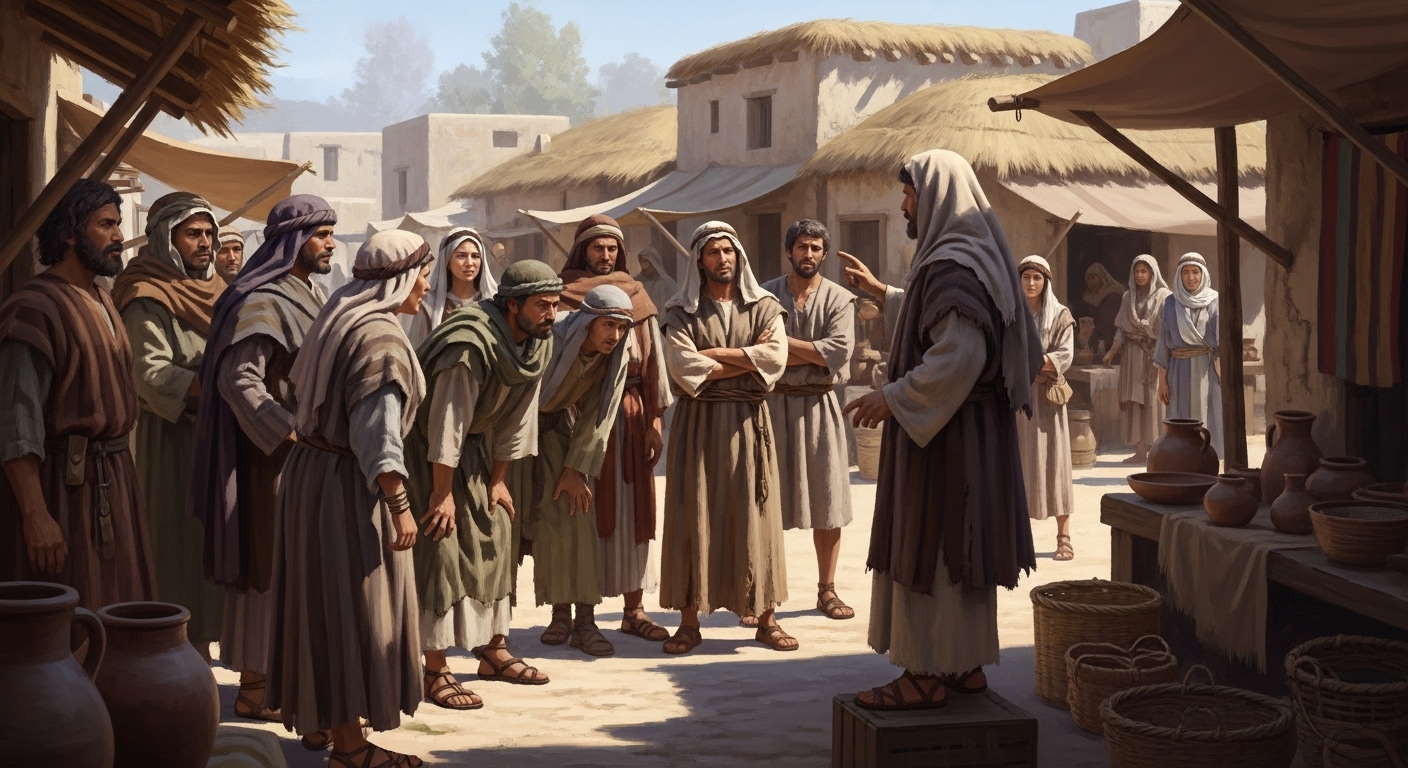
When you read these words, it helps to see who wrote them, who they were spoken to, and the situation in which they were given. The Gospel of Matthew, traditionally attributed to Matthew the tax collector and apostle, records Jesus’ Sermon on the Mount, a collection of teachings given to a broad crowd of followers and curious listeners. Jesus spoke in a first-century Jewish context, a world where wealth and religious practice were deeply entwined, and where social security didn’t exist like it does in many places today. People’s livelihoods were vulnerable to spoilage, theft, and economic swings. That reality makes Jesus’ images—moths, rust, thieves—concrete and urgent.
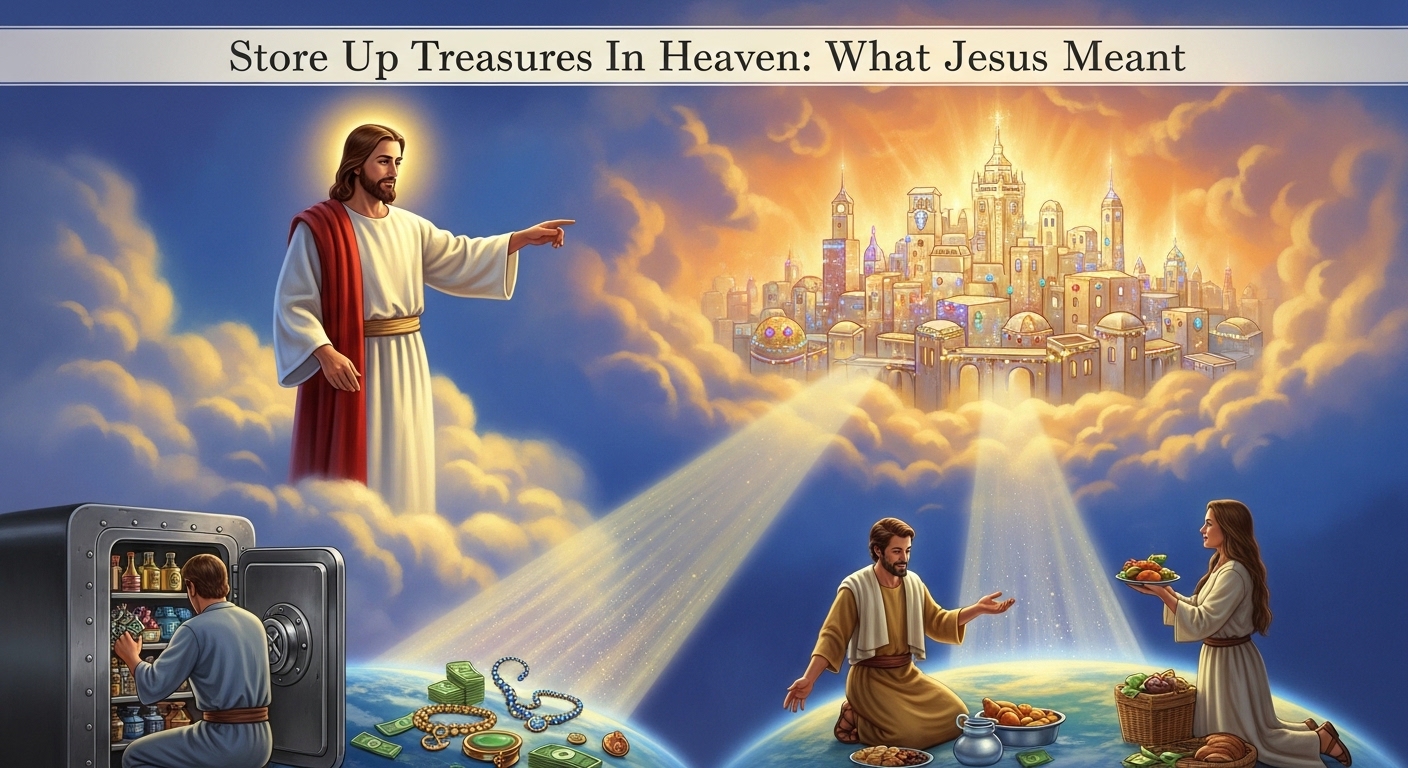
The key message behind these verses is that earthly riches are temporary and fragile, while heavenly treasures are lasting and secure. Jesus wasn’t simply condemning wealth; he was warning against a life ruled by the accumulation of material goods. He wanted your heart to be anchored where the value is eternal, not where decay and theft define the future. The verse calls you to reorient your desire, decisions, and investments toward what aligns with God’s kingdom.
Who wrote it
The Gospel of Matthew is attributed to Matthew, one of Jesus’ disciples. The book was written for a largely Jewish audience to show how Jesus fulfilled Old Testament promises and to instruct followers in kingdom living. Matthew’s recording of the Sermon on the Mount captures these core teachings with directness and pastoral concern.
Who it was written to
Jesus spoke to a mixed crowd: disciples, seekers, critics, and everyday people. The teaching is both individual and communal—intended for anyone who would follow Jesus and live under his lordship. It addresses the human tendency to trust in possessions rather than in God.
The historical setting
First-century Palestine was a place of economic instability, limited storage technology, and constant exposure to pests and theft. Your holdings could be decimated by natural causes or human greed. Jesus used everyday realities to illustrate spiritual truths that his listeners could immediately picture.
The key message of the passage
The passage urges you to change the location of your “investment.” You’re to prioritize heavenly values—love, mercy, justice, generosity, obedience—because those are imperishable. Where you place your treasure reveals the true posture of your heart.
What Does This Verse Really Mean?
To understand the verse deeply, you’ll want to unpack its spiritual implications, how it points you to trust God’s wisdom, and what it looks like when you try to live it out in ordinary life.
1. Understanding the Message of the Verse
At its core, this teaching contrasts two categories of treasure: earthly and heavenly. Earthly treasures are material possessions, status, temporary comforts, and the things you rely on for security. Heavenly treasures are spiritual realities—relationships with God, acts of loving service, faithfulness, character growth, and investments in others that reflect God’s kingdom.
The point isn’t that earthly goods are inherently evil. Instead, Jesus warns that your attachment to those goods can displace your allegiance to God. If you build your identity and security on possessions, you risk losing what truly defines you in God’s eyes. The comparison is moral and spiritual: what you choose to value shapes your heart and your destiny.
2. Trusting God’s Wisdom and Guidance
Jesus invites you to trust a different economy—the economy of heaven. Trust here means believing that God knows what’s best for you and that his promises are more reliable than any bank, insurance plan, or investment strategy. When you store treasures in heaven, you’re trusting God’s wisdom: you give away time, resources, and attention in ways that align with God’s purposes, believing those actions have eternal significance.
This trust changes how you view risk and loss. You won’t be reckless, but you won’t hoard out of fear. Instead, you’ll be willing to give, forgive, and serve because you believe God is sovereign and faithful to steward what truly matters.
3. Living Out This Truth in Everyday Life
Practically, storing treasures in heaven shows up when your daily choices reflect eternal priorities. That means choosing generosity over greed, service over selfish ambition, and spiritual growth over constant consumption. It means investing in relationships—your family, your church, strangers in need—rather than in accumulating things.
You’ll find that when you practice this, your decisions become less anxious. You’ll be less consumed by comparison and more focused on legacy—what you leave not in possessions but in people and character. Over time, your habits will show where your heart truly is.

Why This Verse Still Matters Today
This teaching is as relevant now as it was in Jesus’ day because the temptations remain: consumerism, distraction, comparison, and a cultural pressure to define success by material gain. Here’s why it matters for you now.
First, faith during uncertainty. In times of economic or personal uncertainty, it’s easy to seek security in what you can possess. Jesus’ words remind you that ultimate security comes from God. When markets tumble or life brings unexpected loss, your trust in God keeps you anchored.
Second, trusting God in difficult seasons. Trials often expose where your trust really lies. When you’ve built up treasures in heaven—through prayer, steady obedience, and generosity—you’ve established a spiritual foundation that sustains you in hardship. The internal wealth of faith, hope, and love carries you forward.
Third, spiritual growth. Prioritizing heavenly treasure produces maturity. Generosity, humility, and sacrificial service form character. That spiritual growth leads to a life shaped by purpose and peace rather than anxiety and unrest.
Fourth, encouragement from Scripture. The Bible repeatedly affirms that what you value will shape your life and future. Jesus’ teaching aligns with broader biblical themes about stewardship, trust, and eternal perspective. Knowing this gives you consistency and confidence as you navigate life’s choices.
How to Apply This Verse in Your Life
You don’t become spiritually wealthy overnight. But there are concrete steps you can take to align your life with heaven’s priorities. The following practices will help you store up treasures that last.
1. Reflect on God’s Word Daily
Make Scripture a daily habit. When you read and meditate on God’s Word, your values are daily recalibrated. The Bible trains your heart to recognize what’s true, beautiful, and lasting. You’ll begin to see opportunities to invest in what matters—encouraging a friend, giving time to your church, or supporting justice work. Reflection creates awareness, and awareness changes actions.
Practical idea: commit to a short daily reading plan. Even ten minutes of reflection on passages about generosity, love, and stewardship can reshape your thinking.
2. Pray for Wisdom and Guidance
Prayer is the channel through which you surrender your desires and seek God’s priorities. Ask God to show you where you are hoarding and where you could give more freely. Pray for clarity about how to use your time, money, and influence for kingdom purposes.
Prayer also nurtures dependence. You’ll find it easier to release control when you trust God’s providence and ask him to guide your steps.
3. Trust God Even When Life Feels Uncertain
Trust grows in the soil of uncertain seasons. When banking on eternal values, you’ll still plan and be prudent, but you won’t be driven by fear. Trusting God means you act faithfully in what is within your control and rest the outcomes with him.
A practical step: make a simple plan for generosity (e.g., a percentage of income or a monthly commitment to a cause). This helps you act against the instinct to hoard when times tighten.
4. Live Out Your Faith Through Action
Your faith becomes tangible when you serve others and practice generosity. Volunteer, mentor, give financially, and advocate for those on the margins. These actions are investments in people and in God’s work—treasures in heaven.
Remember: action roots theology in the real world. By living out your faith, you testify that your trust is not theoretical but lived and visible.

Common Misunderstandings About This Verse
Misunderstanding scripture is easy if you read it without context or assume extremes. Here are common mistakes and how to avoid them so you can apply Jesus’ teaching wisely.
First, taking the verse out of context. Some read “do not store up treasures on earth” as a blanket rejection of all possessions. But Jesus’ larger message is about the heart’s orientation, not about condemning lawful, wise stewardship. You can own things responsibly while refusing to be owned by them. The warning is against idolatry—placing ultimate worth on temporary things.
Second, misunderstanding the promise. The verse doesn’t guarantee a trouble-free life if you store treasures in heaven. Jesus himself speaks of persecution, loss, and sacrifice elsewhere. Storing treasures in heaven promises ultimate value, not an avoidance of suffering. In fact, choosing heavenly treasures may involve sacrifice now.
Third, applying the verse incorrectly through fatalism. Some interpret heavenly investment as a reason to neglect practical responsibilities. Jesus expects faith to be lived out with wisdom and diligence. You shouldn’t be reckless or irresponsible; instead, you should manage earthly affairs with care while prioritizing eternal values.
Fourth, equating wealth with lack of spirituality. Wealth itself isn’t proof of spiritual failure. Wealth can be a tool for kingdom work if used rightly. The issue is whether your possessions control you or whether you steward them for God’s purposes.
Avoid these errors by keeping the teaching’s heart-centered focus in view: it’s about where your treasure—and therefore your heart—resides.
Bible Verses Related to This Passage
Here are several Bible passages that connect closely to the theme of storing up treasures in heaven. Click each verse to read it in full on Bible Gateway.
- Proverbs 3:5–6 — This passage calls you to trust the Lord with all your heart and submit to his guidance, echoing the trust Jesus urges when he points you away from earthly security toward divine wisdom.
- Romans 8:28 — Paul reminds you that God works for the good of those who love him, even through suffering. This verse reassures you that investing in God’s kingdom has purpose beyond present circumstances.
- Hebrews 11:1 — Faith is defined as confidence in what you hope for and assurance about what you do not see. Storing treasures in heaven requires faith in unseen realities and God’s promises.
- Psalm 37:5 — “Commit your way to the Lord; trust in him and he will act.” This psalm encourages you to commit your plans to God rather than relying solely on your own resources.
- Luke 12:33–34 — This Luke parallel to Matthew’s teaching highlights selling possessions and giving to the poor, reinforcing that heavenly treasure is measured by generosity and heart orientation.
Each of these passages builds a consistent biblical picture: your hope and security belong in God, not in temporary riches.
Frequently Asked Questions About This Verse
These short answers clarify common questions and help you explain the teaching to others.
What does this verse mean in simple terms? In simple terms, Jesus is teaching you not to make material things the center of your life. Instead, invest your time, energy, and resources in things that have eternal value—compassion, faith, justice, and obedience to God.
Who wrote this verse in the Bible? The verse appears in the Gospel of Matthew, recorded by the apostle Matthew. The words are Jesus’ teaching during the Sermon on the Mount.
What is the main message of this verse? The main message is that where you place your treasure shows where your heart is. Jesus urges you to prioritize what lasts—heavenly values—over what decays or can be stolen.
How should Christians apply this verse today? Apply it by cultivating spiritual habits (reading Scripture, prayer), practicing generosity, making decisions that reflect eternal priorities, and trusting God when life is uncertain. Don’t idolize possessions, and let your actions reflect kingdom values.
Explore Related Bible Lessons
Other Bible Character Stories
• Life Lessons From Isaac: Trusting God’s Promises Across Generations → Explore Isaac’s Story
• Life Lessons From Abraham: Faith, Obedience, and Trusting God’s Promises → Explore Abraham’s Story
• Life Lessons From Joshua: Courage and Obedience → Explore Joshua’s Story
Featured Lesson
• Prayer Practices: A Biblical Guide To Deepening Your Prayer Life → Learn How
Hub Collection
• Life Lessons From Bible Characters: 31 Powerful Examples of Faith and Obedience → Read the Full Collection
Studying Jacob alongside leaders like Abraham, Isaac and Joshua helps you see how God works through different people in different seasons. Jacob’s story connects with these leaders in the ways God forms character: through trials, decisions, and dependence. Themes of faith, obedience, persistence, and trust in God run through each life — and together they show how God shapes ordinary, complicated people into agents of His promise.
A Short Prayer Inspired by This Verse
Heavenly Father,
Thank You for the wisdom and truth found in Your Word. Help me understand and live out the message of this verse each day. Teach me to trust You more than my possessions, to give generously, and to invest in what will last for eternity. Guide my heart, strengthen my faith, and use me to bring Your love to others.
In Jesus’ name, Amen.
 Continue Growing in Your Faith
If this study of Bible characters encouraged your heart, keep growing with these powerful biblical teachings and devotionals:
• The 9 Fruits of the Spirit Explained (Galatians 5:22–23)
• 10 Biblical Promises of God That Bring Hop
• 12 Daily Christian Habits to Strengthen Your Walk With God
• 7 Daily Prayers for Peace of Mind and Heart – Philippians 4:6–7
• Lessons from Gideon – Trusting God Beyond Our Fear
• Lessons from Joseph – Trusting God’s Promises Beyond Our Lifetime
 These articles will help you continue exploring God’s Word, grow in faith, and apply biblical truths to your life today.
Final Thoughts
Jesus’ instruction to “store up treasures in heaven” calls you to a radical reorientation of priorities. It’s not merely a moral admonition but an invitation to trust God’s economy over the world’s. When you let this teaching shape your choices—through study, prayer, generosity, and faithful action—you cultivate a heart that is resilient in crisis, generous in abundance, and patient in lack.
As you reflect on this verse, remember that progress is often gradual. Small, consistent steps of faithfulness build a life that truly treasures what God treasures. You’re invited to live with an eternal perspective that transforms daily living into meaningful, kingdom-centered action.
 Recommended Christian Reading
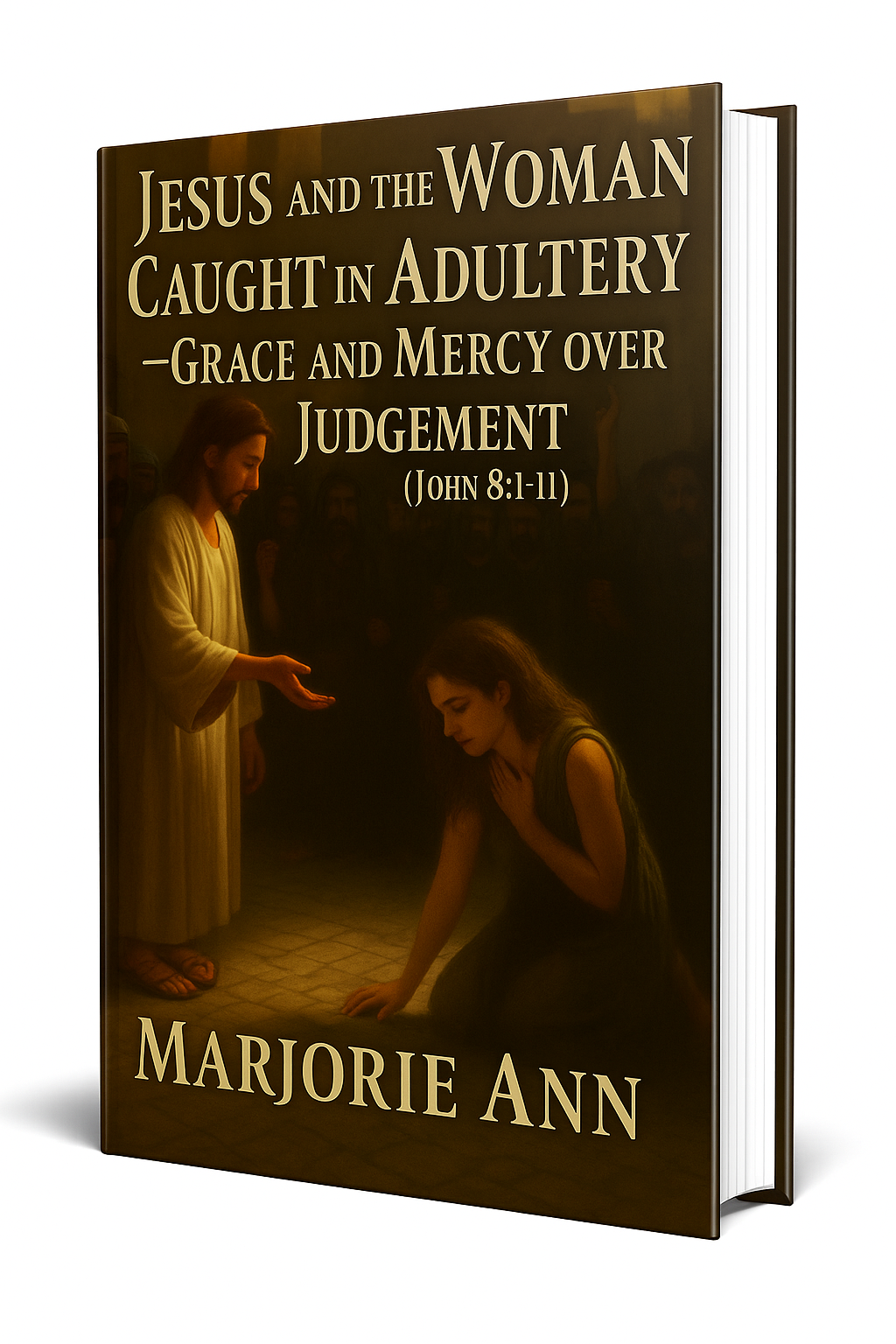
Jesus and the Woman Caught in Adultery — Grace and Mercy Over Judgment
A powerful retelling of Gospel of John 8:1–11, exploring forgiveness, mercy, and Christ’s compassion.
If you’re reflecting on spiritual growth and obedience, this story will remind you that transformation begins with grace.

Sponsored recommendation

Acknowledgment: All Bible verses referenced in this article were accessed via Bible Gateway (or Bible Hub).
“Want to explore more? Check out our latest post on Why Jesus? and discover the life-changing truth of the Gospel!”