

Strength Renewed — What Isaiah 40:31 Teaches About Waiting On The Lord

Have you ever felt worn out—emotionally, physically, spiritually—and wondered where your next burst of strength will come from? Maybe you’ve tried to push harder, schedule more rest, or lean on friends, but something deep still feels depleted. Isaiah 40:31 offers a simple, radical promise: when you wait on the Lord, your strength is renewed. In this article, you’ll explore what that really means, why waiting isn’t passive, and how you can live this truth out in everyday life.
Introduction — When You’re Tired of Being Tired
There comes a point when exhaustion runs deeper than sleep can fix. You might be doing everything “right”—resting more, cutting back, asking for help—yet still feel emotionally drained, spiritually dry, or quietly overwhelmed. In those moments, the question isn’t just how do I recover energy? but where does lasting strength actually come from?
Isaiah 40:31 speaks directly into that space. It offers a promise that feels almost countercultural in a world obsessed with productivity and self-reliance: when you wait on the Lord, your strength is renewed. Not replaced by sheer willpower. Not manufactured through hustle. Renewed—by God Himself.
This article explores what waiting on the Lord truly means, why it’s not passive or weak, and how this ancient promise becomes deeply practical for modern life. You’ll learn how waiting reshapes exhaustion into endurance, how God renews strength in different seasons, and how you can practice this truth daily—even when life feels heavy and slow.
📖 The Bible Foundation
Isaiah 40:31 — Verse Text and Link
Read the verse here: Isaiah 40:31 (NIV)
“But those who hope in the Lord will renew their strength. They will soar on wings like eagles; they will run and not grow weary, they will walk and not be faint.”
You can read the full chapter context on Bible Gateway.
What This Verse Says (Simply)
This verse promises that if you put your hope and trust in God, He will give you renewed energy—like getting a new set of wings. The imagery moves from soaring (freedom and perspective) to running (vigorous, purposeful motion) to walking (steady, endurance). In context, Isaiah encourages a weary people—Israel—to find comfort in God’s power and care. For you, it’s a picture of spiritual replenishment that addresses both sudden breakthroughs and long-term endurance.
Why Context Matters
Isaiah 40 was written to a weary people—Israel—living in exile, discouraged and worn down by long seasons of waiting. God’s message to them wasn’t, “Try harder,” but “Look at who I am.” The chapter repeatedly points to God’s power, faithfulness, and care for the exhausted.
Isaiah 40:31 is not a motivational quote detached from reality. It is a promise spoken to tired people, grounded in the character of a powerful, compassionate God.
🧠Understanding the Core Truth — What “Waiting on the Lord” Really Means
At the heart of Isaiah 40:31 is a simple but life-altering truth:
Strength is renewed not through striving, but through trusting.
Waiting Is Not Passive
Biblical waiting does not mean doing nothing, giving up, or sitting in spiritual limbo. The Hebrew word often translated as wait or hope carries the idea of expectant trust—a confident reliance on God while remaining attentive and obedient.
Waiting on the Lord means:
-
Trusting God’s timing over your urgency
-
Leaning on God’s power instead of your own
-
Staying faithful even when progress feels slow
It is an active posture of faith, not spiritual procrastination.
Why This Matters Today
This teaching counters two common traps: frantic self-reliance and passive resignation. Waiting on God asks you to stop striving in your own strength while not giving up hope. It invites you into a rhythm of trust where God supplies what you lack—whether it’s courage, patience, endurance, or clarity.
🌊 Going Deeper — The Hidden Meaning

Heart-Level Lesson
Beneath the imagery of eagles and running is an invitation to shift your identity from independent struggler to dependent child. When you wait on the Lord, you acknowledge your limits and invite God to act. This produces inner transformation: humility grows, reliance on God strengthens, and your perspective expands beyond immediate hardship.
A Relatable Example
Think of a marathon runner who trains for months: rest, nutrition, pacing, and trusting the plan are all crucial. Waiting on the Lord is like following a spiritual training plan—regular prayer, Scripture, community, and obedience. When race day (your difficult season) arrives, you aren’t surprised by fatigue; you’re prepared to endure because your strength was renewed in the process.
Biblical Insight
Isaiah speaks to an exhausted nation expecting deliverance. God doesn’t promise a shortcut; He promises sustenance and empowerment. That same dynamic works for you—God meets you where you are, gives perspective (soaring), bursts of power (running), and steady perseverance (walking).
A Biblical Pattern — Strength Through Dependence
Throughout Scripture, God consistently strengthens people after they admit weakness.
-
Moses doubted his ability—God provided power
-
David waited years before becoming king—God shaped his heart
-
Elijah collapsed in exhaustion—God restored him gently
-
Paul learned that strength is perfected in weakness
Waiting is not a delay in God’s plan—it is often how God prepares you for it.
💡 Modern Connection — Relevance Today
How It Applies to Your Life Now
You can apply Isaiah 40:31 whether you’re dealing with daily stress, long-term caregiving, job uncertainty, or spiritual dryness. Waiting on the Lord might mean pausing your anxious plans to pray, turning down an impulsive move to seek counsel, or keeping steady in small spiritual disciplines despite slow results. In workplaces, relationships, and family life, this posture helps you make decisions infused with faith instead of fear.
Practical Examples
At Work
Instead of forcing advancement through anxiety, you pray, grow in skill, seek counsel, and trust God with timing.
In Relationships
Instead of manipulating outcomes, you practice patience, prayer, and steady love.
In Personal Struggles
Instead of numbing exhaustion, you turn to God daily for strength rather than quick relief.
This kind of waiting aligns closely with the promise found in Romans 8:28, where God works through all things for good
👉 https://biblestorieshub.com/god-works-for-good-holding-on-to-hope-in-romans-828/
❤️ Practical Application — Living the Message

Here are simple, tangible steps to make “waiting on the Lord” part of how you live:
- Reframe Waiting as Active Hope
- Replace anxious thoughts with short prayers throughout your day. When worry arises, say, “God, I’m trusting you for this.”
- Create Small Rhythms of Renewal
- Daily Scripture and short prayers (10–20 minutes) will renew your perspective more than occasional long sessions.
- Use Community
- Share your waiting with a trusted friend or small group. Ask them to pray and remind you of God’s promises.
- Keep a Waiting Journal
- Record prayers and answered prayers. Over time, you’ll see God’s faithfulness, which fuels hope.
- Take Next Faithful Steps
- Waiting doesn’t mean doing nothing. Take ordinary steps—gentle obedience—while you trust God with the results.
For guidance on decision-making while waiting, see:
Why God Often Renews Strength Gradually
God rarely renews strength all at once. More often, He supplies it daily.
Why?
-
Daily renewal builds dependence
-
Gradual strength shapes character
-
Ongoing trust deepens relationship
Just as manna was given one day at a time, God often provides strength one step at a time—enough for today.
This protects you from pride and keeps your heart close to Him.
🌿 Faith Reflection Box
Pause for a moment: Where in your life are you trying to manufacture strength instead of receiving it from God? What would it look like to take one small step of trust today—one short prayer, one act of obedience, one conversation with a friend?
Key Takeaways
- Waiting on the Lord is active hope, not passive delay.
- God renews your strength so you can soar, run, and walk through life’s seasons.
- Small spiritual rhythms and community make waiting sustainable and fruitful.
- Keep a record of God’s faithfulness; it strengthens future waiting.
- Trust and obedience work together: take faithful steps while you wait.
👉 Q&A
Q1: How do I know if I’m really “waiting on the Lord” or just procrastinating? Answer: True waiting on the Lord combines trust with action. Procrastination avoids responsibility and lacks prayerful dependence. When you wait on God, you pray, seek wisdom, and take faithful steps—small, obedient actions that align with God’s Word—even when the outcome is uncertain. Waiting is marked by peace and hope, not guilt. For practical guidance, see this post: https://biblestorieshub.com/5-bible-promises-of-gods-daily-guidance-you-can-rely-on/. Also consider Psalm 27:14 for encouragement: Psalm 27:14.
Q2: Can waiting on the Lord change difficult circumstances, or does it only change me? Answer: Waiting on the Lord can do both. Sometimes God changes circumstances in extraordinary ways; other times He changes you—your character, patience, and perspective. Both outcomes reflect His goodness. Trusting God reshapes how you respond, which often opens doors for practical change. https://biblestorieshub.com/when-waiting-feels-endless-learning-gods-perfect-timing-psalm-2714/. See Romans 8:28 for a broader promise: Romans 8:28.
Q3: How long should I wait before I change course or take a different step? Answer: There’s no one-size-fits-all timeline. Wise waiting involves prayer, counsel, discernment, and observable signs of God’s leading. If you’ve prayed, sought godly input, and still sense peace about a change, it may be time to act. If your heart is anxious and restless, slow down and return to prayer. This post helps with decision-making in seasons of waiting: https://biblestorieshub.com/biblical-wisdom-for-decision-making-and-guidance-james-15/. You may find guidance in James 1:5: James 1:5.
Q4: What if I’ve waited a long time and feel like my faith is failing? Answer: Feeling faith-weak is common; it doesn’t mean you’ve failed. Honest prayer about doubt is itself an act of faith. Keep practicing small spiritual disciplines, share your struggle with a trusted believer, and remember God’s past faithfulness recorded in your life or Scripture. You can read more on persevering in faith here: https://biblestorieshub.com/prayer-for-perseverance-in-faith-hebrews-121-2/. For comfort, consider Isaiah 40:31 again: Isaiah 40:31.
🙏 Conclusion & Reflection
Waiting on the Lord isn’t an empty pause; it’s a spiritual posture that invites God to renew your strength. Isaiah 40:31 reassures you that hope in God leads to fresh energy, rising above circumstances, and steady endurance for the long haul. As you practice active waiting—through prayer, Scripture, community, and faithful steps—you’ll discover that God’s timing and strength become the foundation of your life.

A short prayer you can take with you: Lord, help me to wait with hope. When I grow weary, renew my strength. Teach me to trust You in the small steps and the long seasons. Fill me with patience, courage, and peace as I lean on You. Amen.
More Inspiration Awaits — Read These Next
 For deeper insight into Isaiah 40:31 and how it renews your strength in both faith and daily life
For practical lessons on compassion and neighborliness from the Good Samaritan
For a clear explanation of what we can learn from the Parable of the Good Samaritan
For meaningful insights from the Parable of the Pearl and its hidden treasures
For a deeper look at the Rich Man and Lazarus and what it reveals about the afterlife
For guidance on the Parable of the Ten Virgins and preparing for God’s Kingdom
For clarity on the Parable of the Lamp and how it calls us to shine our light
For insights from the Parable of the Wedding Feast and the meaning behind the invited guests
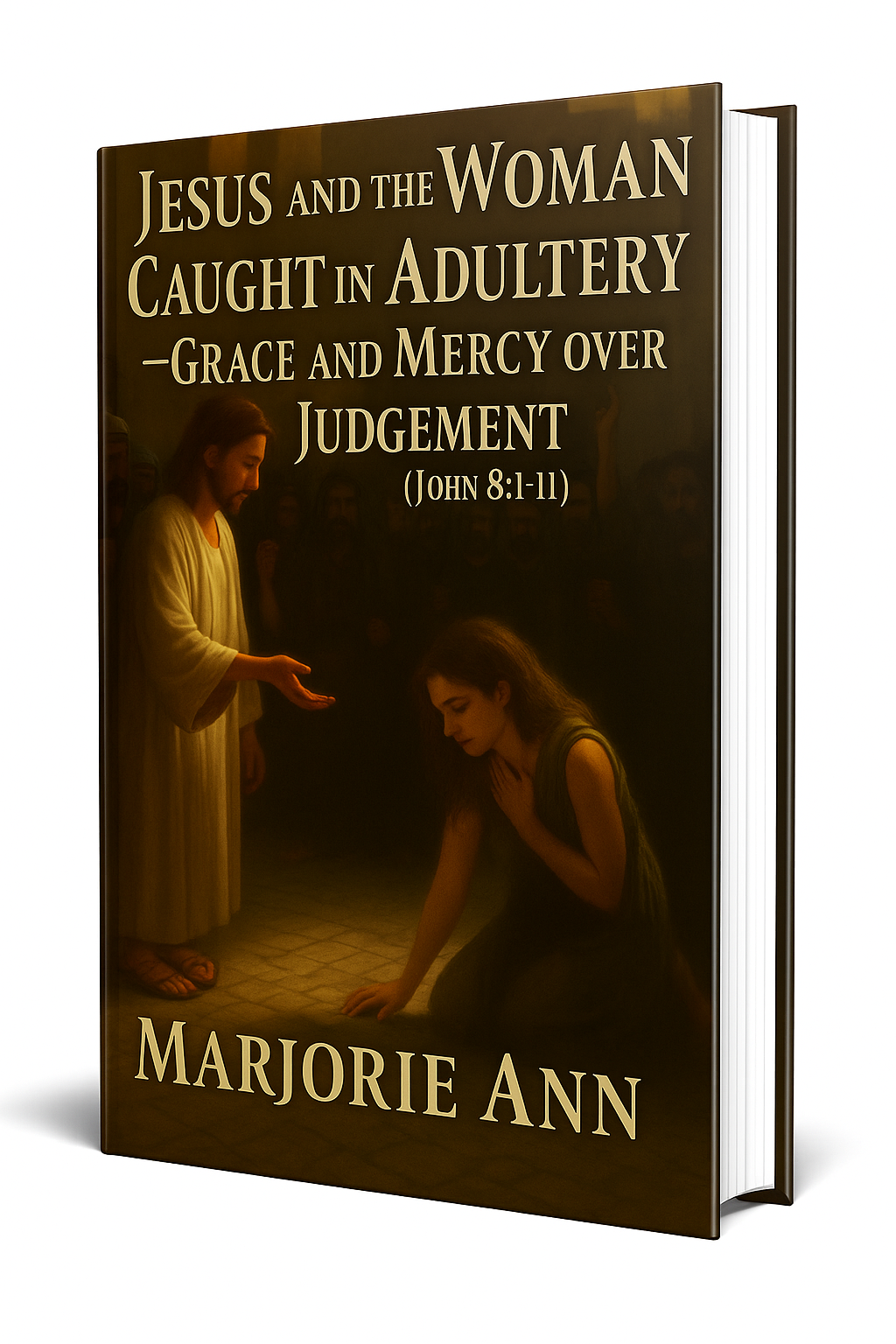
 Jesus and the Woman Caught in Adultery – Grace and Mercy Over Judgement
A powerful retelling of John 8:1-11. This book brings to life the depth of forgiveness, mercy, and God’s unwavering love. Check it now on Amazon 


 “Every great message deserves a home online.”


Don’t let your calling stay hidden. Start a Christian blog or website using Hostinger — with 99.9% uptime, a free domain, and SSL, your voice can shine for God’s glory anytime, anywhere. Begin today. Try it RISK-FREE! 

 “Your body is God’s temple — care for it with purpose.”


Renew your energy and restore balance naturally. Mitolyn helps support a healthy metabolism, giving you the vitality to live out God’s calling with strength and confidence.
Unlock Your Metabolic Power!  Burn More Calories & Feel Great With Mitolyn.
Start Today.  Check Price Now.
As a ClickBank & Amazon Affiliate, I earn from qualifying purchases.
 Acknowledgment: All Bible verses referenced in this article were accessed via Bible Gateway (or Bible Hub).
Want to explore more? Dive into our new post on Why Jesus? and experience the life-changing truth of the Gospel!