



Introduction
You’ve probably heard the phrase “lean not on your own understanding” quoted in sermons, printed on wall art, or shared as encouragement in difficult seasons. It’s one of those short, memorable pieces of Scripture that feels like a compass needle when life gets confusing. Maybe you’re facing a crossroads—career choices, relationships, health struggles—and you want a clear, faithful way forward. Or perhaps you’ve been frustrated by the gap between what you plan and what actually happens, and you long for a deeper sense of God’s guidance.
In this article you’ll explore what this command actually means, where it came from, and how it can shape the way you think and live. You’ll see the verse in its original context, unpack its layered meanings, and find practical steps for living it out. By the end, you’ll have a clearer sense of how to trust God when your understanding feels limited, and how that trust transforms the ordinary rhythms of your life.
The Bible Verse Explained
Start by reading the verse clearly. Proverbs offers practical wisdom for life, and this passage is one of its best-known exhortations:
“Trust in the Lord with all your heart and lean not on your own understanding; in all your ways submit to him, and he will make your paths straight.” — Proverbs 3:5–6.
To grasp what this meant originally, consider who wrote it, who it was written to, the historical setting, and the passage’s key message.
Who wrote it? The book of Proverbs is traditionally attributed to King Solomon, known for wisdom and instruction. While many proverbs were compiled over time, Solomon is presented in Scripture as the primary source of the wisdom material (see 1 Kings and 2 Chronicles background). The authorial voice in Proverbs blends royal instruction with the voice of a teacher—someone concerned with helping people navigate daily life in a God-honoring way.
Who was it written to? Proverbs is addressed generally to the people of Israel—young leaders, families, and anyone seeking practical guidance for living wisely. The intended audience includes those who want to form character, make ethical choices, and flourish in community. Its lessons are not limited to elite scholars; they’re aimed at ordinary people seeking skillful living under God.
Historical setting. Proverbs emerged in an ancient Near Eastern context where wisdom literature was common. It developed during the monarchy in Israel when communal life, family structures, and leadership needed moral and practical orientation. In that setting, wisdom was both moral and pragmatic—about making choices that led to flourishing under God’s order.
Key message of the passage. At its core, Proverbs 3:5–6 calls you to trust God with the whole of your heart, not to rely on your own limited perspective, and to acknowledge God in every part of life. The promise is specific: if you adopt that posture—trusting, not self-relying, submitting—God will make your paths straight. That doesn’t guarantee an absence of obstacles, but it promises divine guidance, alignment, and a trustworthy course through life’s choices.
This short passage functions like a hinge: it connects inner disposition (trust) with outward action (acknowledging God in your ways) and with God’s response (directing your path). In its original context, it encouraged believers to posture themselves around God rather than around the shifting sands of human opinion and experience.

What Does This Verse Really Mean?
When you pull the thread of this verse, a few essential truths unravel. It’s easy to repeat the words without letting them change the way you think or act, so let’s dig deeper into what the verse actually teaches.
1. Understanding the Message of the Verse
The core teaching is about dependence. “Trust in the Lord with all your heart” isn’t a suggestion to compartmentalize faith; it’s an invitation to full-hearted reliance. Your “heart” in biblical language includes emotions, will, intellect, and moral inclination. You’re invited to orient your entire inner life toward God.
“Lean not on your own understanding” recognizes human limitations. You have insight, experience, and logic, but those are finite. Leaning on your own understanding means making life decisions as if you have complete insight into circumstances, motives, and outcomes. The text warns against that posture. Instead, it nudges you toward humility—admitting you don’t see the full picture and need God’s wisdom.
“In all your ways submit to him” moves the posture from private belief to public practice. It’s not enough to trust mentally; you express that trust by acknowledging God in your choices, habits, and plans. This acknowledgment shapes behavior, priorities, and relationships.
Finally, “he will make your paths straight” is both reassuring and active. It implies God’s participatory role in shaping the trajectory of your life. You can expect guidance, clarity, and direction as you align your heart and actions with God.
2. Trusting God’s Wisdom and Guidance
Trusting God’s wisdom means you value divine perspective over momentary human logic. That doesn’t mean rejecting reason; it means submitting reason to a wisdom that sees beyond present circumstances. God’s wisdom is informed by His character, covenant, and the broader narrative of redemption—dimensions your immediate understanding can miss.
Practically, this trust looks like seeking God’s counsel through Scripture, prayer, and godly community. It looks like patience when answers are delayed, openness when plans change, and a willingness to realign when you sense God’s nudging. It’s also a posture of hope: you believe God’s wisdom leads to good ends even when the route seems indirect.
Trusting God also reorients motivation. When you trust God, you’re less driven by anxiety, control, and fear. You make decisions rooted in faithfulness, not just self-protection. This kind of trust develops maturity and increases your capacity to live with uncertainty.
3. Living Out This Truth in Everyday Life
Practically living this verse out means you invite God into small decisions as well as big ones. It affects how you handle finances, relationships, ethical dilemmas, and long-term goals. You begin with prayerful reflection: “Lord, how do you want me to approach this?” You use Scripture as a lens for decision-making, allowing biblical principles to shape your values.
You’ll also cultivate habits that reinforce trust: regular Bible reading, asking for counsel from mature believers, journaling God’s faithfulness, and intentionally choosing obedience in mundane moments. When you consistently choose to acknowledge God in your daily routine, your decisions start bearing the mark of divine wisdom—humility, patience, and love.
Over time, living this way reshapes your identity. You’re less likely to be defined by success or failure and more likely to be defined by relationship with God. Trust becomes a practiced muscle rather than an abstract idea.

Why This Verse Still Matters Today
You live in a world brimming with options, information overload, and cultural pressures. That environment makes the call to trust God and not lean on your own understanding especially relevant.
First, faith during uncertainty. In a culture that prizes quick answers and self-sufficiency, uncertainty can breed fear. This verse speaks directly into that fear, offering a spiritual alternative: acknowledge God and receive His guidance. When you’re overwhelmed, the verse invites you to shift your source of security from your calculations to God’s wisdom.
Second, trusting God in difficult seasons. When relationships fracture, economies shift, or health fails, your own understanding often looks inadequate. The verse assures you that God’s ways can guide you through pain and ambiguity. It doesn’t always erase suffering, but it promises presence and direction through it.
Third, spiritual growth. Trust is not static; it’s formed by repeated acts of dependence. This verse becomes a training manual for faith. Each time you step into the unknown trusting God, your faith deepens. The process matures you spiritually and builds resilience.
Fourth, encouragement from Scripture. The Bible repeatedly calls people to trust God rather than themselves. That isn’t an escape hatch from responsibility; it’s an invitation into partnership. You’re called to decide, act, confess, and follow—but with God as your ultimate source of wisdom and hope.
In short, the verse matters because it answers a perennial human problem: how to live wisely when you can’t see everything. Its wisdom applies to job changes, parenting decisions, moral dilemmas, ministry choices, and the quiet daily work of faithful living.
How to Apply This Verse in Your Life
Application makes the difference between memorizing a verse and being transformed by it. Here are practical steps to help you internalize and live out Proverbs 3:5–6.
1. Reflect on God’s Word Daily
Make Scripture reflection a non-negotiable rhythm. Short, consistent time with God reshapes your thinking. When you read Scripture with a question—“Lord, how does this speak to my decision today?”—you cultivate sensitivity to God’s voice. You’ll begin to notice patterns, promises, and priorities that inform your choices.
Use simple methods: read a passage slowly, meditate on a phrase, journal what stands out, and ask how it applies to your current situation. Over time, God’s wisdom becomes more accessible during decision-making moments.
2. Pray for Wisdom and Guidance
Prayer invites God into your uncertainty. Ask specifically for wisdom, clarity, and the courage to obey. James 1:5 encourages you to ask God for wisdom, promising that He gives generously when you seek with faith. Prayer also helps produce the inner calm you need to discern wisely rather than react impulsively.
Pair prayer with patience. Sometimes God responds immediately; other times He shapes you through a season of waiting. Trust that prayer is part of the journey even when answers unfold slowly.
(Reference: James 1:5)
3. Trust God Even When Life Feels Uncertain
Practice trusting God in small moments so you can depend on Him in larger ones. When you face uncertainty, name your fears honestly to God and choose a faithful step forward—whether that step is seeking counsel, making a decision, or waiting. Trust isn’t passive; it often requires action that demonstrates confidence in God’s leading.
Remember that “making paths straight” can mean God removes obstacles, changes your heart, redirects your steps, or gives you endurance to persevere. Be open to how God’s guidance appears.
4. Live Out Your Faith Through Action
Obedience concretizes trust. When God nudges you toward reconciliation, generosity, ethical courage, or rest, respond. Your actions are proof of where your trust lies. You’ll find that practical obedience often produces clarity: by doing the next faithful thing, God frequently reveals the next step.
Surround yourself with a community that encourages honest faith. Ask trusted friends or mentors to speak truth and help you discern. Community provides accountability and perspective when your own understanding feels blurred.

Common Misunderstandings About This Verse
Even beloved verses can be misapplied. Let’s clear up some frequent misunderstandings so you can embrace a healthy, biblical reading.
Taking the verse out of context. Some interpret “lean not on your own understanding” as a prohibition against thinking or planning. That’s not the intent. The verse doesn’t dismiss intellect or prudence; it warns against exclusive reliance on them. You’re invited to use wisdom and reason but to submit those tools to God’s authority.
Misunderstanding the promise. “He will make your paths straight” is sometimes read as a promise of an easy life or guaranteed success. Instead, it’s better understood as God’s faithful guidance toward His purposes. Straight paths can include difficult stretches that build character; they’re about alignment with God’s wise aims, not necessarily immediate comfort.
Applying the verse as an escape from responsibility. Trusting God is not a passive abdication of responsibility. You don’t stop thinking, planning, or seeking counsel. Rather, you engage those disciplines with a posture of dependence—saying, “God, I’m using the gifts and understanding you gave me, and I look to you to guide and correct.”
Expecting immediate revelation. Some expect a dramatic, unmistakable sign each time a decision looms. Often God guides through Scripture, wise counsel, inner conviction, and circumstances that unfold over time. Learn to recognize God’s voice in ordinary means and be patient for clarity.
By clarifying these misunderstandings, you can embrace the verse’s wisdom without slipping into extremes like fatalism or self-reliance.
Bible Verses Related to This Passage
Scripture often echoes its own themes, and several passages complement the message of Proverbs 3:5–6. Here are four passages that reinforce the idea of trusting God rather than relying solely on your own understanding:
• Romans 8:28 — This verse reassures you that God works all things for good for those who love Him. It supports the idea that trusting God includes believing He can redeem and direct even difficult circumstances for a faithful purpose.
• Hebrews 11:1 — Defining faith as the assurance of things hoped for and the conviction of things unseen, this verse shows that trusting God rests on confident hope rather than visible proof—an essential complement to not leaning on your limited understanding.
• Psalm 37:5 — “Commit your way to the Lord; trust in him and he will act.” This Psalm echoes Proverbs by urging intentional commitment to God and promising His action in response to trust.
• James 1:5 — James encourages you to ask God for wisdom and promises that God gives generously. This verse gives a practical step—ask—and a pastoral reassurance that God responds to the humble seeker.
Each of these passages helps you see the wider biblical picture: trust is active, faith looks forward, and God’s wisdom and action accompany those who seek Him sincerely.
Frequently Asked Questions About This Verse
What does this verse mean in simple terms? In plain language, the verse says: trust God fully, don’t assume your own view is the only correct one, include God in all your decisions, and He will guide you. It’s an invitation to depend on God rather than only on your own reasoning.
Who wrote this verse in the Bible? The verse comes from the book of Proverbs, traditionally associated with King Solomon. Proverbs collects wisdom sayings and teachings directed to the people of Israel, designed to train hearts and minds in wise living.
What is the main message of this verse? The main message is wholehearted trust in God. You’re called to stop relying solely on your own limited understanding, to acknowledge God in your daily life, and to expect His guidance in return.
How should Christians apply this verse today? Apply it by making Scripture reflection and prayer routine, seeking godly counsel, practicing obedience in small things, and choosing trust when outcomes are uncertain. Use your intellect and resources, but submit them to God’s leadership, and be open to how He directs your steps.
If I follow this verse, does it mean I won’t make mistakes? Following the verse doesn’t guarantee perfection. You’ll still make mistakes, because you’re human. The promise is that God directs and restores. Trusting God helps you recover, learn, and grow from errors rather than being defeated by them.
Can “making your paths straight” mean different things? Yes. Sometimes it means God removes obstacles; sometimes He changes your heart, gives direction, or strengthens you to face a difficult road. The core is alignment with God’s good purposes more than a guarantee of comfort.
These short answers help you grasp the verse practically and prepare you to apply it with realistic expectations.
A Short Prayer Inspired by This Verse
Heavenly Father,
Thank You for the wisdom and truth found in Your Word. Help me understand and live out the message of this verse each day. Strengthen my faith, guide my steps, and teach me to trust You more deeply in every season of life.
In Jesus’ name, Amen.
Use this prayer as a starting point when you feel uncertain. Personalize it with your specific concerns and trust that God hears you.
Explore Related Bible Lessons
Other Bible Character Stories
• Life Lessons From David: Faith, Leadership, and Repentance → Explore David’s Story
• Life Lessons From Joshua: Courage and Obedience → Explore Joshua’s Story
• Life Lessons From Samuel: Hearing God’s Voice and Faithful Service → Explore Samuel’s Story
Featured Lesson
• Prayer Practices: A Biblical Guide To Deepening Your Prayer Life → Learn How
Hub Collection
• Life Lessons From Bible Characters: 31 Powerful Examples of Faith and Obedience → Read the Full Collection
 Continue Growing in Your Faith
If this study of Bible characters encouraged your heart, keep growing with these powerful biblical teachings and devotionals:
• The 9 Fruits of the Spirit Explained (Galatians 5:22–23)
• 10 Biblical Promises of God That Bring Hop
• 12 Daily Christian Habits to Strengthen Your Walk With God
• 7 Daily Prayers for Peace of Mind and Heart – Philippians 4:6–7
• Lessons from Gideon – Trusting God Beyond Our Fear
• Lessons from Joseph – Trusting God’s Promises Beyond Our Lifetime
 These articles will help you continue exploring God’s Word, grow in faith, and apply biblical truths to your life today.
Final Thoughts
“Lean not on your own understanding” is a simple phrase with depth. It calls you into a posture of dependence that changes how you think, decide, and respond. It doesn’t promise an easy life, but it promises a faithful Guide who walks with you, shapes your character, and directs your steps.
When you study Scripture in context, pray for guidance, and practice small acts of trust, you’ll discover a freedom that comes from surrender—freedom from the anxiety of having to get everything right on your own. This verse invites you into a partnership with God where your limited understanding is met by His perfect wisdom.
May the truth of Proverbs 3:5–6 encourage you to trust more, fear less, and follow the straight paths God provides.
 Recommended Christian Reading
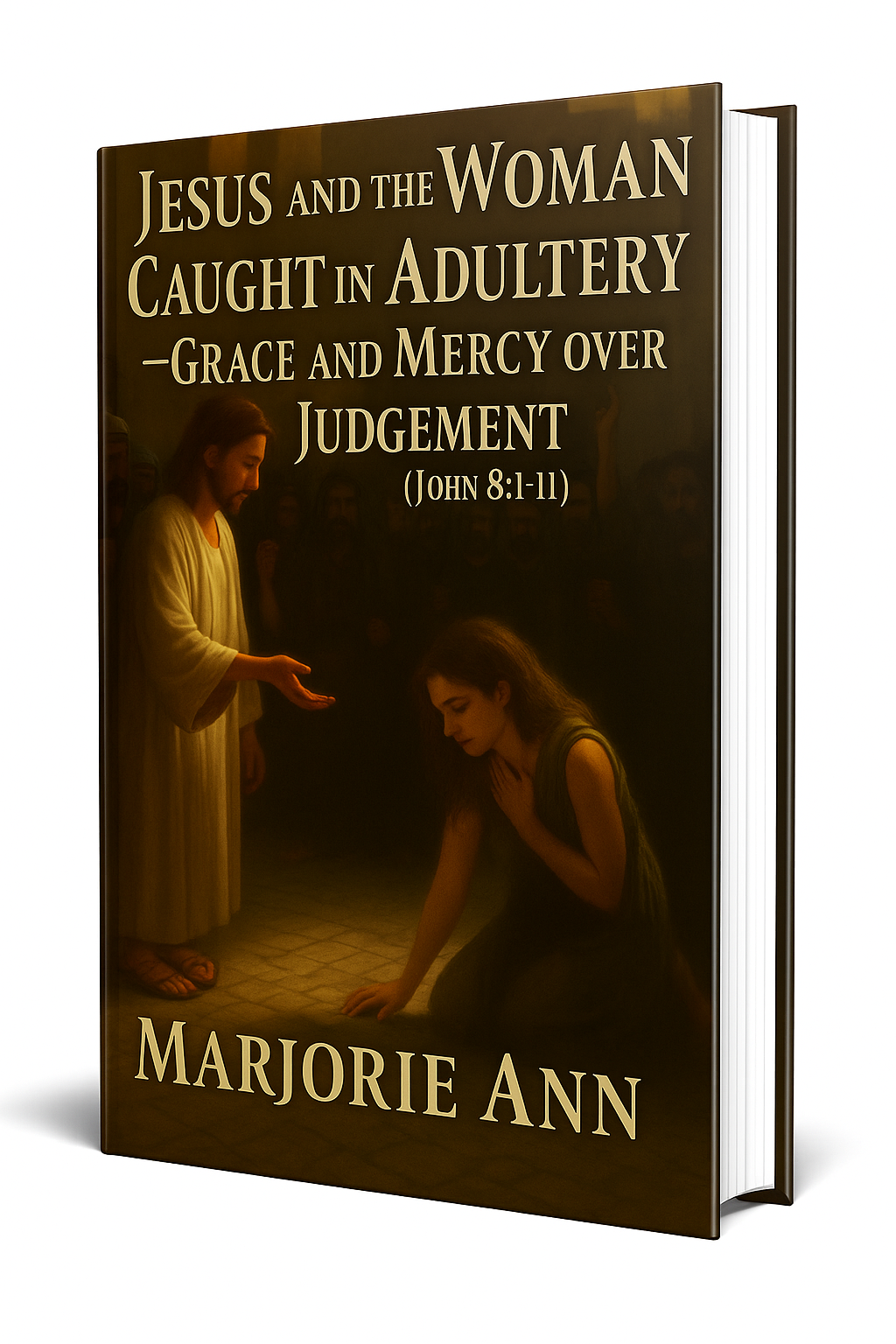
Jesus and the Woman Caught in Adultery — Grace and Mercy Over Judgment
A powerful retelling of Gospel of John 8:1–11, exploring forgiveness, mercy, and Christ’s compassion.
If you’re reflecting on spiritual growth and obedience, this story will remind you that transformation begins with grace.

Sponsored recommendation

Acknowledgment: All Bible verses referenced in this article were accessed via Bible Gateway (or Bible Hub).
“Want to explore more? Check out our latest post on Why Jesus? and discover the life-changing truth of the Gospel!”