

What Does The Bible Say About The Gates Of Heaven? (Revelation 21:12–27)
TL;DR — Simple Answer
Revelation 21:12–27 portrays the gates of the New Jerusalem as symbolic entrances to God’s eternal presence—twelve gates representing God’s covenant people (tribes and apostles), each fashioned with jewels and made secure so only what is pure may enter. The passage emphasizes God’s holiness, the fulfillment of redemptive promise in Christ, and the assurance that believers have access to God’s eternal city. Practically, it invites you to live in light of that coming reality: pursue holiness, cherish Christ’s work that opens the way, and walk as a pilgrim confident of God’s welcome.
INTRODUCTION
Why this matters spiritually, not just academically
The picture of gates invites immediate spiritual questions: Who is allowed in? How do you enter? What kind of place is it? These are not trivia; they touch the deepest longings of the human heart: belonging, safety, and final communion with God. As a teacher, you’ll want to see this text less as a historical puzzle and more as a pastoral promise. The gates of heaven in Revelation don’t just decorate a future city; they reveal God’s character—His holiness, faithfulness, and tender provision through Christ. Understanding them shapes faith, discipleship, and how you live now in anticipation of that eternal welcome.
SIMPLE BIBLICAL MEANING
What the gates are, what they represent, and what God reveals
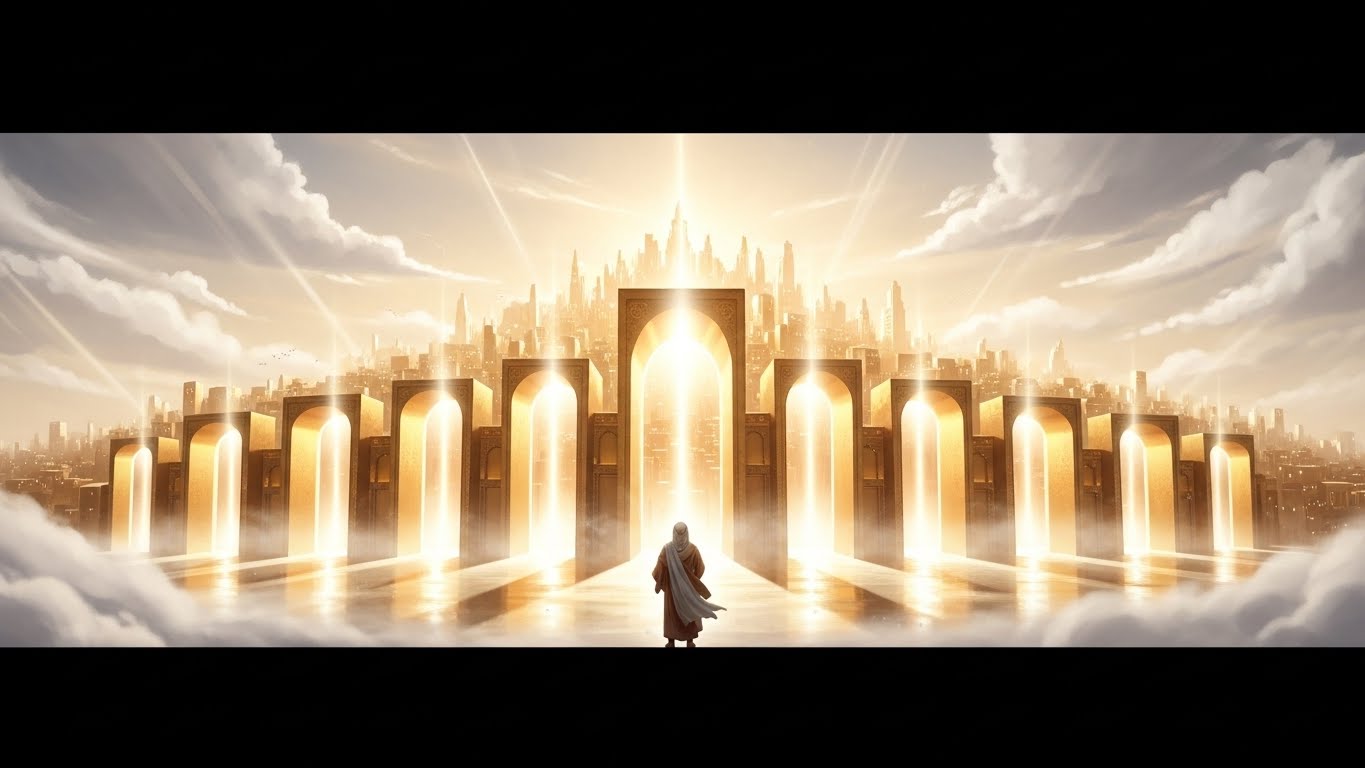
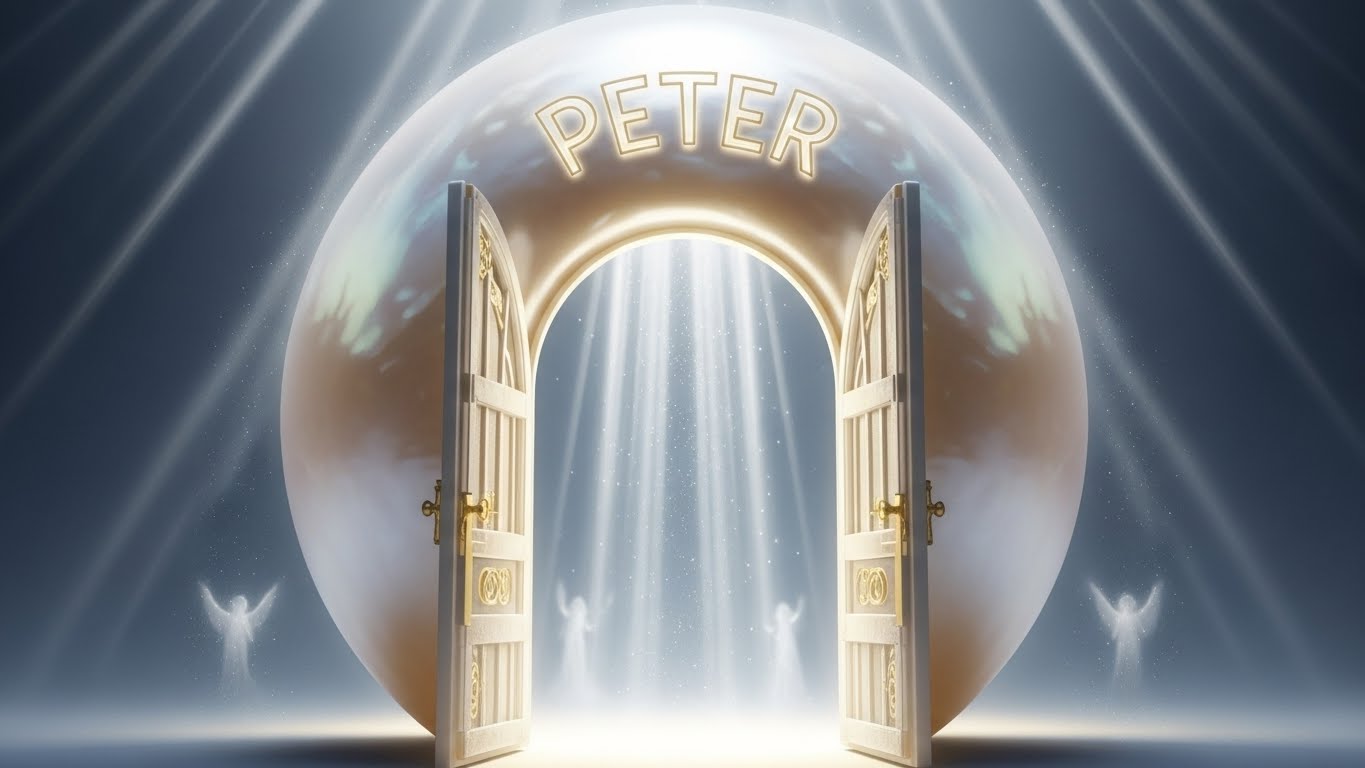
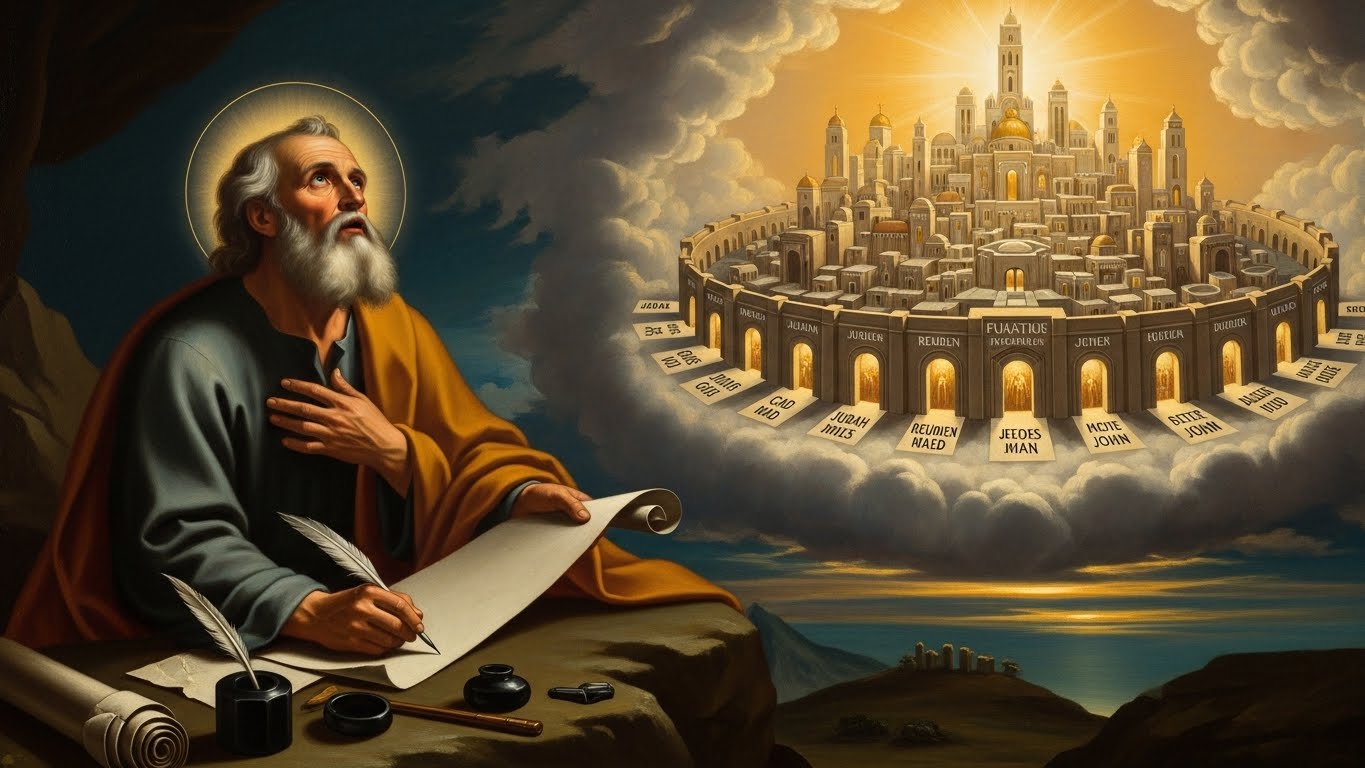
In plain language, the “gates of heaven” in Revelation refer to the entryways of the New Jerusalem—God’s eternal city. These gates are described with magnificent imagery: they are twelve in number, each gate is a single pearl, and names are written on them (representing the twelve tribes of Israel and the twelve apostles). Symbolically, gates stand for access—who enters God’s presence and on what basis. God reveals that access will be holy (nothing impure may enter) and public (the city is open, the glory of God illuminates it), pointing you back to Christ as the means by which sinners are made ready to enter.
WHAT DOES THE BIBLE SAY?
Key biblical passages and what they show
The central text is Revelation 21:12–27, where John describes the New Jerusalem. He writes under the revelation of Jesus Christ about a city with twelve gates and twelve foundations. The gates are named after the twelve tribes of Israel, and the foundations after the twelve apostles of the Lamb. The city has no temple; God and the Lamb are its temple, and the city needs no sun for its glory illuminates all.
- Who is speaking? John the Apostle records the vision given to him by the risen Christ. See the context in Revelation 1 and 21.
- Who is addressed? The vision is addressed to the seven churches (Revelation 1–3) and to all believers, offering final hope and affirmation.
- What is happening? John sees the consummation of God’s redemptive plan: a new heaven and a new earth, and a city where God dwells with people, secure behind gates that mark both welcome and sanctity.
Scripture reference: Revelation 21:12–27.
The Bible Foundation
Selected verse (key anchor) Revelation 21:21 (NIV): “The twelve gates were twelve pearls, each gate made of a single pearl. The great street of the city was of gold, as pure as transparent glass.”
Read it in context: Revelation 21:12–27.
Other supporting verses:
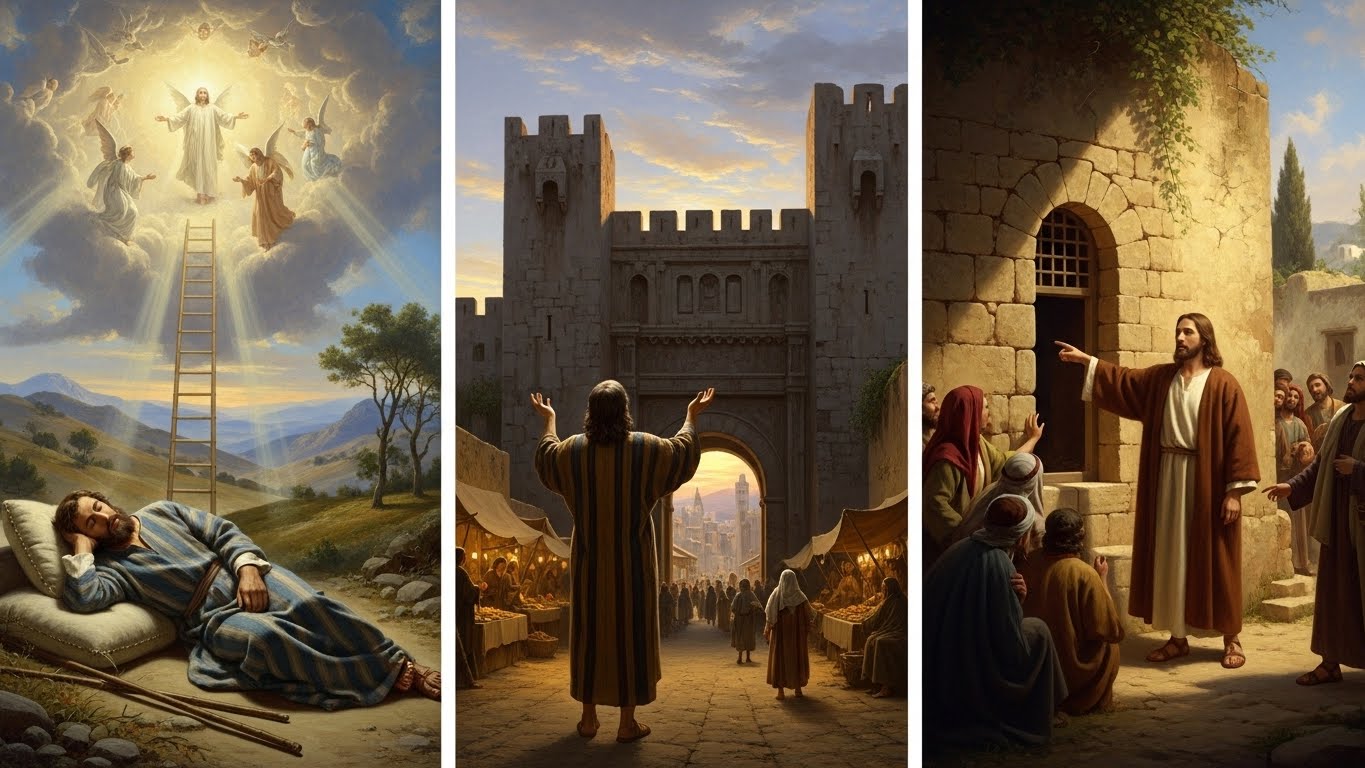
- Jacob’s declaration at Bethel: Genesis 28:17 — “How awesome is this place! This is none other than the house of God; this is the gate of heaven.”
- God’s gates called to open in Psalm: Psalm 24:7–10.
- Jesus speaks of gates and access: John 14:2–3 — “In my Father’s house are many rooms… I go to prepare a place for you.”
- Contrast phrase “gates of Hades”: Matthew 16:18, showing Christ’s authority over the powers of death.
These texts together root the Revelation image in biblical tradition: gates as places of encounter, decision, and authority.
QUICK ANSWERS PEOPLE ASK (PAA SECTION)
- What do the twelve gates mean? They symbolize the full people of God—unity of Israel and the church through God’s redemptive plan. See Revelation 21:12–14.
- Are the gates literal or symbolic? The Bible uses vivid, symbolic language to convey profound truth. Whether literal pearls or symbolic beauty, the point is the glorious reality of God’s prepared, holy dwelling place.
- Can anyone enter the gates? Only those whose names are written in the Lamb’s Book of Life enter (see Revelation 21:27). Entrance is conditioned on holiness and redemption—secured only through Christ.
- Do the gates mean there is no temple? In Revelation 21, there is no temple because God and the Lamb are the temple—God’s presence is immediate (see Revelation 21:22–23).
GOD’S PURPOSE, PROTECTION & PROMISE
God’s sovereignty and the role of Christ
The gates function to teach you about God’s purpose: restoration and fellowship. They testify that God is both welcoming and holy. Jesus Christ is at the center—He is the Gate and the Way (cf. John 10:7–9; John 14:6). God promises that He will dwell with His people and fully remove everything that defiles.
Protection: In Revelation, the gates are part of the city’s security—a renewed creation where sin and death are excluded. The “no impurity” clause (Revelation 21:27) is not a threat but a promise of perfected relationship: what was broken has been healed.
Warning: The warning is pastoral rather than sensational—if you claim entrance while abandoning Christ, the book warns of deception. The remedy is repentance, faith in Jesus, and faithful obedience.
GOING DEEPER — BIBLICAL CONTEXT
Cross-references that show continuity and fulfillment in Christ
Old Testament:
- Jacob at Bethel called the place “the gate of heaven” (see Genesis 28:17). That early image of a point of access to God carries forward into Revelation’s final city.
- The Psalms often speak of gates as places of worship and justice (see Psalm 100 and Psalm 24:7–10).
Gospels:
- Jesus used gate imagery to teach about access (see John 10:7–9 and John 14:2–3). He is the true entrance to God.
Epistles:
- Paul frames salvation as a new access in Christ (see Ephesians 2:18: “through him we both have access to the Father by one Spirit”).
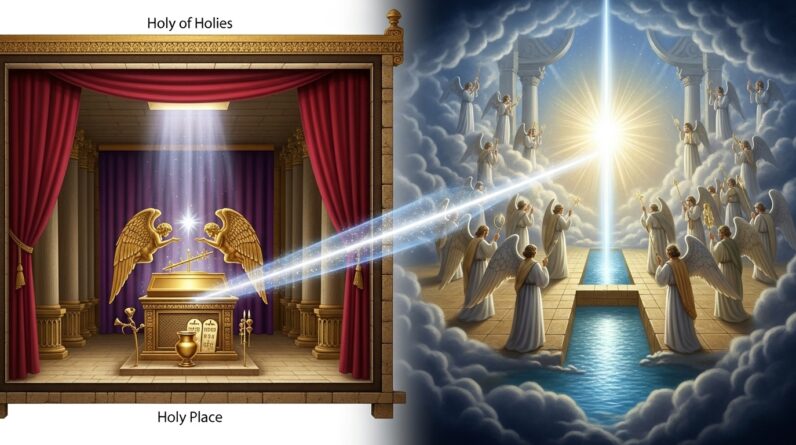
- Hebrews speaks of Jesus entering the true Holy Place (see Hebrews 9:11–12), opening eternal access to God’s presence.
This continuity shows you what the gates signify: God’s plan from Genesis to Revelation is about restoring access to Himself through the promised means, culminating in Christ.
MODERN CONNECTION — DAILY LIFE APPLICATION
How does this teach you in your daily walk?
When you read about gates made of pearl and a city with no night, the message isn’t escapist fantasy; it’s pastoral formation. If the gates mark the entrance to God’s presence, your daily choices—repentance, worship, mercy—train you for that city. Anxiety about acceptance is answered by the gospel: God has provided entrance through Jesus. Decision-making gains a horizon: you choose not merely for comfort now but for citizenship in the city to come. When trials tempt you to live for lesser things, Revelation’s gates remind you that ultimate belonging and security are found in Christ, not in temporary comforts. Live with hope, holiness, and hospitality—because the city’s gates welcome a people who mirror God’s character.
PRACTICAL APPLICATION (BULLET POINTS)
Here are practical steps to live as someone invited through the gates of heaven:
- Regular prayer that confesses need for Christ’s cleansing and asks for a heart transformed by the Spirit.
- Daily Scripture reading focused on gospel passages (Gospels and Paul) that shape identity in Christ.
- Pursue holiness in small choices—speech, generosity, and integrity—as training for the city’s life.
- Engage in regular fellowship and accountability; the church is a foretaste of the city.
- Practice hospitality and mercy—welcoming others mirrors the gates’ openness to God’s people.
- Worship with expectancy, remembering Jesus is the true entrance to the Father.
- Share the gospel: help others see the way into the city is through Christ.

 “Every God-given message deserves to be shared.”


Don’t let your calling stay hidden. Start a Christian blog or website using Hostinger — with 99.9% uptime, a free domain, and SSL, your voice can shine for God’s glory anytime, anywhere. Begin today.
  Try it RISK-FREE!
FAITH REFLECTION BOX
Pause and reflect
Question: How does knowing that the gates of heaven welcome only the redeemed shape the way you live this week?
Key Takeaways (3–5 reminders)
- You enter God’s presence by grace through Christ—trust, not works, is the basis for entry.
- Holiness is not legalism but sanctified living in response to God’s welcome.
- The church now practices a foretaste of that city—seek unity and holiness with your brothers and sisters.
- Live with hope; your choices matter for the character you cultivate.
- Invite others to the Way (Jesus) that opens the gate.
FREQUENTLY ASKED QUESTIONS
Q1: Are the gates of Revelation literal pearl gates or symbolic imagery? Answer: Revelation uses rich, symbolic language to communicate theological realities. When it says each gate is a single pearl (Revelation 21:21), it likely conveys incomparable beauty and value rather than insisting on literal pearls as building material. Scripture regularly uses physical imagery (stones, gates, light) to point you to spiritual truths—God’s holiness, the preciousness of redemption, and the city’s radiance (cf. Isaiah 60:11). Focus on what the image teaches: God’s welcome is glorious, costly, and wholly gracious.
Related: What Will Heaven Be Like According to the Bible?
Q2: Who do the twelve gates represent—Israel, the church, or both? Answer: Revelation names the twelve tribes of Israel on the gates (see Revelation 21:12–14) and the twelve apostles on the foundations, signaling continuity and fulfillment. This imagery suggests the unity of God’s people across covenant history: God’s promises to Israel and the church’s witness in Christ converge in the city. We see fulfilled covenant faithfulness—God has not discarded Israel but has brought together a people from every tribe and tongue through Christ (cf. Ephesians 2:14–16). The gates point to the fullness of God’s redeemed community.
Q3: If God’s glory lights the city, why do we still need faith now? Answer: Revelation tells you the city will have no sun because “the glory of God gives it light” (Revelation 21:23). That future reality doesn’t eliminate the present need for faith; rather, it grounds it. You live by faith because the promised reality is not yet fully realized. Faith is the means by which you walk toward that reality now—trusting Christ, obeying his Word, and embodying kingdom values. The future light shapes present hope and patient endurance (cf. Hebrews 11:1). Keep seeking, knowing the final assurance awaits in Christ.
See also: The New Jerusalem’s Gates: Always Open, Never Shut — Revelation 21:25
CONCLUSION & PRAYER
Summary of the main truth
Revelation’s gates are not trivia or decorative details; they are a profound theological statement: God prepares a holy, glorious, and secure entrance to Himself, made possible through Jesus Christ. The gates symbolize welcome for the redeemed and the holiness demanded by God’s presence. As you live now, you are invited to walk in the reality those gates represent—repentant, hopeful, obedient, and hospitable.
A Christ-centered prayer
Lord Jesus, you are the way, the truth, and the life. Thank you for opening the gate through your death and resurrection and for promising a city where you dwell with your people. Help me to live in the light of that hope—pursuing holiness not to earn a place but to reflect the One who made the way possible. Shape my heart for compassion, give me courage to repent when I wander, and empower me by your Spirit to welcome others to the gospel. Come, Lord Jesus; teach me to love what you love. Amen.
Please clap if this helped you, leave a comment with a question or insight, and subscribe to my Medium newsletter for updates and further Bible reflections.
RELATED TOPICS
Explore more on related topics:
- What Is Eternal Life And How Is It Related To Salvation? (John 17:3, Romans 6:23)
-
What Happens During The Trumpets In Revelation? (Revelation 8–11)
 As a ClickBank & Amazon Affiliate, I earn from qualifying purchases.
 Acknowledgment: All Bible verses referenced in this article were accessed via Bible Gateway (or Bible Hub).
 Want to explore more?
  Dive into our new post on Why Jesus? and experience the life-changing truth of the Gospel!