


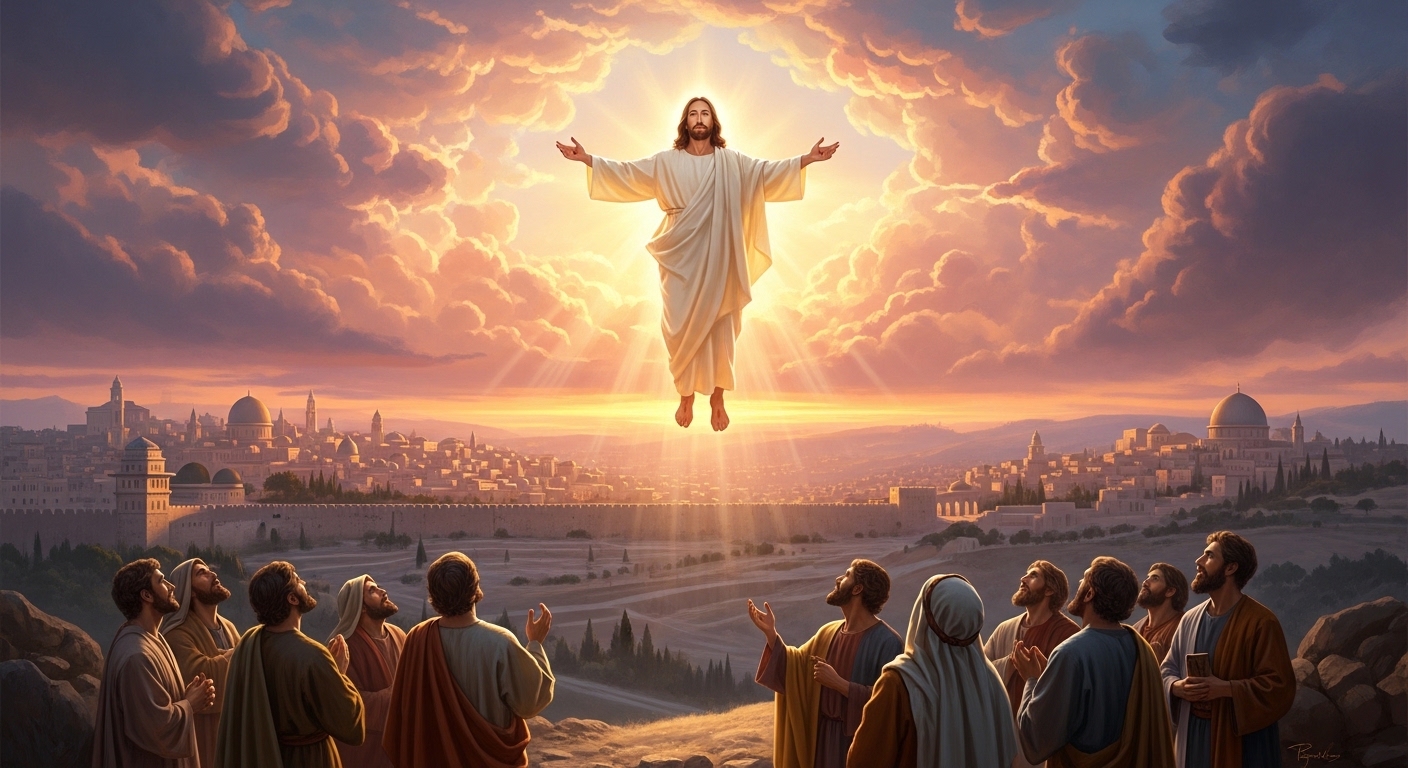
After Jesus ascended into heaven, you might wonder: did the story end there? The answer is no. The ascension marked a pivotal transition point—the earthly ministry of Jesus concluded, and the mission passed into the hands of His followers, empowered by the promised Holy Spirit. In the days and years that followed, the early church was born, the gospel was boldly proclaimed, and a movement spread across the Roman world and beyond.
This guide walks you through a clear, chronological timeline of what happened after Jesus ascended. You’ll see how God’s plan continued step by step, how the Holy Spirit transformed ordinary lives, and how the church began to grow from a small group of believers into a worldwide community. As you read, you’ll find Scripture references and practical reflection prompts so you can connect the historical timeline with your own faith journey.
Full Timeline Overview
Right after the ascension, events unfolded in a rhythm that moved from waiting to power, from fear to boldness, and from a small gathering to rapidly spreading witness. The major milestones you’ll want to track are: Jesus’ ascension, the disciples’ period of prayerful waiting, the coming of the Holy Spirit at Pentecost, the preaching of the gospel with new boldness, the formation of the early church, and the spread of the message through preaching, miracles, missionary journeys, and letters. Each step built on the last, showing a movement that was spiritual, communal, and missional.
This overview is simple, but each point contains deep theological and practical significance. As you move through the timeline, keep in mind that the same Holy Spirit who moved then is at work today, shaping communities and empowering believers to live on mission.
Key Bible Verse
A guiding verse for understanding the ascension and what followed is Acts 1:11. The angels who appeared after Jesus left reminded the disciples of a future hope: that Jesus will return in the same way He left. Read the verse here: Acts 1:11.
This verse matters because it frames the ascension not as an end but as a promise. The disciples were given a future expectation that would shape their witness: they were to live between the first coming of Jesus and His promised return, advancing the kingdom while they waited. That “in-between” time is the context for everything that follows.
Full Timeline Breakdown
The following sections walk you through the key events immediately after the ascension and through the early years of the church. Each step is rooted in Scripture and filled with theological implications for how God’s mission moved forward.
1. Jesus Ascends into Heaven (Acts 1:9)
The ascension is recorded clearly in Scripture: Jesus was taken up into heaven before the eyes of His disciples. See the account here: Acts 1:9.
Theologically, the ascension declares that Jesus’ earthly work was accomplished and that He now reigns at the right hand of God. His physical departure signaled a shift: Jesus’ presence would now be mediated by the Holy Spirit, and His followers were entrusted to continue His mission. For you, the ascension means Christ is active in heaven interceding for believers, and you live with the hope of His return.
2. The Disciples Wait (Acts 1:14)
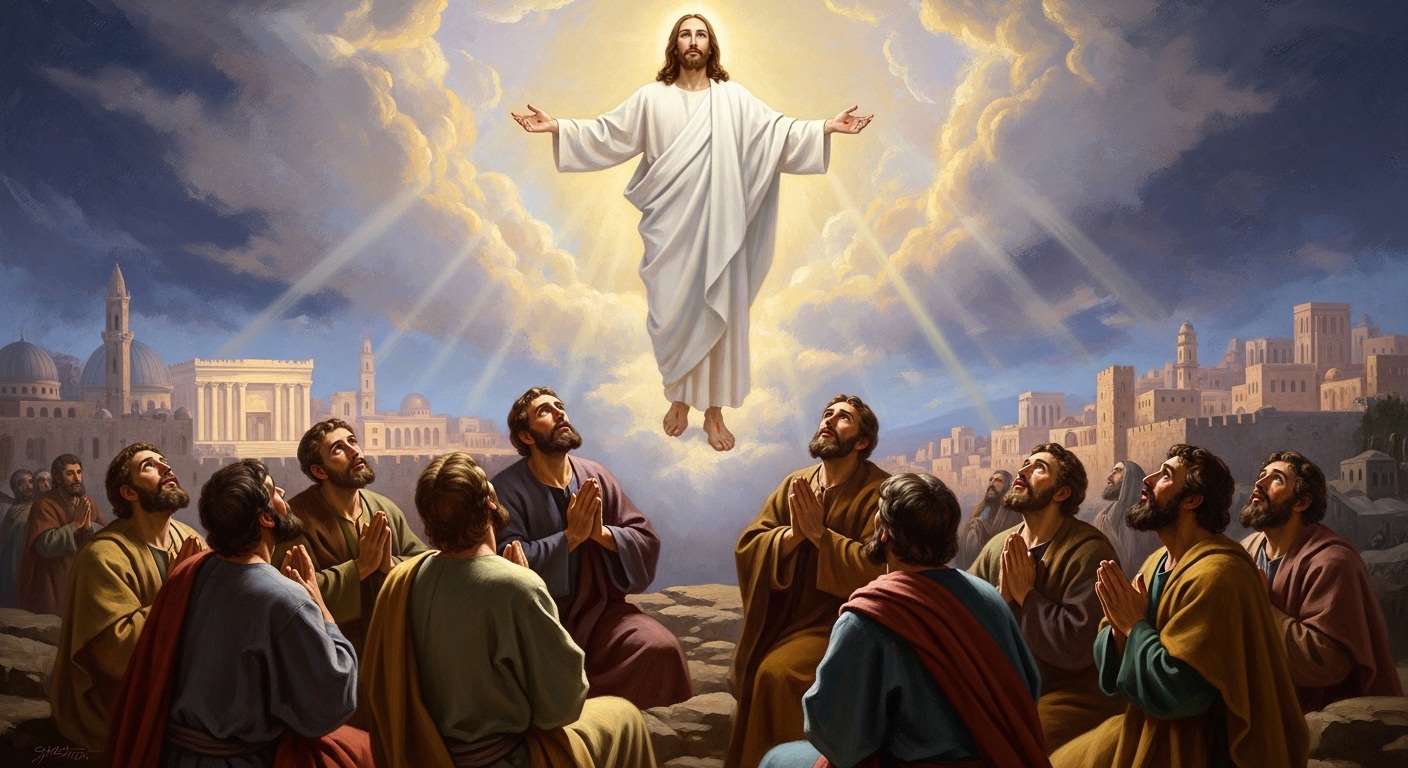
After the ascension, the disciples returned to Jerusalem and gathered together in prayer and fellowship. Luke notes their united waiting and persistent prayer in the upper room. Read the context here: Acts 1:14.
This season of waiting was not passive. You see obedience, expectation, and a posture of dependency as the disciples sought guidance and the promised Holy Spirit. Waiting can be hard, but it is formative. For you, this phase teaches that preparation—prayer, unity, and discernment—matters before God sends you into bold action.
2a. Choosing a Replacement for Judas (Acts 1:15–26)
Before Pentecost, the group addressed a practical and spiritual need: the replacement of Judas. They nominated and prayed, and Matthias was chosen to restore the Twelve. Read the passage here: Acts 1:15-26.
This moment shows the early community’s commitment to continuity and order. They relied on Scripture, community consensus, and prayerful discernment. When you face decisions in your life or church, their example encourages you to combine practical steps with spiritual seeking.
3. Pentecost Happens (Acts 2:1–4)
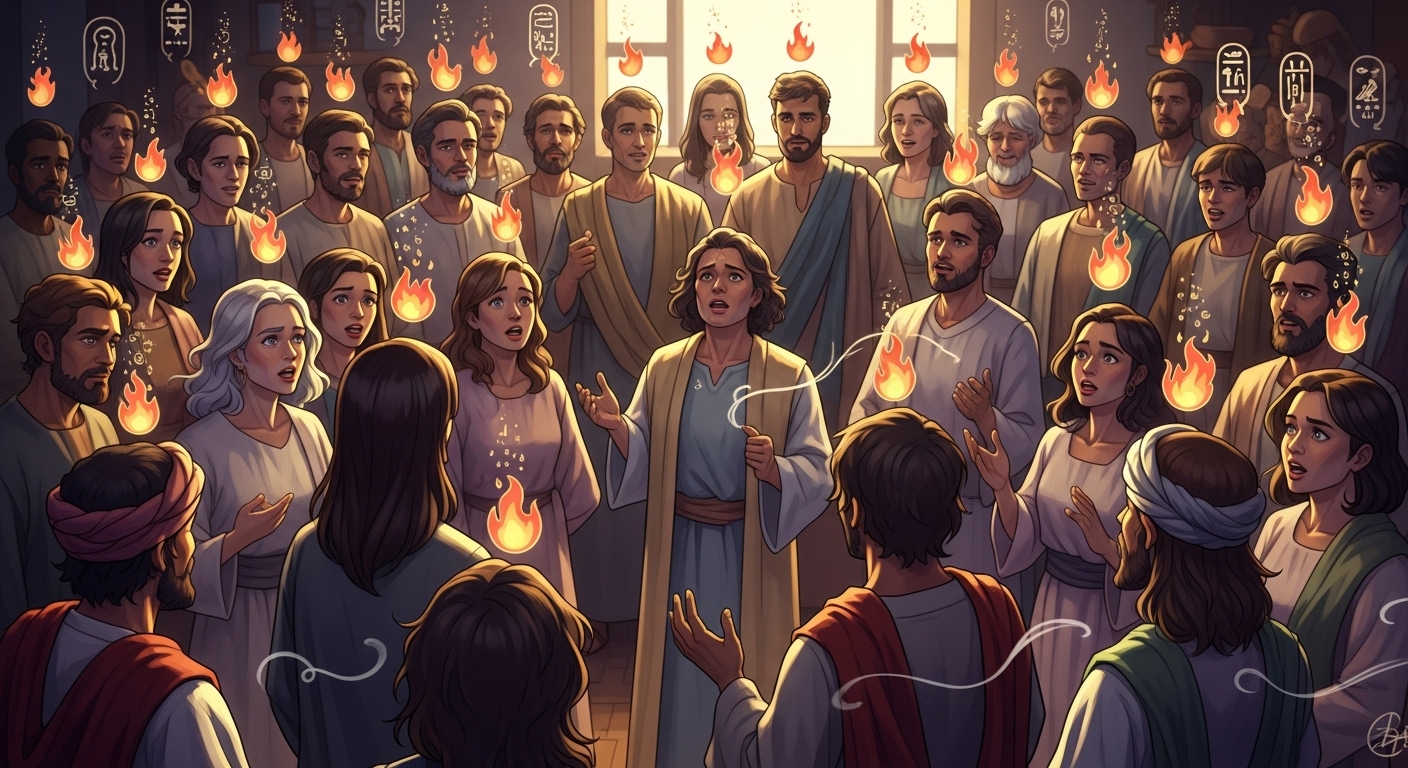
On the day of Pentecost, the Holy Spirit came with power, described as a rushing wind and tongues of fire, filling the believers and enabling them to speak in various languages. Read the dramatic account here: Acts 2:1-4.
Pentecost is the turning point: the promised Spirit empowers the church for mission. This is not just an historical event; it is the model for how God equips His people. The Spirit brings courage, gifts, and presence—transforming fear into proclamation. For you, Pentecost means the same Spirit is available to guide, empower, and produce fruit in your life and ministry today.
4. The Gospel Is Preached Boldly (Acts 2:38 et al.)
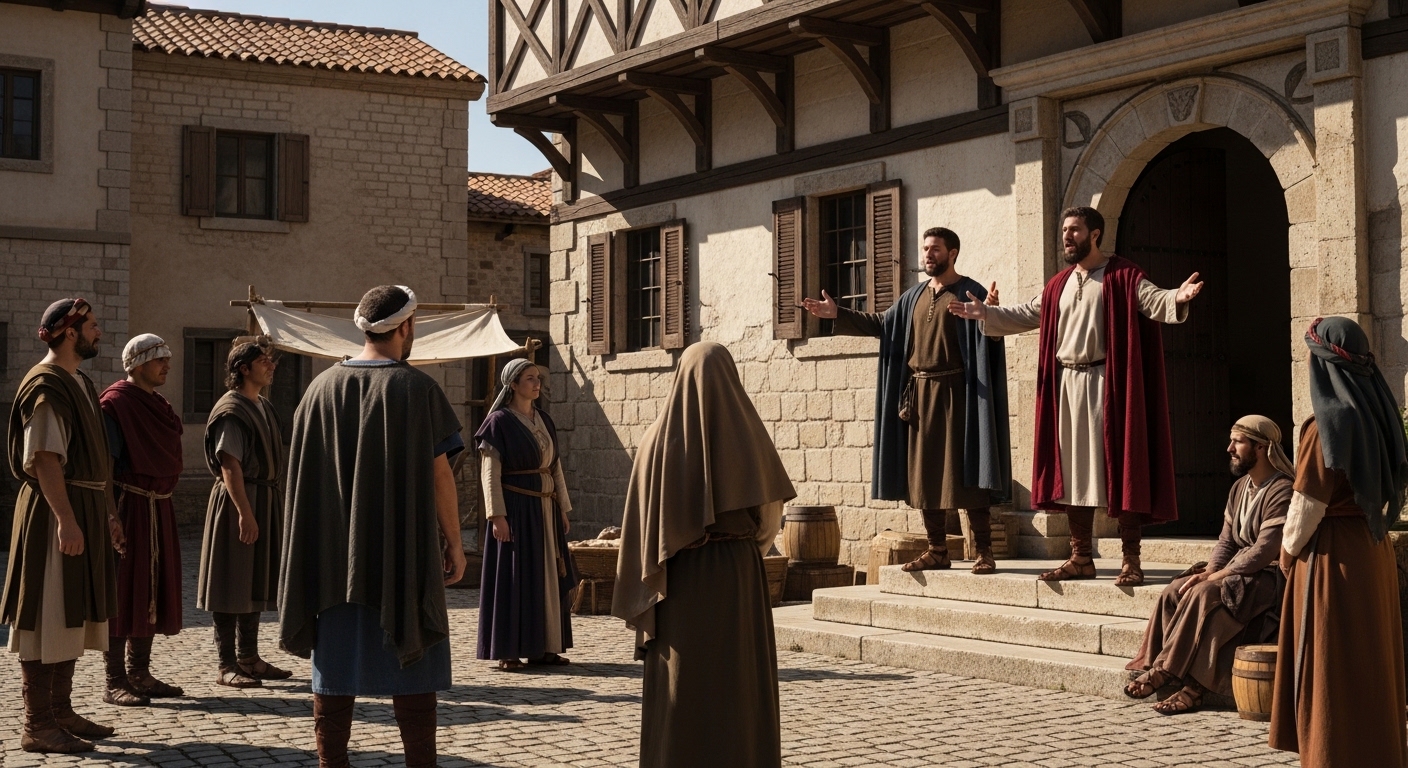
After the Spirit came, Peter stood up and preached with clarity and authority, calling people to repentance and baptism. Many responded, and about three thousand were added that day. Read Peter’s sermon and the result here: Acts 2:38 and see the fuller context at Acts 2:41.
This newfound boldness changed everything. The gospel message moved from private conviction to public proclamation, and conversions followed. The church’s growth was rooted in clear teaching about Jesus’ death, resurrection, and Lordship. For you, the early church’s courage invites you to speak the truth in love and to trust God for the results.
5. The Early Church Forms (Acts 2:42)
The new community did more than grow numerically; they formed a way of life together. Acts tells us they devoted themselves to apostolic teaching, fellowship, breaking of bread, and prayer. Read the description here: Acts 2:42.
This set of practices shaped identity, spiritual formation, and accountability. The early church was characterized by shared resources, mutual care, and corporate worship. For you, church is both mission and family—a place where faith is lived out in community.
6. The Message Spreads and the Church Faces Challenges (Acts 4:33 and beyond)
Growth brought attention. Persecution, opposition, and internal questions challenged the community, but the gospel continued to spread. Luke records that the apostles testified to Jesus with great power, and grace was on all who believed. See the statement of bold witness here: Acts 4:33.
The early believers experienced extraordinary growth alongside opposition. From healing the sick to defending the faith before authorities, their witness advanced the gospel. For you, this means that advances in mission are often accompanied by tests—yet God’s purposes move forward.
The Wider Timeline: How the Early Church Expanded
After those initial moments, the story accelerates into missionary activity, doctrinal clarification, and church planting across towns and regions. Several key events and patterns shaped the spread of Christianity.
Stephen, Persecution, and the Scattering of Believers (Acts 6–8)
Stephen’s bold witness and martyrdom stirred persecution that scattered believers beyond Jerusalem. Read the account of Stephen here: Acts 7 and the scattering described at Acts 8:1.
Although persecution aimed to silence the movement, it actually spread the message as believers carried the gospel to Judea, Samaria, and further afield. When you face adversity, remember that God can use difficulty to advance His mission beyond your expectations.
The Conversion of Paul (Acts 9)
One of the most decisive moments in the expansion was Saul’s conversion—Saul, a persecutor of Christians, encountered the risen Lord and became Paul, a leading apostle to the Gentiles. Read the dramatic conversion story here: Acts 9.
Paul’s transformation reshaped mission strategy and theology. His letters would later form a large part of the New Testament, shaping doctrine and practice for generations. For you, Paul’s story is a reminder that no one is beyond God’s redeeming power.
The Gospel Reaches the Gentiles (Acts 10–11)
A decisive theological shift came when Peter encountered Cornelius, a Roman centurion, and realized the gospel was for Gentiles too. Read the account here: Acts 10 and the church’s response at Acts 11:18.
This opened the door to a multicultural church. The move from a primarily Jewish movement to an inclusive, Gentile-embracing faith required clarity and courage, and it reshaped Christian identity. For you, it means the gospel crosses cultural barriers and creates unity in diversity.
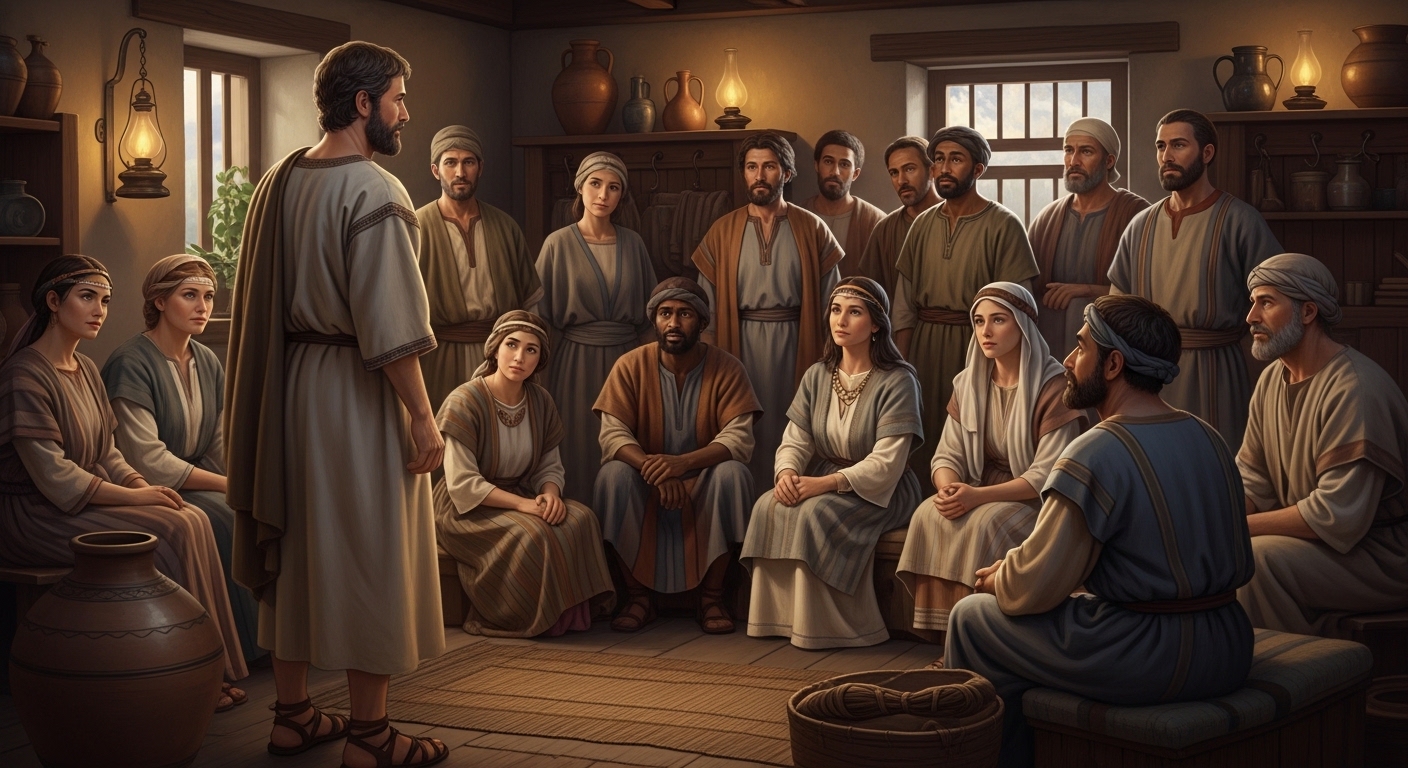
Missionary Journeys and Church Planting (Acts 13–21)
Paul and other apostles undertook journeys to cities like Antioch, Philippi, Corinth, and Ephesus, planting churches and teaching new believers. The book of Acts records debates, miracles, disagreements, and the ongoing planting of communities across the Roman world. Explore selected journeys here: Acts 13–21.
These journeys show how the church adapted to new contexts, engaged local cultures, and developed leadership structures—elders and deacons—to sustain local congregations. For you, the pattern of sending, teaching, and establishing leaders remains a useful blueprint for faithful mission today.
The Jerusalem Council and Doctrinal Clarity (Acts 15)
As Gentile conversions increased, the church faced questions about whether new believers had to follow Jewish law. The Jerusalem Council addressed this tension and reached a decision that allowed Gentiles to join the church without full adherence to Jewish ceremonial law. Read about the council here: Acts 15.
This decision highlights how the early church navigated theological conflict with humility and communal discernment. It also underlines the importance of unity and gospel-centered decisions when facing cultural or doctrinal disputes. For you, it’s a model of how to resolve tensions grounded in Scripture and the Spirit.
Theological and Practical Implications for You
What do these historical events mean for your faith and daily life? Several themes are especially helpful as you reflect:
- Presence and Power: The Holy Spirit continues to be active, equipping you for witness and transformation. The Spirit’s presence is not confined to the apostles; it is promised to all believers.
- Mission and Community: The church grows not merely through programs but through shared life, sacrificial generosity, teaching, and prayer.
- Hope and Expectation: The ascension carries a future promise—the return of Jesus. This shapes how you live now, with mission-minded urgency and patient hope.
- Suffering and Growth: Persecution and difficulty often lead to wider gospel spread. Hardship rarely stops God; it tests and refines commitment.
Each of these themes connects the ancient story to your present calling, giving you both a theological foundation and practical impulses to live intentionally.
Living with Purpose After the Ascension
You are part of a story that began long ago and continues today. The early believers shifted from waiting to action—not by their own strength, but by the Spirit. Your role involves both waiting (prayer, listening) and action (witness, service). Ask yourself: where is God calling you to step out in faith? How will you use the gifts and opportunities you’ve been given?
Reflecting on purpose helps you avoid aimless activity and instead align every decision with the mission of loving God and neighbor. The ascension reminds you that while Jesus reigns, you have work to do.
Relying on God’s Power
The ascension and Pentecost show a clear pattern: God gives presence (Christ ascended) and then power (Spirit arrives). You are not left to your own devices; the Spirit empowers everyday faithfulness. Whether you lead a small group, care for a neighbor, speak at work, or pray for change, rely on the Spirit to guide and strengthen you.
This reliance is practical: cultivate prayer, read Scripture, participate in community, and be ready to serve when opportunities arise.
Frequently Asked Questions You Might Have
What happened to the disciples after the ascension?
They moved from grief to expectation, from hiding to bold proclamation. Many faced persecution, travelled widely, and several were martyred, yet the movement they stewarded continued to grow.
Did the ascension end Jesus’ work?
No. It completed His earthly work and inaugurated His exalted ministry. He intercedes for believers and sends the Holy Spirit to empower the church.
When will Jesus return?
Acts 1:11 promises His return, but Scripture also emphasizes that the timing is known to the Father alone. You are called to live expectantly and faithfully in the meantime. Read Acts 1:11 here: Acts 1:11.
Reflection Questions
As you wrap up, pause and consider these questions, answering them honestly in prayer and possibly sharing them with a trusted friend or group: Are you living with the expectation of Christ’s return? Do you rely on the Holy Spirit’s power in your daily life? How can you join the mission of the church where you live?
Reflection helps you move from knowledge to application. Use these questions as prompts for personal prayer and community conversation.
Conclusion
The ascension was not an ending but a commencement. It marked a transition from Jesus’ bodily ministry to the church’s Spirit-empowered mission. From waiting in Jerusalem to the fiery coming of Pentecost; from the first bold sermons to global missionary journeys; from a small band of believers to a movement that reshaped history—what happened after the ascension shows God’s persistent, patient, and powerful work.
As you read the timeline, remember you belong to that ongoing story. The same Spirit that raised the church into being is at work in you, equipping you to participate in God’s mission until Christ returns.
Prayer
Lord Jesus, thank You for ascending and for sending the Holy Spirit to empower your people. Help me to live with purpose, rely on Your power, and join the mission You have given to your church. Teach me to wait well, to pray faithfully, and to speak boldly when You call. Amen.
Further Reading and Links
- Read the ascension account: Acts 1:9-11
- Read Pentecost: Acts 2:1-4
- Read Peter’s sermon and the early church formation: Acts 2:14-47
- Read Stephen’s speech and martyrdom: Acts 7
- Read about Paul’s conversion: Acts 9
- Read about the inclusion of Gentiles: Acts 10 and Acts 11
- Read the Jerusalem Council decision: Acts 15
🔗 Internal Resources to Explore
📖 Understand What Happened Next After the Resurrection
👉 What Happened After Jesus Rose From the Dead? (Full Timeline Explained)
👉 Where Did Jesus Go After the Resurrection? (Bible Explained)
👉 How Long Did Jesus Stay on Earth After He Rose?
👉 The 40 Days After the Resurrection: What It Means for Your Faith
☁️ Go Deeper Into the Ascension of Jesus
👉 Where Did Jesus Go After the Ascension? (Heaven Explained)
👉 Why Did Jesus Ascend Into Heaven? (Biblical Reasons Explained)
👉 What Does the Ascension of Jesus Mean? (Powerful Truths Explained)
🔥 Discover the Power of the Holy Spirit
👉 Who Is the Holy Spirit? (Simple Bible Explanation)
👉 What Does the Holy Spirit Do? (7 Powerful Roles Explained)
👉 How to Receive the Holy Spirit (Biblical Guide)
🌍 Explore Pentecost and the Beginning of the Church
👉 What Happened at Pentecost? (Acts 2 Explained Simply)
👉 What Is Pentecost and Why Does It Matter Today?
👉 How Did the Early Church Start? (Book of Acts Explained)
👉 What Did the First Christians Believe and Practice?
Sponsored recommendation

Acknowledgment: All Bible verses referenced in this article were accessed via Bible Gateway (or Bible Hub).
“Want to explore more? Check out our latest post on Why Jesus? and discover the life-changing truth of the Gospel!”