

What Is Sanctification And How Is It Linked To Salvation? (1 Thessalonians 4:3, John 17:17)
Introduction
Have you ever wondered what it really means to be made holy? Maybe you’ve heard phrases like “you’re saved” and “be sanctified” at church, but they felt like two different ideas stacked on top of one another. You might be asking: are they the same thing? Does sanctification begin only after salvation, or is it part of salvation itself?
This matters because your everyday life — the choices you make, the relationships you keep, the way you handle failure — hangs on how you understand these truths. If sanctification is God’s work of making you holy, then how it connects to salvation is central to your hope and your growth. In this article, you’ll get clear, Bible-centered answers using two anchor verses: 1 Thessalonians 4:3 and John 17:17. You’ll also get practical steps so you can live out what you believe.
The Bible Foundation
1 Thessalonians 4:3 (NIV): “It is God’s will that you should be sanctified: that you should avoid sexual immorality.”
(See: 1 Thessalonians 4:3 on Bible Gateway)
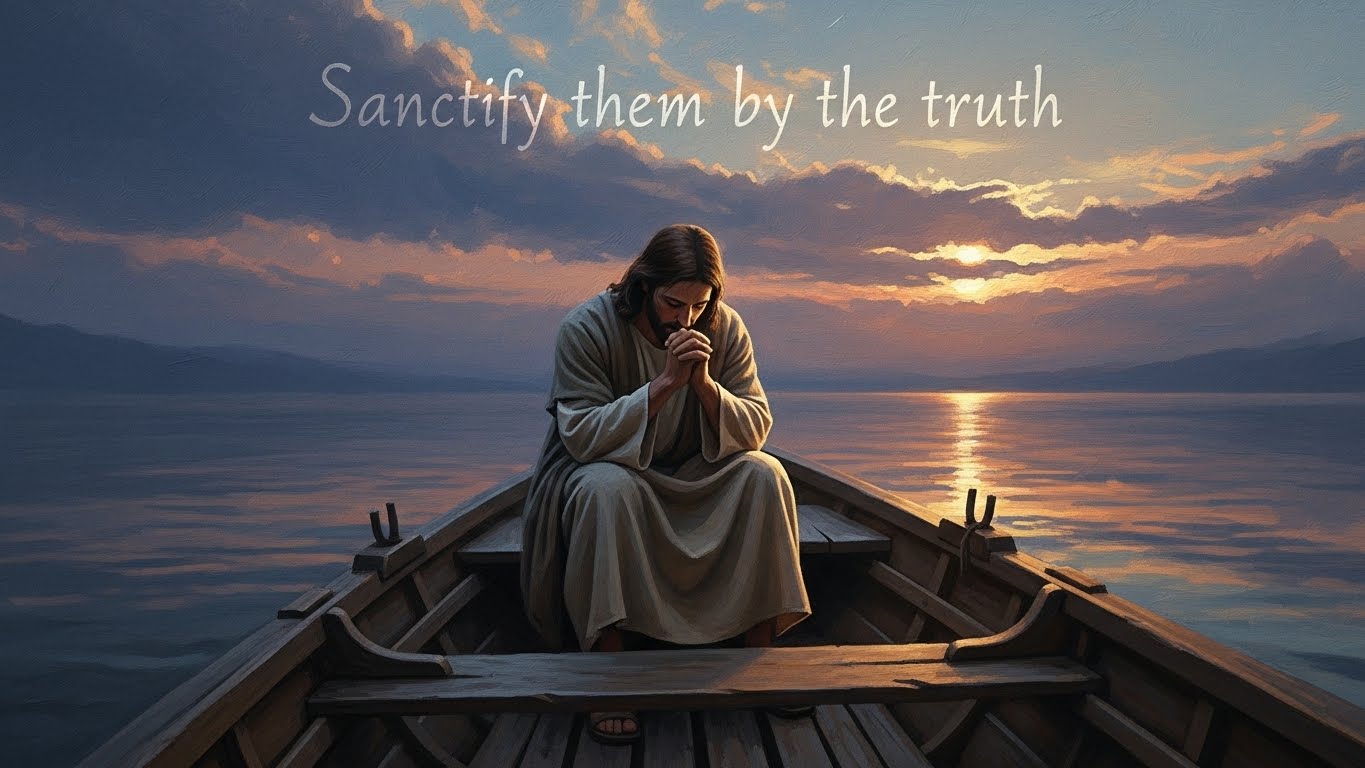
John 17:17 (NIV): “Sanctify them by the truth; your word is truth.”
(See: John 17:17 on Bible Gateway)
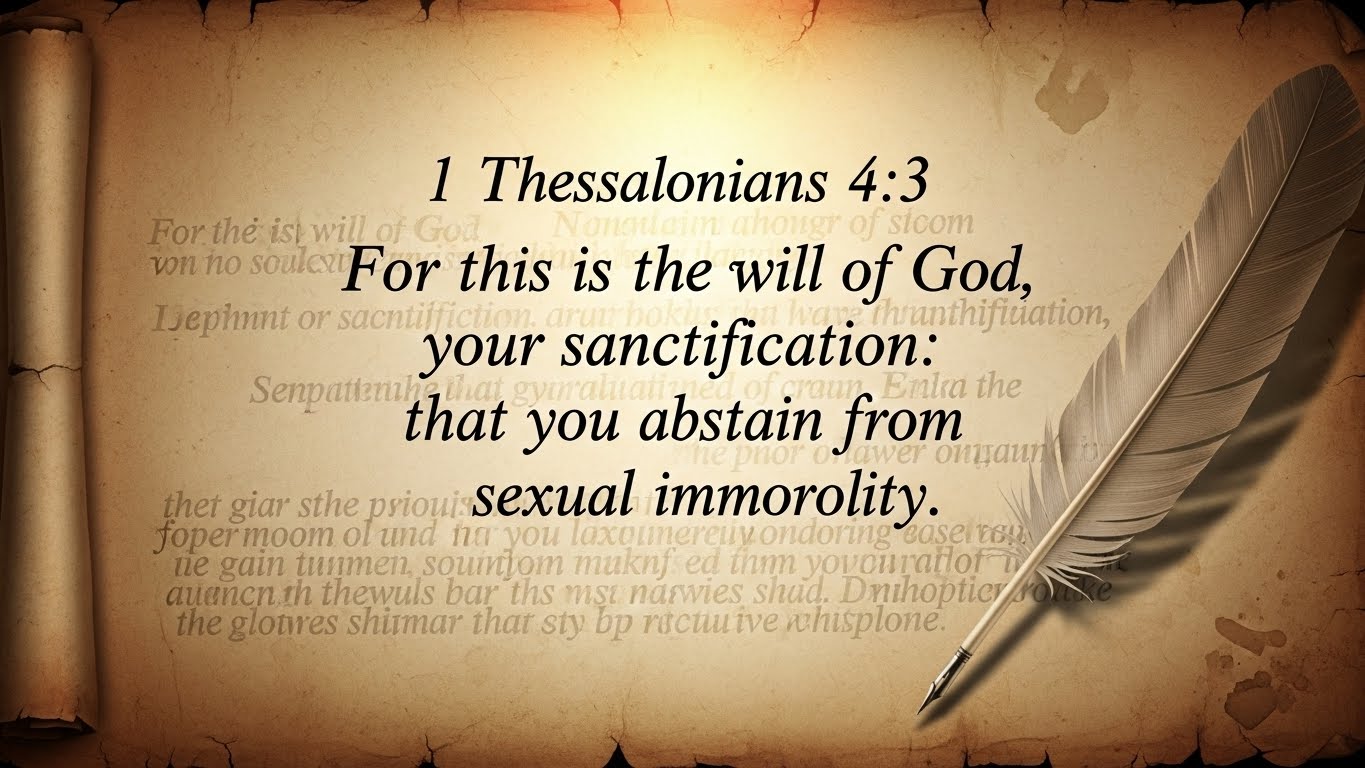
These two verses give you a foundation. Paul tells you that sanctification is God’s will for you — not optional, not just for a spiritual elite. John 17 shows Jesus praying that you be sanctified by truth, and he names God’s Word as that truth. Together they teach that sanctification is both God’s desire and God’s method: He intends to make you holy, and He uses truth — revealed in Jesus and in Scripture to do it.
To put it simply: salvation is God rescuing you; sanctification is God shaping you. Both are gifts of grace, rooted in the truth of who Jesus is and what He has done.
Understanding the Core Truth
Sanctification means “to be set apart” — set apart for God’s purposes and made holy like Him. There are a few ways people talk about sanctification, and understanding them helps you see the full picture.
First, positional sanctification: the moment you trust Christ, you are declared holy in God’s sight because of Jesus’ righteousness (see 1 Corinthians 1:30). That’s part of salvation — your status before God changes instantly.
Second, progressive sanctification: this is the daily, ongoing work of the Spirit in your life to make your attitudes, habits, and choices reflect Jesus more and more. Romans 6 and Galatians show that as you live by the Spirit, sin’s power decreases and holiness grows (see Romans 6:1-14).
Third, ultimate sanctification (glorification): when Christ returns, you’ll be perfectly conformed to His image. That final transformation completes what God started at salvation.
So the core truth: sanctification is both the result of salvation and the ongoing process that follows. God initiates, empowers, and promises to finish this work in you (Philippians 1:6).
Going Deeper — The Hidden Meaning
Beneath definitions and theology, there’s a heart-level truth: sanctification changes your identity and reorients your desires. It’s not mostly about external rules or moral improvement; it’s about you becoming like Jesus from the inside out.
Think of the story of Peter. You saw him, bold and flawed, deny Jesus and later be restored. After Pentecost, he’s different — guided by the Spirit, living with conviction and courage (see Acts 2:14 onward: https://www.biblegateway.com/passage/?search=Acts+2%3A14-41&version=NIV). Peter’s transformation wasn’t only moral; it was relational — his love for Jesus and reliance on the Spirit changed how he lived.
Sanctification often means confrontation: you’ll have to let go of cherished comforts, forgive painful injuries, and admit your need for grace. But that painful process is where real freedom grows. The hidden, heart-level meaning is that God isn’t primarily interested in making you impressive; He is committed to making you like Jesus so you can love like Jesus, serve like Jesus, and reflect Him to the world.
Modern Connection — Relevance Today
How does this ancient doctrine play out in your modern life? Very practically. In workplaces where compromise is normalized, sanctification helps you maintain integrity. In families strained by cynicism and busyness, sanctification shapes patience, listening, and sacrificial love. When social media tempts you to compare and perform, sanctification directs your identity back to Christ instead of public approval.
Sanctification also equips you to navigate moral gray areas. 1 Thessalonians 4:3 links sanctification to avoiding sexual immorality: that’s not merely legalism; it’s protective, helping you live in a way that honors God and preserves flourishing relationships. John 17:17 reminds you that truth — the Word of God — trains your mind and heart.
You’re not expected to change overnight. But every decision you make — choosing honesty, practicing forgiveness, showing up for someone — is a marker of sanctification. Technology, culture, and stress will keep pushing you toward shortcuts; sanctification calls you back to the slower, truer work of being formed by Jesus.
Practical Application — Living the Message

You may be wondering: how do I cooperate with God in sanctification on a day-to-day level? Here are simple, doable steps you can start practicing right now.
First, prioritize the Word. John 17:17 points you to Scripture as the means by which God sanctifies you. Make regular Bible reading and reflection a non-negotiable. Even short, consistent time with Scripture reshapes your thinking.
Second, lean on the Spirit. Ask for the Spirit’s help to resist temptation, to give you new desires, and to convict you lovingly when you wander. Keep a posture of dependence, not self-effort.
Third, practice spiritual disciplines in community. Prayer, confession, worship, and serving with others are practical arenas where sanctification happens. You’re formed more by communal faithfulness than by isolated effort.
Fourth, repent quickly and keep short accounts with sin. When you fall, confess and return to God; long delays in repentance harden the heart. Hebrews 10:14 says Christ’s sacrifice makes you holy—so return to that truth and live from it (Hebrews 10:14: https://www.biblegateway.com/passage/?search=Hebrews+10%3A14&version=NIV).
Finally, celebrate progress. Sanctification is a journey; notice growth, give thanks, and cling to the promise that God, who began a good work in you, will complete it (Philippians 1:6: https://www.biblegateway.com/passage/?search=Philippians+1%3A6&version=NIV).
Faith Reflection Box
Pause for a moment and ask yourself: where in my life do I most need to be made holy? Is it my words, my priorities, my relationships? Write it down, pray, and be honest with a trusted friend or mentor.
Key Takeaways:
- Sanctification is God’s will for you and flows from salvation.
- The Word of God and the Spirit are the primary means by which you are sanctified.
- Sanctification is both instantaneous in status and progressive in experience.
- Practical steps like Scripture, prayer, community, and repentance help you cooperate with God.
- Hope: God promises to complete the work He started in you.
Q&A
Q1: Is sanctification the same as salvation?
Answer: They’re closely related but not identical. Salvation refers to being rescued from sin’s penalty — your new identity in Christ the moment you trust Him. Sanctification is the ongoing process where God makes that identity real in your daily life. So you can say salvation begins the journey, and sanctification is the journey. Scripture supports both ideas: Romans 6 explains how your new life in Christ affects your behavior (Romans 6:4: https://www.biblegateway.com/passage/?search=Romans+6%3A4&version=NIV). Remember, both are by grace—salvation is not the result of sanctification, and sanctification is not your way to earn salvation.
Related: Praying For The Sanctification Of The Church (Ephesians 5:26-27)
Q2: If I sin, does that mean I’m not sanctified or that I lose my salvation?
Answer: Falling into sin doesn’t cancel the work of sanctification or automatically erase salvation. Scripture calls believers to repentance and warns against living in habitual, unrepentant sin (1 John 1:9: https://www.biblegateway.com/passage/?search=1+John+1%3A9&version=NIV). Genuine sanctification includes growth and stumbles; the pattern should be repentance, restored fellowship, and gradual change. The Bible also warns of a hard heart that resists God (Hebrews 3:12-14: https://www.biblegateway.com/passage/?search=Hebrews+3%3A12-14&version=NIV). So if you’re worried, confess, return to God, and rely on the Spirit’s power to transform you.
Q3: How will I know if I’m actually being sanctified?
Answer: Look for gradual changes in desires, patterns, and fruit. Do you crave God’s presence more than approval? Are your relationships growing in patience and love? Do you find certain sins losing their grip? The fruit of the Spirit (Galatians 5:22-23: https://www.biblegateway.com/passage/?search=Galatians+5%3A22-23&version=NIV) is a helpful barometer. Sanctification often feels slow and imperfect, but consistent movement toward Christ, along with conviction, repentance, and new patterns, shows God’s work. Also, the community can help you see growth you can’t see alone.
See also: Why Do I Need Salvation? (Romans 3:23, Isaiah 59:2)
Conclusion & Reflection
Sanctification is God’s patient, powerful work of making you holy. It’s the natural outflow of salvation — not a separate bonus you earn, but the transformation God intends for every believer. 1 Thessalonians 4:3 reminds you that sanctification is God’s will for your life, and John 17:17 points you to the truth of God’s Word as the means He uses. You aren’t left to perform or fake holiness; you are invited to walk daily with the Spirit, to submit to the truth, and to trust God’s promise to finish His work in you.
A short prayer: Father, thank You that You have saved me and are making me holy. Help me to be shaped by Your Word and the Spirit. Give me courage to repent, patience to grow, and joy in the journey toward Jesus. Amen.

More Inspiration Awaits — Read These Next
 For deeper insight into Isaiah 40:31 and how it renews your strength in both faith and daily life
For practical lessons on compassion and neighborliness from the Good Samaritan
For a clear explanation of what we can learn from the Parable of the Good Samaritan
For meaningful insights from the Parable of the Pearl and its hidden treasures
For a deeper look at the Rich Man and Lazarus and what it reveals about the afterlife
For guidance on the Parable of the Ten Virgins and preparing for God’s Kingdom
For clarity on the Parable of the Lamp and how it calls us to shine our light
For insights from the Parable of the Wedding Feast and the meaning behind the invited guests

 Jesus and the Woman Caught in Adultery – Grace and Mercy Over Judgement
A powerful retelling of John 8:1-11. This book brings to life the depth of forgiveness, mercy, and God’s unwavering love. Check it now on Amazon 


 “Every great message deserves a home online.”


Don’t let your calling stay hidden. Start a Christian blog or website using Hostinger — with 99.9% uptime, a free domain, and SSL, your voice can shine for God’s glory anytime, anywhere. Begin today. Try it RISK-FREE! 

 “Your body is God’s temple — care for it with purpose.”


Renew your energy and restore balance naturally. Mitolyn helps support a healthy metabolism, giving you the vitality to live out God’s calling with strength and confidence.
Unlock Your Metabolic Power!  Burn More Calories & Feel Great With Mitolyn.
Start Today.  Check Price Now.
As a ClickBank & Amazon Affiliate, I earn from qualifying purchases.
 Acknowledgment: All Bible verses referenced in this article were accessed via Bible Gateway (or Bible Hub).
Want to explore more? Dive into our new post on Why Jesus? and experience the life-changing truth of the Gospel!