

3 Common Money Mistakes Christians Make (and How to Avoid Them)
Hello there! If you’ve clicked on this article, there’s a good chance you’re interested in learning about money mistakes that Christians often fall into, and how to get around them. We’re here to explore these pitfalls together, dive into some biblical wisdom, and find practical ways to improve how you handle dollars and cents as part of your walk with God.
Christian money mistakes aren’t just about Excel sheets and budgeting (though those can help!). They’re about aligning your finances with the principles you believe in. We often hear about money being the root of all evil, but can I tell you a secret? It’s actually the love of money that’s the issue, not money itself. It’s how we approach it, treat it, and maybe sometimes, kick it under the rug until it becomes a monstrous problem.
So, let’s take a look at three common Christian money mistakes and some simple, thoughtful ways to avoid them.

Mistake #1: Neglecting Stewardship
Stewardship is a fancy word, isn’t it? But deep down, it means taking care of what you’ve been given. God entrusts us with resources, and yes, that includes money. Are we managing it the way God would want us to? Or are we just floating downstream, hoping things magically sort themselves out?
Understanding Stewardship as a Christian Duty
Think of stewardship as your responsibility to wisely manage everything God has handed you—time, talents, and yes, treasure. Check out what it says in 1 Peter 4:10: “Each of you should use whatever gift you have received to serve others, as faithful stewards of God’s grace in its various forms.” This extends to our finances, too. Careless spending or ignoring our financial situation doesn’t quite align with this. You have to stay intentional with what you’ve got.
Avoiding the Neglect of Stewardship
- Create a Budget: It’s the roadmap for your money. Start small, track your spending, and match it to your values. A budget is not a torture device; it’s a compass.
- Regular Financial Check-ups: Just like you’d check in on your health, check in on your finances. Examine your bank statements, see where you could spend less and save more.
- Be Prayerful: Involve God in your financial decisions. Sounds simple, but dedicating some time to ask for wisdom in managing your finances is powerful. “If any of you lacks wisdom, you should ask God, who gives generously to all without finding fault, and it will be given to you,” as noted in James 1:5.
Mistake #2: Tithing Inconsistently
Here’s a topic that tends to divide the room: tithing. It’s mentioned in the Old Testament, showing up more like a 10% rule in Malachi 3:10, and in the New Testament as cheerful giving. If your tithing habit is more of a go-to-Sunday-and-decide kind of vibe, this might be a wake-up call.
Why Consistent Tithing Matters
Tithing is less about the percentage and more about the heart posture. It’s recognizing that all you have isn’t yours. It’s God’s gift to you. Inconsistent tithing may reflect an inconsistent trust in God’s provision. Whoops, didn’t mean to hit hard there! But there’s truth in examining how reliable we think God is with our finances.
Tidying Up Your Tithing Routine
- Set Tithing as a Priority: Before paying bills or buying that fantastically looking coat, set aside your tithe. Make it non-negotiable.
- Automate It: Most churches now have digital giving. Set up automatic transfers so it happens like clockwork. Less room for forgetfulness or hesitation.
- Pray Over It: Treat it as a spiritual practice. Pray over your tithe before giving. It’s a gratitude gesture to God, not a fee or tax.

Mistake #3: Confusing Wants and Needs
Oh, the eternal battle—wants versus needs. It’s like the psychological tug-of-war that defines much of our consumer culture. Do I need that new tech gadget, or do I simply want it because it’s cool and everyone else seems to have it? Christians aren’t immune to this.
Differentiating Wants from Needs as a Practice of Contentment
In Philippians 4:11-12, Paul talks about learning to be content in any circumstance—he’s known plenty and scarcity. That’s a language that speaks to understanding needs versus wants. Being content doesn’t mean never buying nice things; it’s about assessing what truly enhances your life.
Clarifying Your List of Wants and Needs
- List and Categorize: Write down your expenses; mark each as a want or a need. Put it aside for a day or two, then revisit it with new eyes.
- Ask Intentional Questions: Before making a purchase, ask yourself: “Is this truly necessary?” or “What happens if I don’t buy this?” Self-questioning can reveal interesting answers.
- Practice Gratitude: Focus on what you have. Gratitude journals sound cheesy, but they’re effective. We tend to desire less when we appreciate more.
Final Thoughts
It’s time we become brave enough to take a reflective look at our money habits. Whether it’s better stewardship, consistent tithing, or distinguishing wants from needs, these are steps we can take starting now. It’s not about perfection—it’s about intention and growth.
Don’t let Christian money mistakes stop you from living a life that is abundant and aligned with your faith. Let’s challenge each other to break free from money mishaps and harness it for the greater good, honoring God every step of the way.
Explore More
For further reading and encouragement, check out these posts:
👉 7 Bible Verses About Faith in Hard Times
👉 Job’s Faith: What We Can Learn From His Trials
👉 How To Trust God When Everything Falls Apart
👉 Why God Allows Suffering – A Biblical Perspective
👉 Faith Over Fear: How To Stand Strong In Uncertain Seasons
👉 How To Encourage Someone Struggling With Their Faith
👉 5 Prayers for Strength When You’re Feeling Weak
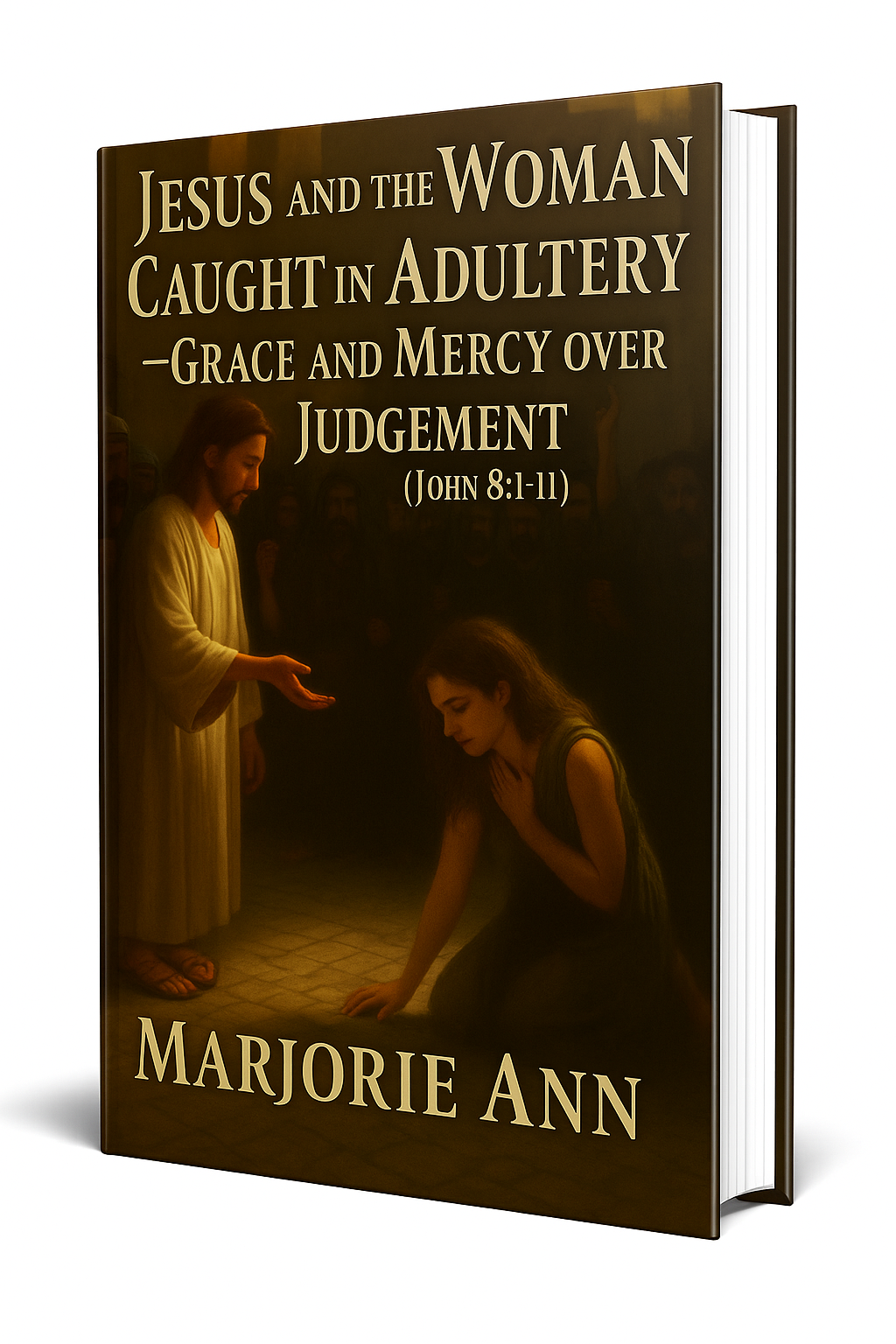
📘 Jesus and the Woman Caught in Adultery – Grace and Mercy Over Judgement
A powerful retelling of John 8:1-11. This book brings to life the depth of forgiveness, mercy, and God’s unwavering love.
👉 Check it now on Amazon

As a ClickBank Affiliate, I earn from qualifying purchases.
Acknowledgment: All Bible verses referenced in this article were accessed via Bible Gateway (or Bible Hub).
“Want to explore more? Check out our latest post on Why Jesus? and discover the life-changing truth of the Gospel!”