

Explore Elijah’s journey in “A Prophet’s Triumph Over Adversity.” Discover his unwavering faith, powerful miracles, and lasting impact amid ancient challenges.
Elijah: A Prophet’s Triumph Over Adversity

Introduction
Elijah, a towering figure in the tapestry of biblical history, holds a special place among the prophets of Israel. Known for his passionate zeal for the worship of Yahweh, Elijah is a figure who not only witnessed divine wonders but also became a conduit for them. His ministry was characterized by miracles and intense confrontations, ultimately marking him as a symbol of God’s sovereignty over human affairs. The era in which Elijah lived was fraught with idolatry and rebellion against the divine, yet he stood as an unwavering beacon of faith. A verse that encapsulates the thrust of Elijah’s mission is 1 Kings 18:36-39. Here, Elijah challenges the prophets of Baal, vividly demonstrating God’s power and reign: “Read 1 Kings 18:36-39“.
Historical Background
Elijah’s prophetic ministry unfolded during the ninth century BC, a turbulent epoch for the Northern Kingdom of Israel. At this time, King Ahab ruled alongside Queen Jezebel, who fervently worshiped Baal. The idolatrous practices they encouraged led to a significant departure from the worship of Yahweh. As the political climate intertwined with religious descent, Israel found itself at odds with its foundational covenant with God. Against this backdrop of spiritual decline and moral laxity, Elijah emerged, resolute in his commitment to restore faith in Yahweh and to turn Israel back to its divine roots. His interactions extended from the regal courts of Ahab to encounters with fellow prophets, making a lasting impact on the nation’s spiritual landscape.
God’s Call and Mission
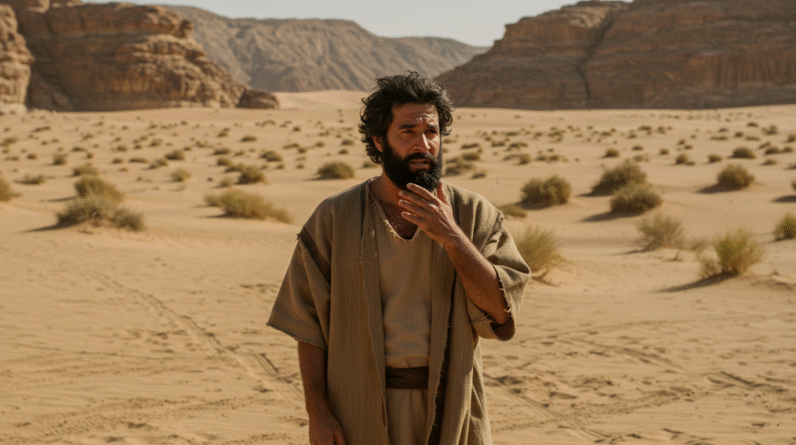
The call of Elijah was direct and unmistakable, arriving during a time when God needed a profound voice to denounce the rampant idolatry. God commissioned Elijah to be a voice of reproof and repentance to the Israelites, a people who had strayed far from their covenants with the divine. Though details of Elijah’s initial calling remain sparse, his immediate and fearless entry into the court of King Ahab demonstrated an unwavering willingness to fulfill his divine mandate (1 Kings 17:1). Armed with a message of drought as a consequence of Israel’s unfaithfulness, Elijah’s life became a living testament to his mission: to proclaim God’s righteousness and call His people back to genuine worship.
Key Events and Prophecies
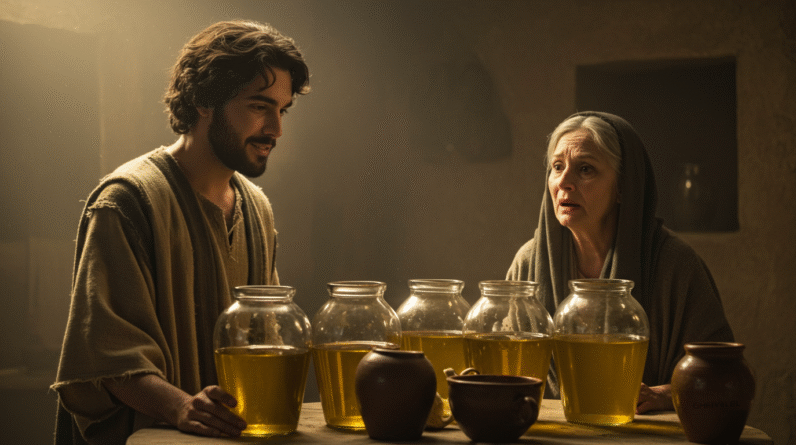
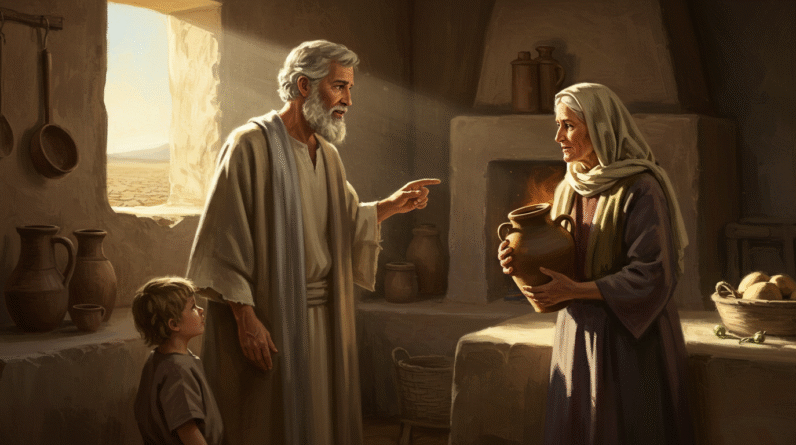
Elijah’s life was punctuated by significant events and powerful displays of God’s might. One of the hallmark moments in his ministry was his confrontation with the prophets of Baal on Mount Carmel. In a dramatic contest, Elijah challenged the false prophets to demonstrate the power of their god, leading to a fiery manifestation of Yahweh’s omnipotence when a consuming fire descended upon Elijah’s offering (1 Kings 18:20-40). This spectacular victory not only eliminated the false prophets but also prompted the people to declare, “The Lord—he is God!” Moreover, Elijah’s miracles included the multiplication of a widow’s oil and flour during a time of famine (1 Kings 17:8-16) and the restoration of her son’s life (1 Kings 17:17-24). Each of these events served as tangible proof of God’s engagement in the lives of His people as mediated through Elijah.
Challenges and Opposition
Elijah’s ministry was not without its challenges. The prophet faced formidable opposition, particularly from Queen Jezebel, who sought his life in retaliation for the defeat of Baal’s prophets. Her relentless pursuit forced Elijah into hiding, leading him to periods of deep despair and questioning (1 Kings 19:1-4). Despite his momentary despondency, Elijah’s reliance on divine provision and guidance during these trials exemplified his steadfast faith. Additionally, Elijah grappled with the widespread indifference and apostasy among the Israelites, often feeling isolated in his prophetic mission. Yet, through personal struggle and external opposition, God consistently reaffirmed His support, instructing Elijah to anoint Elisha as his successor and ensuring the continuation of his prophetic legacy.
Legacy and Impact
Elijah’s ministry left an indelible mark on the history of Israel and its religious consciousness. His life exemplified unwavering fidelity to God amidst rampant idolatry, serving as a precursor to the messianic hopes that would be fulfilled in Jesus. Even in the New Testament, Elijah is frequently referenced; his spirit and power were seen as present in John the Baptist’s ministry (Luke 1:17), and he appeared alongside Moses during Jesus’ Transfiguration, symbolizing the fulfillment of the Law and the Prophets (Mark 9:2-4). Elijah’s passionate defense of monotheism and ethical living continues to resonate in religious thought, demonstrating that fearless advocacy for truth can transcend time and circumstance.
Lessons from Elijah
Elijah’s life presents a trove of spiritual lessons applicable to believers today. Foremost, his story highlights the necessity of unwavering faith in God, especially when facing seemingly insurmountable odds. Elijah teaches us the importance of standing firm in our convictions, even when we feel isolated or adversaries challenge us. Through his experiences, we learn that divine guidance often comes in moments of stillness, encouraging us to seek God’s voice amidst the clamor (1 Kings 19:11-12). Moreover, Elijah’s life underscores the value of obedience to God’s call, reminding us that our efforts in His service can have far-reaching impacts beyond our immediate perception.
Conclusion
Elijah’s legacy as a prophet who triumphed over adversity stands as a powerful testament to God’s unyielding faithfulness. His journey encourages us to remain steadfast in our faith, to confront challenges head-on, and to trust in the divine plan for our lives, even when it seems veiled. In a world often fraught with its idols and diversions, the question remains: Are you prepared to answer God’s call, trusting in His guidance as Elijah did, and be bold in your journey toward truth?
Acknowledgment: All Bible verses referenced in this article were accessed via Bible Gateway (or Bible Hub)