



You may know someone who has recently trusted Jesus and wants to grow in faith. Perhaps a friend asks how to pray, a church member feels confused when reading the Bible, or a younger believer needs someone to walk beside them. You want to help, but you wonder whether you know enough.
Learning how to disciple someone begins with a willingness to help them follow Jesus. You need a growing understanding of the gospel, a teachable heart, and a faithful commitment to Scripture. You also need humility: both of you will continue learning and depending on God.
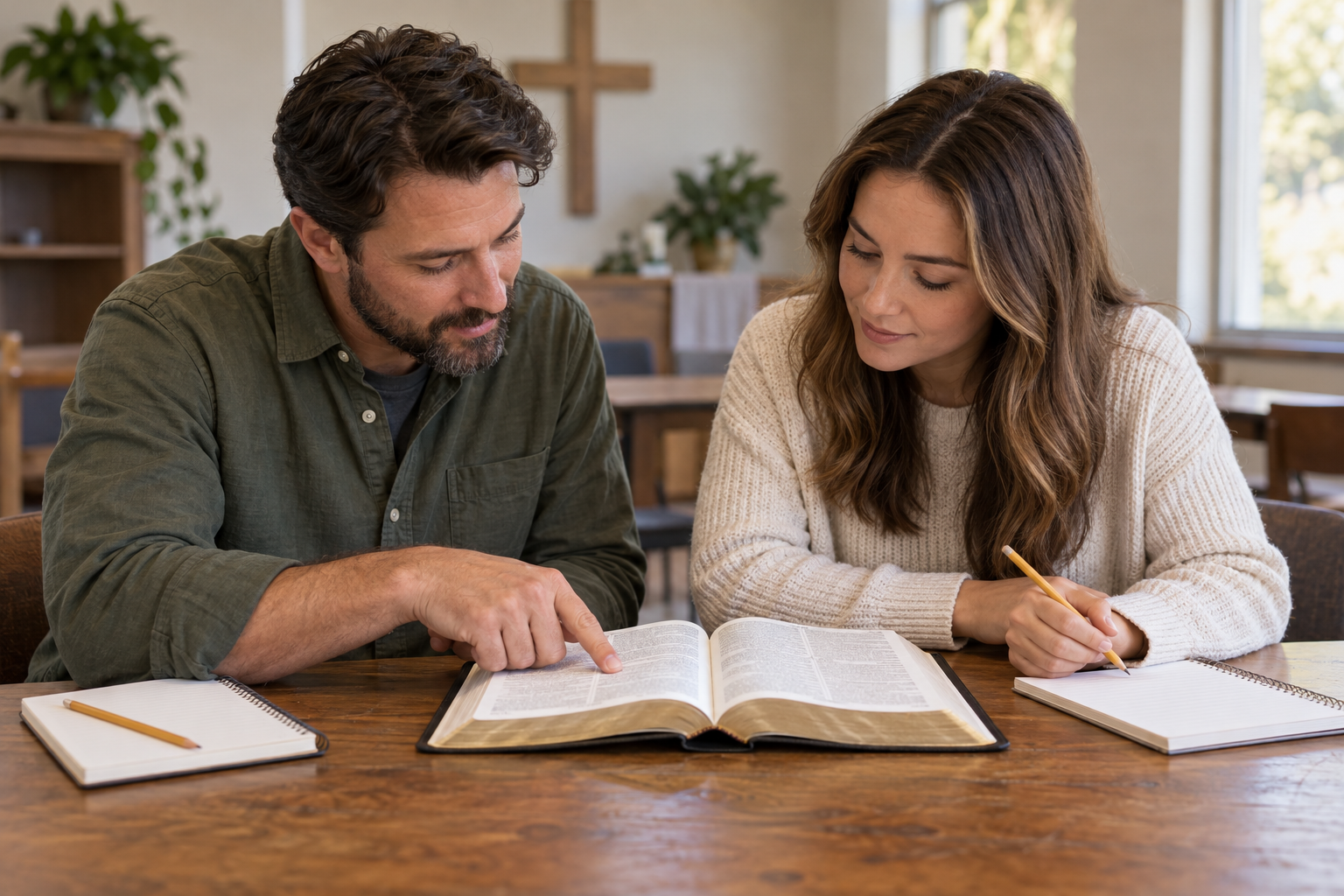
One-on-one discipleship gives you time to read the Bible together, listen to questions, pray, and discuss how faith shapes ordinary life. The goal is that the other person grows in knowing Christ, obeying His teaching, and participating in His church.
What Does It Mean to Disciple Someone?
To disciple someone is to intentionally help them learn from Jesus and live as His follower. In Matthew 28:18–20, Jesus commissions His followers to make disciples, baptize them, and teach them to obey His commands. His authority and presence give this work its foundation.
One-on-one mentoring is one useful way to participate in that calling. Discipleship also happens through the teaching, worship, fellowship, and shared life of the church. A mentoring relationship should strengthen a person’s connection with that community.
If someone is still exploring Christianity, begin with who Jesus is and what He accomplished through His death and resurrection. Explain that salvation is God’s gift, received through faith, rather than a reward for completing lessons or improving behavior. See Ephesians 2:8–10.
For someone who already believes, the next step is learning to follow Christ with growing understanding. Our guide to discipleship after being born again explains that wider journey.
Are You Ready to Help Another Believer Grow?
You do not need to know the answer to every Bible question. You should, however, be grounded in the gospel, committed to learning Scripture, and willing to receive correction. A mentor’s habits and character also matter. Someone who teaches patience while treating people harshly sends a confusing message.
Before beginning, ask yourself whether you can listen carefully, keep reasonable commitments, admit mistakes, and seek help when needed. Ask a trusted pastor or ministry leader for guidance about your readiness and the resources your church uses.
In Acts 18:24–26, Priscilla and Aquila help Apollos understand God’s way more accurately. Their example reminds us that faithful teaching can happen through patient, personal conversation.
The person you help also needs to understand the relationship. Why every new believer needs a discipleship mentor offers encouragement from the learner’s perspective.

How to Disciple Someone: Begin With a Clear Invitation
Start with a simple conversation. Ask whether the person would like to meet regularly to read Scripture, discuss questions, and pray. Allow them to choose freely. A willing relationship gives you a better starting point than pressure or guilt.
For example, you could say: “Would you like to meet once a week for a few weeks? We could read a short Bible passage, talk about what it means, and pray about what you’re learning.”
Agree on a time, place, and realistic length. Forty-five minutes each week can be a useful starting point, but the schedule should fit both people’s responsibilities. Decide whether to meet in person or online and how to handle a missed meeting.
Ask what the person hopes to learn. Their answer may reveal that they need a clear explanation of salvation, help understanding the Bible, or encouragement to pray. Listening first helps you begin where they actually are.
Depend on the Holy Spirit and Keep Scripture Central
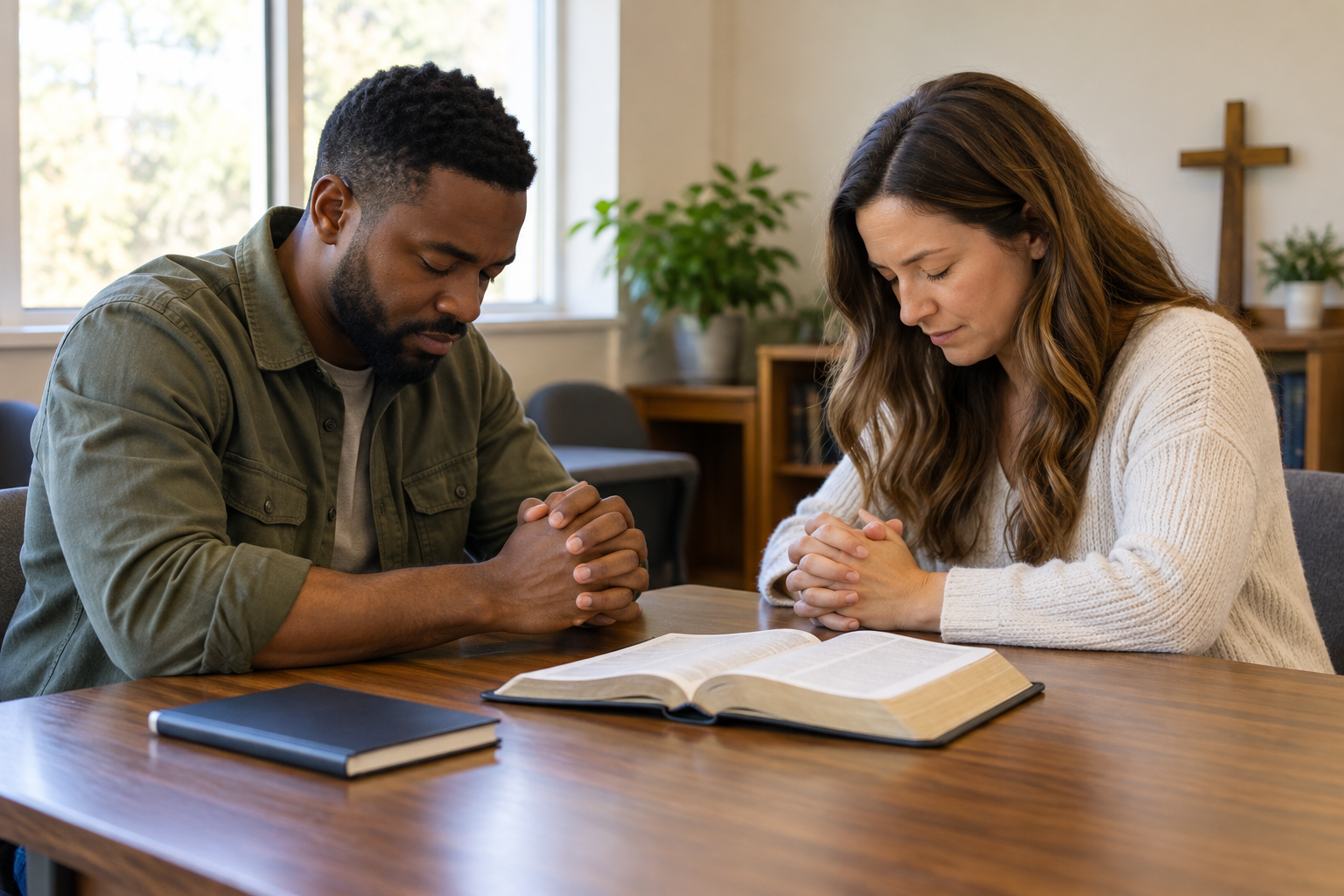
You can prepare a lesson and explain a passage, but you cannot produce spiritual transformation through your own ability. Pray for both of you and depend on the Holy Spirit to help you understand God’s Word and respond faithfully.
Jesus’ teaching in John 15:1–8 places fruitfulness in dependence on Him. As you mentor another believer, keep returning to Christ, His gospel, and His teaching. The Holy Spirit Explained provides background on His work in believers’ lives.
Choose a short passage and read it in context. Notice who is speaking, who is being addressed, and how the surrounding verses clarify the meaning. Avoid treating your personal impressions as commands from God for the other person.
Three questions can guide the discussion: What does the passage say? What does it mean in its setting? How should we respond? If either of you needs help with this approach, use How to Understand the Bible When You Read It.
A Simple Format for Your First Discipleship Meeting
Your first meeting should help you understand the person’s needs and establish a rhythm you can repeat. You do not need to cover every foundational doctrine at once.
| Time | Activity | Purpose |
|---|---|---|
| 5 minutes | Welcome and listen | Ask how the person is doing and what they hope to learn |
| 5 minutes | Pray together | Ask God for understanding, humility, and help |
| 15 minutes | Read and discuss one passage | Observe the text and explain its meaning in context |
| 10 minutes | Connect the passage with life | Discuss one situation where its teaching applies |
| 5 minutes | Choose a realistic response | Agree on one practical step and a short reading assignment |
| 5 minutes | Pray and confirm the next meeting | Bring the person’s needs to God and establish continuity |
You might begin with John 15:1–8. Discuss what Jesus teaches about dependence on Him, then ask how the person can make time to read His Word during the coming week.
The timetable is a suggested tool. Adjust it when a question needs careful attention or a difficult week calls for more listening and prayer.
A Four-Week Starting Plan
Four weeks can establish a helpful beginning. It cannot complete someone’s discipleship or guarantee maturity. After these meetings, review what is helping and agree on the next stage together.
| Week | Focus | Passage | Conversation and practical response |
|---|---|---|---|
| 1 | Grace and new life in Christ | Ephesians 2:1–10 | Discuss salvation by grace through faith and why good works follow God’s saving work |
| 2 | Understanding and responding to Scripture | James 1:19–25 | Practice reading in context and identify one response to the passage |
| 3 | Learning to pray | Matthew 6:5–13 | Discuss sincere prayer and practice praying with ordinary words |
| 4 | Growing within the church | Acts 2:42–47 | Discuss the early church’s shared life and choose a realistic step into fellowship |
During the prayer week, How to Pray as a New Believer can support your discussion. During the fellowship week, read The Power of Belonging to a Church Family.
As you continue, choose topics based on the person’s understanding and needs. You may spend several meetings reading a Gospel together, discussing forgiveness, or learning how to explain the gospel clearly.
Help the Person Apply What They Learn
Application works best when it grows from the meaning of the passage and connects with an actual situation. If you discuss truthful speech, ask where honesty is difficult this week. If you discuss love, ask what a thoughtful act of service might look like at home.
For example, a believer studying James 1:19–20 may recognize a habit of interrupting family members. A practical response could be listening before answering during a difficult conversation. At the next meeting, ask what happened and what they learned.
Share appropriate examples from your own life, including times when you needed correction. This helps the person see how obedience through everyday choices develops in ordinary circumstances.
Respond to Questions, Struggles, and Setbacks With Patience
When you do not know an answer, say so. Write down the question, study the passage in context, and seek help from a trusted pastor or reliable study resource. Returning with a careful answer teaches the value of humility and faithful interpretation.
When the person misses a meeting or struggles with a habit, ask what happened before assuming carelessness. Work schedules, family responsibilities, confusion, and discouragement may all affect their progress. Adjust the plan where needed and encourage them to continue.
If they confess sin, listen without treating it lightly or responding with contempt. Help them consider repentance, God’s forgiveness, and any steps needed to make matters right. Galatians 6:1–2 calls believers to restore others gently and bear one another’s burdens.
Keep personal conversations private while being clear about the limits of confidentiality when someone is at risk of harm. Respect the person’s decisions and responsibilities. Seek pastoral or qualified help for issues beyond your knowledge and role.
Growth takes time. The 9 Fruits of the Spirit Explained can help both of you discuss character with patience. Avoid treating the fruit as a weekly scorecard that determines whether someone deserves God’s love.
Help Them Grow in Confidence and Serve Others
Over time, invite the person to explain a passage, lead a short prayer, or suggest an application. Give them room to ask questions and develop their understanding. Encourage them to participate in the church and learn from other mature believers too.
In 2 Timothy 2:2, Paul instructs Timothy to entrust what he has learned to faithful people able to teach others. Faithful teaching continues as believers grow and help others understand the gospel.
When appropriate, discuss how the person can encourage a friend, serve in a suitable ministry, or share what they are learning. Let those opportunities match their readiness rather than a fixed deadline.

Frequently Asked Questions
Do I need to be a pastor to disciple someone?
Ordinary Christians can help others grow. You should be grounded in the gospel, teachable, and connected with a faithful church. A pastor or ministry leader can help you assess your readiness and choose suitable resources.
How often should we meet?
A weekly meeting is a practical starting point. Some people need a different rhythm. Agree on a schedule you can maintain and review it together when circumstances change.
What if the person knows very little about the Bible?
Use a short passage, explain unfamiliar words, and welcome questions. Begin with Jesus and the gospel. Help them learn how to read Scripture rather than overwhelming them with many assignments.
How do I know whether the relationship is helping?
Look for growing understanding of the gospel, willingness to learn Scripture, prayer, repentance, love for others, and participation in church life. Discuss these together over time. Meeting attendance alone does not tell the whole story.
Reflection Questions
- Who in my church or daily life might welcome help growing in faith?
- Am I ready to listen, prepare faithfully, and receive correction?
- Which short passage would help us begin?
- Who could provide pastoral guidance as we continue?
A Prayer for Faithful Discipleship
Father, thank You for welcoming us through Jesus Christ. Give me wisdom and humility as I help another person grow. Teach us to understand Your Word, depend on Your Spirit, and respond with faith and obedience. Help me listen with patience and speak with love. Keep our attention on Jesus and connect us with a faithful church community. Amen.
Final Encouragement
Learning how to disciple someone begins with a faithful, thoughtful step. Invite a willing person to meet, open the Bible together, listen carefully, and pray. Keep learning as you help them learn.
God can use those ordinary conversations to strengthen understanding, encourage obedience, and deepen love for Christ. Continue with patience, trusting Him as you walk together.
Continue Growing in Your Faith
- 🕊️ The Holy Spirit Explained
- 🌱 Discipleship After Being Born Again
- 🤝 Why Every New Believer Needs a Discipleship Mentor
- 🙏 How to Pray as a New Believer
- 🍇 The 9 Fruits of the Spirit Explained
Next Read: Why Every New Believer Needs a Discipleship Mentor.