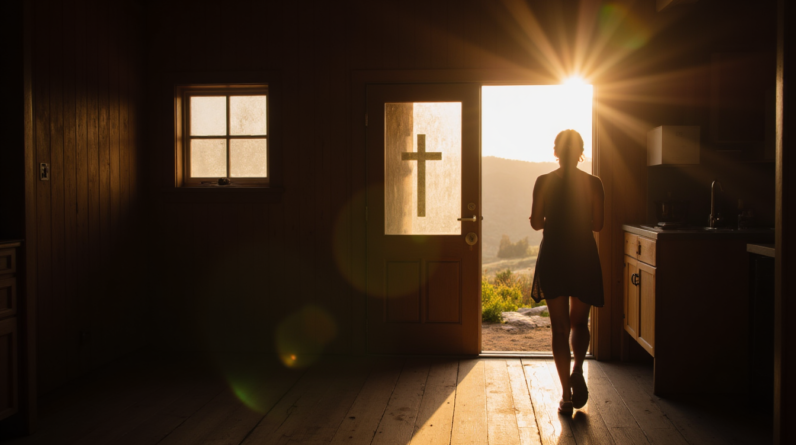


Learning To Walk By Faith, Not By Sight

You’re about to explore what it really means to “walk by faith, not by sight.” That phrase comes from 2 Corinthians 5:7, and it’s short but heavy with meaning: you live life guided by trust in God rather than by what your eyes or feelings tell you. In this article, you’ll get Scripture-backed clarity, practical steps, common pitfalls, and encouragement to help you choose faith in everyday decisions. You’ll also find prompts for images you can use to visualize the journey, placed strategically so each visual reinforces the theme.

What “Walk By Faith Not By Sight” Means for You
Saying you “walk by faith not by sight” is more than spiritual jargon. It’s a lifestyle orientation. When you choose to walk by faith, you’re saying that God’s promises, character, and leading carry more weight in your choices than appearances, fears, or short-term evidence. Walking by sight means relying on what’s visible — circumstances, emotions, numbers, or outcomes. Walking by faith means trusting God’s unseen hand, even when circumstances don’t line up with your expectations.
Faith doesn’t dismiss reason or responsibility. Instead, it gives your reasoning a foundation: the belief that God is trustworthy, good, and in control. You decide to trust when your vision is blurred, when waiting seems endless, or when the road forks into unknown territory. Scripture treats this as central to spiritual life — see how the Bible calls faith the assurance of things hoped for and the conviction of things not seen in Hebrews 11:1.
How Sight Tempts You to Control Things

You’ll notice a strong pull to control when you rely on sight. You measure, calculate, and rely on what’s predictable. That’s not inherently wrong, but when it becomes your ultimate guide, you can miss God’s subtle invitations. You might prioritize career metrics, financial security, or social approval because those are visible and measurable. But the visible is fleeting. Paul reminds you in 2 Corinthians 4:18 to focus on what is unseen because the unseen is eternal.
When you swap sight for faith, you’re not abandoning wisdom — you’re redirecting your trust. You still plan and steward well, but your reason is undergirded by conviction: God is working in ways you can’t always see. That frees you to be courageous, patient, and obedient in ways you wouldn’t be if you only trusted the visible.
Biblical Examples That Teach You to Walk by Faith
You can learn a lot by watching the faith-filled lives recorded in Scripture. Abraham is a prime example. When God told him to leave his country and promised descendants, Abraham obeyed without seeing the fulfillment immediately — he trusted God’s word. Read the story in Genesis 12:1–4. His life becomes the foundation for the biblical idea that faith moves people into God’s promises.
Hebrews 11 collects other vivid examples: people who acted on God’s word despite not seeing outcomes. The chapter highlights trust, endurance, and obedience as the hallmarks of walking by faith. It shows that faith often requires stepping into uncertainty, enduring hardship, and believing God’s character more than your circumstances—see Hebrews 11:6.
You’ll also remember Peter stepping out of the boat to walk toward Jesus. At first, he walked by faith — eyes on Jesus, steps daring but steady. When he looked at the wind and waves, fear crept in, and he began to sink. Jesus reached out and saved him, reminding you that faith requires keeping your gaze on the Lord. Read that moment in Matthew 14:29–31.
What These Stories Teach You Practically
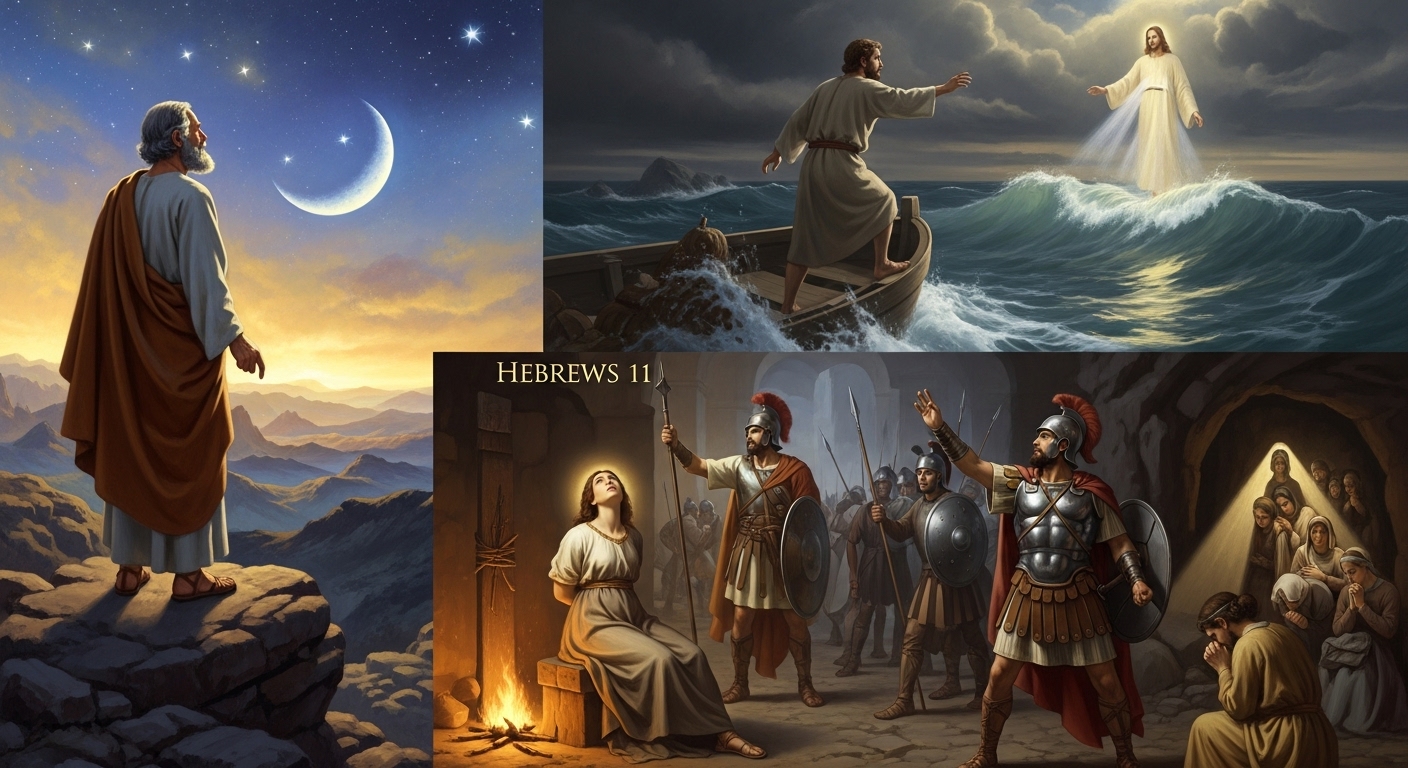
From Abraham, you learn to obey God’s calling without waiting for full visibility. From Hebrews 11, you learn endurance and perseverance matter. From Peter, you learn to focus on Jesus amid storms. These aren’t distant hero tales; they’re mirrors for your life. You’ll face decisions where the safe route is obvious, but the God-inviting route requires trust. Learning to walk by faith means you practice obedience, risk, and perseverance repeatedly. Each step builds spiritual muscle.
Trust and Surrender: The Heart of Walking by Faith
Trust and surrender are at the center of faith. Proverbs teaches you to trust the Lord with all your heart and not to lean on your own understanding — a direct call to exchange sight for faith. See Proverbs 3:5-6. Trust means leaning into God’s wisdom instead of your own plans. Surrender means you let go of the illusion that controlling outcomes secures you.
When you surrender, you don’t become passive. Rather, you become responsive. You align your will with God’s, and you act from that alignment. Surrender opens space for God to lead you into surprising, sometimes uncomfortable growth. You may find doors that you expected to open, or you might be led into places where your faith is tested. Those moments refine you and reorient your life toward reliance on God’s sustaining presence.
Signs Your Life Is Shifting Toward Faith

You’ll notice practical signs that you’re walking by faith: more peace amid uncertainty, willingness to obey even without guarantees, boldness to love and serve despite risk, and a patience that trusts God’s timing. These shifts don’t happen overnight; they’re the result of repeated choices to trust. Expect setbacks and doubts — they’re part of the process. The important part is returning to trust again and again, letting God use each step to deepen your reliance on Him.
Practical Steps to Walk by Faith, Not by Sight
Walking by faith becomes practical when you put habits in place that steer your heart and choices. Here are actionable steps you can start practicing today:
- Cultivate a steady prayer life. Prayer trains you to depend on God and to hear His voice over the noise of immediate concerns.
- Saturate your mind with Scripture. God’s promises become more real as you memorize and meditate on them. Let passages like 2 Corinthians 5:7 and Proverbs 3:5-6 be anchors.
- Practice small obedience. Faith grows by doing; each act of obedience—even small—builds trust.
- Community matters. Share your struggles and decisions with trustworthy friends who can pray and help you discern.
- Journal the ways God has been faithful. Recalling past faithfulness strengthens future faith.
You should remember that walking by faith, not by sight, doesn’t mean ignoring wisdom. It means letting faith be the lens through which you evaluate wise counsel, data, and emotion.

How to Make Decisions When You Can’t See the Full Picture
Decision-making when outcomes are uncertain is a core test of faith. Start with prayer and Scripture, ask trusted spiritual mentors for input, evaluate the options with common sense, and then make a decision that aligns with God’s character and your calling. When you decide, commit to it in prayer and remain open to adjustments as God clarifies. Sometimes faith involves stepping forward and trusting that God will make a way or redirect you as needed.
Importantly, recognize that fear of failure or the unknown can masquerade as wisdom. Ask yourself whether caution is rooted in prudent care or in fear-driven control. Faith and wisdom can coexist — they simply operate from different ultimate authorities: God’s promises versus immediate evidence.
When Sight Conflicts With Faith: Navigating Doubt and Suffering

There will be seasons when sight screams louder than faith. Sickness, financial strain, broken relationships, or unanswered prayers can make faith feel distant. These moments aren’t evidence that faith is naïve; they’re opportunities to deepen it. Paul wrote about hoping for what you do not yet see in Romans 8:24-25. Waiting with hope refines your trust.
Doubt itself isn’t the enemy; it can be the doorway to deeper understanding if you use it well. Bring your questions to God, study Scripture, talk with mentors, and permit yourself to wrestle honestly. Some of the greatest spiritual growth happens in the middle of wrestling. Keep choosing to trust even when feelings contradict what you believe.
How Waiting Shapes You
Waiting isn’t passive; it’s formative. As you wait, you learn patience, reliance, and the discipline of focused hope. Waiting clarifies priorities, reveals idols (what you cling to more than God), and prepares you for the responsibilities of future blessings. Scripture calls you to hope persistently and to steward seasons of waiting as fertile ground for faith’s growth.
Paul’s encouragement in 2 Corinthians 4:18 to fix your eyes on what is unseen is meant for these tough seasons. When you intentionally reorient your focus, your feelings begin to follow, and your choices align more with God’s perspective.
Spiritual Disciplines That Strengthen Your Faith

If you want to walk by faith not by sight, spiritual disciplines are the gym. They help you practice trusting God consistently until it becomes a reflex. Key disciplines include:
- Prayer: Talk with God regularly and listen.
- Scripture reading and meditation: Let God’s Word shape your beliefs.
- Worship: Sing and declare truths that reset your heart toward God.
- Fasting: Remove comforts to sharpen dependence on God.
- Service: Faith grows when it’s exercised outwardly through love.
Faith deepens when it’s practiced in community. Find a small group or mentorship relationship where you can be honest, receive correction, and share victories. Faith is rarely forged in isolation.
How to Keep Disciplines from Becoming Legalism
Disciplines aren’t checkboxes to earn God’s favor — they’re pathways to intimacy. If you find yourself doing routines out of duty alone, reframe them as invitations to know God more. Let grace shape your practice: be honest about your struggles, celebrate small wins, and adjust disciplines so they remain life-giving rather than burdensome. The goal is transformation, not performance.
Common Obstacles You’ll Face and How to Overcome Them

Walking by faith not by sight isn’t linear. Expect obstacles: fear, comparison, past disappointments, and cultural pressure to measure success by visible signs. Here’s how to face them:
- Fear: Face it with truth. Name your fear, examine its basis, and replace it with God’s promises.
- Comparison: Remember that visible success isn’t spiritual proof. You don’t measure your worth by others’ highlights.
- Past hurts: Let God redeem your story. Counseling, honest prayer, and supportive friends help you move forward.
- Pressure for immediate results: Practice patience and trust the process. Not all fruitful seasons are visible at first.
James reminds you that faith without works is dead, meaning your trust will show up in your choices and actions — faith is active. See James 2:17.
When You Slip Back to Sight: How to Recalibrate
You will revert to sight at times — it’s part of being human. When you notice that you’re operating from fear or visibility, pause. Re-center your mind with Scripture, remember past faithfulness, pray with humility, and act on a single small obedience. Recalibration often happens through confession, realignment with Scripture, and the gentle correction of community.
Testimonies and Encouragement: Real-Life Stories of Walking by Faith

You learn best from the lived experience of others. Maybe you know a friend who left a secure job because God led them into ministry, and months later, you’re seeing fruits you couldn’t predict. Or perhaps you’ve watched someone forgive and reconcile in a way that looked impossible by sight. These stories remind you that God often builds new paths while you’re taking steps of faith.
Hearing testimonies shifts your imagination. It expands what you believe God can do in situations that look bleak. When you see others walking by faith, it fuels your courage to choose faith in your own hard places.
How to Tell Your Story
You don’t have to wait for a perfect victory to share what God is doing. Small, honest testimonies encourage others. Talk about the doubts, the steps you took, and the ways God was faithful. Your transparency creates space for others to trust. Testimonies aren’t polished PR; they’re real glimpses of grace in motion.
Walking by Faith in Everyday Decisions: Career, Family, Finances
Faith isn’t only for spiritual milestones — it shapes your daily choices. Here are examples of how this plays out:
- Career: You might accept a role that allows you to serve generously instead of maximizing salary, trusting that God will provide.
- Family: You could choose to forgive or reconcile rather than protect your image.
- Finances: You might give sacrificially, confident that God can meet needs even when budgets look tight.
These choices aren’t reckless; they reflect a pattern of trusting that God’s economy and timing are real. You can practice wise stewardship while choosing generosity and obedience as expressions of faith.
Small Steps That Lead to Big Faith
You don’t need a dramatic moment to walk by faith. Small acts compound: a daily prayer, a simple act of generosity, choosing to speak truth in love. Over time, these habits build a life where faith becomes the default orientation rather than a last resort.
Final Thoughts: Keep Choosing Faith
Choosing to walk by faith not by sight, is a daily, moment-by-moment decision. You won’t do it perfectly, but each step of trust trains you for the next. Remember the words of 2 Corinthians 5:7 and let them be an invitation, not a demand: live by faith. Use Scripture, prayer, and community as your supports. Celebrate small steps, learn from stumbles, and keep walking.
When you opt for faith, you join a long line of people who trusted God’s promises before seeing them fulfilled. That choice brings peace, purpose, and a deeper sense of God’s presence. It reshapes how you make decisions, how you handle setbacks, and how you hope.

Remember to keep practicing what you’ve learned. Take one concrete step this week toward a decision that requires faith: a prayer, a conversation, a generous act, or a courageous choice to obey. Each step is real progress.
Explore More
For further reading and encouragement, check out these posts:
👉 7 Bible Verses About Faith in Hard Times
👉 Job’s Faith: What We Can Learn From His Trials
👉 How To Trust God When Everything Falls Apart
👉 Why God Allows Suffering – A Biblical Perspective
👉 Faith Over Fear: How To Stand Strong In Uncertain Seasons
👉 How To Encourage Someone Struggling With Their Faith
👉 5 Prayers for Strength When You’re Feeling Weak
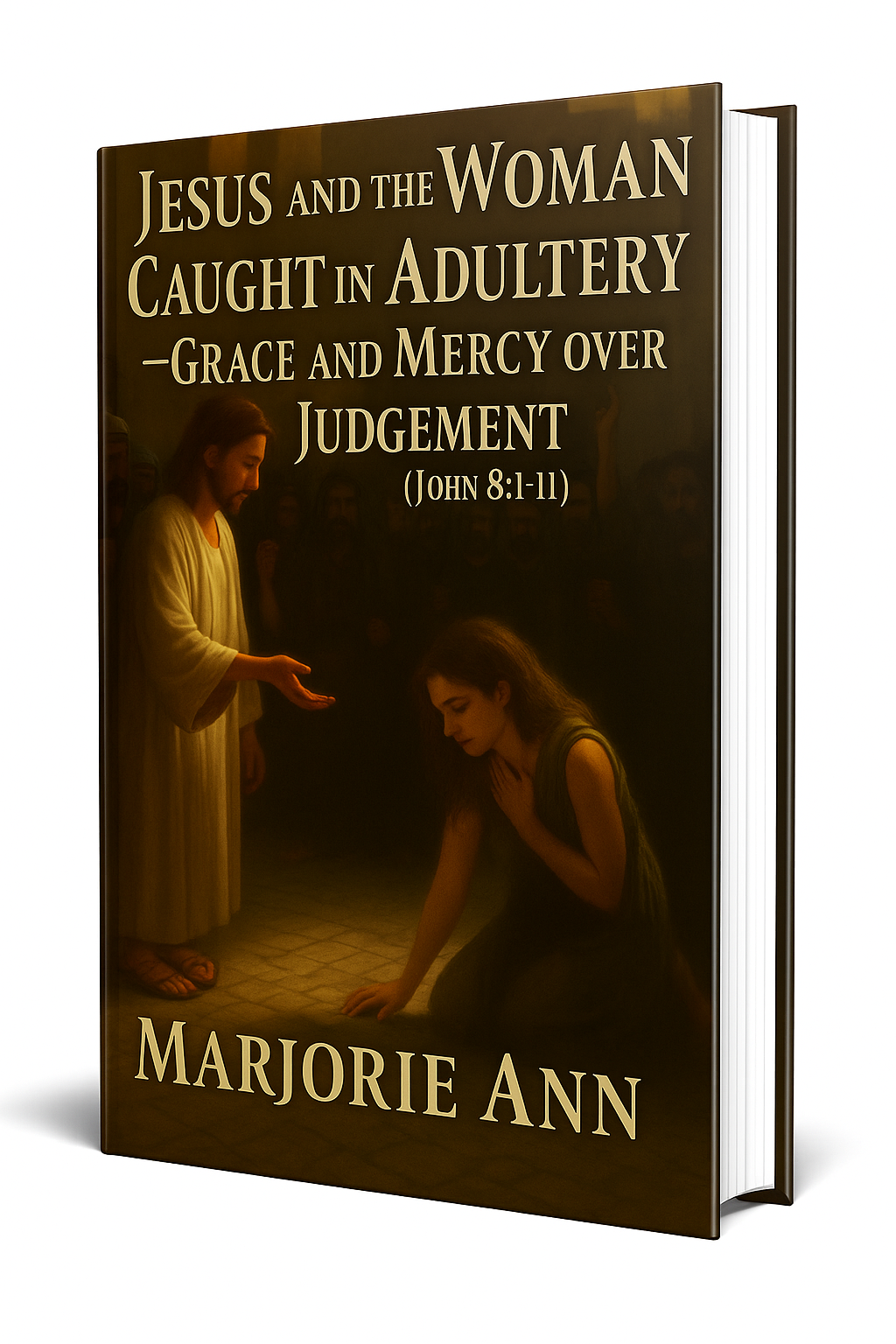
📘 Jesus and the Woman Caught in Adultery – Grace and Mercy Over Judgement
A powerful retelling of John 8:1-11. This book brings to life the depth of forgiveness, mercy, and God’s unwavering love.
👉 Check it now on Amazon 🛒💥

🔥 “Every great message deserves a home online.” 🌍💬🏡
Don’t let your calling stay hidden. Start a Christian blog or website using Hostinger — with 99.9% uptime, a free domain, and SSL, your voice can shine for God’s glory anytime, anywhere.
💥 Begin today. 🛒 Try it RISK-FREE! ✅

✝️ “Your body is God’s temple — care for it with purpose.” 💪💖🏛️
Renew your energy and restore balance naturally. Mitolyn helps support a healthy metabolism, giving you the vitality to live out God’s calling with strength and confidence.
🔥 Unlock Your Metabolic Power! ⚡Burn More Calories & Feel Great With Mitolyn. 💪
👉 Start Today. 🚀 Check Price Now. 🛒💰
💰 As a ClickBank & Amazon Affiliate, I earn from qualifying purchases.
📖 Acknowledgment: All Bible verses referenced in this article were accessed via Bible Gateway (or Bible Hub).
🚀 Want to explore more? 👉 Dive into our new post on Why Jesus? and experience the 🔥 life-changing truth of the Gospel!