

Do Angels Have Wings In The Bible? (Exodus 25:20; Isaiah 6:2)
Introduction
Have you ever pictured angels with enormous white wings, floating gently above you? That image is everywhere—in greeting cards, movies, and stained glass—but when you open your Bible, what does Scripture actually say about angelic wings? You’re not alone if you want clarity. This topic matters because the way you picture angels shapes how you imagine God’s realm, spiritual help, and even Bible stories. In this article, you’ll explore the specific passages that mention wings — especially Exodus 25:20 and Isaiah 6:2 — and get practical, faith-centered insight on what those wings mean for your life today.

The Bible Foundation
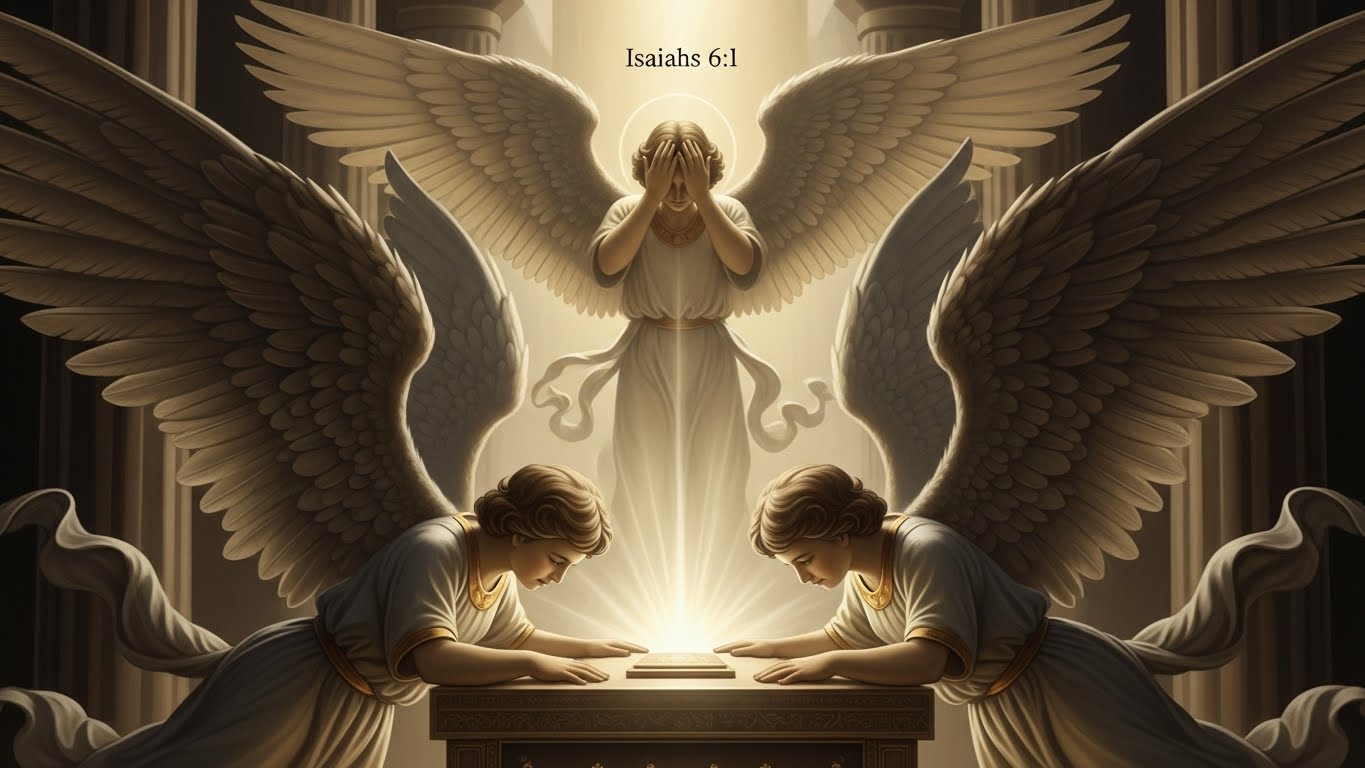
Exodus 25:20 — Cherubim on the Ark
Exodus 25:20 — “The cherubim are to have their wings spread upward, overshadowing the atonement cover with them. The cherubim are to face each other, looking toward the cover.”
This verse is part of God’s instructions to Moses about the Ark of the Covenant and the mercy seat. The cherubim with wings are not described as flying creatures in this passage so much as symbolic figures positioned over the place where God’s presence met Israel. The wings “overshadow” the atonement cover, signaling protection, holiness, and the nearness of God.
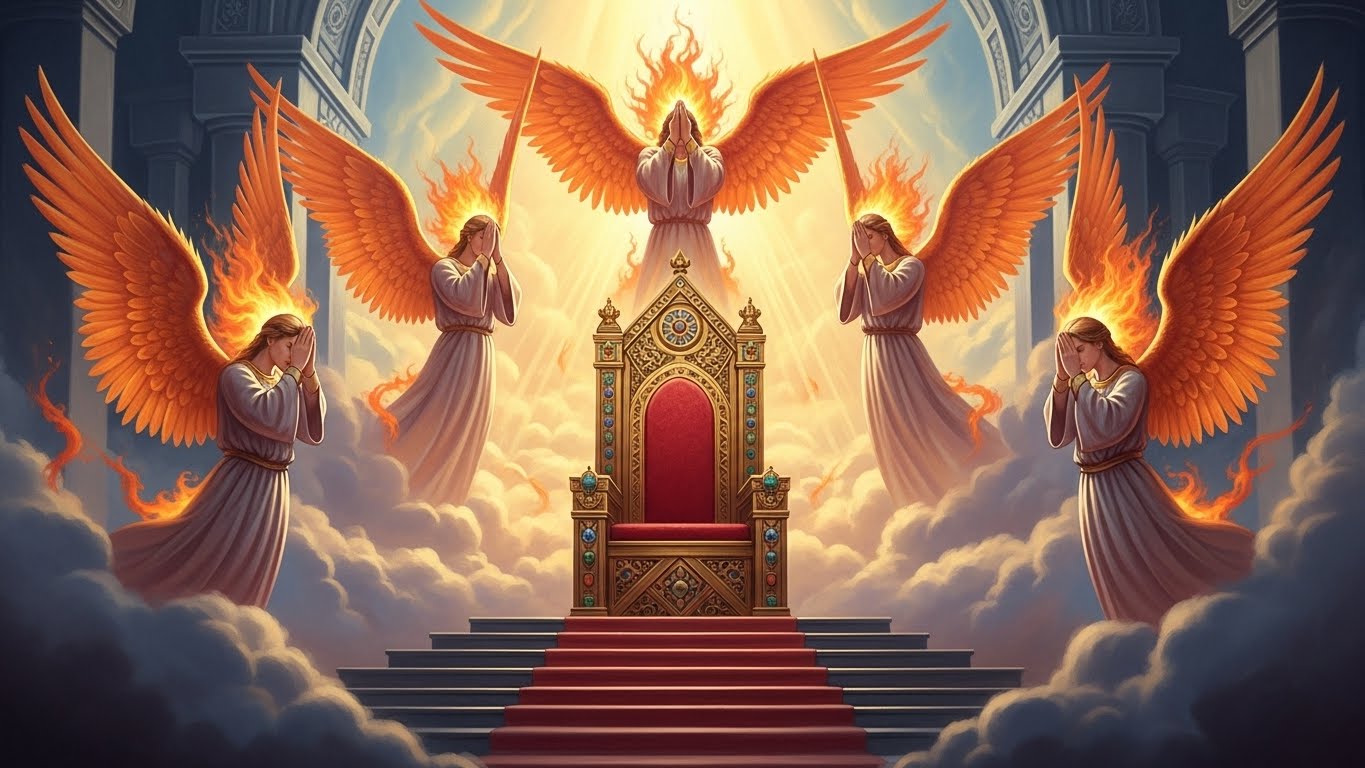
Isaiah 6:2 — Seraphim in Vision
Isaiah 6:2 — “Above him were seraphim, each with six wings: with two wings they covered their faces, with two they covered their feet, and with two they were flying.”
Isaiah’s vision gives you a dramatic angelic image: seraphim with six wings, engaged in worship and awe before God’s holiness. Here, wings are part of the vision’s symbolism—showing reverence (covering face and feet) and mobility or readiness (wings used for flying).
Understanding the Core Truth
When you ask, “Do angels have wings in the Bible?” the core truth is that wings appear in Scripture mainly in symbolic and visionary contexts. Certain angelic beings—cherubim and seraphim—are described with wings. But many biblical accounts of angels who interact with people don’t mention wings at all; sometimes angels appear simply as men. That tells you wings are not the primary point; they’re part of a larger message about God’s holiness, presence, and how heavenly beings act in relation to God and humanity.
Wings symbolize attributes: protection (Exodus), worship and reverence (Isaiah), swiftness or service (Psalm images), and sometimes mystery. So instead of focusing only on physical wings, you’ll benefit from seeing them as visual language the Bible uses to communicate spiritual realities.
Going Deeper — The Hidden Meaning
Digging deeper, you’ll notice that biblical descriptions of winged beings cluster around specific functions. Cherubim are associated with guarding sacred space (see Genesis 3:24 and Exodus 25:20). Seraphim in Isaiah’s vision are focused on God’s purity and holiness, using wings to cover themselves in humility before the Lord. Hebrews 1:14 calls angels “ministering spirits” (link below), highlighting service over appearance.
Consider how imagery works: an artist paints wings on a messenger to show that the messenger is from beyond and is swift, holy, or protective. Scripture uses similar visual shorthand. When Isaiah shields his face and feet, the wings show both reverence and the ineffable nature of God’s presence; when the cherubim overshadow the mercy seat, they show divine protection and closeness. These images invite you into awe and remind you that heaven’s realities are often communicated through human symbols that point to deeper truth.
(See also Hebrews 1:14 for angels as ministers.)

Modern Connection — Relevance Today
So how does this ancient symbolism matter for you now? First, it helps you avoid shallow or sentimental thinking about spiritual beings. If your image of angels is only soft wings and fluffy creatures, you might miss the Bible’s focus on God’s holiness, care, and mission. Second, wings as symbols remind you that God is both transcendent and near: transcendence in the seraphim’s reverence, nearness in the cherubim overshadowing the mercy seat. That shapes your prayer life—worship and humility—alongside trust that God protects and ministers to you.
In practical terms, when you feel alone, the Bible’s wing imagery can feel reassuring: wings of protection and swiftness suggest God’s care and the readiness of heaven to serve God’s purposes. When you approach worship, Isaiah’s vision nudges you toward reverence and confession. When you think of mission, remember angels are described as servants, not idols, and their wings emphasize purpose rather than glamour.
Practical Application — Living the Message
What can you do tomorrow with this understanding?
- Approach worship with humility. Isaiah’s seraphim teach you to revere God’s holiness before you ask or act.
- Seek God’s protection in prayer. Use the image of cherubim overshadowing the mercy seat as a reminder that God’s presence covers and cares for you.
- Serve as an agent of God’s ministry. Angels are called ministering spirits; you can model that by offering practical help, prayer, or encouragement to people around you.
- Discern images carefully. When art or culture shows angels with wings, ask what spiritual truth the image is trying to communicate rather than treating the image as doctrinal truth.
These steps are small, but they reshape your spiritual imagination to align more closely with biblical intent—worship first, then service.
Faith Reflection Box
Pause and reflect: When you picture angels, what emotions arise—comfort, awe, curiosity, fear? How might those emotions influence how you pray, worship, or act toward others?
Key Takeaways
- Wings appear in the Bible mainly in symbolic contexts (cherubim, seraphim).
- Wings symbolize protection, reverence, readiness, and divine presence.
- Angels are described primarily as servants of God; their form serves God’s purposes, not ours.
- Let worship and humility shape your spiritual imagination more than cultural images.
- Apply the biblical lessons: worship God’s holiness, trust His protection, and join in His ministry.
Q&A
Q1: Do the Bible’s angels always have wings? Answer: Not always. Some angelic beings, like cherubim (Exodus 25:20; Genesis 3:24) and seraphim (Isaiah 6:2), are described with wings, but many encounters with angels in Scripture don’t mention wings at all. For example, angels who visit Abraham, Lot, and Mary appear as men and interact directly with people (Genesis 18; Luke 1). The presence or absence of wings often serves a symbolic or theological purpose—illustrating protection, reverence, or heavenly function—rather than giving a catalog of angel anatomy. See Genesis 18:1–2 and Luke 1:26–27 for examples.
Related: What Are Angels According To The Bible? (Hebrews 1:14; Psalm 91:11)
Q2: What do wings on angels teach you about God? Answer: Wings in the Bible frequently point you to God’s attributes: His protection (cherubim shielding the mercy seat), His holiness (seraphim covering faces before God), and His readiness to act (wings for swift service). These images encourage you to approach God with awe and to trust in His care. They also remind you that heaven’s reality is different from ours; Scripture uses powerful visual language to communicate spiritual truths you can’t fully grasp in human terms. Consider Exodus 25:20 and Isaiah 6:2 for direct examples.
Q3: Can you rely on angels to solve your problems? Answer: Scripture shows angels as God’s servants who carry out His purposes, but they are not a substitute for your relationship with God. Angels act under God’s authority and timing (Psalm 103:20; Hebrews 1:14). Your primary call is to trust and obey God, seek His help in prayer, and participate in the mission He gives you. Expect God to use many means to care for you—sometimes through people, sometimes through providence, and at times through angelic ministry—but always under His sovereignty. See Psalm 103:20 and Hebrews 1:14 for more.
See also: Who Are The Archangels In The Bible? (Jude 1:9; 1 Thessalonians 4:16)
Conclusion & Reflection
So, do angels have wings in the Bible? Sometimes—especially in visionary and symbolic passages like Exodus 25:20 and Isaiah 6:2—but wings are more about meaning than anatomy. They point you to God’s protection, holiness, and the active service of heaven, inviting you into reverent worship and confident trust. As you go, let the biblical images shape your faith: worship deeply, pray honestly, and live as a servant in God’s kingdom.
A short prayer: Father, thank You for the glimpses of heaven You’ve given in Scripture. Help me to approach You with awe, to trust Your protection, and to serve others as an extension of Your care. Keep my imagination grounded in Your truth and my heart moved toward worship. In Jesus’ name, Amen.

More Inspiration Awaits — Read These Next
 For deeper insight into Isaiah 40:31 and how it renews your strength in both faith and daily life
For practical lessons on compassion and neighborliness from the Good Samaritan
For a clear explanation of what we can learn from the Parable of the Good Samaritan
For meaningful insights from the Parable of the Pearl and its hidden treasures
For a deeper look at the Rich Man and Lazarus and what it reveals about the afterlife
For guidance on the Parable of the Ten Virgins and preparing for God’s Kingdom
For clarity on the Parable of the Lamp and how it calls us to shine our light
For insights from the Parable of the Wedding Feast and the meaning behind the invited guests
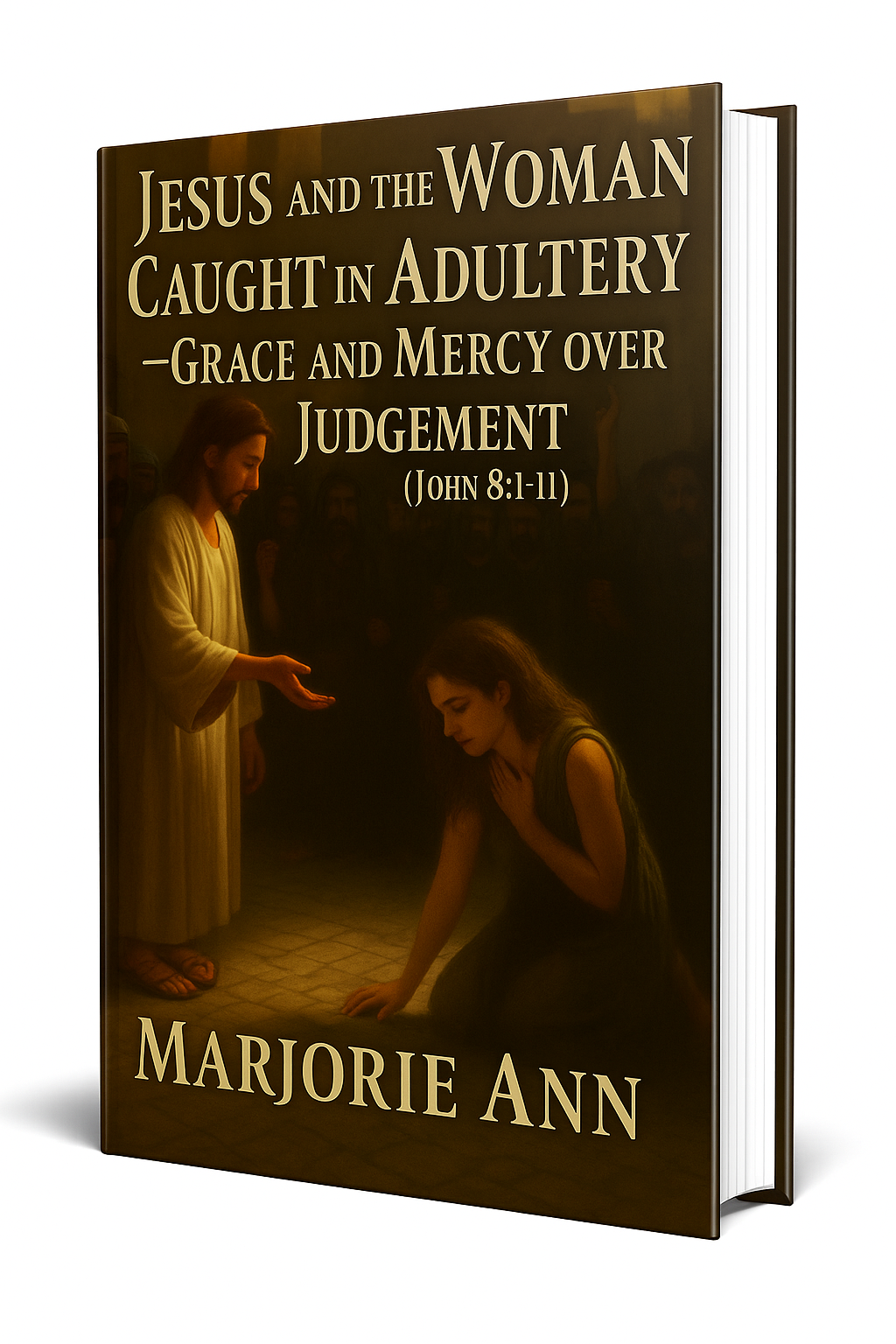
 Jesus and the Woman Caught in Adultery – Grace and Mercy Over Judgement
A powerful retelling of John 8:1-11. This book brings to life the depth of forgiveness, mercy, and God’s unwavering love. Check it now on Amazon 


 “Every great message deserves a home online.”


Don’t let your calling stay hidden. Start a Christian blog or website using Hostinger — with 99.9% uptime, a free domain, and SSL, your voice can shine for God’s glory anytime, anywhere. Begin today. Try it RISK-FREE! 

 “Your body is God’s temple — care for it with purpose.”


Renew your energy and restore balance naturally. Mitolyn helps support a healthy metabolism, giving you the vitality to live out God’s calling with strength and confidence.
Unlock Your Metabolic Power!  Burn More Calories & Feel Great With Mitolyn.
Start Today.  Check Price Now.
As a ClickBank & Amazon Affiliate, I earn from qualifying purchases.
 Acknowledgment: All Bible verses referenced in this article were accessed via Bible Gateway (or Bible Hub).
Want to explore more? Dive into our new post on Why Jesus? and experience the life-changing truth of the Gospel!