

Matthew 24:36 Meaning — What Did Jesus Mean By “No One Knows The Day Or Hour”?


Introduction
You’ve likely heard Matthew 24:36 quoted in sermons, articles, and conversations about the end times: “But about that day or hour no one knows, not even the angels in heaven, nor the Son, but only the Father.” See Matthew 24:36 (NIV). It can feel unsettling at first — Jesus Himself says the timing is unknown — and so many questions follow: What did Jesus mean? Does this rule out all knowledge of the end? Does it undermine prophecy? How should you live in light of it?
Understanding this verse matters because it shapes how you think about prophecy, watchfulness, and daily discipleship. It affects whether your faith drifts into fatalism, curiosity about dates, or steady obedience marked by hope. In this article you’ll get historical and theological clarity, plain-language explanations of the key phrases, helpful cross-references, and practical application so you can respond with faith, wisdom, and readiness.
Context and Background
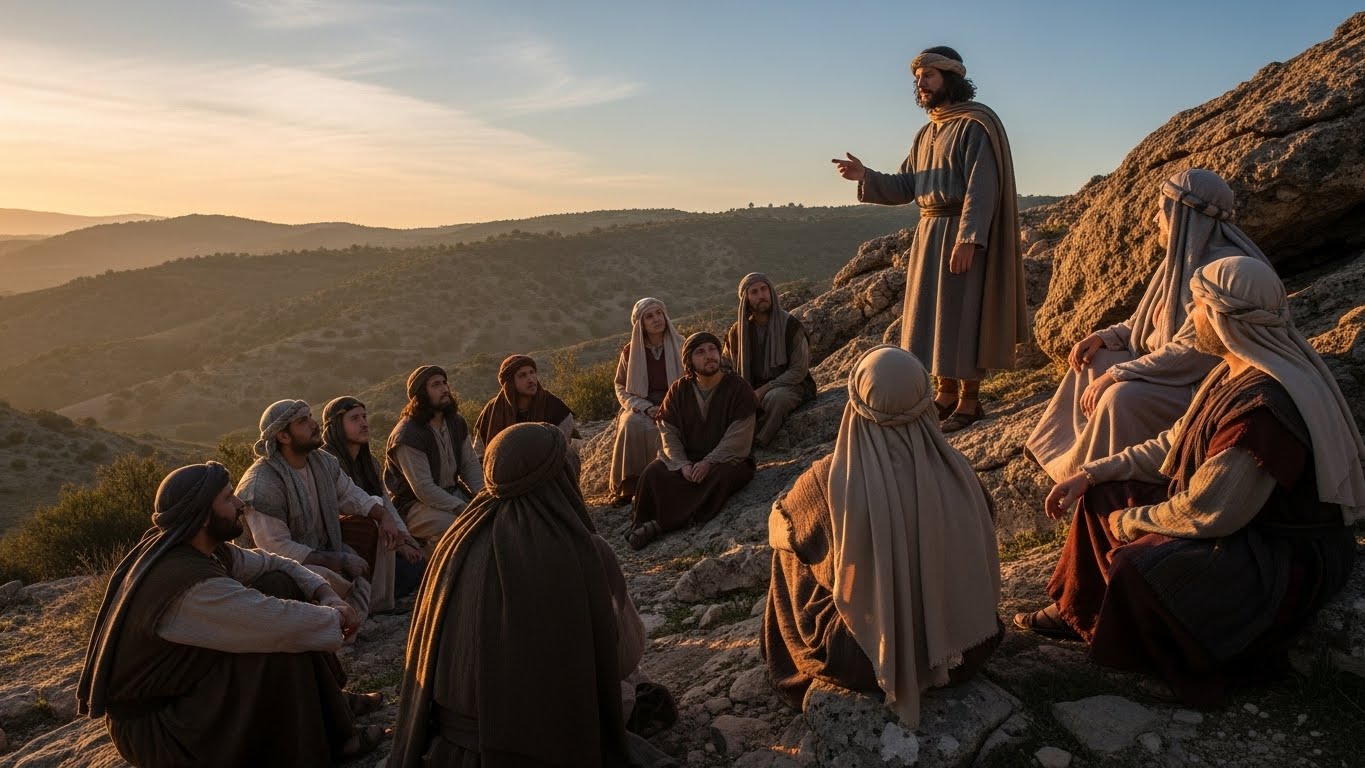
When you read Matthew 24:36, it sits inside a larger conversation — Jesus’ so-called Olivet Discourse. He’s speaking to his disciples on the Mount of Olives after leaving the temple, responding to questions about the temple’s destruction, the signs of the end, and His return. Matthew records an extended teaching that spans warnings, parables, and prophetic imagery (Matthew 24–25). To grasp verse 36 properly, you need that immediate context: Jesus is teaching about future events and how people should live in light of them.
The author of the Gospel is Matthew, a tax collector turned apostle, writing primarily to a Jewish-Christian audience who were grappling with Jesus’ identity and the relationship of Jesus’ promises to Israel’s future. His readers were familiar with Jewish apocalyptic language and the hope for God’s final intervention. That background helps you see why questions about timing are natural and why Jesus addresses them directly.
Historically, these teachings were delivered in the shadow of a tense first-century world — Roman occupation, temple politics, and rising instability. The early church had to navigate persecution and uncertainty; Jesus’ words were meant to steady them, not to feed date-setting speculation. Knowing this helps you interpret Matthew 24:36 as pastoral and practical, not a tease of hidden calendar dates.
Verse Breakdown and Meaning
You’ll want to look at the verse closely. Matthew 24:36 reads in the NIV:
“But about that day or hour no one knows, not even the angels in heaven, nor the Son, but only the Father.” See Matthew 24:36 (NIV).
Let’s break it into sections and translate the meaning into plain language so you can apply it.
“But about that day or hour”
This phrase is purposeful. Jesus is referring to the specific timing of a climactic event — the return of the Son of Man and the consummation of God’s plan. He uses both “day” and “hour” to emphasize precision: not just the era, but the exact moment. That precision is intentionally unknown to human calculation. Jesus’ wording underscores the unpredictability of the timing, so you can’t schedule faith or reduce hope to a calendar.
Cross-references reinforce this emphasis on timing: Acts 1:7 records Jesus telling the apostles, “It is not for you to know the times or dates the Father has set by his own authority.” See Acts 1:7 (NIV). Paul likewise reminds believers, “for you know very well that the day of the Lord will come like a thief in the night.” See 1 Thessalonians 5:2 (NIV). These all argue against precise human knowledge of “when,” while affirming certainty that something will occur.
“no one knows”
When Jesus says “no one,” He intentionally collapses claims of certainty from any human or celestial source. This isn’t a rhetorical trick to scare you; it’s a clear theological statement about human limitation and divine prerogative. The statement sets boundaries around speculation and date-setting. It refuses the idolatry of knowledge that replaces trust in God’s sovereignty.
This negation functions as pastoral guidance. In the face of fear and rumor, Jesus prevents his followers from becoming preoccupied with timelines and invites them back to faithfulness.
“not even the angels in heaven”
Jesus includes angels in the list of those who do not know. That’s significant because angels are commonly seen as heavenly messengers with knowledge beyond human reach. By excluding angels, Jesus underscores that the knowledge of the exact timing is not given to spiritual beings either. This phrasing again centers the unique authority of the Father in the economy of revelation.
You’ll see similar humility about knowledge elsewhere: even the created order does not control the end; only the Creator does. The reference to angels helps shift focus from curiosity to trust.
“nor the Son”
This clause has generated much theological discussion. How do you understand “nor the Son” when Christian doctrine also affirms Jesus’ divinity? There are careful, responsible ways to read this phrase without undermining core Christian convictions.
One common, orthodox reading is to see this as an expression of Jesus’ role in his incarnate state. In the incarnation, Jesus willingly took on human limitations (Philippians 2:6–8), and part of that mission meant submitting to the Father’s authority in certain matters. Saying “nor the Son” reflects Jesus’ authentic human experience and his obedience to the Father during his earthly ministry. It communicates that, in his human nature, Jesus did not exercise independent knowledge of the Father’s timetable.
You can compare this to Mark’s parallel: “But about that day or hour no one knows, neither the angels in heaven, nor the Son, but only the Father.” See Mark 13:32 (NIV). Luke captures the truth of human limitation with Jesus’ similar imperative about watchfulness: “You also must be ready, because the Son of Man will come at an hour when you do not expect him.” See Luke 12:40 (NIV).
This reading does not deny Jesus’ divinity; it highlights the mysterious union of full deity and full humanity in the person of the Son. In his earthly ministry, Jesus often acts in dependence on the Father’s timing.
“but only the Father”
This is the climactic clause that places exclusive authority with God the Father. It affirms God’s sovereignty over history and his prerogative to determine the timing of the consummation. Why is that important? Because when timing is God’s business alone, you’re invited to trust His wisdom and pacing, not to try to outguess Him.
This exclusivity is not meant to make you passive or complacent. Rather, it frames faithful living under a sovereign God who controls the timeline and whose purposes are ultimately good. The Father’s exclusive knowledge is a safeguard against human pride and a call to humble dependence.

Cross-References and Related Scripture
Your understanding deepens when you pull threads from across Scripture that relate to this verse. Here are key cross-references and what they add:
- Matthew 24:42–44 — “Therefore keep watch, because you do not know on what day your Lord will come… So you also must be ready, because the Son of Man will come at an hour when you do not expect him.” See Matthew 24:42-44 (NIV). These verses transform unknown timing into an ethic of readiness.
- Matthew 25:13 — “Therefore keep watch, because you do not know the day or the hour.” See Matthew 25:13 (NIV). The parable of the ten virgins ties the unknown time to faithful preparedness.
- Mark 13:32 — The parallel passage reiterates the same truth and confirms that this teaching was repeated across Gospel traditions. See Mark 13:32 (NIV).
- Acts 1:7 — Jesus tells the apostles, “It is not for you to know the times or dates the Father has set by his own authority.” See Acts 1:7 (NIV). This shows continuity between Jesus’ words and the early church’s understanding.
- 1 Thessalonians 5:2 — “for you know very well that the day of the Lord will come like a thief in the night.” See 1 Thessalonians 5:2 (NIV). Paul uses vivid imagery to encourage vigilance.
- Luke 12:40 — “You also must be ready, because the Son of Man will come at an hour when you do not expect him.” See Luke 12:40 (NIV). Luke’s wording brings a pastoral urgency to Jesus’ teaching.
Together these verses show two persistent biblical themes: (1) the exact timing of the consummation is known only to God, and (2) the proper human response is watchful readiness.
Theological Significance
When you seek the theological heart of Matthew 24:36, three major truths stand out: God’s sovereignty, the genuine humanity of Jesus, and the ethic of watchfulness.
First, sovereignty: the verse places eschatological timing in God’s hands. That means God governs history and holds the final schedules. For you, that is a comfort: God’s plans will not be thwarted by human error, wickedness, or confusion. You can trust that when God acts, He will act with perfect wisdom and justice.
Second, Christology and incarnation: “nor the Son” highlights a real, humble aspect of Jesus’ earthly life. He did not come to showcase divine independence but to embody obedience and dependence within the Trinity’s ordered relationship. You don’t need to resolve every technical nuance of how Jesus’ divine knowledge and human experience interact to accept the pastoral point: Jesus’ earthly teaching encourages reliance on the Father.
Third, Christian practice: the unknown timing redirects your energy from date-calculating to discipleship. The consistent biblical imperative is to be ready — living lives marked by justice, mercy, prayer, and faithfulness. Theological reflection here leads not to fatalism but to faithful expectation.
This verse also guards against two errors: speculative date-setting and disengaged waiting. The former presumes knowledge God reserved for Himself; the latter treats Jesus’ return as a far-off curiosity rather than a transformative hope.
How This Verse Fits in the Bible’s Big Picture
You can place Matthew 24:36 within several broader biblical themes that shape how you live today.
God’s Sovereign Timing
From Genesis to Revelation, Scripture affirms God’s control of history. The prophets speak of appointed days; the Gospels reveal Jesus as the fulfillment of God’s timeline; the epistles exhort believers to live expectantly. Matthew 24:36 continues this thread: the timing of God’s final intervention is His secret. Your posture in life flows from this theological reality — you live under a God who knows and governs, not under a fate you must manipulate.
The Already and Not Yet
Biblical eschatology often uses “already/not yet” language: the kingdom has been inaugurated in Christ but awaits consummation. You live in a tension where Christ is present and active, but some promises remain future. Matthew 24:36 emphasizes the “not yet” aspect: the full consummation’s timing is still under divine control. This keeps you humble and hopeful — the kingdom has broken in, and it will break through fully when God decides.
Call to Watchfulness and Faithful Stewardship
Scripture continually connects truth about the future with present responsibility. The parables of wise stewards, watchful servants, and faithful bridesmaids (Matthew 24–25) tie unknown timing to concrete action: prayer, service, mercy, and holiness. You’re not left to wonder helplessly; you’re given work to do — love God, love neighbor, steward your gifts.
Trinitarian Ordering
The verse also contributes to a biblical picture of intra-Trinitarian relations — Father, Son, and Spirit fulfilling distinct roles in redemptive history. The Father’s exclusive knowledge of timing does not imply inequality; rather, it shows ordered roles within the Godhead as they accomplish salvation history. This theological nuance helps you honor both Jesus’ divinity and his genuine human engagement on earth.

Practical Application — How You Should Respond
You may wonder, what does Matthew 24:36 mean for your daily life? Here are practical pathways you can take:
- Live ready. Jesus’ repeated instructions to “keep watch” are simple: live as though His coming could be soon. That means practicing repentance, love, and service now, not later.
- Prioritize obedience over curiosity. Rather than spending energy trying to decode charts or predict dates, channel curiosity into Bible study, prayer, and serving your community.
- Anchor in hope, not fear. Unknown timing can generate anxiety, but Scripture intends it to cultivate hopeful dependence. Trust God’s timing and rest in His justice and mercy.
- Engage in mission. If you expect Jesus’ return, you’ll likely invest in gospel proclamation, care for the suffering, and works of reconciliation.
- Practice spiritual disciplines. Prayer, scripture reading, fasting, and fellowship keep you spiritually alert and ready to respond to God’s call, whenever He acts.
These responses don’t require you to settle every theological tension. They ask you to be faithful in the tasks God has given you while trusting Him about timing.
Common Questions and Concerns
You might still have questions. Here are brief answers to common concerns.
- Does “nor the Son” contradict Jesus’ divinity? No. The phrase must be read in the context of the incarnation. In his earthly ministry, Jesus voluntarily assumed human limitations and utter dependence on the Father’s authority (Philippians 2:5–8). The verse is pastoral and functional, not a systematic theology test.
- Does this mean no prophecy will be fulfilled? No. Scripture contains fulfilled prophecy and ongoing promises. Matthew 24:36 limits human knowledge of the precise moment, not the reality of prophetic fulfillment. God remains faithful to His declarations and will fulfill them in His timing.
- Should you ignore eschatology? Not at all. The Bible’s teaching on last things calls you to alertness, hope, and mission. Eschatology shapes ethics and spiritual urgency.
- Is date-setting ever okay? The Bible repeatedly warns against claiming certainty about dates God reserved for Himself. Historical examples show how date-setting can lead to scandal and disillusionment. Exercise caution and humility when engaging with predictions.
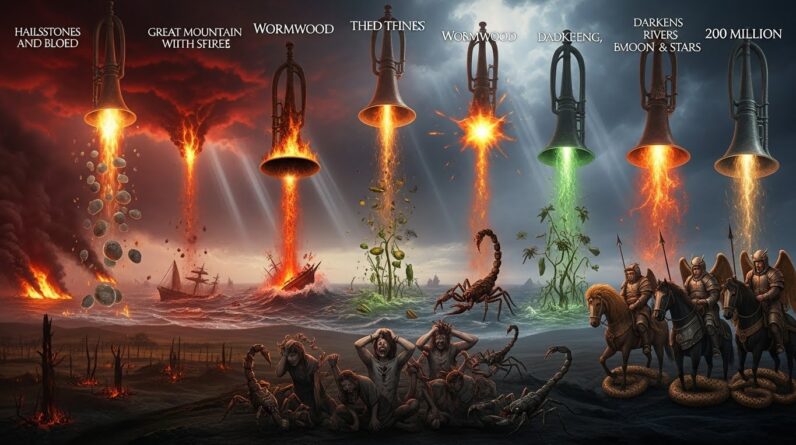
This verse is part of Jesus’ broader teaching about the end times and His return.
➡️ Learn more in “What Does the Bible Say About the End Times?”
Conclusion and Reflection
Matthew 24:36 teaches you a poignant lesson: the precise timing of Jesus’ return is known only by the Father. That does not leave you powerless or despondent. Instead, it frees you from obsessive date-guessing and grounds you in a gospel-shaped life of watchfulness, mercy, and patient hope. Jesus’ words call you to steady faith: live prepared, serve faithfully, and trust God’s timing.
Take a moment to reflect: How would your daily choices change if you truly lived as if Jesus could return at any time? What next step of faithful obedience is God asking you to take today?
Short prayer: Father, thank You for Your sovereignty and for the gift of Your Son. Help me live in faithful readiness, trusting Your timing and serving others with love. Keep my eyes fixed on Christ and my heart steady in hope. Amen.
Explore More
 For deeper insight into Isaiah 40:31 and how it renews your strength in both faith and daily life
For practical lessons on compassion and neighborliness from the Good Samaritan
For a clear explanation of what we can learn from the Parable of the Good Samaritan
For meaningful insights from the Parable of the Pearl and its hidden treasures
For a deeper look at the Rich Man and Lazarus and what it reveals about the afterlife
For guidance on the Parable of the Ten Virgins and preparing for God’s Kingdom
For clarity on the Parable of the Lamp and how it calls us to shine our light
For insights from the Parable of the Wedding Feast and the meaning behind the invited guests

 Jesus and the Woman Caught in Adultery – Grace and Mercy Over Judgement
A powerful retelling of John 8:1-11. This book brings to life the depth of forgiveness, mercy, and God’s unwavering love. Check it now on Amazon 


 “Every great message deserves a home online.”


Don’t let your calling stay hidden. Start a Christian blog or website using Hostinger — with 99.9% uptime, a free domain, and SSL, your voice can shine for God’s glory anytime, anywhere. Begin today. Try it RISK-FREE! 

 “Your body is God’s temple — care for it with purpose.”


Renew your energy and restore balance naturally. Mitolyn helps support a healthy metabolism, giving you the vitality to live out God’s calling with strength and confidence.
Unlock Your Metabolic Power!  Burn More Calories & Feel Great With Mitolyn.
Start Today.  Check Price Now.
As a ClickBank & Amazon Affiliate, I earn from qualifying purchases.
 Acknowledgment: All Bible verses referenced in this article were accessed via Bible Gateway (or Bible Hub).
Want to explore more? Dive into our new post on Why Jesus? and experience the life-changing truth of the Gospel!