

What Are Evil Spirits In The Bible? (Mark 5:2-13; Luke 8:2)

TL;DR — Simple Answer
In the Bible, evil spirits are real spiritual beings opposed to God and under His authority. Scripture shows that Jesus has complete power over them, revealing God’s control and victory over darkness (Mark 5:2–13; Luke 8:2).

INTRODUCTION
This question matters because the reality of spiritual forces affects how you live, worship, and trust God. When you read accounts like Mark 5:2-13 and Luke 8:2, you’re not just reading strange stories — you’re seeing Jesus demonstrate authority over spiritual evil and giving you a pattern for faith-filled living. That matters for your belief and your daily life because it shapes how you pray, how you respond to fear, and how you depend on Christ’s power rather than on superstition or sensationalism.
Understanding evil spirits biblically also connects to God’s larger purpose: to redeem a world broken by sin and to demonstrate His protection and promise through Christ. If you want a deeper look at what happens after death and how God’s victory applies to the afterlife, see our article on the afterlife for faithful clarity and hope (/afterlife). In this article you’ll get Scripture-based answers, theological clarity, and practical steps so you can face spiritual reality with faith, not fear.

What Are Evil Spirits — SIMPLE BIBLICAL MEANING
In simple terms, the Bible uses the phrase “evil spirits” to describe disobedient spiritual beings that oppose God, harm people, and spread spiritual deception and bondage. They are part of the broken spiritual order that results from Satan’s rebellion and human sin. The New Testament presents these spirits as real, opposed to God’s good work, and subject to Christ’s authority. That means your response as a believer is to trust in Jesus’ power, use Scripture, prayer, and the means of grace, and live in the freedom that Christ has won.
Christ is central here: Jesus confronts, casts out, and subdues evil spirits to display the in-breaking kingdom of God. When you follow Jesus, you’re living under His rule and protection, not under the rule of fear or demonic influence. The biblical meaning points you away from superstition and toward worship, obedience, and dependence on the Lord’s name and authority.
WHAT DOES THE BIBLE SAY ABOUT EVIL SPIRITS?
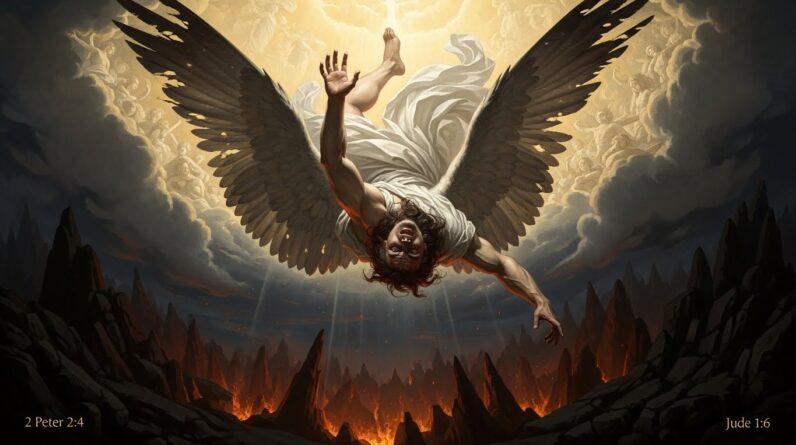
The Bible shows evil spirits acting under a cosmic rebellion led by Satan and his demonic forces. Passages in the Gospels, such as Mark 5:2-13 and Luke 8:2, record encounters where Jesus confronts and casts out such spirits, restoring people to health and community. The New Testament also links fallen angels to judgment in passages like 2 Peter 2:4 and Jude 1:6. At the same time, it affirms that Christian angels serve believers (see Hebrews 1:14 and the nativity angels in Luke 2:9-15).
The key biblical points:
- Evil spirits are real spiritual beings opposed to God and people (examples: Mark 5:2-13; Luke 8:2).
- Some demonic beings may be fallen angels linked to judgment (see 2 Peter 2:4; Jude 1:6).
- Jesus and His followers exercise authority over these spirits (see Mark 5:2-13; Luke 8:2).
- The final destiny of evil spirits is judgment (see Matthew 25:41; Revelation 20:10).
Above all, Scripture points you to Christ’s supremacy: He is Lord over every spiritual power, and that is the foundation of your confidence.
📖 BIBLE FOUNDATION
“Then they came to the other side of the sea, to the country of the Gerasenes. And when Jesus had stepped out of the boat, immediately a man from the tombs with an unclean spirit met him.” — see Mark 5:1-2.
Speaker: The Gospel writer Mark narrates Jesus’ encounter with a man dominated by an “unclean spirit” (demon).
Audience: Mark wrote to a primarily Gentile audience to emphasize Jesus’ authority and suffering-servant role. The immediate audience in the story includes the disciples, the possessed man, and the local townspeople.
Historical and biblical context: The story of Mark 5:2-13 occurs during Jesus’ Galilean ministry and demonstrates His divine authority over spiritual powers. It is set in the region of the Gerasenes, where tombs and graveyards indicate social and spiritual marginalization. The man’s possession shows how evil spirits can isolate and destroy human life, and Jesus’ deliverance shows the in-breaking of God’s reign through the Messiah. This narrative should be read alongside Luke 8:2, which also links Jesus’ ministry to deliverance and healing through the power of the Spirit.
Together, these passages teach you that evil spirits are real, harmful, and subject to Christ’s authority. The foundation encourages worship and trust in Jesus rather than fear.

UNDERSTANDING GOD’S PURPOSE, PROTECTION, AND PROMISE
The core theological truth is that God is sovereign even over the realm of spiritual evil. Evil spirits exist because of rebellion against God, but their existence is neither ultimate nor unchecked. God’s purpose in allowing or restraining them is tied to His larger plan of redemption — to reveal sin, display Christ’s victory, and call people back to Himself. In every account where Jesus confronts demonic power, the gospel thrust is restoration: the person is freed, restored to community, and becomes a testimony to God’s mercy (see Mark 5:2-13; Luke 8:2).
God’s protection isn’t a promise that you’ll never face spiritual attack; rather, the Bible promises that Christ has authority and that He protects you through His presence and Spirit. The promise is relational: you are kept in Christ (see John 10:28-29) and are called to resist the devil with the weapons God provides (see Ephesians 6:10-18). That means faith over fear, obedience over superstition, and trust in Jesus’ finished work rather than in signs or emotional experiences.
Avoid speculation and superstition: Scripture presents a sober, measured view. The response is always to Christ, Scripture, prayer, and wise Christian community — not to occult practices or unfounded claims.
🌊 GOING DEEPER — BIBLICAL CONTEXT
Cross-references that help you build a full biblical view include passages showing spiritual conflict and Christ’s supremacy:
- Ephesians 6:12 — spiritual struggle behind human conflicts.
- Matthew 12:43-45 — house cleaned but unoccupied warns about persistent sin.
- 1 Peter 5:8-9 — sober vigilance and resisting the devil.
- James 4:7 — submit to God and resist the devil.
- Revelation 20:10 — final judgment on the devil.
A clear biblical narrative example is the Gerasene demoniac in Mark 5:2-13. In this account, Jesus confronts a man isolated and bound by demonic forces, allows the demons to speak and identify themselves — “My name is Legion, for we are many” (Mark 5:9) — and then casts them into a herd of pigs. The man is restored, clothed, and sitting in his right mind. The narrative continuity is theological: sin and spiritual bondage produce destruction; Christ’s power produces restoration and witness. For more on Christ’s authority and the assurance that comes from His victory, see our article on salvation and assurance (/salvation).
This continuity shows you that the Bible moves from creation to fall to redemption, and spiritual evil is part of the fall, not part of God’s design. Christ’s work is the decisive turning point.
DOES THIS GUARANTEE PROTECTION, SUCCESS, OR FINANCIAL BLESSING?
No. The Bible does not teach that knowledge about evil spirits guarantees protection, material success, or financial blessing. Popular “prosperity” messages that link spiritual power with guaranteed wealth misread Scripture. The New Testament teaches that suffering and spiritual opposition can be part of faithful discipleship (see John 15:18-20; 2 Timothy 3:12). Jesus promised persecution for His followers, not a trouble-free life (see Matthew 10:24-25).
Scripture corrects a prosperity-based theology by pointing you to God’s deeper promises: presence, perseverance, and ultimate vindication in Christ (see Romans 8:28-39). The promise is centered on relationship with God and hope in Christ, not worldly success. If you face trials — including spiritual ones — the biblical expectation is not immediate escape to prosperity, but growth in faith, endurance, and sanctification under God’s sovereign care.
💡 MODERN CONNECTION — FAITH, ANXIETY, AND DAILY LIFE
In everyday life, the biblical truth about evil spirits should shape how you handle fear and anxiety. First, identify that anxiety often has practical and psychological components that need pastoral care, counseling, and prayer. Scripture invites you to bring anxieties to God in prayer and to trust His peace (see Philippians 4:6-7). Second, recognize that spiritual realities exist, but Jesus’ authority gives you a stable center for decision-making and worship. When you discern fear of the spiritual, respond with prayer, Scripture, and wise counsel rather than sensationalism.
For decision-making: ask whether your choices honor Christ and rely on God’s wisdom, not on supposed spiritual signs. For trust: cultivate habits (prayer, Scripture reading, community, worship) that reinforce Christ’s lordship. For worship: let Jesus’ victories over sin and demonic powers lead you into gratitude and praise, not fear-driven practices.
If you’re anxious about a perceived spiritual attack, practical steps are: confess sin, seek pastoral care, pray Scripture, and ask trusted believers to pray with you (see James 5:16). The biblical response is pastoral, communal, and Christ-centered.

ANGELS / PROMISE / DOCTRINE AND GOD’S PROTECTION
Angels in the New Testament are described as ministering spirits who serve those who will inherit salvation (see Hebrews 1:14). Angels announced Christ’s birth and led shepherds to worship (see Luke 2:9-15). While angels and God’s protection are real biblical themes, your faith is to be placed in God Himself, not in spiritual signs, angels, or experiences.
Doctrine: Faith rests on the triune God and Christ’s work. Angels are servants of God, and fallen angels (or demons) are judged creatures. Scripture calls you to trust God’s providence, to use the means He has given (Word, sacraments, prayer, Christian community), and to resist any temptation to seek spiritual assurance from occult practices or sensational encounters. The center is Christ, not the activity of angels or spirits.
❤️ PRACTICAL APPLICATION
- Pray regularly using Scripture and invite trusted believers to intercede with you (see Philippians 4:6).
- Read and memorize key passages that affirm Christ’s lordship (e.g., Mark 5:2-13; Ephesians 6:10-18).
- Seek pastoral or professional help for mental health concerns; spiritual issues often intersect with psychological needs.
- Resist occult practices and any approach that claims spiritual power apart from Christ.
- Serve your community as an expression of Christ’s restorative work, welcoming the marginalized just as Jesus did.
🪞 FAITH REFLECTION BOX
Take a moment to reflect: where do you place your trust when fear rises — in signs, in yourself, or in Jesus? Invite the Holy Spirit to deepen your trust in Christ’s authority and to shape your life by the Word.
A PRACTICAL TAKEAWAY
- Evil spirits are real but subordinate to Christ.
- Jesus’ ministry models deliverance, restoration, and compassion.
- God’s protection is relational: Christ keeps you, not a formula or magic.
- Avoid prosperity or sensationalist readings of spiritual warfare; trust the gospel.
- Live practically: prayer, Scripture, community, and wise counsel.
❓ Q&A — BIBLE ANSWERS EXPLAINED
Q1 What does the Bible teach about fallen angels?
A: Scripture teaches that some angels rebelled and were judged; they are now fallen beings who can influence the world but are ultimately under God’s judgment (see 2 Peter 2:4; Jude 1:6). Their ultimate destiny is eternal judgment (see Revelation 20:10).
Q2 If I fear a spiritual attack, what should I do?
A: Turn to Christ in prayer, confess sin, read Scripture, and seek the support of mature Christian leaders. Use Scripture-based prayer and resist occult methods (see James 5:16; Ephesians 6:10-18).
Q3 Do demons control all illnesses and problems?
A: No. While the Bible records demonic influence in some cases, not every illness or struggle is demonic. The Bible attributes suffering to a fallen world, sin, and physical frailty, and sometimes to spiritual attack — which is why careful pastoral discernment and medical help are often necessary (see John 9:1-3; James 5:14-15).
CONCLUSION & PRAYER
The Bible presents evil spirits as real but limited; Christ’s authority over them is decisive and central for your confidence. You are called to live under Christ’s lordship, to resist fear and superstition, and to trust God’s providence even amid spiritual conflict. Remember that God’s promise is not a life free from trouble but a Savior who sustains you, restores you, and will ultimately make all things new (see Romans 8:18-39).
Prayer: Lord Jesus, you are greater than every power that harms us. Help me to trust Your authority, to live in the freedom You buy, and to seek You with humility and obedience. Protect my heart from fear, guide me by Your Word, and use me to bring Your healing and hope to others. Amen.
 RELATED BIBLE TEACHINGS
- What Happens When You Die According To The Bible? The Soul’s Journey To Heaven Or Hell Explained (Ecclesiastes 12:7, 2 Corinthians 5:8)
- What Happens After You Die? — Biblical Answers (afterlife)
- How to Be Saved: The Gospel Explained (salvation)
 Ministry Resource

 “Every God-given message deserves to be shared.”


Don’t let your calling stay hidden. If God has placed His truth on your heart, starting a Christian blog or website can help you reach others with clarity and purpose. Hostinger makes it easy—with 99.9% uptime, a free domain, and SSL—so your message can shine for God’s glory anytime, anywhere.
 Begin today.
  Try it RISK-FREE!
 As a ClickBank & Amazon Affiliate, I earn from qualifying purchases.
 Acknowledgment: All Bible verses referenced in this article were accessed via Bible Gateway (or Bible Hub).
 Want to explore more? Dive into our new post on Why Jesus? and experience the life-changing truth of the Gospel!