


Introduction
Palm Sunday marks the beginning of Holy Week—a season where celebration and sorrow meet, expectation and mystery converge, and you’re invited into a deeper encounter with Jesus. On that first Palm Sunday, people lined the streets of Jerusalem, waving palm branches and shouting “Hosanna!” as they welcomed someone they hoped would change everything. Yet the King they celebrated came in humility and love rather than political power, and His path led ultimately to the cross.
If you’re feeling unsure how to approach Holy Week, or you want to move beyond surface-level tradition into meaningful reflection, these Palm Sunday Bible verses will help you. You’ll find passages to meditate on, context to understand what happened and why it matters, and simple applications to help you live out the truths you discover. By the end, you’ll have a practical devotional rhythm you can carry through the week—one that draws your heart closer to Jesus’ kingship, humility, and sacrifice.
You don’t have to figure everything out at once. Read slowly, reflect honestly, and allow the Scriptures to shape what you believe about Jesus and how you follow Him. The verses below are arranged to guide you through the scene, its prophetic roots, its emotional depth, and practical applications for your life. Each time a verse is mentioned, you can open it in Bible Gateway to read in context and explore different translations.
1. The Triumphal Entry
Verse
“Hosanna to the Son of David! Blessed is He who comes in the name of the Lord!” — see Matthew 21:9.
The crowd’s cry in Matthew captures raw, public worship at a pivotal moment. As Jesus approached Jerusalem, the people hailed Him with words loaded with messianic expectation—“Son of David” anchors Jesus to the royal line, and “Hosanna” is both plea and praise. When you read this verse, you step into the moment when hope and prophecy meet reality.
Context
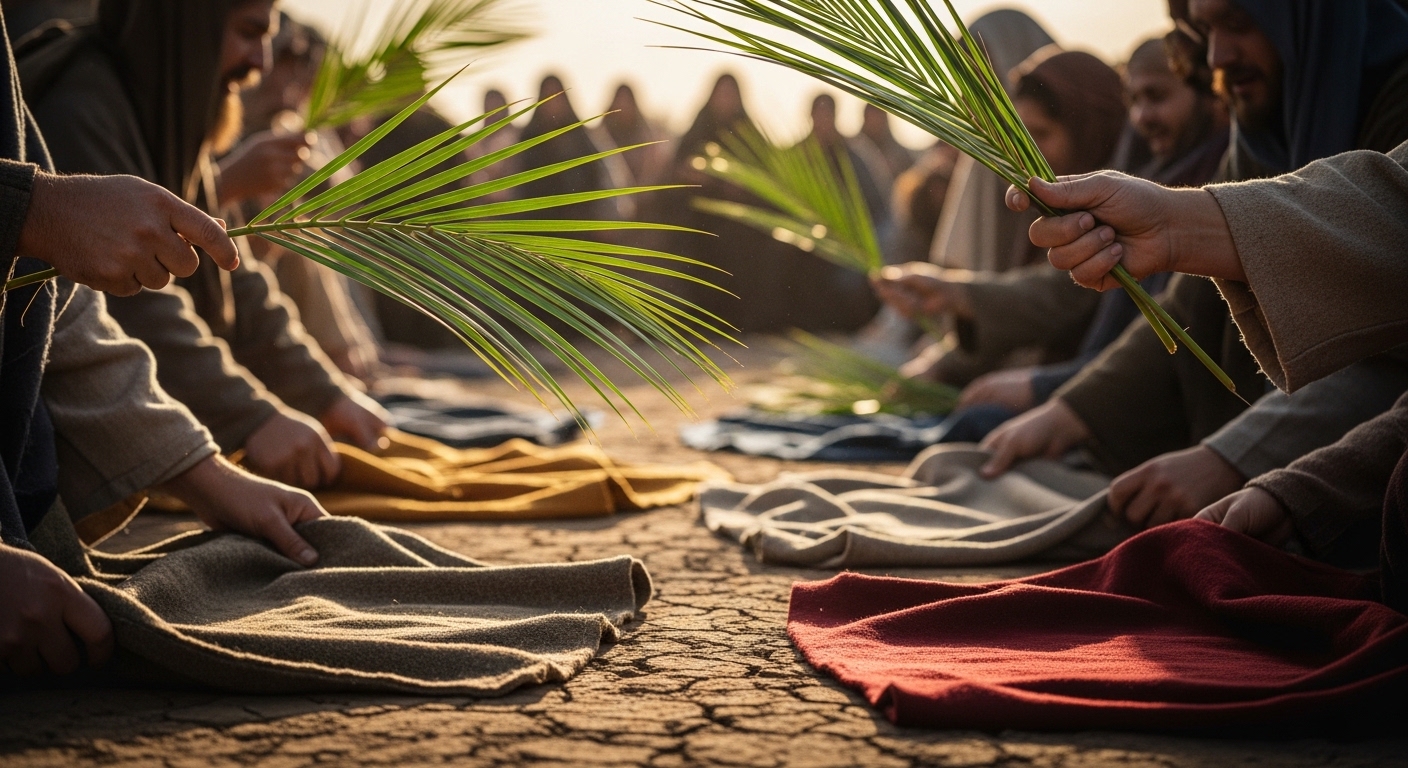
The crowds welcomed Jesus after He had performed miracles, taught boldly, and raised expectations. They spread cloaks and palm branches on the road as a sign of honor, much like a king’s procession. You’re looking at a public, almost theatrical moment where people hoped the long-awaited deliverance had finally arrived. If you open Matthew 21:1–11, you’ll see the fuller picture: the approach, the preparations, the worship, and the reactions.
Meaning
This verse teaches you that people often acclaim Jesus as King for many reasons—miracles, expectations, signs. Yet the kind of kingship Jesus embodies is surprising: it’s humble, sacrificial, and spiritual. The crowd recognizes Him as “Son of David,” but they are still grasping for what “king” will mean. The paradox you’re invited into is that Jesus is indeed King, but His reign overturns your assumptions about power and glory.
Application
When you read and reflect on this verse, ask yourself how you welcome Jesus into your everyday life. Are your praises limited to moments of celebration, or do they shape how you live? Let your “Hosanna” be more than words: let it inform decisions, relationships, priorities, and the way you steward power and influence. Let your worship be matched by surrender.
2. The Humble King
Verse
“See, your king comes to you, gentle and riding on a donkey…” — see Matthew 21:5.
This brief prophetic description sets the tone for the entire event. The image of a king riding a donkey is powerful because it breaks expectations. When you think of rulers, you might imagine horses, chariots, and displays of force. Jesus choosing a donkey challenges every expectation you might have about what divine authority looks like.
Context
Matthew cites prophecy to show that Jesus’ arrival was not random or improvised. He fulfilled the expectation set long before by God’s messengers. This was not the entrance of a military leader; it was the entrance of a Messiah defined by gentleness. Look at the passage in context at Matthew 21:1–11 and then at the prophecy in Zechariah 9:9 to see how the New Testament authors connect the dots.
Meaning
The donkey symbolizes peace and humility. Jesus’ kingship is not about domination but about sacrificial service. You’re called to allow this paradox to shape how you measure success. When you see Jesus as a humble King, it changes your ambitions, so that your priorities shift from personal prestige to service and faithfulness.
Application
Consider the areas where you instinctively reach for control, status, or quick results. Palm Sunday calls you to choose a different posture: humility. You can practice gentleness in everyday interactions, choose to serve without notice, and measure leadership by sacrifice rather than authority. Let Matthew 21:5 guide you to cultivate Christlike humility in your work, family, and church life.
3. Fulfilled Prophecy
Verse
“See, your king comes to you… lowly and riding on a donkey.” — see Zechariah 9:9.
This Old Testament prophecy is a direct lens into how the people of God were meant to recognize the Messiah. When you read Zechariah, you understand that God’s plans unfold with patient precision, and that the Messiah’s character was revealed long before He arrived.
Context
Zechariah’s prophecy spoke to a people longing for restoration. In their expectations, a returning king would be both victorious and humble. When Jesus entered Jerusalem exactly as the prophecy described, it demonstrated that God’s promises are reliable. You can read Zechariah’s broader themes of redemption and hope in Zechariah 9 to better appreciate the prophetic backdrop.
Meaning
This verse underscores God’s faithfulness. The fact that Jesus fulfills Zechariah’s words builds confidence that God accomplishes what He intends. For your faith, this means that God’s promises about salvation, restoration, and His eternal reign rest on a trustworthy foundation. Prophecy fulfilled reassures you that God’s timing, though often mysterious, is purposeful.
Application
Trust grows when you remember God’s track record. When you’re anxious about promises that seem delayed, recall how God fulfilled prophecy in Jesus’ entry. Let that memory strengthen your hope and perseverance. You can even use Zechariah 9:9 as a meditation: read it slowly, repeat it, and let its assurance quiet your restless expectations.
4. A Cry for Salvation
Verse
“Lord, save us! Blessed is he who comes in the name of the Lord.” — see Psalm 118:25–26.
The shout of “Hosanna” is rooted in Psalm 118, where the people cry out for rescue and then turn to praise. This dual nature—plea and praise—captures the human posture before God in Palm Sunday’s moment.
Context
Psalm 118 is a celebration of God’s steadfast love and deliverance. Its lines were often used in Jewish worship and festivals. When the crowds invoked Psalm 118 during Jesus’ entry, they were pleading for rescue and simultaneously celebrating the arrival of one who could bring liberation. Read Psalm 118 to feel the emotional arc from plea to praise.
Meaning
This passage teaches you that worship and petition aren’t opposed; they belong together. You can bring your needs to God while also praising Him for who He is and what He does. Palm Sunday becomes a model for a faith that is both honest about need and joyful in trust.
Application
When you pray, practice combining honesty with praise. Bring your worries, losses, and fears to God, and then remind yourself of His past faithfulness and promises. Try a simple pattern: tell God what you need, then tell Him who He is. Let Psalm 118 shape a balanced prayer life that recognizes both human dependence and divine power.
5. Recognizing the King
Verse
“They took palm branches and went out to meet Him, shouting, ‘Hosanna!’” — see John 12:13.
John’s Gospel emphasizes the public recognition of Jesus as He approaches Jerusalem. The people’s actions create a vivid scene of communal worship, yet John also subtly points to misunderstanding—many praised Him without fully grasping His mission.
Context
John 12 captures a dramatic shift in public attention toward Jesus. The crowds respond to Jesus’ recent miracles and the hope they place in Him. Open John 12:12–19 to see how the entry unfolds and how the crowd’s reaction reflects both recognition and projection of their own hopes.
Meaning
This verse challenges you to examine your own perception of Jesus. It’s possible to celebrate Him as a figure who meets your needs without recognizing the full cost and scope of His work. Your faith deepens when you move from merely celebrating Jesus’ benefits to embracing His mission—love, sacrifice, and redemption.
Application
Ask yourself whether you’re attracted to Jesus for what He gives you or for who He is. Seek deeper understanding through Scripture, prayer, and community. Allow your praise to mature into commitment. When you truly recognize Jesus, your worship will shape your choices, not just your emotions.
6. Jesus Weeps Over Jerusalem
Verse
“As He approached Jerusalem and saw the city, He wept over it.” — see Luke 19:41–42.
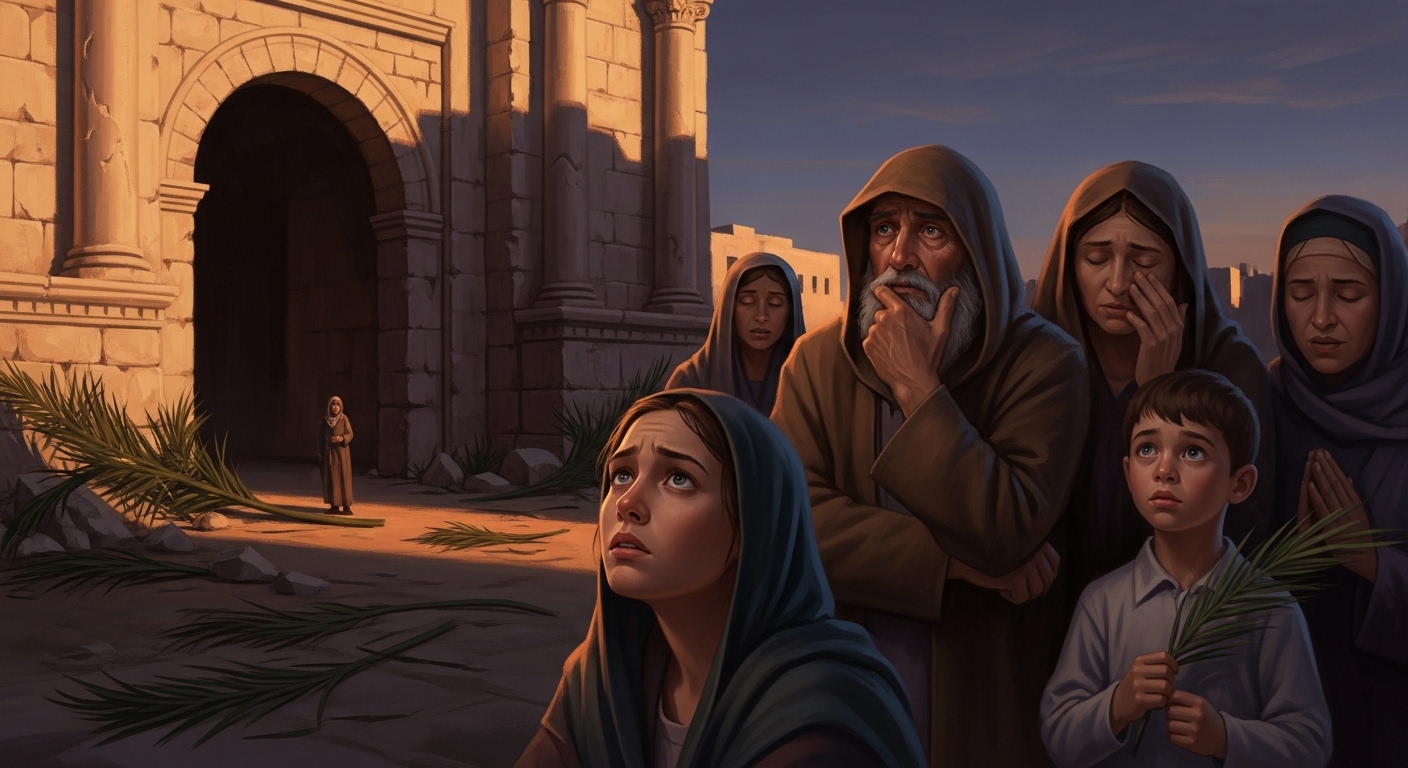
Even amid celebration, Jesus experienced sorrow. His tears reveal a compassionate heart that sees beyond public adoration to the spiritual reality of a people who will largely reject Him.
Context
Luke records Jesus’ emotional response as He nears Jerusalem. The celebration on the outside contrasts with the grief in Jesus’ heart because He knows the city’s future—destruction and missed opportunity. Read Luke 19:28–44 to feel the tension between celebration and sorrow.
Meaning
This passage shows you that genuine love can include grief. Jesus’ tears are not weakness; they reflect deep compassion for people who refuse life. His sorrow is a reminder that the joy of Palm Sunday is fragile if it is not rooted in true repentance and faith.
Application
Let Jesus’ tears teach you empathy. Allow your faith to be emotionally honest—joy and sorrow can coexist. Pray for the people and places you love, especially where you sense spiritual loss or hardness. Respond to Jesus’ compassion by becoming an agent of reconciliation and hope in your community.

7. The Broader Entry Narratives
Verses
Mark gives a vivid, immediate account of the entry: see Mark 11:9–10 and read the fuller scene in Mark 11:1–11. John’s perspective is more reflective, connecting the crowd’s cry to Jesus’ identity in John 12:12–19.
Reading multiple Gospel accounts helps you see different angles: the immediacy of Mark, the theological reflection of John, and Matthew’s emphasis on prophecy fulfillment. Each Gospel contributes to a fuller portrait of what Palm Sunday meant then—and what it can mean for you now.
Context
The four Gospels each record the entry, but they do it with unique emphases and details. Luke highlights Jesus’ compassion, Matthew emphasizes prophecy, Mark stresses the urgency of the moment, and John reflects on the crowd’s reaction and the consequences that follow. Together, they form a composite image of celebration, expectation, and foreshadowing.
Meaning
The multiple perspectives teach you that truth is multifaceted. A single passage gives insight, but the whole of Scripture often yields fuller understanding. When you study the Gospels together, you discover layers—prophetic fulfillment, human emotion, public reaction, and divine purpose—that a single snapshot might miss.
Application
Make a habit of comparing Gospel accounts when you study a major event like Palm Sunday. Read Matthew, Mark, Luke, and John side-by-side for the scene and notice what each writer emphasizes. This practice will deepen your understanding and guard you against shallow interpretations. Use a study Bible or reputable commentary if you want more historical and theological background.
8. Key Themes to Reflect On
Kingship and Authority
Palm Sunday challenges your assumptions about power. Jesus’ kingship is not measured by force or influence but by sacrificial love and service. Reflect on how this redefines your ambitions, leadership style, and expectations for justice.
Humility and Service
The donkey, the palms, the cloaks—they all point to humility. When you center your life around Jesus’ humility, you’ll find new freedom to serve those others overlook and to lead without domination.
Fulfillment of Promise
Jesus’ entry links prophecy to fulfillment. When you wrestle with doubt about God’s promises, let the fulfilled prophecies encourage you to trust God’s faithfulness, even when the timeline seems slow.
Joy and Sorrow Together
Jesus wept even as He was praised. Your spiritual life can hold both rejoicing and mourning, and both can lead you into deeper empathy and holiness.
Each of these themes deserves time in prayer and meditation. Take one theme each day of Holy Week to reflect, journal, and act. Let your reflection lead to tangible steps—apologizing where you need to, serving someone in need, or choosing humility in a leadership situation.
9. Practical Ways to Apply Palm Sunday in Your Life
Worship with Substance
Let your worship be more than ritual. Pair praise with repentance and commitment. When you sing “Hosanna,” ask what it would look like to let that cry shape your week.
Choose Humility
Make a small, intentional decision to serve someone without recognition this week. Humility grows through practice, and Palm Sunday gives you a model to follow.
Pray with Honesty
Use Psalm 118’s combination of plea and praise in your prayers. Be honest about your needs and faithful in thanksgiving for God’s past deliverances.
Study the Gospels
Commit to reading one Gospel account of the entry each day and journaling what strikes you. Let different perspectives reveal new truths.
Reconcile
If Jesus wept over a city that missed its chance, use Palm Sunday as motivation to reconcile broken relationships. Reach out, apologize, and seek restoration where possible.
Each step is simple but intentional. You don’t need a dramatic act to live Palm Sunday well—consistency and faithfulness in small things matter. Allow these practices to shape how you enter Holy Week and how you live after Easter.
10. A Simple Reflection Guide for Holy Week
Start each day with a short pattern:
- Read: Pick one verse or passage (see links above).
- Reflect: Ask what Jesus is revealing about Himself.
- Respond: Apply one specific action (serve, forgive, pray).
- Pray: Speak honestly to God and listen.
This rhythm keeps you engaged without overwhelming your schedule. Use the verses listed earlier as anchors: start on Palm Sunday with Matthew 21:9, move into the week with reflections from the other Gospels and Old Testament prophecies, and let Good Friday and Easter readings complete the arc.
11. Devotional Prompts and Short Prayers
Each day, try a short prompt:
- What do you praise Jesus for today?
- Where are you tempted to control rather than trust?
- Who needs your humble service?
- Where do you sense spiritual sorrow and need to intercede?
Short prayer example: Lord Jesus, on Palm Sunday people praised You with loud voices, but many failed to follow. Help me to match my words with a faithful life. Give me humility to serve, courage to follow, and compassion to weep over what breaks Your heart. Amen.
Use these prompts to spark honest conversation with God and to fuel practical actions that reflect your faith.
🔗 Internal Resources to Explore
If you want to explore Palm Sunday, Holy Week, and related themes more deeply, these resources will help you place these verses within the full story of Jesus’ journey:
Main Hub
Related Articles
- Why Did Jesus Christ Ride a Donkey? (Meaning Explained)
- Palm Sunday (Matthew 21:5): Meaning, Story, and Why It Still Matters Today
- What Happened on Good Friday?
- Palm Sunday Bible Verses (Top Verses For Reflection)
 Continue the Journey
 Continue the Journey
These topics will help you understand how the Palm Sunday verses connect to Jesus’ mission—from His triumphal entry to His sacrifice and resurrection.
12. Further Reading and Study Suggestions
To deepen your understanding, read the Gospel accounts side-by-side, then explore commentaries and study notes. Consider these targeted readings:
- Matthew 21:1–11 for prophecy fulfillment.
- Mark 11:1–11 for immediacy.
- Luke 19:28–44 for compassion.
- John 12:12–19 for theological reflection.
- Zechariah 9:9 for prophetic context.
- Psalm 118 for praise and plea.
Study slowly, journal your reactions, and discuss insights with a trusted friend or small group. Shared reflection often uncovers layers you’d miss alone.
13. Closing Reflection and Prayer
Palm Sunday invites you into a posture of joyful expectation mixed with sobering truth. You’re welcome to celebrate Jesus’ kingship while also being challenged by the cost of discipleship. Let the cries of “Hosanna” shape your worship, but let Jesus’ humility and compassion reshape your life.
Closing prayer: Lord, thank You for coming as King in humility. Help me to welcome You with a full heart—praise that leads to obedience, celebration that leads to compassion, and hope that endures. Teach me to follow You with courage and humility this Holy Week. In Jesus’ name, Amen.
Sponsored recommendation

Acknowledgment: All Bible verses referenced in this article were accessed via Bible Gateway (or Bible Hub).
“Want to explore more? Check out our latest post on Why Jesus? and discover the life-changing truth of the Gospel!”