


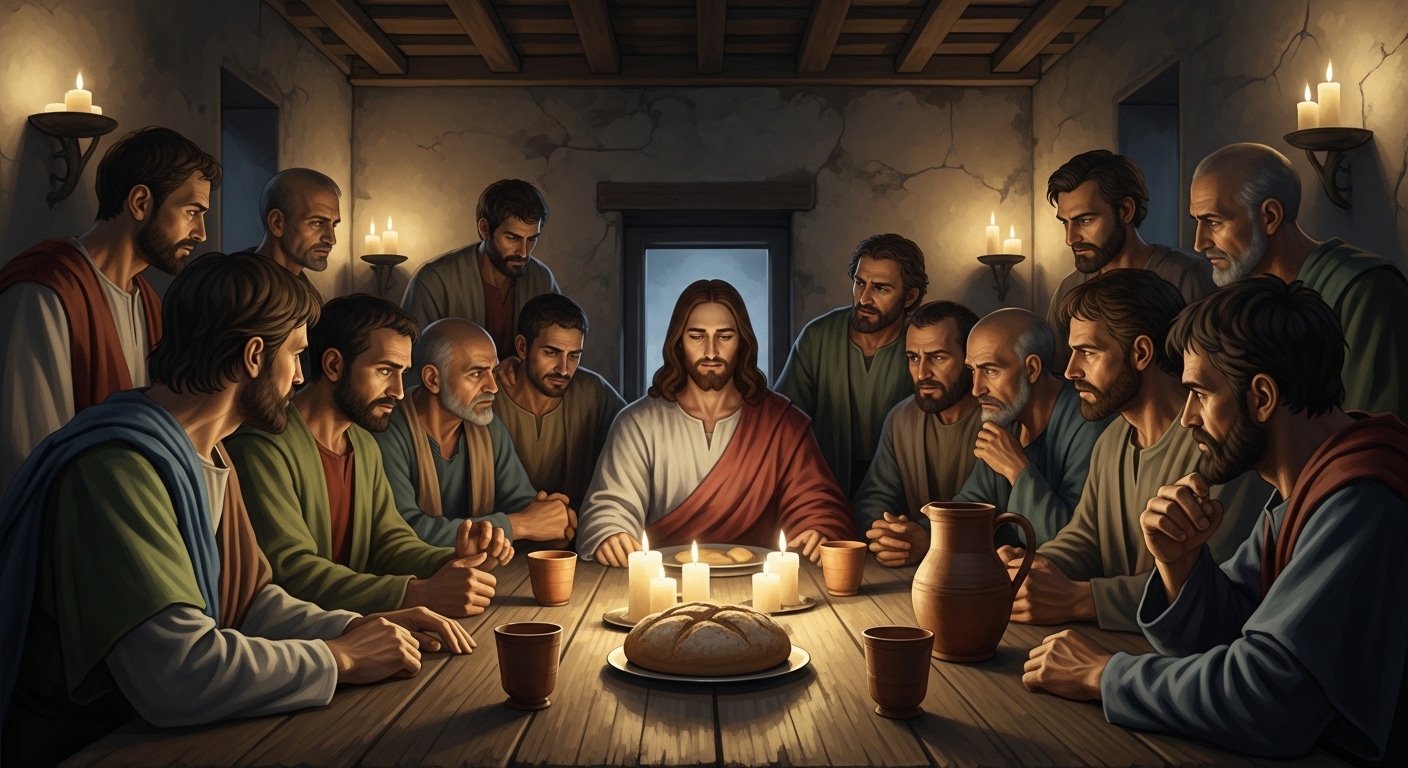
Maundy Thursday marks one of the most intimate and powerful moments of Holy Week—the Last Supper. It’s the night Jesus shared a final meal with His disciples before the cross. You may know the basics: bread, wine, a shocking announcement about betrayal, and a new command to love one another. But when you slow down and pay attention to the scenes in Matthew 26:17–30 and the parallel accounts, you discover layers of meaning that shape your faith, your worship, and your daily life. This guide will walk you through the events, unpack the theology, and help you apply what happened that night to how you live, love, and serve.

Introduction: Why Maundy Thursday Matters
You arrive at Maundy Thursday carrying questions, grief, hope, and sometimes confusion. The Last Supper isn’t merely a historical snapshot; it’s a theological hinge that swings open the understanding of covenant, sacrifice, service, betrayal, and remembrance. When you read Matthew 26:17–30, you encounter words and actions that will shape Christian devotion for generations: the covenantal language of body and blood, the act of humble service in foot-washing, and the institution of a meal meant to be repeated in memory of Jesus. This article promises to help you see what happened, why it matters, and how you can let it change your everyday life.
The Key Bible Passage
Center your reflection in the scene recorded by Matthew, where symbols and words converge into a new reality. Read the passage carefully, imagining the room, the faces, the tension, and the love.
Read Matthew 26:17–30 here: Matthew 26:17–30
The Core of the Meal: Bread and Wine
When Jesus broke the bread and offered the cup, He gave the familiar Passover elements new meaning. The passage you just read includes the climactic lines recorded in Matthew 26:26–28, where Jesus says, “Take and eat; this is My body… Drink from it, all of you. This is My blood of the covenant…”. Those words reframe the meal: what was once a remembrance of deliverance from Egypt now anticipates a far greater deliverance through His death.
Read the specific verses about the bread and cup here: Matthew 26:26–28
1. Jesus Gave a New Covenant
Jesus’ words at the Last Supper are covenant language. By describing His blood as “of the covenant,” He declares that His impending death will inaugurate a new relationship between God and humanity. That new covenant is not dependent on ritual observance, social status, or ancestral privilege; it is established through His self-giving.
You can see the theological continuity: the old covenants prepared the way, and Jesus’ death and resurrection fulfill and transform them. If you read Hebrews, the writer makes the same point, connecting Jesus’ sacrifice to a definitive new covenant that secures redeeming promises for those who belong to God. Consider how this shapes your understanding of grace: your relationship with God is founded on what Christ has done, not on your performance or ritual perfection.
Read a related passage about the new covenant here: Hebrews 9:15
2. A Picture of Sacrificial Love
Before the meal and the scandalous exchange of bread and wine, John’s Gospel gives you a poignant detail: Jesus loved His own to the very end. That line in John 13:1 captures the emotional and spiritual atmosphere of the night. Jesus knows what lies ahead—rejection, torture, death—yet He gathers His friends and pours out His love in word and deed.
Read John 13:1 here: John 13:1
When you think about sacrificial love, don’t reduce it to abstract feelings. You see it lived out in Jesus’ willingness to suffer and in His deliberate choice to ordain a meal that will remind His followers of that suffering and victory. For you, that means love is measured by willingness to give, even when it costs you something. It is not sentimental; it is costly, faithful, and real.
Consider also the wider biblical witness to sacrificial love: “Greater love has no one than this: to lay down one’s life for one’s friends.” That verse helps you connect the Last Supper language to the cross that follows. Read the verse here: John 15:13
3. The Call to Humility and Service
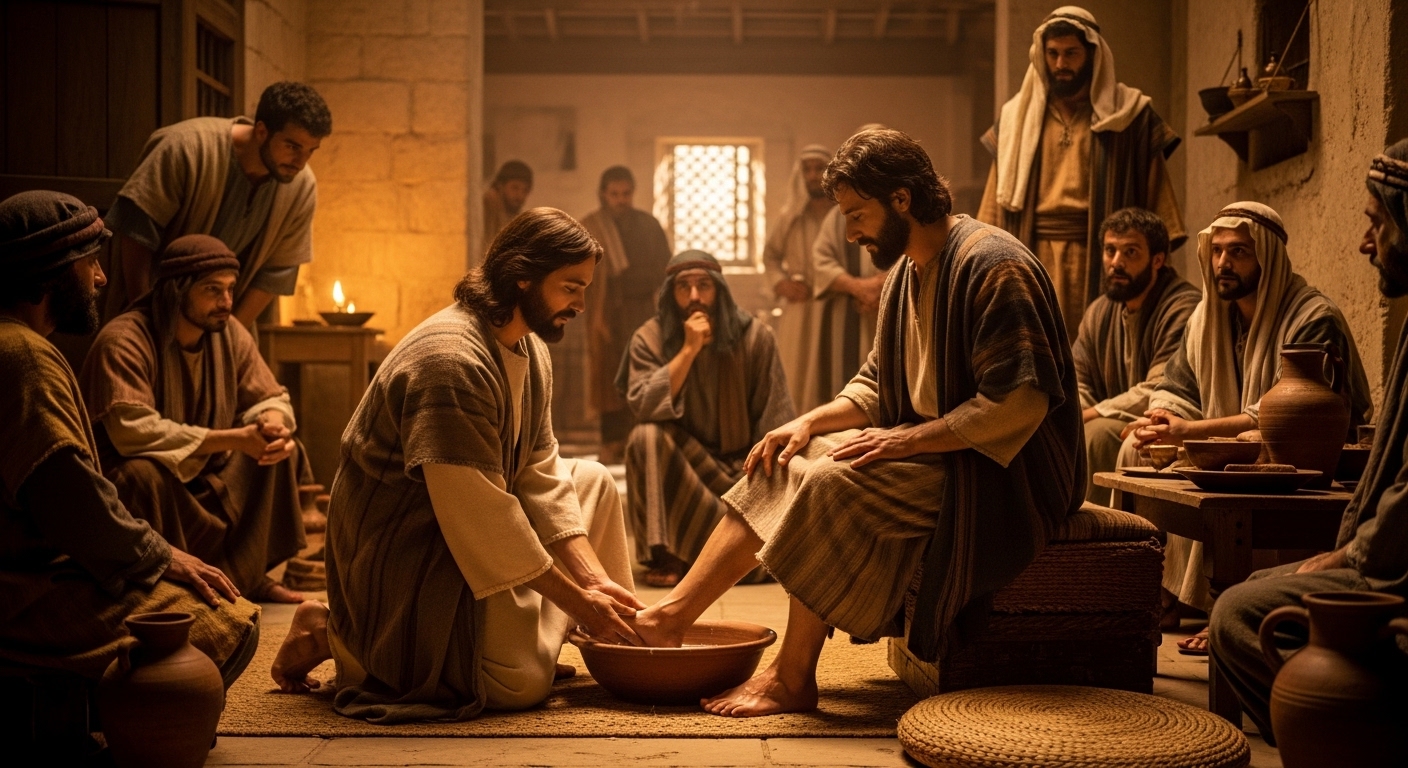
The Last Supper narrative is incomplete without the foot-washing scene that John records. When Jesus stoops to wash the disciples’ feet, He gives a practical theology of humility: leadership in God’s kingdom is service, not prestige. The command and example are explicit in John 13:14–15, where Jesus says, “I have set you an example that you should do as I have done for you.”
Read John 13:14–15 here: John 13:14–15
When you face opportunities to lead, whether at home, work, or in your church, remember that greatness in Christ’s terms is measured by willingness to serve. You can practice humility by doing small, tangible acts of care—washing dishes, listening deeply, offering practical help—knowing that these acts reflect the heart of God revealed in Jesus.
4. The Reality of Betrayal
The Last Supper also reveals human fragility. In the middle of the tenderness and teaching, Jesus says that one of the twelve will betray Him, a statement that stuns the table. Matthew 26:21 records this revelation and the immediate ripple of disbelief and self-examination among the disciples. This moment shows you that betrayal can come from the closest circle; commitment can be wavering; intentions can be conflicted.
Read Matthew 26:21 here: Matthew 26:21
When betrayal or brokenness touches your life, know that the Gospels do not sanitize the reality. They tell the truth about human darkness and God’s willingness to step into it. Jesus continues to love even as He is betrayed. That truth gives you both honest appraisal of your relationships and a model of how to respond to betrayal: with truth, justice, and—where possible—grace.
5. Remembering Christ’s Sacrifice
Jesus gave a simple but profound command: “Do this in remembrance of Me.” In Luke’s account you find these words connected to the meal and the practice that would become central to Christian worship. The sacrament of communion is meant to be an ongoing pause—a ritual that reorients you to the story of Christ’s self-giving.
Read Luke 22:19 here: Luke 22:19
Remembrance here is active, not passive. When you participate in communion, you both recall the historical events and renew your commitment to the reality they accomplish. This practice is formative: it shapes memory, identity, and hope. It reminds you daily or weekly that your life is caught up in a larger story of grace and reconciliation.
Historical Context: Passover and the Jewish Roots of the Meal
To fully grasp the Last Supper, you need the Jewish context: Jesus and His disciples were celebrating Passover, an annual festival commemorating Israel’s deliverance from Egypt. The Passover meal carried images of redemption—lamb, bitter herbs, unleavened bread, and retelling of God’s rescuing acts. Jesus uses that symbolic language to point forward: He interprets the elements in light of His imminent sacrifice, redefining the meaning of deliverance.
When you read the Gospel accounts, notice how Jesus transforms the familiar tradition into something that reconfigures covenantal imagination. The Passover background helps you see that the Last Supper was not invented from scratch; it was a reinterpretation aimed at unveiling God’s new work in Christ.
Theological Significance: Covenant, Atonement, and Presence
At its heart, the Last Supper is saturated with theological claims. The bread and wine symbolize body and blood, which speak to atonement—the reconciliation between God and humanity achieved by Christ’s death. The covenant language signals that God’s promises are renewed and fulfilled in Christ. Moreover, the meal signifies presence: Jesus promises to be with you in the shared remembrance and eventually in the eschatological banquet.
If you want to dive deeper, the New Testament links Jesus’ sacrificial work to the fulfillment of covenantal promises. Hebrews explains that Christ mediates a new covenant that secures redemption for those called by God. That perspective helps you understand that Communion is not only remembrance but participation in a reality inaugurated by Jesus’ death and resurrection.
Read Hebrews 9:15 again for perspective: Hebrews 9:15
Rituals and Worship: How Churches Observe Maundy Thursday
Across Christian traditions, Maundy Thursday is observed with a variety of liturgical elements: foot-washing services, Eucharist or Communion celebrations, stripping of the altar, and readings that trace the last night of Jesus’ life. Many churches retain a somber yet intimate tone—transitioning from majesty to a contemplative walk toward Good Friday.
As you participate in or observe these rituals, let them help you slow down. Liturgical actions are not empty unless you make them so. They are tools that shape your heart. If your congregation practices foot-washing, see it as an embodied theology of service. If it emphasizes the Lord’s Supper, treat it as a central act of communal remembrance and spiritual nourishment.
How You Can Observe Maundy Thursday at Home
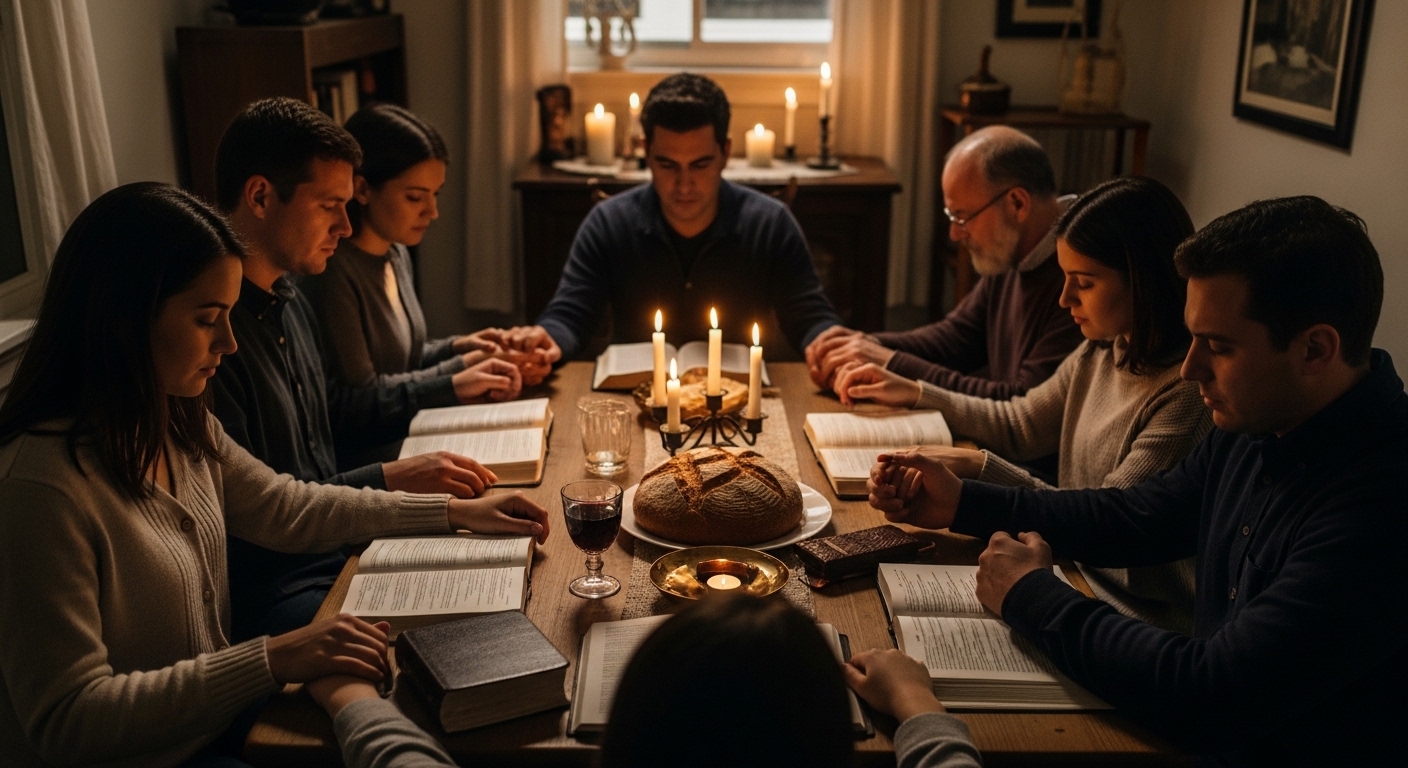
Not everyone can attend a church service every year. For a meaningful Maundy Thursday at home, you can create a simple, reverent flow: gather at the table with bread and wine (or juice), read Matthew 26:17–30 aloud, share reflections on what “body” and “blood” mean for you, wash one another’s hands or feet to practice humility, and end with a prayer of gratitude and confession. Keep the lighting low, play soft music or sing a hymn, and allow space for silence and tears.
This kind of home observance invites your family or friends into an embodied theology where words, actions, and symbols connect your story with God’s story. It’s not about perfection; it’s about intention and openness to God’s shaping work.
Foot-Washing: A Practical Guide
If you decide to include foot-washing, set the stage with humility. Prepare towels, a basin of warm water, and a posture of service. Invite people to take turns washing and being washed. Use short prompts or Scripture readings between participants to keep focus on Christ’s example rather than personal performance.
Foot-washing can be awkward, but that awkwardness is part of the point: humility often feels strange until it becomes familiar. Practicing this simple act will help you internalize what Jesus taught—serving others is how you will be known as His disciple.
Betrayal and Forgiveness: Navigating Broken Trust
When you reflect on Judas’ betrayal, you face the reality that relationships can fracture in deep and painful ways. The Gospel does not cover over Judas’ treacherous action; it names it. But alongside that naming, you see Jesus’ continued love. Even in betrayal, Jesus moves toward reconciliation in a cosmic sense by bearing sin on the cross.
If you are struggling with betrayal—whether you’ve been betrayed or you are the one who has strayed—turn to honest prayer, confession, and, where appropriate, reconciliation. Restoration is not automatic, but the Gospel gives you a pattern: truth-telling, repentance, and grace. And when you can’t repair every relationship, you can hold it before God and trust that He is present in your pain and working toward redemption.
Remembering and Living the New Covenant
Jesus’ command to “do this in remembrance” is an invitation to live sacramentally. You are called to embody the memory of Christ in everyday actions: feeding the hungry, forgiving the offender, welcoming the outsider, and breaking bread with those at table. Communion shapes community; it reminds you that you belong to one another and to God.
Practically, this means making space for weekly or regular remembrance, not as mechanical ritual but as formative practice. Let the words of the Eucharist sink into you. Let the rhythm of confession, forgiveness, thanksgiving, and blessing shape the way you talk, act, and decide.
Simple Reflections to Guide Your Maundy Thursday
Ask yourself honest questions: Do I truly understand Jesus’ sacrifice beyond theological abstractions? Am I living with humility and service in my daily spheres? Am I remembering Jesus regularly, not just on special occasions? Spending time with these questions prepares you to enter Holy Week with intention and to let the events of Maundy Thursday speak into your life.
A Short Meditation for Communion
Sit quietly and breathe. Hold the bread in your hand and remember that this symbol points to the One who gave His body for you. Take the bread and eat, imagining that you are receiving life, forgiveness, and presence. Lift the cup and acknowledge that the cup is a sign of the covenant sealed in Christ’s blood—a covenant that binds you to God in mercy. Let the silence hold your gratitude and your commitment.
What the Cup Means: Joy and Judgment
The cup that Jesus offers carries a double edge: it is a symbol of joyous fellowship but also the cup of suffering He must drink. When you accept the cup, you are uniting yourself to both the joy and the cost of following Him. This paradox is central: discipleship includes celebration and cross-bearing. You can embrace both when you remember that the cross leads to resurrection and that your present sufferings are held within God’s redeeming story.
How Churches Translate the Meal Into Life
Different traditions have different emphases: some focus on the sacramental efficacy of the elements, others on memorial and proclamation. Whatever your background, you can look for ways your traditions teach you to live out Maundy Thursday’s lessons: in liturgy that shapes discipline, in pastoral teaching that nurtures humility, and in outreach that practices sacrificial love.
Frequently Asked Questions
What is the relationship between Passover and the Last Supper? The Last Supper reinterprets Passover symbolism in light of Jesus’ impending sacrifice. By claiming the bread and the cup as His body and blood He points the deliverance narrative to the cross and resurrection.
Is Communion necessary for salvation? The Bible presents Communion as a means of grace and a central communal practice. It is a way of participating in Christ’s death and resurrection, but salvation rests on God’s work in Christ rather than a single ritual action.
Why do some churches wash feet and others don’t? Foot-washing is a literal obedience to Jesus’ example in John’s Gospel. Some traditions emphasize it as a command to be enacted; others see it as an optional symbolic practice. Either way, the underlying call to humility and service remains central.
You can follow up on specific practices by asking your pastor or exploring denominational resources to see how your community understands these elements.
Moving from Memory to Mission
Maundy Thursday is not merely about looking backward; it propels you forward. When you remember Christ’s self-giving love and His call to humble service, you are summoned into a mission of compassion. The table shapes your missional imagination: you feed the hungry, you welcome the marginalized, you offer practical care where it is needed. The Last Supper’s memory becomes fuel for loving action.
A Liturgical Flow You Can Use
If you lead a small group or family gathering, consider this flow: opening prayer, reading of Matthew 26:17–30, hymn or reflective song, a time for foot-washing or hand-washing, sharing bread and cup with words of remembrance, a period of silence and personal confession, and closing prayer or blessing. Keep it simple and reverent, allowing space for the Holy Spirit to move.
Read John 13:34 to remember the command that links the meal to your daily life: John 13:34
Pastoral Words for Those Who Feel Unworthy
You might approach Maundy Thursday carrying shame, doubt, or a sense of unworthiness. The Gospel speaks directly to you: the table is for sinners who need grace. Jesus invites you not on the basis of merit but on the basis of mercy. The sacrament is a proclamation that God’s love reaches the broken. Let your confession be honest, and receive the promise that you are forgiven and called into restoration.
Songs, Prayers, and Readings to Enrich the Evening
Select songs that balance sorrow and hope—hymns that acknowledge suffering while pointing to resurrection. Choose prayers that include confession, thanksgiving, and intercession. Read from the Gospels, perhaps alternating brief reflections after each reading. These elements combine to create an atmosphere of attentive worship.
Practical Suggestions for Leaders
If you lead worship, prepare people ahead of time by explaining the elements and their theological significance. Make the environment accessible: provide small cups and individually wrapped bread if needed, and consider homebound members by sending elements or organizing online opportunities. Pastoral sensitivity to trauma and grief is essential; some participants may find the evening emotionally intense.
Reflections on Judas and Peter: Different Responses to Crisis
You encounter two contrasting responses in the upper room. Judas chooses betrayal; Peter promises loyalty and then denies. These responses show the complexity of human choice and the need for grace. You can learn from both: be wary of overconfidence in your resolve, and remain dependent on God’s sustaining grace, not only your own intentions.
The Eschatological Promise: A Seat at the Table
Jesus speaks of drinking the fruit of the vine anew in His Father’s kingdom. This promise points you forward to the final banquet—the consummation of God’s reign where sorrow will be turned into joy. Your present remembrance is anticipatory; it looks forward to the day when the broken world will be made whole.

A Short Prayer for Maundy Thursday
Lord, on this holy night, help me to see the depths of Your love. Teach me humility so I may serve others as You served. Make me honest about my sin and quick to receive Your grace. By this meal, renew my heart for faithful service and courageous love. Amen.
Recommended Readings and Resources
If you want to go deeper, consider reading theological reflections and devotional guides that explore Holy Week in depth. Look for commentaries on Matthew 26, pastoral resources on liturgy, and meditations that connect Scripture to practice. These resources can help you deepen your understanding and strengthen your observance.
Closing Reflection
Maundy Thursday invites you into a night that is full of paradox: intimacy and betrayal, humility and authority, remembrance and anticipation. As you linger over Jesus’ words and actions, let them shape you. The Last Supper is a call to live as people who have been forgiven, who are being formed into servants, and who await the fullness of God’s kingdom with hope.
Closing Prayer
Lord, Thank You for the sacrifice of Jesus and the love shown at the Last Supper. Teach me to live with humility, to serve others, and to remember You daily. Help me follow Your example in all I do. In Jesus’ name, Amen.
 Internal Resources to Explore
 Internal Resources to Explore
If you want to explore Palm Sunday, Holy Week, and related themes more deeply, these resources will help you place these verses within the full story of Jesus’ journey:
Main Hub
Related Articles
- Meaning of the Last Supper Explained
- What Is Communion? (Beginner-friendly)
- Why Did Jesus Christ Wash the Disciples’ Feet?
- Judas Iscariot Betrayal Meaning
- Bible Verses About Communion
Next Step in Holy Week Journey:
 Good Friday Devotional for Quiet Reflection and Renewal
Sponsored recommendation

Acknowledgment: All Bible verses referenced in this article were accessed via Bible Gateway (or Bible Hub).
“Want to explore more? Check out our latest post on Why Jesus? and discover the life-changing truth of the Gospel!”