



Introduction
After Jesus rose from the dead, your story and the world’s story changed in ways that still matter today. The days and weeks after the resurrection were filled with encounters, teachings, restoration, and commissioning. If you know only a few of these moments — the empty tomb, a few appearances — you’re not alone. Yet those post-resurrection events reveal the heart of Jesus: His compassion, patience, truthfulness, and purpose. In this article you’ll walk through ten clear, memorable things Jesus did after He rose, and you’ll see how each action points to what that resurrection means for your life.

Quick answer
In short: after His resurrection, Jesus appeared to many people, gave convincing proofs that He was alive, taught and prepared His followers, restored those who had failed Him, performed signs to reassure and affirm His mission, and finally sent His followers into the world with a promise before ascending to heaven. These actions show that the resurrection was not the end of a story but the beginning of a mission you’re invited into.
Key Bible verse
A central summary of those forty days is found in Acts: Acts 1:3. It says Jesus “presented Himself to them and gave many convincing proofs that He was alive,” and during those days He “spoke about the kingdom of God.” That single verse helps you frame everything that follows: proof, presence, and purpose.
Clear explanation
Below you’ll find ten specific things Jesus did after the resurrection. Each item includes the biblical snapshot and a short reflection on why it matters for your faith and life. These events aren’t random; they knit together into a portrait of a living Savior who meets people individually, forgives and restores, equips for mission, and promises future return. As you read, ask yourself which of these actions speaks most deeply to your current season.
1. Appeared to Mary Magdalene
One of the first public encounters after the resurrection was with Mary Magdalene. You can picture her at the empty tomb, startled and weeping, when Jesus speaks her name and she recognizes Him. In John 20:11-18 you read how Mary clings to Jesus and receives the assignment to “go to my brothers and tell them” of His rising. This moment matters because it shows Jesus meeting someone in her sorrow and turning grief into mission. If you’re in a place of loss or confusion, Mary’s encounter reminds you that Jesus knows your name, meets you in the rawness of your emotions, and invites you into a purpose that flows from resurrection reality.

2. Appeared to the disciples in fear and gave peace
On the evening of that same day, Jesus appears to His disciples while they’re locked behind closed doors with fear of authorities and uncertainty about what comes next. You can read this scene in John 20:19-23. He breathes peace on them, shows them His hands and side as proof, and commissions them with authority and the gift of the Spirit. For you, this moment demonstrates that Jesus enters your fear first. Before He sends, He reassures. If you’re hesitant about serving or speaking because of anxiety or past danger, remember that the risen Christ offers His peace as the first response to your fear.
3. Showed His wounds as proof and invited tactile belief
Jesus didn’t leave proof as abstract talk; He offered physical evidence. In Luke 24:39-40 and John 20:20 you see Him invite His disciples to look at His hands and feet and touch Him. He eats with them to prove He is not a ghost. That concretely demonstrates the reality of resurrection and the continuity of His identity. For your faith, this shows that God is not asking you to believe in something vague; He provides tangible encounters and evidence that nurture trust. When doubts arise, it’s okay to bring them honestly — Jesus met the disciples in their need for proof.
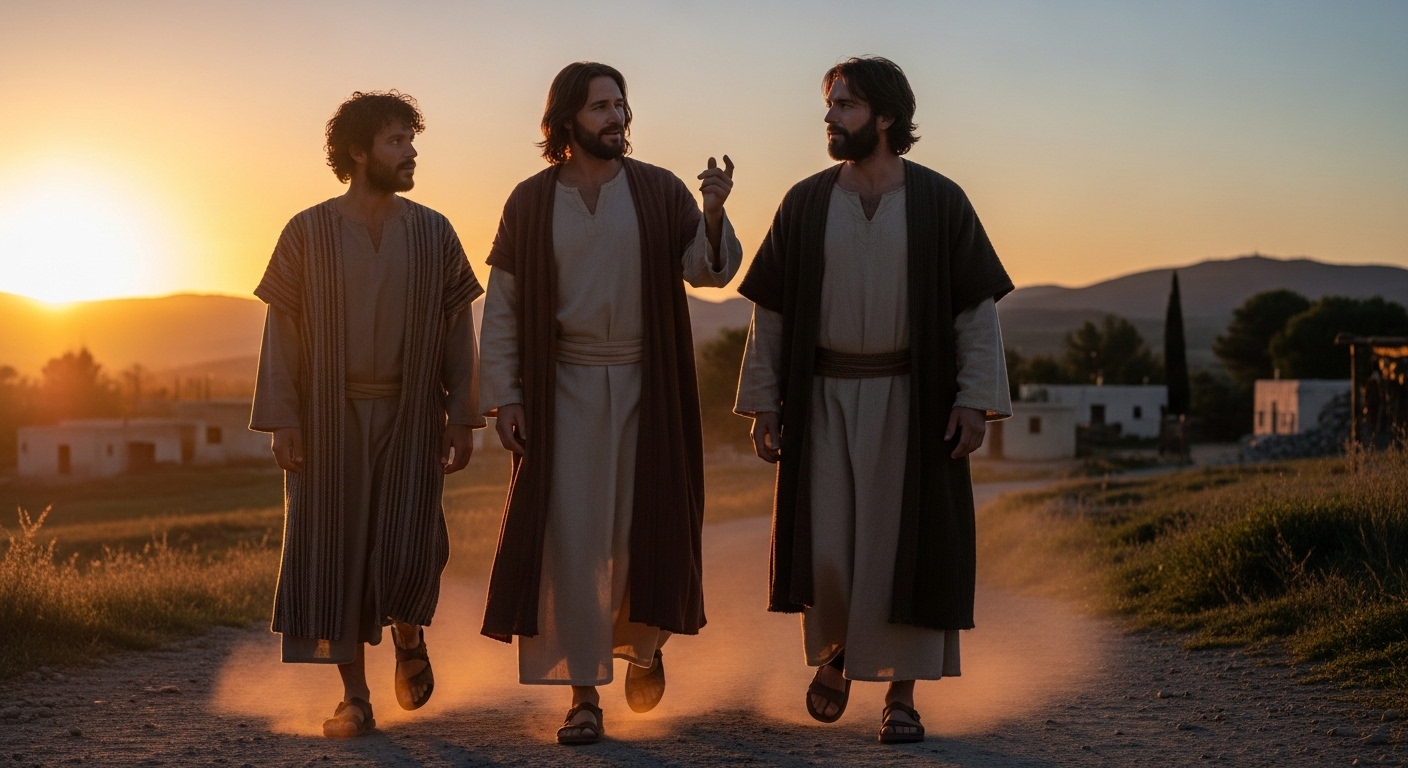
4. Walked with the disciples on the road to Emmaus
Not all encounters were dramatic reveals. Sometimes Jesus walked with people quietly, teaching and opening Scripture so their hearts burned within them. The story of the road to Emmaus, found in Luke 24:13-35, is a portrait of how Jesus joins you in the ordinary — conversation, travel, shared meals — and illuminates Scripture so that your understanding grows from within. You’ll notice how He reveals truth gradually, allowing recognition to come at the breaking of the bread. If you’re learning or wrestling with Scripture, this passage encourages you: Jesus loves to reveal Himself gently as you walk through life and study the Word.
5. Broke bread and revealed Himself
A central detail in the Emmaus story is the breaking of bread. In Luke 24:30-31 you see that their eyes were opened at the table. This act echoes the Last Supper and points to how Jesus makes Himself known in ordinary patterns of fellowship and sacrament. For your spiritual life, this shows that worship, community meals, and shared remembrance are not just routines; they are means by which Christ reveals Himself. When you gather with others, expect Christ to be present in tangible ways that renew understanding and kindle hope.
6. Appeared to Thomas and removed doubt
Thomas is a name you know well because he voiced a doubt that many feel: “Unless I see and touch, I will not believe.” Jesus meets Thomas’s honesty head-on in John 20:24-29. He invites Thomas to touch His wounds and then gently rebukes him: “Blessed are those who have not seen and yet have believed.” Jesus doesn’t shame honest doubt; He addresses it and provides what Thomas needs. For you, this is an important lesson: it’s okay to bring honest questions. Christ can handle your doubts and often uses them as a bridge to a deeper, more resilient faith.
7. Performed a miracle catch of fish
After a period of fishing, some disciples experienced a remarkable night in which nets remained empty until Jesus, standing on the shore, instructed them to cast on the right side. The resulting catch was overwhelming. You can read this in John 21:1-14. The miracle is practical and relational: it restores vocation, provides food, and becomes a context for deeper conversation. For you, the story illustrates that Jesus meets you in your daily work and can turn a season of failure into abundant fruit. If you’re discouraged by lack of results, remember that the resurrected Christ can restore fruitfulness when you listen for His guidance.

8. Restored Peter
One of the most tender post-resurrection moments is Jesus restoring Peter after his painful denial. In John 21:15-19 Jesus asks Peter three times, “Do you love me?” and then charges him to feed His sheep. This repetition undoes the three denials and reaffirms Peter’s calling. Jesus doesn’t humiliate Peter beyond what Peter already feels; He reinstates him with love and clear purpose. For you, this demonstrates that failure is not final. Your past mistakes can be redeemed and used to propel you into faithful service when you accept Jesus’ restoration and return to the mission He gives.
9. Gave the Great Commission
Before ascending, Jesus gave a world-changing assignment to His followers: to make disciples of all nations. The clearest form of this charge is in Matthew 28:16-20. You’ll notice the sequence: authority, command, and promise — He sends them with His authority to baptize and teach, and promises His presence “to the very end of the age.” For you, the Great Commission is both invitation and identity. Whatever your background, you’re called to participate in making disciples where you are — and you’re promised Christ’s presence as you obey.
10. Ascended into heaven and promised return
Finally, Jesus’ time on earth after the resurrection culminated in His ascension. Acts records the scene of Him being taken up and the promise that He will return in the same way you saw Him go Acts 1:9-11. The ascension is not abandonment; it’s the completion of His earthly ministry and the preparation for His sending of the Holy Spirit. It also anchors your hope in a future return. For your life, the ascension assures you that Jesus’ work continues — now from heaven, interceding and reigning — and that history moves toward fulfillment under His authority.

Bonus: Appeared to many and validated the testimony
Beyond the specific encounters, Scripture emphasizes that the resurrection appearances were numerous and public. Paul summarizes this in 1 Corinthians 15:5-7, noting appearances to Peter, the Twelve, more than 500 brothers and sisters at once, and others. This breadth of witnesses undergirds the historical credibility of the resurrection. For you, the many appearances affirm that the resurrection wasn’t a private hallucination or a group delusion — it was an event that changed individuals, communities, and history.
Why these moments matter
Each of these post-resurrection events does more than tell you what happened. They demonstrate key truths: that the resurrection is real and verifiable, that Jesus meets people personally in their grief and doubt, that He restores and commissions, and that His mission now continues through His people. When you piece them together, you see a Savior who is both gentle and authoritative, intimate and universal — a Lord who transforms personal failure into purpose and public sorrow into global mission.
What it shows you
These moments show you several practical truths for daily living. First, Jesus meets you where you are — in sorrow, confusion, doubt, and daily routine. Second, faith can grow from doubt; honesty before God is not disqualified. Third, failures can become the soil of restoration when you allow Jesus to heal and reassign you. Fourth, the resurrection establishes your mission: you are part of a story that goes beyond you. Finally, you have a living Lord who is present, powerful, and promised to return.
Application: what this means for your life
How do these post-resurrection actions translate into your life choices? They invite you to expect personal encounters with Jesus in Scripture and in community. They encourage you to bring honest doubts and see them as pathways to deeper faith rather than obstacles. They assure you that failures are redeemable; you can be restored and sent again. They also place mission at the center of your identity: you are called to make disciples, to teach, to baptize, and to live under Jesus’ authority with the confidence of His presence. Practically, this might mean joining a group where Scripture is opened, confessing and asking for restoration where you’ve failed, engaging in local outreach, and trusting that your work matters to God.
Quick reflection
Take a moment to reflect on what you’ve read. Ask yourself:
- Which resurrection moment stands out to you most, and why?
- Is there a doubt, fear, or failure you need to bring to Jesus for healing?
- How might you participate in the mission Jesus entrusted to His followers this week? These simple questions can help you move from reading to living, allowing the resurrection’s implications to shape decisions you make tomorrow.
 Internal Resources to Explore
 Internal Resources to Explore
If you want to dive deeper, consider these follow-up articles that expand on specific questions raised by these events:
Main Hub
 Main Hub
 What Happened After Jesus Rose From the Dead? (Full Timeline Explained)
Go Deeper
 Go Deeper
Each of these will help you trace the timeline and theological significance of the resurrection more fully and provide additional Scripture links for study.
Conclusion
The resurrection was not a single isolated event. It started a season of encounters, teaching, restoration, and commissioning that affirmed Jesus’ victory over death and launched the church’s mission. When you look at what Jesus did after He rose — appearing to individuals, proving His physical resurrection, restoring a fallen disciple, performing practical miracles, and sending His followers out under His authority — you see a Savior who is deeply present in your personal story and who invites you to participate in an ongoing mission. Let that reality shape how you live, hope, and serve.
Short prayer
Lord Jesus, thank You for meeting us after the resurrection. Help us to trust You with our doubts, to receive Your restoration, and to live out the mission You have given us. Make us attentive to Your presence in the ordinary and bold in sharing the good news. Amen.
Sponsored recommendation

Acknowledgment: All Bible verses referenced in this article were accessed via Bible Gateway (or Bible Hub).
“Want to explore more? Check out our latest post on Why Jesus? and discover the life-changing truth of the Gospel!”