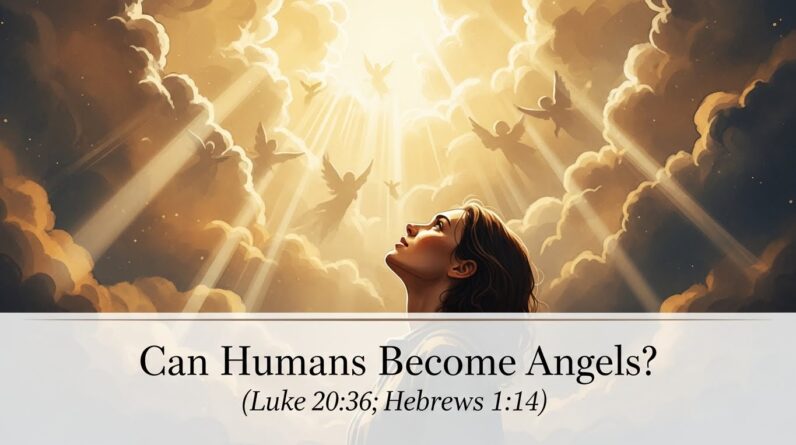


Can Angels Die? (Luke 20:36; Psalm 104:4)

Have you ever wondered whether the spiritual beings you hear about in sermons and Bible stories can actually die? Maybe you’ve pictured angels as immortal, glowing beings who simply exist forever, or perhaps you’ve asked whether they can suffer, fall, or face God’s judgment. This question matters because it touches how you understand God’s justice, human destiny, and what resurrection really means. Let’s walk through the Bible passages, the background, and the spiritual implications so you can see what Scripture actually says — and how that truth brings comfort and clarity to your faith.
1. Introduction
You’ve probably read passages that describe angels as messengers, warriors, or worshipers — but how often do you pause to ask about their mortality? The question “Can angels die?” comes up naturally when you think about death, judgment, and the eternal state. It’s personal because what you believe about angels affects how you picture heaven, how you understand the resurrection, and how you make sense of spiritual realities that touch your life: protection, temptation, and God’s purposes. This article will walk you through key Bible passages, clear up common misunderstandings, and point you to practical faith steps you can take today.
2. The Bible Foundation
Bible verse — Luke 20:36 (NIV): “and they can no longer die; for they are like the angels. They are children of God, being children of the resurrection.”
Bible verse — Psalm 104:4 (NIV): “He makes winds his messengers, flames of fire his servants.”
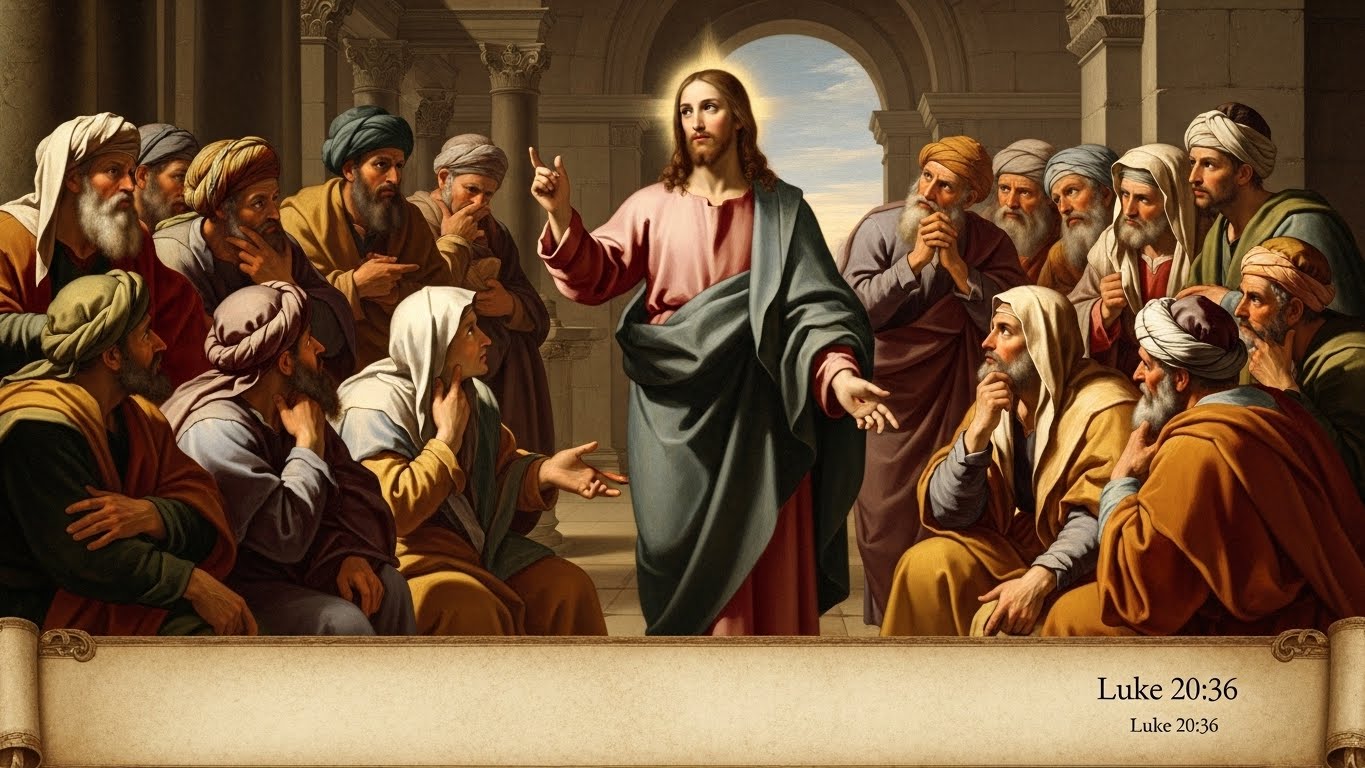
Here’s what’s happening: In Luke 20, Jesus answers the Sadducees, who didn’t believe in resurrection and asked a trapping question about marriage after resurrection. Jesus tells them that in the age to come, people “cannot die” and will be “like the angels.” He’s not denying angels exist; he’s explaining that the resurrected will be freed from the cycle of death. Psalm 104:4 uses poetic language to portray God’s sovereign activity through created servants — often understood as angels or spiritual messengers — emphasizing they serve God’s purposes. These two verses are part of a pattern: Scripture shows angels as God’s servants and paints the resurrected life as something fundamentally different from mortal life.
3. Understanding the Core Truth
At its simplest, Scripture indicates angels are spiritual beings who serve God and that resurrected humans will “be like the angels” in the sense that they will not experience death as we do. This doesn’t mean humans become angels. The core point is about mortality and the new order God brings: death loses its power. Angels are described functionally as messengers, ministers, and worshipers — they act for God’s purposes. So when Jesus says the resurrected are like angels, he’s highlighting freedom from death and participation in God’s eternal communion, rather than creating a literal identity swap.
4. Going Deeper — The Hidden Meaning
If you look closer, two deeper lessons emerge. First, the comparison to angels stresses continuity of personhood but radical change of condition. Jesus tells a story to correct the Sadducees’ misunderstanding: relationships and identity in God’s kingdom aren’t erased by resurrection; they’re transformed. Second, Psalm 104:4 reminds you that angels are God’s servants — created to carry out his will. That matter of creation is important: angels aren’t God; they’re creatures who operate under God’s authority. This deeper insight leads to humility — angels are mighty, but their existence is contingent on God — and hope: you, too, are meant for participation in God’s eternal life.
5. Modern Connection — Relevance Today
Why does this ancient teaching matter now? Because death is one of the most pressing realities you face: the loss of loved ones, your own fears, and the grief that follows. When Jesus says the resurrected can no longer die, he offers more than philosophical comfort — he offers a practical anchor for your hope. You can live with less fear and more service. Knowing angels are God’s servants (Psalm 104:4) reassures you that God is active and sovereign; he uses spiritual helpers to accomplish his will. That means your life is not random or abandoned: God is working, and the end of death is a promise you can build your trust on.
6. Practical Application — Living the Message
How do you put this truth into practice? Start with these simple steps:
- Recenter your grief and fear on the promise of resurrection. When worry rises, read Luke 20 and reflect on the hope that death doesn’t have the final word.
- Remember angels’ role as ministers. When you sense God’s guidance or protection, thank Him and look for ways to participate in his work of compassion.
- Live like one who has a future beyond death: invest in relationships, serve your community, and practice generosity. These are practical ways to embody the hope that you’ll be transformed rather than destroyed.
7. 🌿 Faith Reflection Box
Pause and reflect: If death has lost its finality, what would you do differently this week? How would you invest time, love, and resources differently if you lived with that as a working assumption?
Key Takeaways:
- Death is not the final word for those in Christ; resurrection changes the condition of life.
- Angels are God’s servants, created to carry out divine purposes; they model faithful, God-centered service.
- Living in resurrection hope changes your priorities: love boldly, serve faithfully, and fear less.
8. Q&A
Q1: Can angels die according to the Bible?
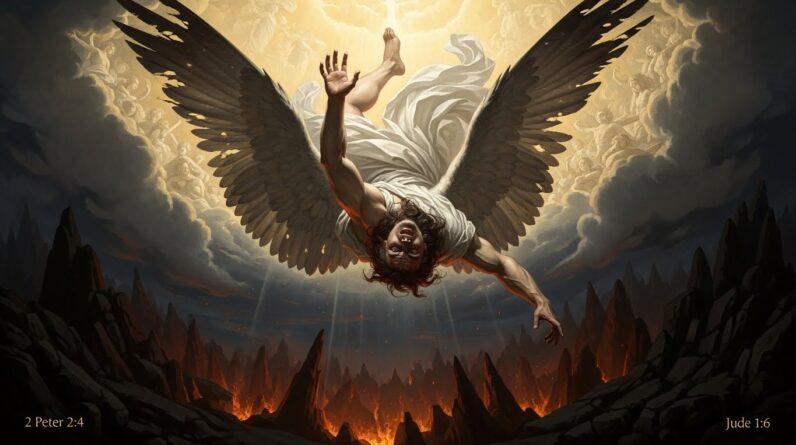
Answer: The Bible doesn’t give a straightforward “yes” or “no” in the modern sense, but it gives clues. Luke 20:36 says resurrected people “can no longer die” and will be “like the angels” — implying angels don’t undergo human death. Yet Scripture also records that some angels sinned and face judgment (2 Peter 2:4; Jude 1:6). That shows angels are created beings subject to God’s justice. The picture that emerges is nuanced: angels aren’t gods who are inherently immortal like God (1 Timothy 6:16), but as spiritual beings they don’t die like humans do; however, they can suffer judgment and punishment for rebellion.
2 Peter 2:4 | Jude 1:6
Related: What Are Seraphim In The Bible? (Isaiah 6:1-7)
Q2: Are angels immortal like God?
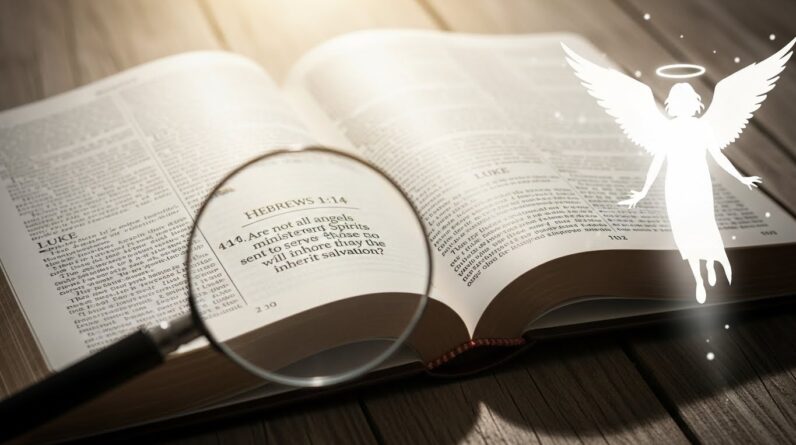
Answer: No — God alone is described as immortal in the absolute sense (1 Timothy 6:16). Angels are created spiritual beings (Psalm 104:4; Hebrews 1:14) and function as God’s servants. That means their existence depends on God, and they aren’t divine. While angels experience a kind of existence that isn’t subject to physical decay, Scripture’s accounts of fallen angels being judged indicate they are not inherently invulnerable to God’s punishment. So they’re powerful and enduring, but not God in their being or essence.
1 Timothy 6:16 | Hebrews 1:14
Q3: Will humans become angels in heaven?
Answer: No — Jesus says people will be “like the angels” (Luke 20:36; Matthew 22:30), but he doesn’t teach that humans turn into angels. The comparison highlights a change in condition: no marriage in heaven (as understood in those passages) and no death. The New Testament teaches a transformation of your personhood (1 Corinthians 15:42-44) into a resurrected body suited for eternity. You’ll remain you, but renewed — not an angel, but an eternal being who participates in God’s life and worship.
Luke 20:36 | 1 Corinthians 15:42-44
See also: What Are Cherubim In The Bible? (Genesis 3:24; Ezekiel 10)
9. Conclusion & Reflection
So can angels die? The Bible guides you toward a careful answer: angels are spiritual servants of God who don’t experience death in the human sense, and God promises that resurrected believers “can no longer die” and will be like angels in freedom from death (Luke 20:36). Yet Scripture also warns that angels who rebel face God’s judgment (2 Peter 2:4; Jude 1:6). That balance — angels as powerful servants, humans as redeemed participants in eternal life — calls you to trust God’s sovereignty, find hope in the resurrection, and live with renewed courage and purpose.
A short prayer: Lord Jesus, thank you for the hope of resurrection and for the truth that death does not have the last word. Help me to live as someone who anticipates eternal life, to serve others in humility as your angels serve, and to trust your justice for every wrong. Fill me with peace and bold love today. Amen.

More Inspiration Awaits — Read These Next
 For deeper insight into Isaiah 40:31 and how it renews your strength in both faith and daily life
For practical lessons on compassion and neighborliness from the Good Samaritan
For a clear explanation of what we can learn from the Parable of the Good Samaritan
For meaningful insights from the Parable of the Pearl and its hidden treasures
For a deeper look at the Rich Man and Lazarus and what it reveals about the afterlife
For guidance on the Parable of the Ten Virgins and preparing for God’s Kingdom
For clarity on the Parable of the Lamp and how it calls us to shine our light
For insights from the Parable of the Wedding Feast and the meaning behind the invited guests
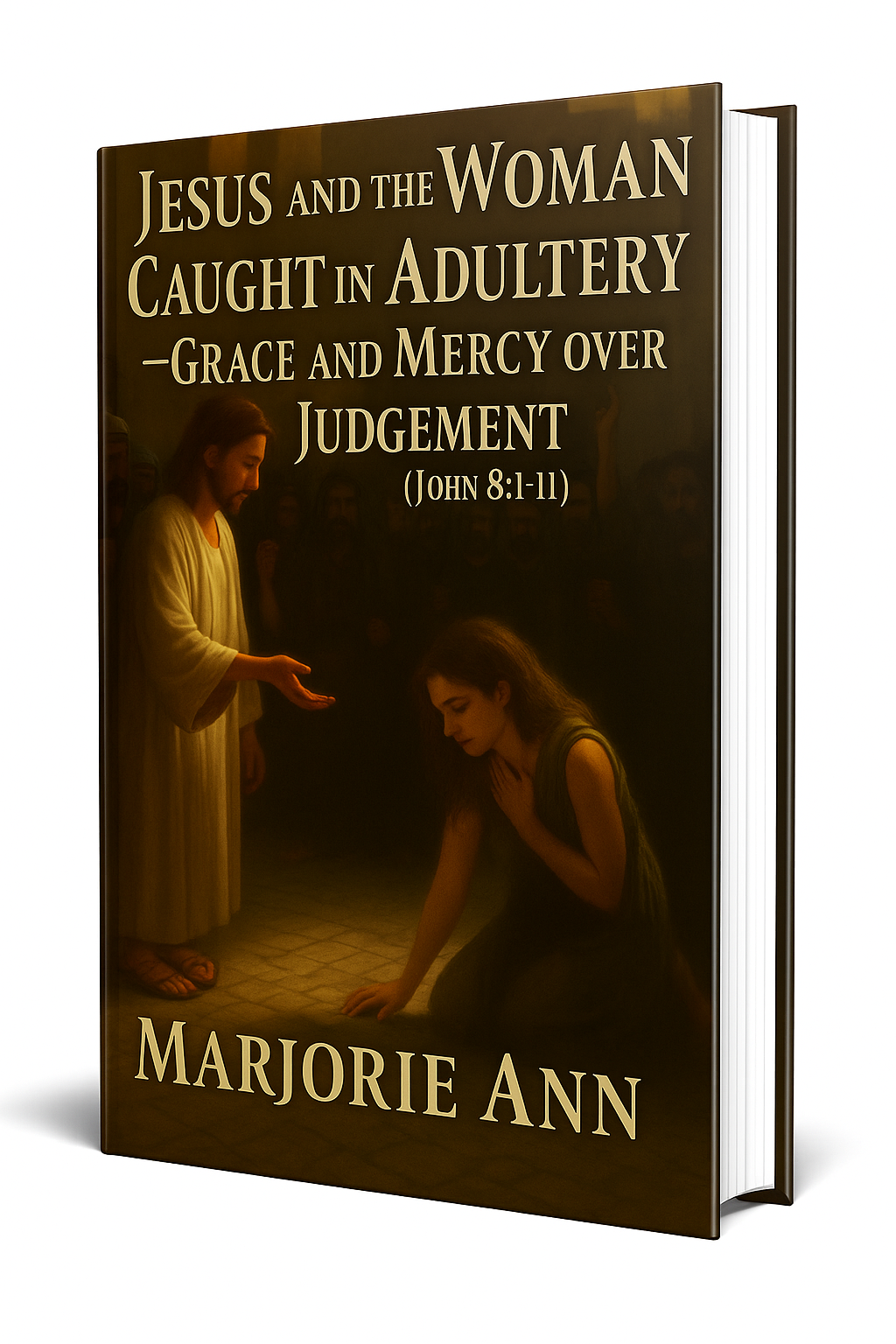
 Jesus and the Woman Caught in Adultery – Grace and Mercy Over Judgement
A powerful retelling of John 8:1-11. This book brings to life the depth of forgiveness, mercy, and God’s unwavering love. Check it now on Amazon 


 “Every great message deserves a home online.”


Don’t let your calling stay hidden. Start a Christian blog or website using Hostinger — with 99.9% uptime, a free domain, and SSL, your voice can shine for God’s glory anytime, anywhere. Begin today. Try it RISK-FREE! 

 “Your body is God’s temple — care for it with purpose.”


Renew your energy and restore balance naturally. Mitolyn helps support a healthy metabolism, giving you the vitality to live out God’s calling with strength and confidence.
Unlock Your Metabolic Power!  Burn More Calories & Feel Great With Mitolyn.
Start Today.  Check Price Now.
As a ClickBank & Amazon Affiliate, I earn from qualifying purchases.
 Acknowledgment: All Bible verses referenced in this article were accessed via Bible Gateway (or Bible Hub).
Want to explore more? Dive into our new post on Why Jesus? and experience the life-changing truth of the Gospel!