


Can Loved Ones In Heaven Hear Us? (Luke 16:26)

Introduction
Have you ever reached for your phone to call someone who’s no longer here? Or whispered a prayer aloud and wondered, “Can they hear me?” Those moments hit you in the quiet—at night by the bedside, during a holiday, or when something big happens, and you want to tell the person closest to your heart. This question—Can loved ones in heaven hear us?—is deeply human and spiritually charged.
You’re not alone in asking it. Luke 16:26 often gets pulled into this conversation because it sounds pretty definitive. But the Bible, church history, and pastoral experience together offer a more textured picture. In this article, you’ll get a clear-eyed look at Luke 16:26, see what Scripture says elsewhere, and find practical, comforting ways to live out faith when grief or longing is real.
The Bible Foundation
Luke 16:19–31 (the full parable) is the context for Luke 16:26. Here’s the verse in the NIV and a link to read it directly:
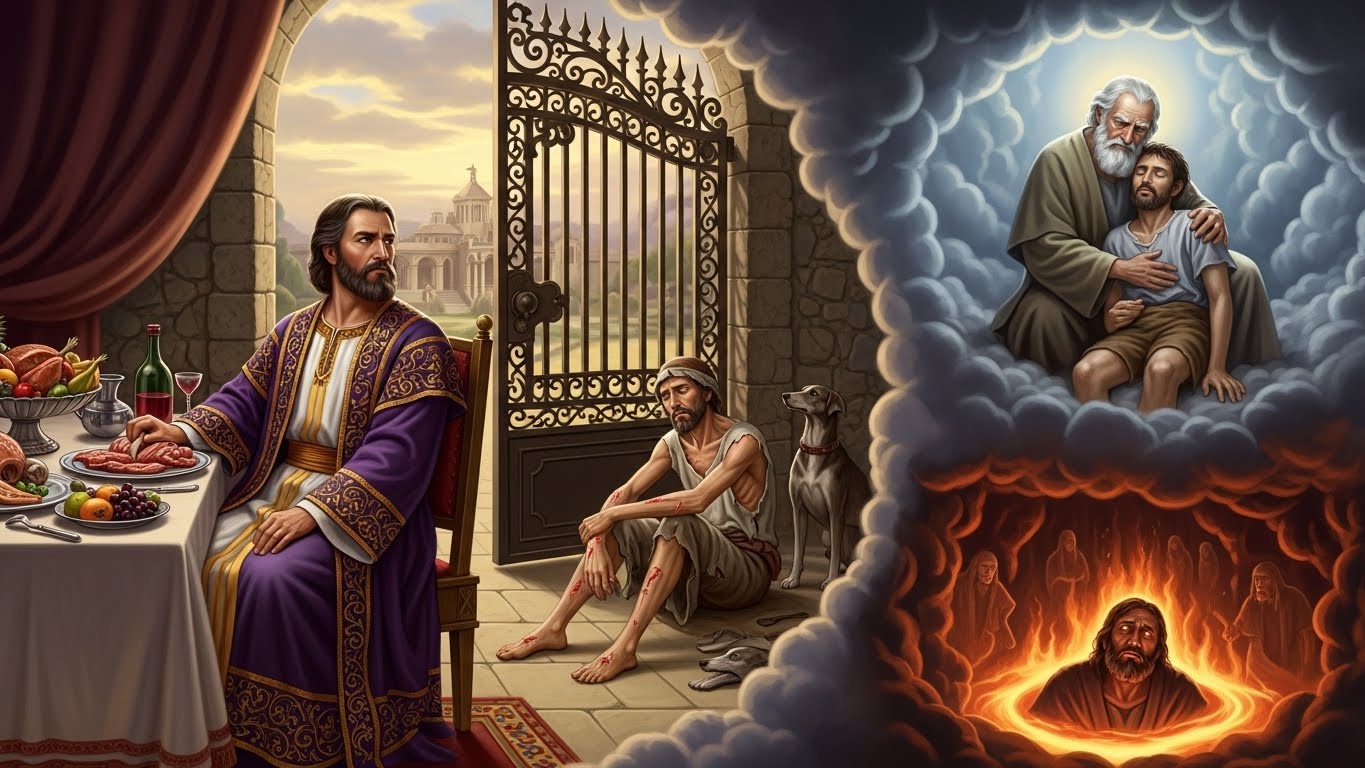
Luke 16:26 (NIV): “And besides all this, between you and us a great chasm has been set in place, so that those who want to go from here to you cannot, nor can anyone cross over from there to us.”
Read the full passage: Luke 16:19-31.
That parable tells of a rich man who lived in comfort and a poor man named Lazarus at his gate. After they died, Lazarus was carried to “Abraham’s side” while the rich man was in torment. The rich man begs Abraham to send Lazarus to warn his brothers, but Abraham replies with the chasm image of Luke 16:26.
In plain terms, Jesus is making a strong point about the consequences of how you live and the finality of judgment. He isn’t giving a detailed anatomy of the afterlife but using a vivid story to warn his listeners that choices in this life have eternal weight. If you read it like a parable, the point centers on urgency and moral responsibility—wake up now, because you won’t change your spiritual destiny after death.
Understanding the Core Truth
In simple words, Luke 16:26 communicates that some realities after death are fixed—it’s a call to take earthly life seriously. Jesus uses the story to say that the time to love your neighbor, share God’s truth, and turn from selfishness is now. The “great chasm” emphasizes that the opportunity to alter your standing before God doesn’t carry over after death.
That doesn’t directly answer whether people in heaven can “hear” you, though. Rather, the parable teaches that spiritual lessons, repentance, and faith happen in our earthly lives. From God’s perspective, your choices matter now. Understanding that core truth helps you keep your priorities straight—you love, forgive, and live faithfully while you can, because our actions and faith here matter for eternity.
Going Deeper — The Hidden Meaning
Beneath the surface, Luke 16:26 also exposes a heart-level truth: the afterlife reflects the moral order you build in your life. Jesus wants you to feel the weight of compassion and justice. The rich man’s torment isn’t only about comfort lost; it’s about a life shaped by neglecting God’s image-bearers.
A helpful biblical companion passage is Hebrews 12:1, which talks about a “great cloud of witnesses” who have gone before us: Hebrews 12:1. That verse invites you to imagine the faithful who cheered on those still running the race. It suggests awareness—God’s story is communal across generations.
Another passage often used is 1 Thessalonians 4:13-18, where Paul comforts believers with hope that the dead in Christ will be raised and that we will be together with the Lord: 1 Thessalonians 4:13-18. This focuses on reunion and hope rather than direct communication between earth and heaven.
Put together, Scripture gives you both the urgency to act now and the hope of reunion later. The deeper lesson is to live in love and anticipation—striving for holiness now while holding the comfort that death does not have the last word.
Modern Connection — Relevance Today

So how does all this apply to your life in the 21st century? Grief is often accompanied by a longing to connect. You may pray and feel like you’re talking into the void, or you may sense comfort and closeness. Many people experience moments that feel like visits—dreams, a sudden memory that consoles, or a peace in the middle of sorrow.
Different Christian traditions respond differently. The Catholic and Orthodox churches have long practices of praying for the dead and honoring saints, which come from a theology that includes purification and intercession. Many Protestant traditions emphasize that your relationship with God is direct—you pray to God, not to the dead—and stress Scripture’s teaching about the finality of post-death judgment. Both approaches attempt to honor God, care for the grieving, and point people to Christ.
Practically, you can hold both truths: Scripture warns that we don’t change our eternal destiny after death (Luke 16:26), and Scripture offers hope of reunion and God’s sustaining presence (1 Thessalonians 4:13-18; Hebrews 12:1). You can grieve, hope, and live faithfully without needing to have all the neat answers about how heaven experiences earthly sounds.
Practical Application — Living the Message
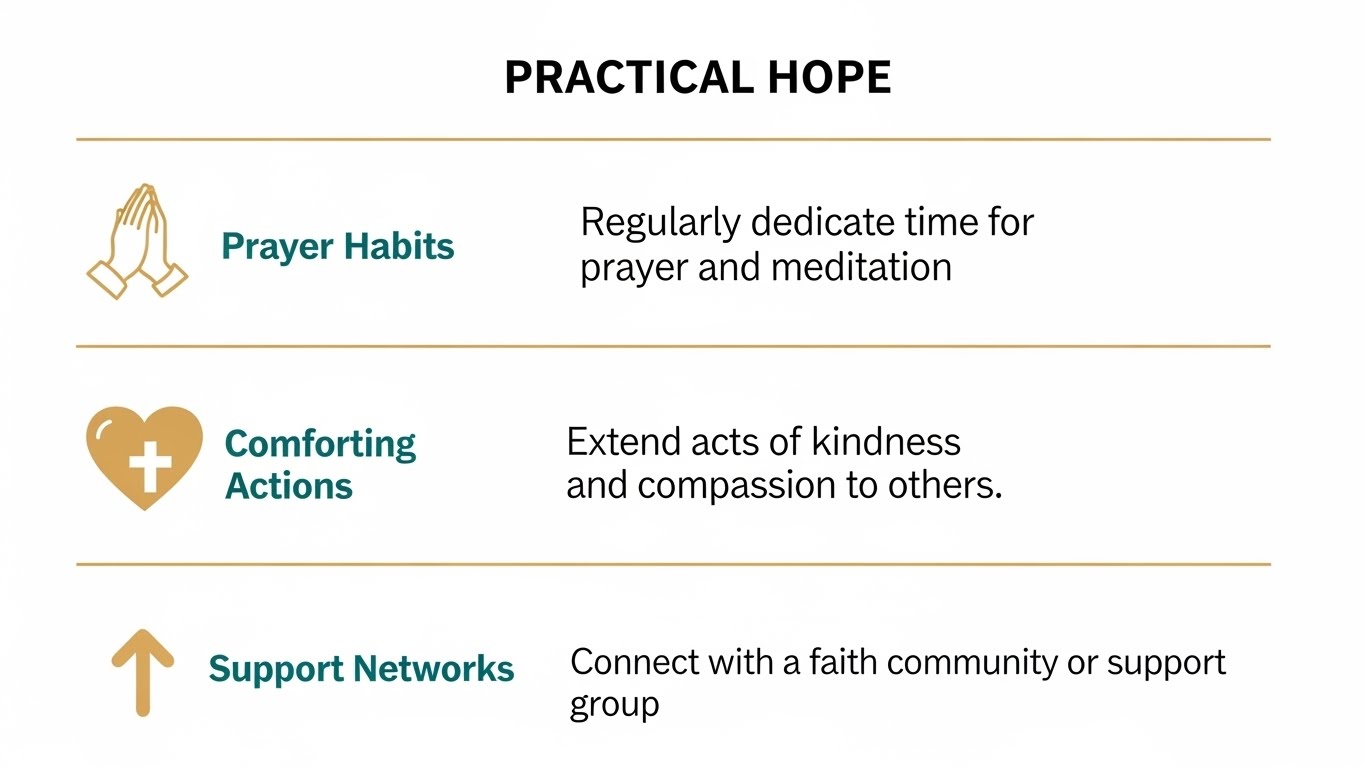
What can you do with these truths today? First, keep speaking—pray out loud, tell God your heart, and remember your loved one in healthy ways. Prayer is for you and for God; it’s not only a message-sending device. Second, honor the memory of your loved ones by living out the values they held dear—acts of service, generosity, and forgiveness. Third, build community. Share memories with friends or a faith community that points you to Christ and to hope.
Here are simple steps you can take:
- Speak to God honestly in prayer and name your grief.
- Serve someone in memory of your loved one—donate, volunteer, or help a neighbor.
- Create a ritual of remembrance that keeps their story alive in your family.
- Let Scripture shape your hope. Revisit 1 Thessalonians 4:13-18 for comfort: 1 Thessalonians 4:13-18.
These are small, faithful practices that anchor you in reality and in hope.
Faith Reflection Box
Take a quiet minute. Ask yourself: Who do you need to forgive or love now so you won’t regret it? Let that be your prayer and action point.
Key Takeaways:
- The Bible calls you to act now; you can’t change your eternal standing after death (Luke 16:19–31).
- Scripture offers hope of reunion and God’s presence for those in Christ (1 Thessalonians 4:13-18).
- Living faithfully—love, service, and prayer—honors both God and the memory of your loved ones.
Q&A
Q1: Can my loved ones in heaven hear my prayers? Answer: The Bible doesn’t give a simple yes/no on whether people in heaven hear your prayers. Scripture emphasizes that prayer is a form of communication with God (1 Thessalonians 5:17: “Pray continually”). Paul comforts believers with the hope that the dead in Christ will be with the Lord (1 Thessalonians 4:13-18: Read here). Most Christian traditions agree that you should pray to God. Whether those in heaven “hear” is treated with caution—God alone is the definitive listener and mediator. Trust God to care for your loved ones and use your praying time to process grief and find comfort in God’s presence.
Related: What Will We Do In Heaven? (Revelation 22:3-5, Isaiah 65:21-23)
Q2: Doesn’t Luke 16:26 prove there’s no communication between heaven and earth? Answer: Luke 16:26 underscores finality and moral urgency—it’s primarily a parable warning people to live rightly. It shows that the rich man could not change his fate after death, and that’s the point Jesus stresses. The verse doesn’t provide a full theological map of all post-death experiences. Other passages, like Hebrews 12:1 (Hebrews 12:1), suggest ongoing spiritual community. Interpreting parables requires seeing their purpose—Jesus wanted to provoke repentance and compassion. So rather than treating Luke 16:26 as a technical guide to spiritual mechanics, read it as a moral wake-up call.
Q3: Should I pray for the dead? Answer: Many Christians pray for the comfort and memory of the dead—asking God to care for their souls and to comfort the grieving. Whether you pray “for” the dead in the sense of affecting their fate varies by tradition. Scripture encourages praying for others (1 Timothy 2:1: “Pray for all people”), and memorial prayers can be a healthy spiritual practice for those who mourn. Your prayers are valuable as expressions of faith, love, and trust in God’s mercy. They help you process grief and keep the hope of reunion alive in Christ.
See also: Is Heaven A Physical Place Or Spiritual? (Philippians 3:20, 2 Corinthians 5:1)
Conclusion & Reflection
You long for connection—and that longing is both normal and sacred. Luke 16:26 cuts through wishful thinking to press you into a life that matters now. Scripture offers both sober warnings and comforting hope: live with compassion and urgency today, and hold onto the sure hope of reunion for those in Christ.
Let’s end with a short prayer you can use: Lord, give me peace about those I love who have died. Help me live in kindness and faithfulness today. Comfort my grief, and hold my hope in You. Amen.

More Inspiration Awaits — Read These Next
 For deeper insight into Isaiah 40:31 and how it renews your strength in both faith and daily life
For practical lessons on compassion and neighborliness from the Good Samaritan
For a clear explanation of what we can learn from the Parable of the Good Samaritan
For meaningful insights from the Parable of the Pearl and its hidden treasures
For a deeper look at the Rich Man and Lazarus and what it reveals about the afterlife
For guidance on the Parable of the Ten Virgins and preparing for God’s Kingdom
For clarity on the Parable of the Lamp and how it calls us to shine our light
For insights from the Parable of the Wedding Feast and the meaning behind the invited guests

 Jesus and the Woman Caught in Adultery – Grace and Mercy Over Judgement
A powerful retelling of John 8:1-11. This book brings to life the depth of forgiveness, mercy, and God’s unwavering love. Check it now on Amazon 


 “Every great message deserves a home online.”


Don’t let your calling stay hidden. Start a Christian blog or website using Hostinger — with 99.9% uptime, a free domain, and SSL, your voice can shine for God’s glory anytime, anywhere. Begin today. Try it RISK-FREE! 

 “Your body is God’s temple — care for it with purpose.”


Renew your energy and restore balance naturally. Mitolyn helps support a healthy metabolism, giving you the vitality to live out God’s calling with strength and confidence.
Unlock Your Metabolic Power!  Burn More Calories & Feel Great With Mitolyn.
Start Today.  Check Price Now.
As a ClickBank & Amazon Affiliate, I earn from qualifying purchases.
 Acknowledgment: All Bible verses referenced in this article were accessed via Bible Gateway (or Bible Hub).
Want to explore more? Dive into our new post on Why Jesus? and experience the life-changing truth of the Gospel!