



You’re sitting with a lump in your throat, a restless night behind you, or a decision that won’t stop replaying in your mind. You want to talk to God, but when you try to form the words, your mind goes blank, or you feel like every phrase you think of sounds hollow. Maybe prayer used to feel natural, and now feels foreign. Maybe you never learned how to begin.
That confusion and quiet are more common than you think. You’re not failing because words fail you; you’re simply in a human place where grief, fear, and uncertainty make sentences slippery. That doesn’t mean God isn’t listening — it means your prayer life needs a bridge: a few simple tools and gentle reminders to help you move from feeling stuck to speaking (or resting) before God.
In this article, you’ll find practical steps you can use right now, a short sample prayer you can speak or adapt, scripture that points to what God does in these moments, and ideas to help your prayer life grow after the first breath. These aren’t rules to make prayer perfect; they’re friendly, usable aids to help you start where you are and trust that honesty matters more than eloquence.
Why This Moment Requires Prayer
When you don’t know what to say, it’s tempting to ration silence as if God expects polished expressions. But there are specific reasons this moment is actually a map pointing you toward prayer.
Fear narrows your focus and keeps you replaying worst-case scenarios. The brain’s alarm system is working overtime, and your words may feel scattered or repetitive. Prayer here isn’t about producing theological statements; it’s about handing your fear over and naming it so it loses power. Bringing your fear into God’s presence loosens the knot in your chest and invites God’s steadiness into the chaos.
Grief often steals your vocabulary. You want to pray, but the language you have seems inadequate for the ache you feel. In the quiet and in fragments, you’re learning a new way to speak. Prayer in grief is a place to let your sorrow be obvious, to cry, to be silent, to ask hard questions, and to trust that presence matters more than words. You don’t need to tidy your grief into polished sentences to be heard.
Confusion When confusion clouds your decision-making or makes values blur, prayer becomes clarifying, not just comforting. Saying “I don’t know” in God’s presence is a faithful act. You can ask for wisdom, for clear steps, for the courage to wait without pretending you already have the answer. Confusion invites you into a posture of dependence, not performance.
Decision-making Big choices press on you with consequences and fear of getting it wrong. Prayer for decisions doesn’t banish responsibility; it invites God to help you weigh things rightly and to guide your heart. You can pray for discernment, for peace that marks the right path, and for the humility to change direction if needed.
In a crisis — a sudden loss, a health scare, a relationship fallout — words often fail because shock has stunned you. Crisis prayer is immediate and raw. It can be a single cry, a whispered name, or a whole-body surrender. God’s presence in a crisis is not contingent on your vocabulary; it’s present in the way you turn toward Him and allow Him to carry you.
Each of these situations asks you for simple, honest movement. Prayer isn’t a performance; it’s a posture. When words falter, posture — turning, breathing, naming, listening — becomes your prayer.

What Scripture Shows Us
Scripture gives us tender permission for the kinds of prayers you’re trying to offer now. It doesn’t demand polished speech; it models honesty, reliance on the Spirit, and direct access to God.
Romans 8:26–27 Romans 8:26-27 assures you that the Spirit helps when you don’t know how to pray. The “groans” mentioned aren’t shameful; they’re shared expressions of need. Scripture teaches that the Spirit can translate those inward cries into prayers that match God’s heart and will. This passage is a lifeline when your vocabulary runs dry: your inner groan is a valid prayer.
Philippians 4:6 Philippians 4:6 invites you not to be anxious but to present your requests to God with thanksgiving. The verse doesn’t spell out perfect wording; it calls you to a simple exchange — take your worry, give it to God, and remember what you’re grateful for. This practice of handing over anxiety builds a steady rhythm that works even when sentences fail.
Hebrews 4:16 Hebrews 4:16 encourages you to come boldly to the throne of grace. Boldness here means you can approach God honestly, even in confusion or weakness, and receive mercy and help. The verse assures you there’s no need to perform; you’re welcome as you are — honest, incomplete, and needing help.
These scriptures combine to form a practical theology: you have help (the Spirit), a practice (bring your worries and thanks), and an invitation (come boldly). That’s exactly what you need when you don’t know what to say.
How to Pray in This Situation
You need something you can put into practice this minute. The following steps and a short breath-prayer model are designed to be portable — use them on a walk, in bed, during a commute, or in the middle of a sleepless hour.
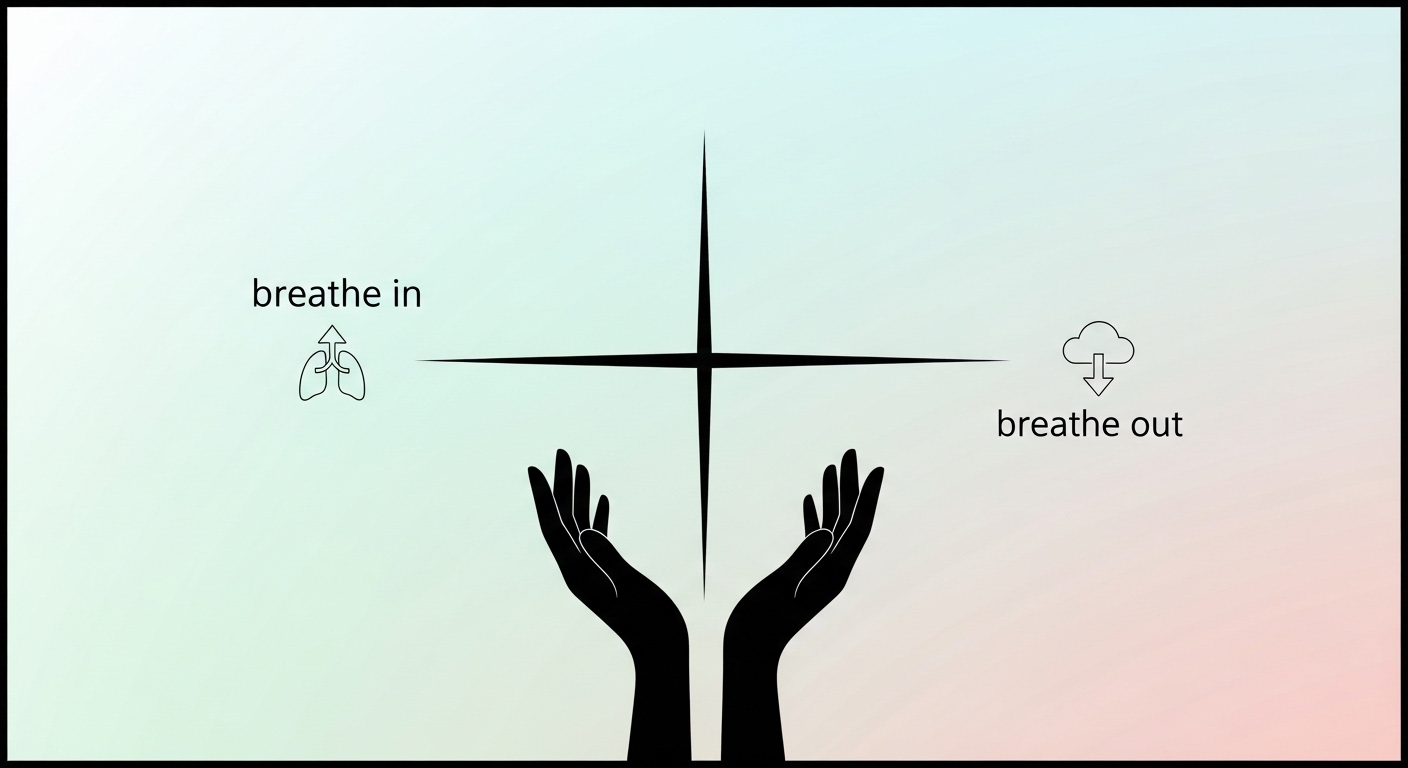
Step 1 — Breathe and Ground. Before you try to form words, ground yourself. Take three slow breaths: inhale for four counts, hold for two, exhale for six. On each exhale, picture handing your weight to God. This simple reset calms the nervous system and creates space for honest speech or silence.
Step 2 — Name What’s Real Speak one-word descriptions if full sentences feel impossible: “Fear,” “Grief,” “Why,” “Help,” or “Thank you.” Naming anchors scattered emotions into something one-dimensional, you can hold before God. God hears names. Naming doesn’t need to be eloquent; it needs to be real.
Step 3 — Use Short, Honest Sentences If you can, say one to three sentences: “I’m scared about this job decision. I don’t know what to do. Please guide me.” Keep it human and simple. God doesn’t require theological flair; He accepts your short, sincere phrases.
Step 4 — Listen Quietly After you speak, sit in silence for 30 seconds to two minutes. Listening is an active part of prayer. You may sense a thought, a Scripture, or a gentle nudge. Don’t pressure yourself to hear an audible voice; often God’s guidance comes as clarity, a calming sense, or a memory of a scripture.
Step 5 — Anchor with a Practice End with a small, repeatable anchor: “Amen,” “Help me,” “Lord, I surrender this,” or a simple breath prayer (below). An anchor lets you close the moment and gives gravity to the prayer so you don’t leave it drifting.
Short Prayer Outline (if you prefer structure)
- Address: “Lord” or “God” to frame the conversation.
- Honesty: “I’m confused/scared/hurt.”
- Request: “Please help/guide/comfort.”
- Surrender/Trust: “I trust you with this.”
- Gratitude/Closure: “Thank you. Amen.”
Breath Prayer Model: A breath prayer pairs a short phrase with inhalation and exhalation. It’s perfect when words are sparse, and you need to pray while doing something else or when you simply want to sit quietly.
Example breath prayer:
- Inhale (silently): “Lord.”
- Exhale (silently): “be near.” Repeat for 1–10 cycles.
Another option:
- Inhale: “Help”
- Exhale: “My unbelief.”
Why this works: Breath prayers are tiny, repeatable, and bypass the pressure to craft perfect sentences. They integrate body and spirit and can carry you through moments where mental fog makes prayer hard. Your breath becomes the prayer. The Spirit can take that and turn it into communion.
Practical variations you can try
- Walking: Pair the breath prayer with footsteps (inhale two steps, exhale two steps).
- Waiting rooms: Use one-word naming and the anchor “Amen” as a way to hand off worry.
- Night waking: Whisper a breath prayer and then count breaths to lower anxiety and return to sleep.
These steps aren’t a checklist to guilt you; they’re a simple toolbox. Choose one or two that feel doable and repeat them. Over time, they’ll help your prayer muscles rebuild confidence.
A Sample Prayer You Can Use
Use this prayer exactly as it is or adapt it to your situation. It’s short, honest, and personal — first person, direct, and uncluttered.
Lord, I’m tired, and I don’t know what to say. I’m scared about [name the thing]. I’m confused, and my mind feels heavy. Please be near me now. Help me see one small next step and give me peace to wait when I can’t see the path. Thank you for hearing me even when my words are imperfect. Amen.
This sample gives you language for fear, confusion, a request for guidance, and a closing of trust. Replace the bracketed phrase with your specific worry, decision, or name. The prayer is short enough to use repeatedly and honest enough to be spiritually real.
Growing Beyond This Moment
A crisis or season of silence can become a doorway to a deeper, steadier prayer life. That doesn’t happen overnight, but with gentle habits, you’ll find prayer becoming more natural and less pressured.
Consistency Over Intensity Small regular practices matter more than occasional bursts of perfect prayer. Choose a time and a habit you can stick with: five quiet minutes in the morning, a breath prayer on your commute, or a short list of three things to thank God for each night. Consistency trains your heart to turn toward God more readily.
Let Scripture Shape You: Make it a habit to read short biblical passages and then pray them back to God in your own words. For example, read Psalm 23 and then whisper, “Shepherd, lead me today,” or read Philippians 4:6 and use it as the frame for handing over anxieties. Scripture supplies words when your vocabulary runs dry and aligns your heart with what God values.
Surrender As a Practice Surrender isn’t a one-time act; it’s a repeated posture. Practice saying a short surrender phrase like, “I give this to you,” or “Not my will, but yours,” especially when decisions feel urgent. Surrender doesn’t mean indifference; it means trusting God with outcomes while you act responsibly.
Use Community. You don’t have to navigate silence alone. Share your confusion with a trusted friend, mentor, or pastor and invite them to pray with you. Hearing another person pray can model language and help you rediscover your voice. Small groups and prayer partners are practical ways to grow.
Journal the Fragments. When full sentences fail, jot down copied phrases, single words, or feelings. Over time you’ll have a record of what you handed to God, what you asked, and what changed. Journaling helps you see God’s faithfulness even when answers are slow.

Practice Different Prayer Forms: Try varied forms of prayer to discover what resonates:
- Listening prayer (sit and wait)
- Scripture-based prayers (pray a verse back)
- Breath prayers (short repeats)
- Intercessory lists (one name at a time)
- Lament (address pain honestly)
Growth is gentle. You don’t have to force it. Small rhythms, repeated with honesty and curiosity, deepen your connection to God over months and years.
Learn More About Strengthening Your Prayer Life
If you want a deeper biblical foundation on building a consistent and powerful prayer life, consider reading Prayer Practices: A Biblical Guide to Deepening Your Prayer Life. That resource explores theological and practical foundations and gives you steps to create a long-term rhythm of prayer that supports every season of life.
Alongside reading, try pairing study with practice: pick one prayer form from that guide and use it for two weeks. Evaluate how it affected your awareness of God and your daily choices. Combining study with repetition shapes both your mind and heart.
If you’re craving structured help, look for a local Bible study or an online cohort focused on prayer practices. Group learning offers accountability, fresh perspectives, and encouragement when spiritual habits feel slow to develop. Remember, growth in prayer is communal as much as it is personal.
Read Next
If this encouraged you, continue here:
-
Prayer Practices: A Biblical Guide to Deepening Your Prayer Life
-
The ACTS Prayer Method Explained (Adoration, Confession, Thanksgiving, Supplication)
-
Praying Scripture: How to Turn Bible Verses Into Powerful Prayers
 Continue Growing in Your Faith
If you want to keep growing in Christ and deepen your prayer life, here’s where to go next:
👉 How to Pray According to the Bible
Learn foundational principles for a richer, more confident prayer life rooted in Scripture.
👉 How to Build a Prayer Routine That Feels Real and Personal
Practical steps for creating a consistent and meaningful prayer rhythm.
👉 The Prayer of the Lord: A Model for Everyday Life
Explore Jesus’ model prayer as a guide for connection and spiritual growth.
 Recommended Christian Reading
Jesus and the Woman Caught in Adultery — Grace and Mercy Over Judgment
A powerful retelling of Gospel of John 8:1–11, exploring forgiveness, mercy, and Christ’s compassion.
If you’re reflecting on spiritual growth and obedience, this story will remind you that transformation begins with grace.


Sponsored recommendation

Acknowledgment: All Bible verses referenced in this article were accessed via Bible Gateway (or Bible Hub).
“Want to explore more? Check out our latest post on Why Jesus? and discover the life-changing truth of the Gospel!”