



Introduction
If you’ve ever opened the Bible and felt overwhelmed, confused, or unsure where to start—you’re not alone. Many beginners struggle with knowing how to read Scripture in a way that feels clear, meaningful, and practical.
The good news is that Bible study doesn’t have to be complicated.
With the right approach, you can learn how to understand Scripture step by step, grow spiritually, and apply God’s Word to your daily life.
This guide will walk you through a simple, beginner-friendly method for studying the Bible—even if you’ve never done it before.
Why Learning How to Study the Bible Matters
The Bible is not just a book you read once—it’s a text meant to be understood, reflected on, and applied.
When you learn how to study it properly, you:
- Understand Scripture more clearly
- Grow in spiritual maturity
- Apply biblical truths to real life
- Avoid misinterpreting verses
- Build a consistent spiritual habit
Step 1: Start with the Right Mindset
Before anything else, approach Bible study with humility and openness.
You don’t need to know everything—you just need to be willing to learn.
Ask yourself:
- “What is God trying to show me here?”
- “How can this apply to my life?”
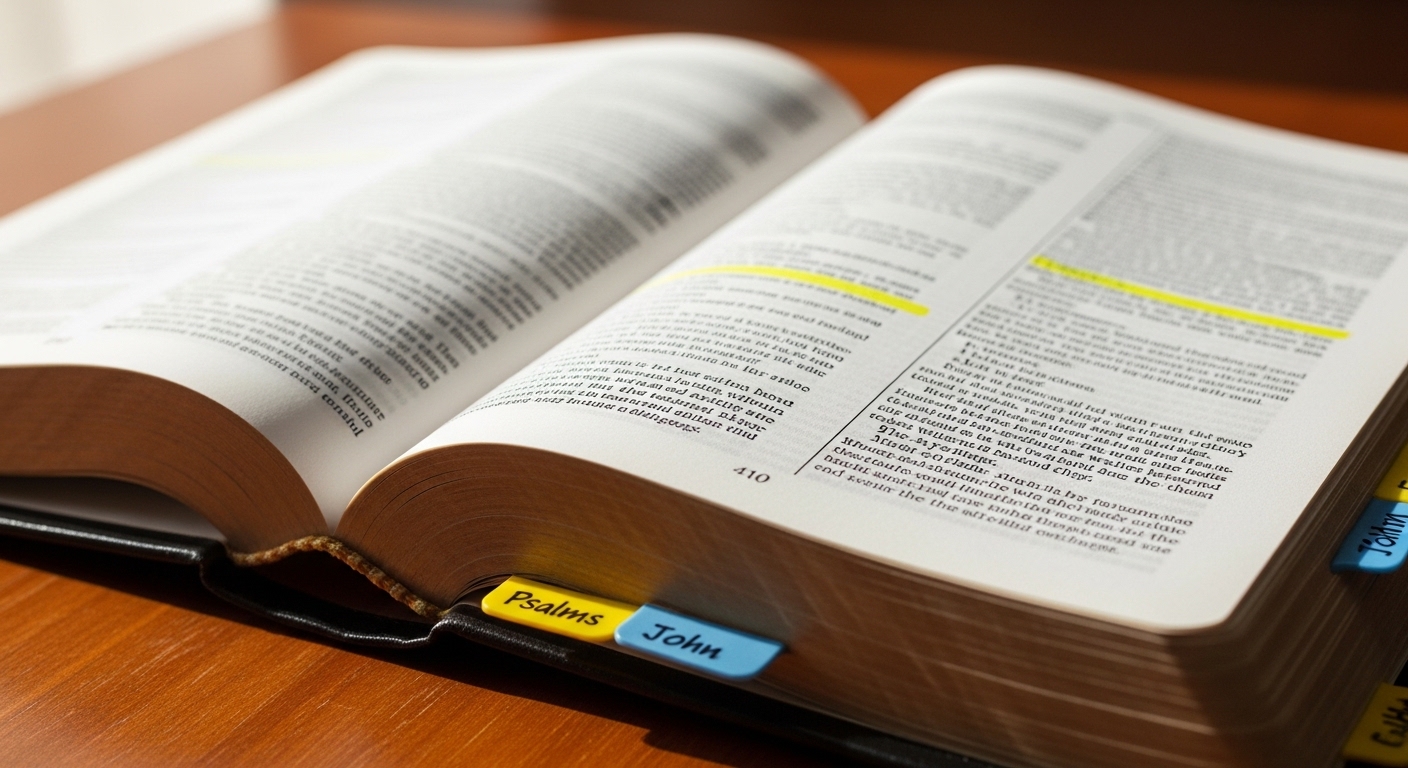
Step 2: Choose a Simple Starting Passage
Don’t start with difficult books like Revelation.
Instead, begin with:
- The Book of John
- Psalms
- Proverbs
These are easier for beginners and more practical for daily life.
Step 3: Read Slowly and More Than Once
Don’t rush.
Read the passage:
- First time: Get the general idea
- Second time: Look for meaning
- Third time: Notice details and repeated themes
Slow reading helps you understand context better.
Step 4: Ask Simple Questions
As you read, ask:
- What is happening in this passage?
- Who is speaking?
- What does this teach about God?
- What does this teach about people?
This helps you move from reading → understanding.
Step 5: Use a Simple Bible Study Tool
You don’t have to study alone.
Helpful tools include:
- Study Bible notes
- Bible dictionaries
- Concordances
- Online Bible study platforms
👉 You can explore more tools here: Bible Study Resources Hub (Tools for Deeper Understanding & Spiritual Growth)
Step 6: Write Down What You Learn
Writing helps you remember and reflect.
Keep a simple journal:
- What did I learn today?
- What stood out to me?
- How can I apply this?

Step 7: Apply It to Your Life
Bible study is not just about knowledge—it’s about transformation.
Ask:
- What should I change in my life?
- How can I live this out today?
Even small applications matter.
Common Mistakes Beginners Make
Avoid these early pitfalls:
- Reading too fast without understanding
- Ignoring context
- Trying to read too much at once
- Not applying what you learn
- Studying without consistency
Simple Bible Study Example
Let’s say you read John 15:5:
“I am the vine; you are the branches…”
You might notice:
- Jesus is teaching about dependence
- Without Him, spiritual growth is limited
Application:
- Stay connected to God through prayer and Scripture daily
FAQ
How long should I study the Bible each day?
Start with 10–15 minutes daily. Consistency matters more than duration.
What is the best book of the Bible for beginners?
The Book of John is one of the best starting points.
Do I need a study Bible?
Not required, but very helpful for understanding context.
Conclusion
Learning how to study the Bible for beginners doesn’t require special training—it just requires consistency, curiosity, and a simple method.
Start small, stay consistent, and let Scripture guide your growth over time.
👉 For more tools and resources, visit: Bible Study Resources Hub (Tools for Deeper Understanding & Spiritual Growth)
Links to Hub:
- Bible study tools
- Bible study resources