


Introduction — A King Unlike Any Other
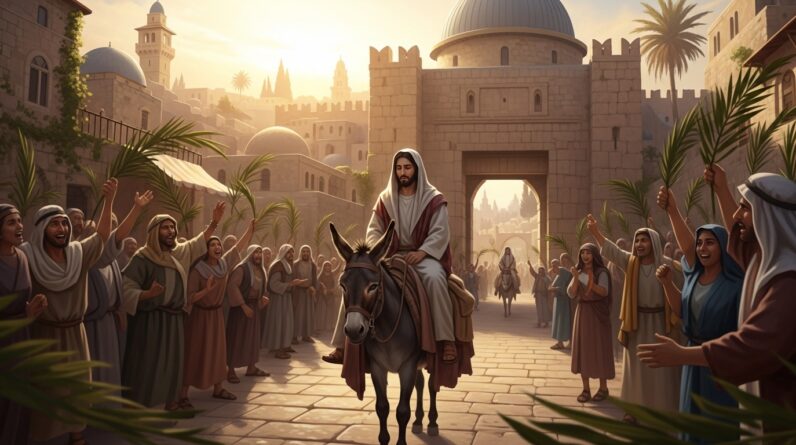
Palm Sunday marks the moment Jesus entered Jerusalem as King—but not in the way people expected. You probably know the scene: crowds shouting “Hosanna,” coats and palm branches laid on the road, and Jesus riding into the city. But there were no war horses, no armies, no elaborately staged show of force. Instead, there was a donkey, a quiet arrival, and a message that turns worldly ideas of power upside down.
If you’re wrestling with what leadership looks like, feeling the pressure to perform, or wondering how to respond to a King who doesn’t fit your mental picture of majesty, Palm Sunday speaks directly to you. This article will help you understand the biblical moment, unpack the lessons about humility and kingship, and show practical ways you can apply these truths in your daily life—at home, at work, and in your inner life.
Key Bible moment to frame everything you’ll read here is Matthew’s description: Matthew 21:5: “See, your king comes to you, gentle and riding on a donkey…” This single line captures the paradox you’re invited to live into: a King who is gentle and humble, yet fully sovereign.
The Scene: What Happened on Palm Sunday
You can almost picture the bustling streets of Jerusalem. Pilgrims were arriving for Passover; expectations were high. The Jewish people longed for deliverance from oppression, and many hoped for a political messiah who would overthrow Rome. Into this charged atmosphere Jesus makes a deliberate, prophetic entrance.
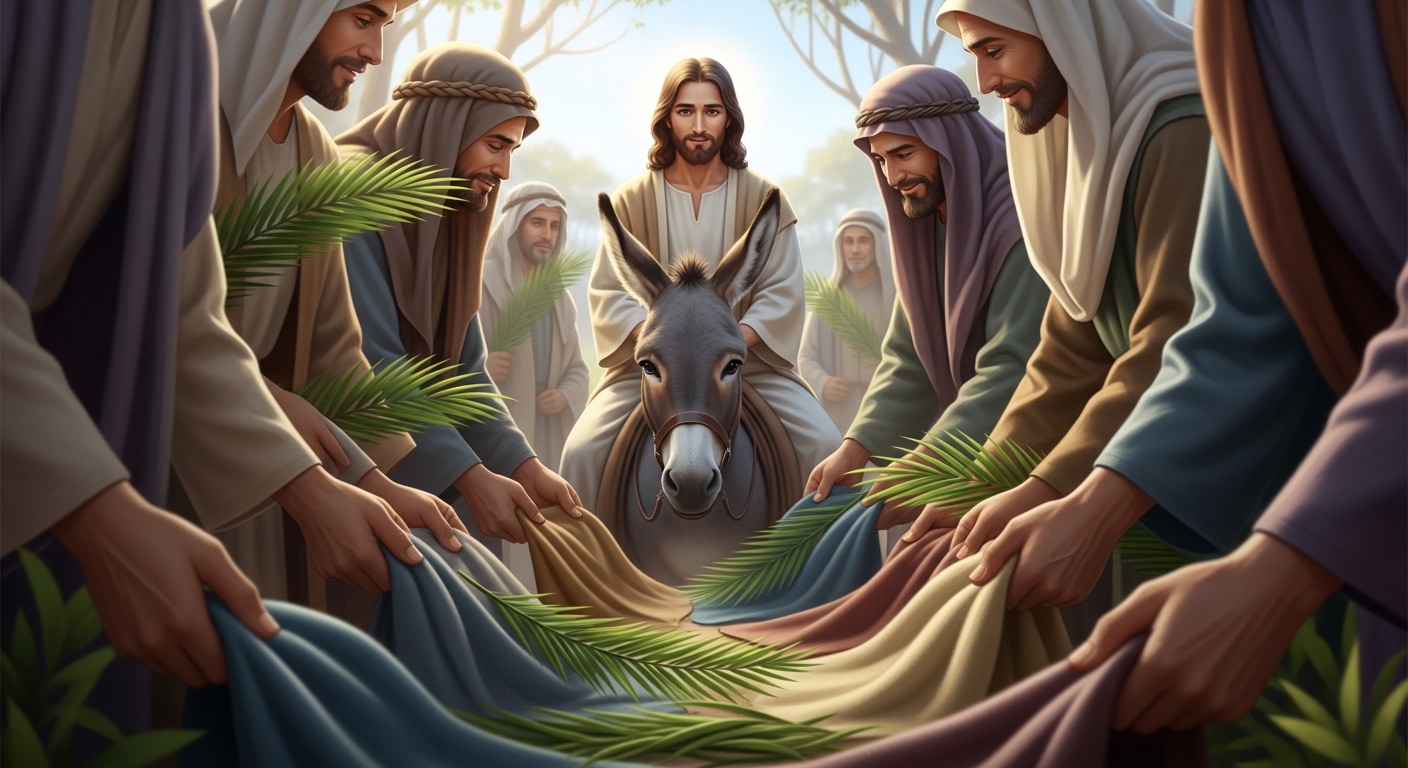
Matthew, Mark, Luke, and John all record the event, each with a slightly different emphasis. The crowd welcomed Jesus with praise, laying palm branches and cloaks on the path, honoring him as a king. Yet his mode of entrance—a ride on a donkey—fulfilled the prophecy from Zechariah and signaled a different kind of kingship. See the prophecy in Zechariah 9:9.
Understanding this scene helps you see that Palm Sunday isn’t just a quaint memory; it’s a teaching moment about the nature of Jesus’ reign and the paradoxical Kingdom he brings.
The Prophetic Fulfillment: A King on a Donkey
When Jesus chose to ride a donkey into Jerusalem, he intentionally fulfilled scripture. The Old Testament prophet paints the picture: “Rejoice greatly, Daughter Zion! Shout, Daughter Jerusalem! See, your king comes to you, righteous and victorious, lowly and riding on a donkey…” Zechariah 9:9.
You should notice two things about prophecy and action here. First, prophecy is not simply prediction; it’s a lens that gives meaning to action. Jesus’s choice was a theological statement, not an accident. Second, the mode of coming communicates character. A donkey represents humility and peaceful intent, not military strength. This is deliberate: Jesus models the nature of his Kingdom by the very way he enters.
1. True Kingship Is Marked by Humility
What humility looks like in a king
At first glance, humility and kingship seem opposites. A king traditionally displays splendor, authority, and unambiguous control. Yet Jesus flips this expectation. His kingship is wrapped in gentleness and humility. The crowd’s acclamation recognizes him, but the manner of his arrival teaches an enduring truth: authority is better exercised in service than in spectacle.
Jesus’s choice shows that leadership is not about asserting dominance to be feared; it’s about embodying sacrificial care and relational presence. You learn something crucial: the measure of true power often looks weak to the world.
Biblical basis: Matthew’s image
Matthew expressly cites scripture to connect Jesus’s arrival with the nature of his reign: Matthew 21:5. That verse is compact but profound—your King comes gentle and riding on a donkey. This is not merely a picture of a man arriving; it’s a theological proclamation that God’s rule looks like humility.
How this changes your view of leadership
If you lead a team, a family, or a community, the Palm Sunday King reshapes how you think about influence. You’re invited to prioritize service, cultivate empathetic authority, and choose humility over image. This doesn’t mean you lack conviction or let chaos reign; it means you wield your role to uplift others rather than to dominate them.
Practical change starts small: listen more than you speak, ask questions before giving orders, and let your actions reflect care. Leaders shaped by humility create environments where people are understood, empowered, and respected.
2. God’s Way Is Different from the World
A divine reminder: God’s thoughts are higher
God explicitly tells us that His ways are not ours: “My thoughts are not your thoughts, neither are your ways My ways…” Isaiah 55:8. This verse helps you accept that divine strategy often confounds human expectations. On Palm Sunday, the crowd expected a political liberator; God gave them a spiritual Savior.
You should take comfort and challenge in this. Comfort, because God is not limited to your narrow expectations; challenge, because you must learn to trust His wisdom even when it contradicts what seems sensible.
When expectations collide with reality
The people in Jerusalem longed for deliverance from Roman oppression. They wanted immediate political change, and many assumed the messiah would be a warlike conqueror. Jesus offered a different kind of deliverance—one that addresses sin and restores relationship with God. His methods—teaching, healing, sacrifice—did not match popular hopes.
Your expectations often shape how you respond to God. When God’s methods diverge from yours—whether in how He answers prayer, the timing of breakthroughs, or the form of leadership He places before you—you’re called to trust, not to demand proof of power in ways you prefer.
Practical trust: living with patient faith
You can practice trusting God’s way by creating habits that remind you of his sovereignty: regular Bible reading, prayer that seeks alignment more than outcomes, and intentionally reflecting on God’s past faithfulness in your life. When choices or disappointments arise, ask, “What if God’s way here is different—and better—than what I expected?”
3. Jesus Is a King Worth Following
Public acclaim, private fidelity
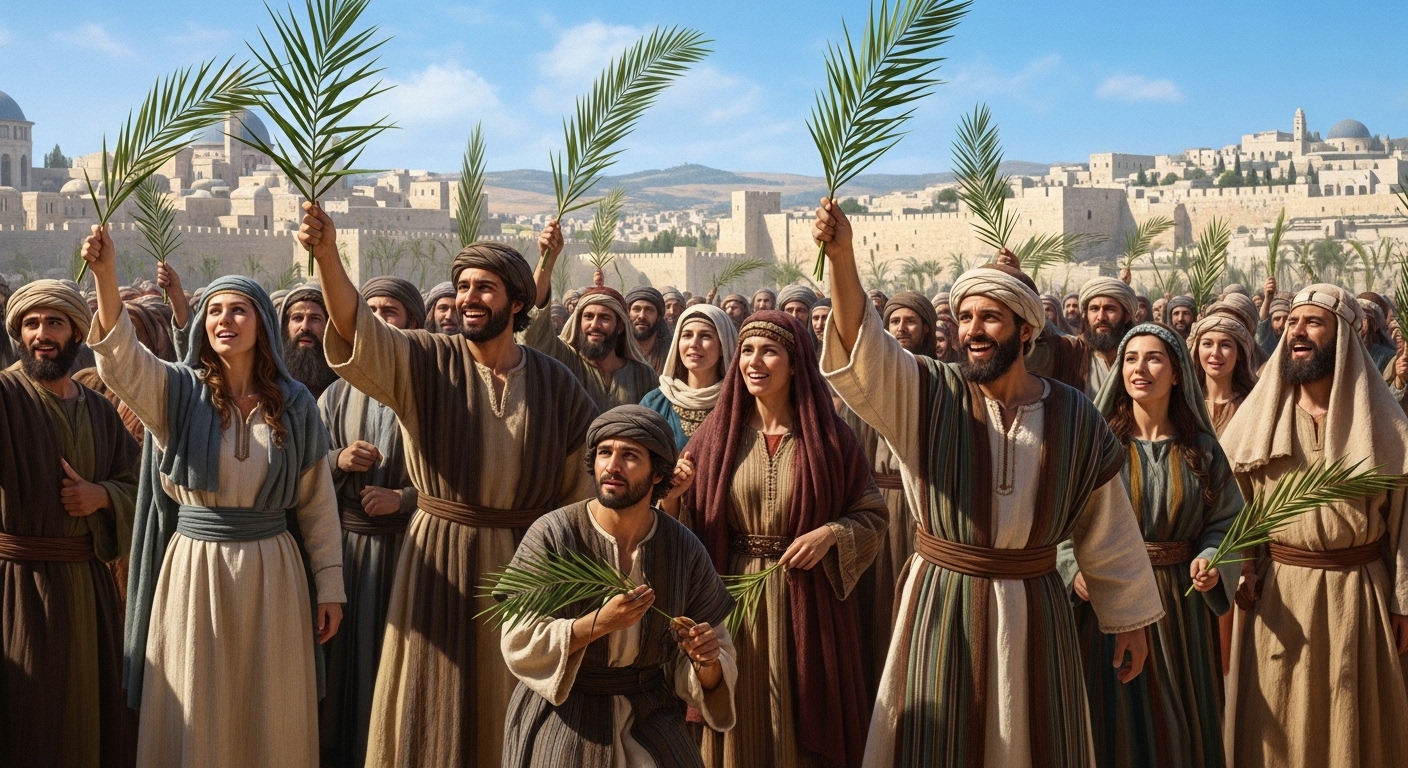
The crowd greeted Jesus with palm branches and loud shouts: “Hosanna!” (meaning “save now!”). John records this moment vividly: John 12:13. The public praise is powerful, but many in the crowd would later drift away or even turn hostile.
That tension is a mirror for you. Following Jesus in a moment of celebration is easy. Following him through disappointment, injustice, suffering, and slow answers is the true test of discipleship.
What makes a king worth following?
A king worth following is consistent with his character and dependable in his promises. Jesus demonstrated compassion, wisdom, healing, and ultimately, sacrificial love. These qualities make him supremely trustworthy even when you don’t get the outcome you hoped for.
Your decision to follow Jesus is not a one-time emotional response; it’s a steady commitment to live under his rule—one that shapes your values, your relationships, and your priorities.
How to move from praise to practice
Turn your applause into action. If you find joy in worship services or spiritual celebrations, translate that energy into daily disciplines: read Scripture, practice prayer, serve others, and allow your choices to reflect allegiance to Christ’s values. Don’t let the highs be the only evidence of your faith.
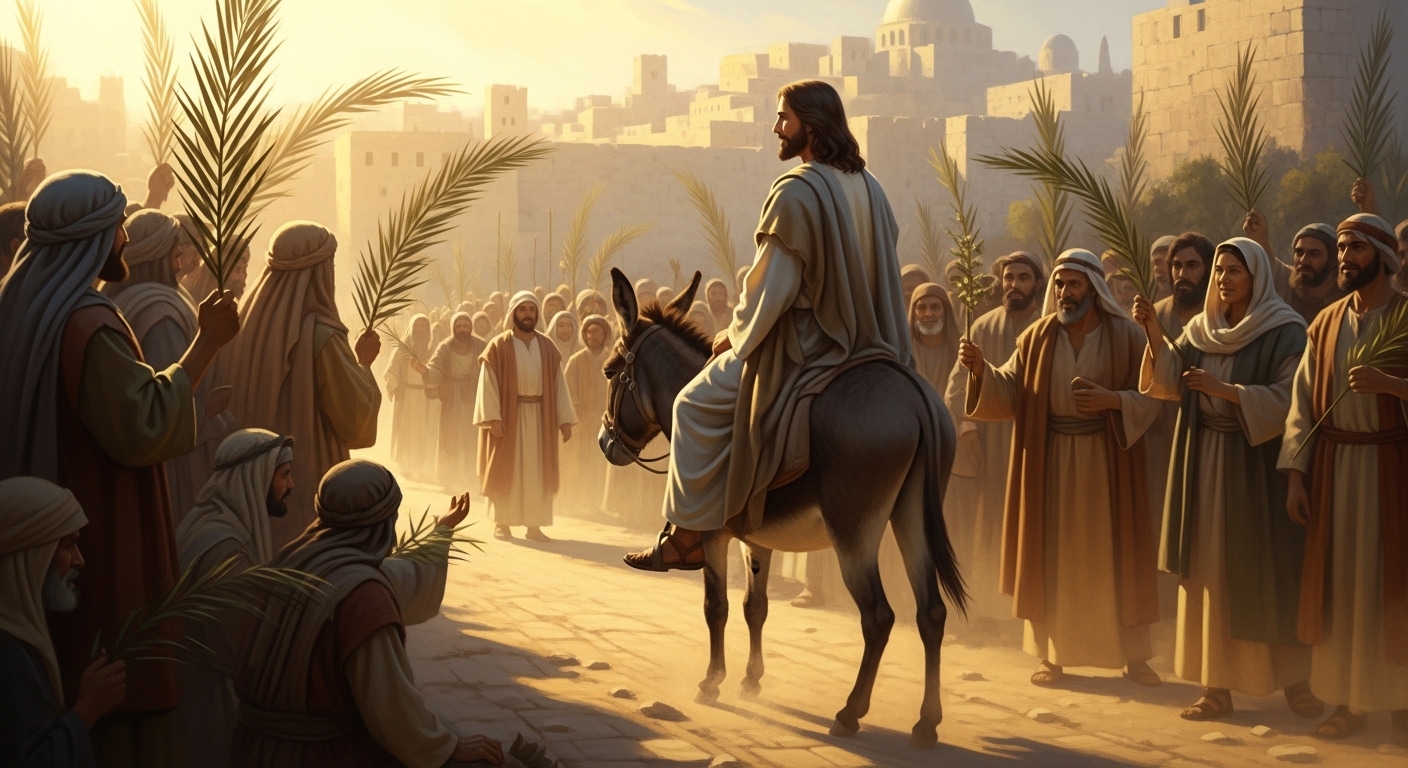
(Place Body Image 2 here: a contemporary depiction of the crowd laying palm branches, diverse people with varied expressions — see image prompts below.)
4. Don’t Be a Temporary Follower
The danger of fickle faith
One of the starkest lessons from Holy Week is how quickly large crowds shifted from “Hosanna” to shouting for crucifixion. The same voices that praised Jesus would later demand his death (Matthew 27:22–23). That’s a sobering snapshot of human inconsistency when pressure mounts.
For you, that’s a warning: emotional or convenience-based faith can evaporate when trials arrive. The test of discipleship is endurance—staying with Jesus even when it costs you comfort, reputation, or ease.
Building a faith that lasts
To avoid being a temporary follower, root your life in habits and communities that sustain long-term growth. Study Scripture regularly, engage in consistent prayer, and connect with people who will hold you accountable. These spiritual rhythms turn impulse into intention and enthusiasm into endurance.
Responding when faith feels shaky
When your commitment wanes, address it proactively. Name your doubts, bring them before God, seek counsel from trusted friends, and immerse yourself in Scripture that speaks to perseverance. Remember that growth often comes through seasons of testing, not despite them.
5. Respond Personally to the King
Jesus’ lament over Jerusalem
Luke records a poignant moment: Jesus wept over Jerusalem because the people did not recognize what would bring them peace (Luke 19:41–42). That grief highlights the difference between outward recognition and inward reception. You can see or admire Jesus and still miss the point if you don’t surrender to him.
This is personal. The way you respond to Jesus matters more than how you sing about him or how you celebrate him publicly.
What personal response looks like
A personal response is not purely emotional; it’s a concrete surrender of your life to his lordship. It looks like turning from self-centered patterns, serving others sacrificially, and letting Christ’s priorities shape your decisions.
Ask yourself: Are there areas you’re still keeping back? Are you willing to let his humility and kingship reorder your ambitions, relationships, and time?
Steps to respond daily
Make a simple plan for daily submission: start your day with brief intentional prayer, invite the Holy Spirit to guide your choices, read a short passage of Scripture, and look for one practical act of service each day. Over time these small acts become the scaffolding of a surrendered life.
Kingship Redefined: Service, Sacrifice, and Sovereignty
Service as the language of authority
Jesus taught that the greatest in his kingdom are the servants of all. The model of leadership in his Kingdom is service powered by love. This claim runs counter to cultures that equate authority with personal gain or status. But when you adopt a posture of service, you reflect the heart of God.
Service doesn’t mean passivity; it means power redirected for the flourishing of others. As you serve, you exercise influence that is sustainable, trustworthy, and transformational.
Sacrifice as the ultimate sign of kingship
Humility culminates in sacrifice. Jesus’ entry on a donkey foreshadows the road to the cross—his kingship was not preserved by violence but by giving himself up. The cross is the clearest expression of God’s kingship: not dominance, but redeeming love.
You are called to a sacrificial posture too—giving time, attention, resources, and sometimes comfort to participate in God’s restorative work.
Sovereignty that invites participation
A humble King is not passive. Jesus’ humility does not undermine his sovereignty; rather, it expresses it. He is fully in control, choosing to restrain the exercise of his power in favor of redeeming love. That paradox encourages you: God’s sovereignty doesn’t remove your responsibility; it invites your cooperation.
When you accept both his rule and your role, you live with confidence in God’s plan while engaging faithfully in your sphere of influence.
How Palm Sunday Shapes Your Everyday Choices
Family life and relationships
In your family, humility changes dynamics. You choose listening over lecturing, patience over territorial responses, and generosity over self-protection. A family led by humble service models Gospel reality and invites others to trust and belong.
Workplace and leadership
At work, follow the King’s example by valuing people more than performance alone. Celebrate colleagues’ wins, mentor without competing, and lead decisions with empathy. You’ll find that humility paradoxically increases trust and long-term effectiveness.
Church and community
In church life, kingship through humility reshapes ministry priorities. Emphasize reconciliation, discipleship, and service. Resist the temptation to equate growth with popularity. Focus on spiritual formation and character-building that lasts beyond cultural trends.
Personal spiritual formation
On a personal level, transform daily routines into spiritual disciplines. Simple practices—prayer, Scripture, confession, worship, and service—form your heart into the likeness of the humble King you follow.
Questions for Reflection
Take some quiet time with these questions. Writing your answers down will help you process and track growth.
- Are you attracted to the image of a powerful ruler or to the humility of the King who serves?
- When has your faith been public applause and when has it been private perseverance?
- What expectations about God need reordering to match his ways?
- What practical habit can you adopt this week to live out humility in your role (family, workplace, church)?
These prompts aren’t trivia—they’re invitations to honest self-examination and growth.
Practical Steps: How You Can Live the Lesson
Make humility a daily practice
Start with one concrete habit: choose one act of humility each day—apologize when you’re wrong, listen without interrupting, let someone else take credit, or serve quietly without recognition. Small, repeated acts reshape interior life.
Prioritize sacrificial service
Schedule a regular time to serve people outside your comfort zone—volunteer, visit someone who’s isolated, or give financially to causes that reflect kingdom priorities. Service becomes a spiritual discipline that forms a sacrificial heart.
Reframe power and success
When ambition rises, ask: “Does this reflect the values Jesus taught?” Success that excludes compassion and justice is not the Kingdom’s success. Reframe the metrics you use to evaluate progress—fidelity, love, and transformation over numbers and accolades.
Practice patient trust
When outcomes disappoint, choose trust. Keep a gratitude journal of answered prayers and ways God has shown care. This record becomes an anchor when you need to remember God’s faithfulness.
Build a community of accountability
You weren’t meant to pursue faith alone. Join or form a small group that commits to Bible study, prayer, honest conversation, and mutual encouragement. Humility grows in community.
The Cost and Beauty of Following a Humble King
Following Jesus carries a cost—self-denial, sometimes misunderstanding, and exposure to suffering. Yet the beauty of that path is deep: restored relationships, freedom from the tyranny of image, and the joy of participating in God’s redeeming work.
You’ll find that the humbling way is the most freeing. When you let go of the need to be admired, you gain the capacity to love without calculation. When you accept a King whose strength is measured in service, you discover a life that makes sense of sacrifice and suffering.
A Short Prayer to Help You Begin
Lord, thank You for showing us what true humility and kingship look like through Jesus. Help me to follow You faithfully, trust Your ways, and live with a humble heart. Teach me to honor You not just in words—but in how I live. Amen.
🔗 Internal Resources to Explore
If you want to explore Palm Sunday, Holy Week, and related themes more deeply, these resources will help you understand how humility and kingship fit into the bigger story of Jesus’ journey:
Main Hub
Related Articles
- Why Did Jesus Christ Ride a Donkey? (Meaning Explained)
- Palm Sunday Meaning and Bible Verses
- 8-Day Holy Week Devotional Guide
- What Happened on Good Friday?
- The Meaning of Easter Sunday
These topics will help you see how Jesus’ humble kingship on Palm Sunday leads to the cross—and ultimately to the victory of the resurrection.
Further Reading and Scripture to Explore
If you’d like to dig deeper into the biblical narrative behind Palm Sunday and its implications, the following passages will strengthen your understanding. Each is linked for quick study.
- Matthew 21:1–11 — Full account of the entry in Matthew.
- Mark 11:1–11 — Mark’s perspective on the events.
- Luke 19:28–44 — Luke includes Jesus’ lament over Jerusalem.
- John 12:12–19 — John’s record of the crowd and its significance.
- Zechariah 9:9 — The prophecy fulfilled by Jesus’ entrance.
- Isaiah 55:8–9 — The Lord’s reminder of His higher ways.
- Philippians 2:5–11 — A theological reflection on Christ’s humility and exaltation.
Reading these passages in sequence will give you a fuller sense of how Palm Sunday fits into God’s unfolding plan of redemption.
Conclusion — Live Under His Leadership Every Day
Palm Sunday reveals a powerful truth: Jesus is King—but not the kind the world expects. He leads with humility, rules with love, and invites you to follow him fully. That invitation is both a comfort and a challenge. You’re called to trade spectacle for service, to choose sacrificial love over status, and to trust God’s higher ways when your plans diverge from his.
Don’t just celebrate the King once a year. Let the lessons of Palm Sunday shape how you speak, lead, choose, and love. Live under his leadership every day, and you’ll find strength in gentleness, power in service, and dignity in humility.