


Introduction
During Palm Sunday, you probably hear the crowd shout a single powerful word:
“Hosanna!”
It’s a word you sing in worship, read in the Gospels, and sometimes drop into a prayer. Yet if you pause for a moment, you might realize you don’t fully understand what it means. Is it just an ancient cheer? A religious exclamation? Or something more—something that changes how you pray and worship today?
This article will walk you through the meaning of “Hosanna” in the Bible. You’ll discover the word’s origin, how the biblical authors used it, why the crowd shouted it as Jesus entered Jerusalem, and how the word invites you into a deeper, more honest relationship with God. By the end, you’ll be able to use “Hosanna” not as a ritual phrase, but as a meaningful expression of trust, praise, and petition.

The Key Bible Verse
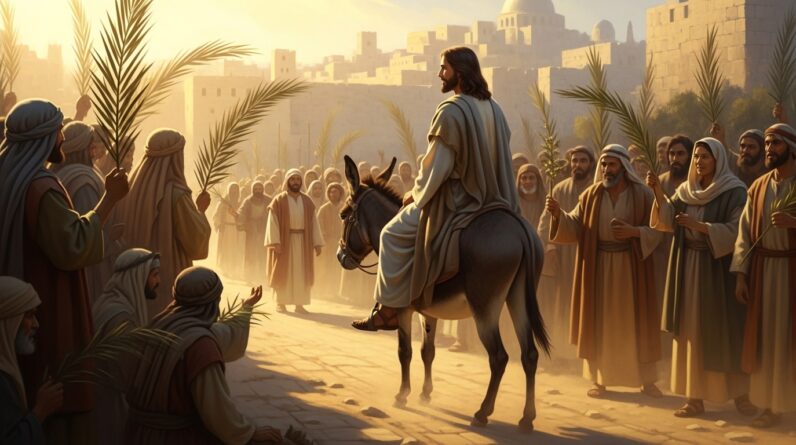
When you think of “Hosanna,” the image of Jesus riding into Jerusalem often comes to mind. The crowd welcomed Him with shouts and palm branches. The most pointed verse for that moment is:
- Matthew 21:9: “Hosanna to the Son of David! Blessed is he who comes in the name of the Lord!”
That short shout is packed with meaning. The crowd calls Jesus “Son of David,” a messianic title, and uses “Hosanna,” a cry rooted in Hebrew petitions and praise. To really understand what those words meant to them—and what they should mean to you—you need to trace the history and usage of “Hosanna” in Scripture.
Where “Hosanna” Comes From: Hebrew Roots and Biblical Usage
The word “Hosanna” comes from a Hebrew or Aramaic expression that appears in the Psalms and later in the Gospels. Its earliest form is understood as a plea for rescue: “Save us” or “Save, please.” The key Old Testament verse that sheds light on the phrase is:
- Psalm 118:25: “Lord, save us! Lord, grant us success!”
Psalm 118 is part of the Hallel, a collection of psalms recited during Jewish festivals. In that Psalm, the cry for salvation is both literal—asking God to rescue—and liturgical—used in worship. Over time the expression moved from an urgent plea to a shout of praise and recognition.
You’ll also see “Hosanna” in other Gospel accounts of Jesus’ entry into Jerusalem:
Each Gospel preserves the cry, but each places it in a slightly different theological and literary context. As you read those passages, keep in mind that the term carried both the original plea for salvation and the later connotation of praise.

1. “Save Us Now” — The Original Meaning
When you look at the Hebrew origins, “Hosanna” was first and foremost a desperate plea. The Old Testament usage anchors the word in a cry for deliverance.
- Psalm 118:25 captures this perfectly: “Lord, save us! Lord, grant us success!”
In its earliest context, “Hosanna” functioned as a personal and communal request: save us from danger, grant victory over enemies, bring deliverance in times of trouble. When you read the Psalm, you sense both urgency and trust: the people believed God could and would act.
Why this matters for you: it’s okay to come to God with urgency. Your prayer doesn’t have to be polished or theologically perfect. A raw, sincere plea—“Lord, save us”—is biblical and welcomed. That original cry invites you to bring your deepest needs before God without pretense.
2. A Shout of Praise — The Word Evolves
By the time of Jesus, the cry “Hosanna” had begun to carry a second, joyful meaning: a shout of praise acknowledging God’s saving action. It didn’t entirely replace the plea; rather, the plea and the praise lived together.
- Psalm 118:26 complements verse 25 by declaring blessing: “Blessed is he who comes in the name of the Lord.”
When the crowd cries “Hosanna” as Jesus enters Jerusalem, they’re blending the two: they ask for deliverance and simultaneously bless the one who comes with God’s authority. That blend reflects a trust that God is present and active—even if the full nature of the deliverance isn’t yet clear.
For you, this means worship can be both petition and proclamation. You can beg for help and declare God’s goodness at the same time. Praising God while you wait is an act of faith; it shapes your heart toward hope and dependence rather than despair.
3. Recognition of Jesus as King — “Hosanna to the Son of David”
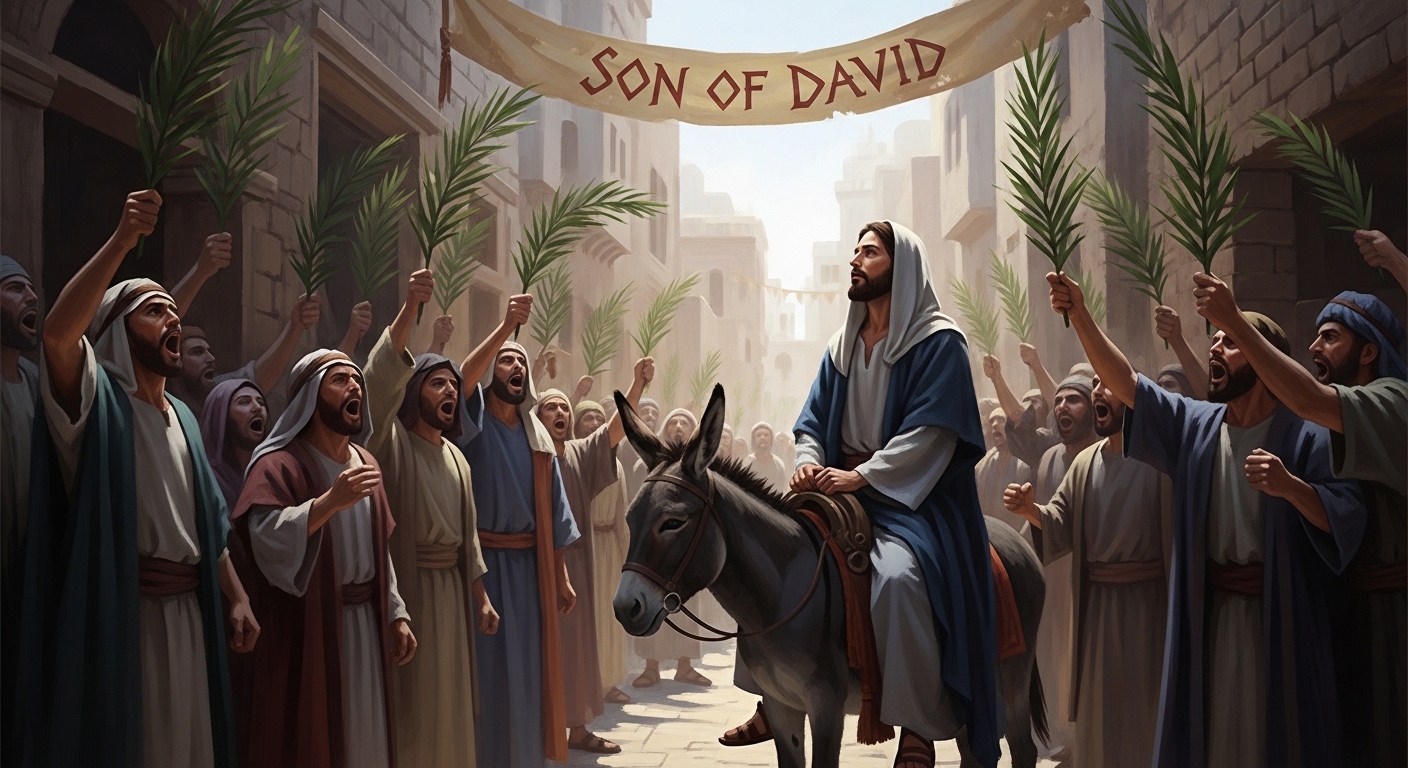
When the crowd shouts “Hosanna to the Son of David,” they’re making a bold messianic confession.
- Matthew 21:9 — “Hosanna to the Son of David! Blessed is he who comes in the name of the Lord!”
“Son of David” is a title loaded with expectation: it points back to God’s promise to David that his line would rule and to the hope of a messianic king. By applying the title to Jesus, the crowd recognizes Him as the expected deliverer.
But note a crucial tension: many in the crowd expected a political, military deliverer who would overthrow Rome and restore Israel’s national sovereignty. Their “Hosanna” carried hopes of immediate, earthly liberation. Jesus, however, came primarily to bring spiritual deliverance—reconciliation with God, forgiveness of sins, and the inauguration of God’s kingdom in a way that transcends political revolution.
Ask yourself: when you call Jesus “King,” are you thinking primarily of personal comfort, political solutions, or the deep spiritual rescue He brings? Calling Jesus “King” should reshape every area of your life, not just the parts that align with your preferences.
4. A Misunderstood Expectation — The Crowd’s Hopes vs. God’s Plan
The Palm Sunday crowd was sincere, passionate, and full of expectation. But their expectations didn’t match God’s timeline or methods.
The crowd wanted an immediate, visible overthrow of oppression. Jesus offered a deeper, eternal kind of salvation—one that involved suffering, the cross, and resurrection. Some Scriptures highlight the gap between expectation and reality, including Jesus’ own warnings about the nature of His kingdom:
- Luke 19:41–44 — Jesus weeps over Jerusalem because the people didn’t recognize the time of their visitation.
Jesus foresaw that many would not understand the salvation He offered. That uncovers a tension you might face: sometimes God answers in ways you don’t expect. He may bring deliverance through hardship, through seemingly ordinary means, or in ways that don’t match your timeline.
Your response to this tension matters. Do you cling to a particular idea of how God should work, or do you trust His sovereign wisdom even when His methods differ from your hopes? “Hosanna” invites you to say both: “Save us” and “I trust You.”
Hosanna in the Jewish Liturgy — Hallel and Festival Usage
Remember that Psalm 118—and thus the cry “Hosanna”—is part of the Hallel, the set of psalms Jewish worship used during major feasts like Passover and Tabernacles. The congregation would recite or sing these psalms in joyful remembrance of God’s mighty acts.
Using “Hosanna” during festival worship meant the word could function as both plea and praise depending on the context. In a festival setting, it often moved toward thanksgiving: a memorial of past salvations that fueled present praise and hope for continued deliverance.
This background helps you see how the crowd at Jesus’ entry combined ritual worship language with current expectation. They were not just acting spontaneously; their worship drew on long-standing liturgical patterns that shaped what “Hosanna” meant in their hearts.
Hosanna and the Cross — From Cry to Fulfillment
It’s critical to read Palm Sunday in light of Good Friday and Easter Sunday. The same people who shouted “Hosanna” are the ones who later call for Jesus’ crucifixion. That heartbreaking shift reveals human wavering, fear of consequences, and political manipulation—but it also points you toward the gospel’s deep truth.
Jesus’ mission meant a different kind of kingship—one that led through suffering to victory. The plea “save us” finds its ultimate answer not in an earthbound revolution but in the cross and resurrection, where salvation for sin and death is secured. The Gospels lead you to understand that Jesus’ arrival and death are both part of God’s saving plan.
If you trace that movement, you’ll see how “Hosanna” foreshadows the hope of deliverance that culminates in the empty tomb. The cry for rescue finds its fulfillment in resurrection power.

Theological Implications — Salvation, Sovereignty, and Adoration
When you unpack “Hosanna,” you face several theological realities:
- Salvation is both present and future. You can cry “save us” for personal rescue today and trust in the final, ultimate salvation God will bring at Christ’s return.
- God’s sovereignty means He sometimes answers in ways you don’t expect. The crowd’s expectation of a political messiah reminds you that God’s methods may include suffering, humility, and transformative love rather than immediate political dominion.
- Worship is honest. “Hosanna” models a faith that is both candid in its pleading and joyful in its praise. You don’t have to choose between honesty and worship—you can do both.
These implications should shape your theology and practice. The word trains you to pray big, expect rescue, and worship wholeheartedly even when the rescue looks different from what you imagined.
How to Use “Hosanna” in Your Prayer and Worship Today
Here are practical ways to let “Hosanna” shape your spiritual life:
- Use it as a prayer of dependence. When you’re overwhelmed, cry out “Hosanna” as you would “Lord, save us.” It’s a biblically rooted way to acknowledge your need for God.
- Blend praise with petition. When you praise God in the middle of hardship, you’re doing what the Palm Sunday crowd did—declaring trust while still asking for deliverance.
- Remember the cross. Let “Hosanna” point you to Jesus’ sacrificial work and the promise of resurrection. Your request for rescue isn’t for mere convenience; it’s for deep, redemptive transformation.
- Reexamine your expectations. If you’re longing for God to fix things in a way that contradicts His character or timing, ask God to reframe your hopes.
When you use “Hosanna” deliberately, you join a long line of worshipers who petitioned and praised in the same breath.
Common Misconceptions About “Hosanna”
There are a few misunderstandings you may have heard:
- Misconception: “Hosanna” is only a shout of praise. Reality: Its earliest usage is a plea—“save us”—though it later functions as praise as well.
- Misconception: The crowd fully understood Jesus’ mission. Reality: Many misunderstood Him, expecting political liberation rather than spiritual salvation.
- Misconception: Saying “Hosanna” is a magic formula. Reality: The word is meaningful only when it comes from a heart of faith; it’s not a religious talisman.
Being aware of these misconceptions helps you use the word in a rich, informed way that honors Scripture.
Reflective Questions for Personal Application
Take a few moments to think through these questions. Let them guide your prayer and reflection:
- When you cry out to God, are you honest about your need? Do you allow “Hosanna” to capture that honesty?
- Are you willing to praise God even while waiting for answers?
- Do you want Jesus to be your king in every area of life, or only in ways that make you comfortable?
- How would your expectations change if you trusted God’s timeline more than your own?
These questions aren’t meant to condemn but to invite you into deeper faith and trust.
A Short Devotional Reflection
Imagine the scene in Jerusalem: palm branches waving, people leaning out windows, all eyes on the teacher from Nazareth riding on a donkey. They shout “Hosanna!” — a mixture of hope, desperation, and worship. Jesus knows the crowd’s hopes and the cross that lies ahead. He enters the city not as a conqueror with war banners but as a humble king whose victory will be won through apparent defeat.
When you whisper or shout “Hosanna” this week, let it be both a cry and a crown. Ask God to save, then place your trust in the One whose way leads through suffering to resurrection. Let that tension refine your faith and steady your hope.
Closing Prayer
Lord, Hosanna—save me and lead me. Help me to trust You as my King and worship You with a sincere heart. Teach me to depend on You in every season of life, and give me the courage to praise You while I wait for Your rescue. In Jesus’ name, Amen.
Internal Resources to Explore
If you want to explore Palm Sunday, Holy Week, and related themes more deeply, consider linking these internal resources on your site (use as hub pages or further reading):
- Main Hub: Holy Week Timeline: Events, Meaning, and Daily Devotional Guide
- Related Articles: Why Did Jesus Christ Ride a Donkey? (Meaning Explained)
- Related Articles: Palm Sunday Meaning and Bible Verses
- Related Articles: 8-Day Holy Week Devotional Guide
- Related Articles: What Happened on Good Friday?
- Related Articles: The Meaning of Easter Sunday
These topics will help you place “Hosanna” within the larger story of Jesus’ passion, death, and resurrection.
Bible Passages Mentioned (for your study)
Read these passages to see “Hosanna” in its biblical contexts:
Take time to read these verses in their chapters; they live within larger narratives that give you richer understanding.