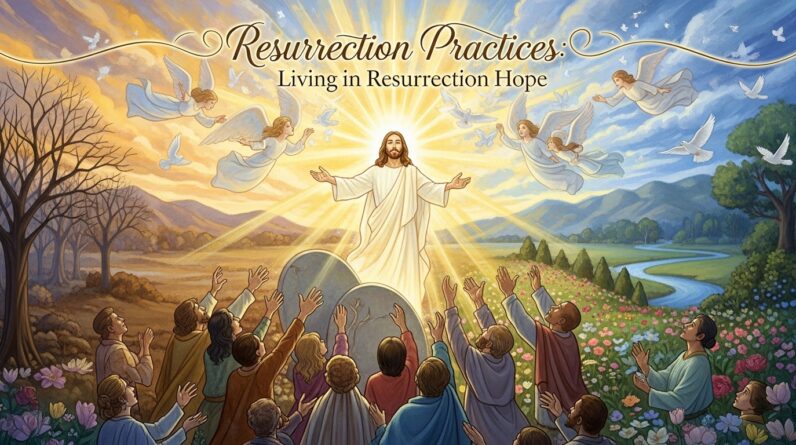



Introduction
You already know the story—Jesus rose from the dead. But the resurrection is more than a historical event to believe; it’s a reality to live. In the middle of your busy schedule, hidden worries, and questions that refuse to settle, the power that rolled the stone away can meet you. This devotional is designed to help you move from mental assent to daily experience, guiding you to reflect, receive, and live in resurrection power.
You might be carrying fatigue, regret, or a sense that God feels far away. This devotional recognizes those struggles and offers a promise: the resurrection isn’t a distant trophy of the past—it’s an active, present power that transforms your life here and now. As you read, you’ll be invited to consider Scripture, reflect on practical applications, and take simple steps toward renewal.
The Key Bible Verse
Verse: Philippians 3:10
Paul’s longing “to know Christ—yes, to know the power of His resurrection” moves beyond curiosity into an intimate pursuit. You’re invited not just to know about Jesus but to know Him experientially, to encounter His resurrection power in the grit of daily life. This verse will be the steady anchor of this devotional as you explore how the resurrection reshapes your identity, purpose, and daily walk.
1. The Resurrection Is Power for Today
Verse and Context
Verse: Ephesians 1:19–20
When Paul prays that believers might understand “the incomparably great power” at work, he ties that power directly to what God did when He raised Jesus. That same divine power is active now—working in, through, and for you. The resurrection is not boxed into history; it is a present, practical force shaping your ability to endure, hope, and change.
Meaning
To understand the resurrection as present power is to recognize that God is not distant or merely symbolic. The power that conquered death is available to meet everyday weaknesses, temptations, and fears. Where you feel powerless—emotionally drained, spiritually dry, or physically weak—that very place can become a threshold for God’s strength. The resurrection flips defeat into possibility.
Application
When exhaustion or fear knocks at your door, pause and remember that the power that raised Jesus is at work within you. Pause long enough to pray for that power to be evident in the small choices you make today. Ask specifically for strength in whatever area feels most fragile—the task at work, the conversation you dread, the habit you’re trying to break. Trust that God’s power is practical; it shows up in sustained patience, renewed courage, and the ability to take one faithful step at a time.

2. The Resurrection Brings Freedom
Verse and Context
Verse: Romans 8:1
Romans 8 begins with good news that changes everything: those who are in Christ are no longer under condemnation. The resurrection of Jesus secures that freedom. It’s not an abstract theological concept; it touches the most intimate parts of your life—your mistakes, regrets, and the recurring shame that refuses to loosen its grip.
Meaning
Freedom made possible by the resurrection is comprehensive. It covers guilt, dissolves shame, and breaks the cycles of condemnation that suffocate spiritual growth. This freedom doesn’t demand that you deny your mistakes; it calls you into grace. Because Jesus rose, your past is no longer the final word. You’re invited to live from forgiveness rather than fear.
Application
Make today a practice of refusing to replay your past missteps. When shame rises, rehearse the truth of the resurrection—Jesus was raised, and you are free. Replace the habit of self-condemnation with a habit of confession and receiving grace. Practical steps can include a short confession prayer, journaling what you’re letting go of, or speaking truth aloud about your identity in Christ. Freedom grows when you repeatedly choose truth over old narratives.
3. The Resurrection Offers New Life
Verse and Context
Verse: 2 Corinthians 5:17
“New creation” language highlights transformation that’s as radical as a rebirth. When you are in Christ, who was raised to life, your story is rewritten. The resurrection initiates a new beginning that transforms identity, purpose, and everyday living.
Meaning
New life in Christ means that what once defined you—failure, labels, or a list of “not good enoughs”—no longer holds ultimate authority. The resurrection means your identity is now rooted in who Jesus is and what He has done. That reorientation affects how you see yourself, how you relate to others, and how you engage with God’s calling.
Application
Embrace today as an opportunity to live differently. Start small: choose one habit that aligns with your new identity—speaking kindly to yourself, returning grace to someone who wronged you, or stepping into a service opportunity that stretches you. Remind yourself that new life doesn’t usually explode into perfection overnight; it begins in tiny, consistent choices that reflect the truth of your renewed identity.
4. The Resurrection Sustains Your Hope
Verse and Context
Verse: 1 Peter 1:3
Peter celebrates “a living hope” born from the resurrection. This is hope that is dynamic, not passive, rooted in the reality that Jesus is alive. Because the resurrection is not hypothetical, your hope can withstand trials, sorrows, and seasons of waiting.
Meaning
This living hope is durable. When circumstances threaten to collapse your optimism, the resurrection anchors you to an unshakeable future. Your hope isn’t wishful thinking; it’s confidence based on the risen Christ. That hope transforms how you interpret loss, disappointment, and delay—because the ultimate story is not over.
Application
When you feel your hope dwindling, practice anchoring your thoughts in resurrection promises. Remind yourself of God’s past faithfulness and name specific ways He has been at work in your life. Share your hope with someone else; hope multiplies when it’s spoken aloud. Consider memorizing a verse like 1 Peter 1:3 and repeating it during anxious moments. Let the living hope reshape your expectations and your emotional posture.

5. The Resurrection Changes Your Perspective
Verse and Context
Verse: Colossians 3:1–2
When you consider that Christ is raised and seated with the Father, Paul’s instruction to set your heart and mind “on things above” gains fresh force. The resurrection pulls your attention away from the temporary and redirects it toward what is eternal and true.
Meaning
A resurrection-shaped perspective alters priorities. You begin to value what lasts over what glitters briefly. Relationships, character, and faithfulness take precedence over instant gratification and short-lived success. This shift doesn’t mean you ignore responsibilities; it means you carry them with an eternal lens.
Application
Refocus intentionally today. Ask yourself what demands most of your attention and whether those things will matter in light of eternity. Adjust your schedule, conversations, or commitments to align with resurrection priorities. You might decide to invest more time in mentoring, in prayer, or in acts of service that reflect eternal values. Let the resurrection inform your daily choices, so your life increasingly points toward lasting significance.
Living Out Resurrection Hope in Everyday Rhythms
Worship, Prayer, and Scripture
The resurrection is best lived out through spiritual rhythms that orient you daily to Christ. Regular worship, prayer, and time in Scripture are not legalistic items on a checklist; they’re practices that keep you connected to the Source of resurrection power. When you worship, you acknowledge what God has done. When you pray, you invite His power into your needs. When you read Scripture, you hear the voice of the risen Lord.
Meaning and Practice
These spiritual rhythms fuel a sustained life-change rather than sporadic spikes of feeling. Practically, this might mean starting your day with a short prayer asking for resurrection strength, using the Psalms when emotions run high, or setting aside a weekly time to reflect on how God is at work. Small, consistent disciplines produce resilience for the long haul.
Application
Choose one rhythm to start or strengthen today. Maybe you’ll set an alarm for five minutes of morning prayer, or you’ll read one chapter of the Gospel each evening and jot down a sentence about what the resurrected Jesus is revealing. Keep your expectations realistic and celebrate small steps. Over time, these rhythms create a life that’s shaped by the reality of the risen Christ.

Simple Reflection
Take a Quiet Moment
Take a few minutes to slow your breathing and ask God honestly: Am I living in resurrection power? Reflection is not about condemnation but about clarity. In the hush, listen for the Holy Spirit to reveal where you need renewal, forgiveness, or a bold step of faith.
Questions to Guide You
Consider these prompts quietly and write what comes to mind:
- Where do I feel most powerless right now?
- What part of my past am I still letting define me?
- What step of faith is God asking me to take today?
Allow these questions to move you from thinking to action. Resurrection life is not theoretical; it’s practical, and it asks for your responsive step.
Questions of Doubt and Honest Struggle
Facing Doubt with Grace
Doubt is not disqualifying. If you feel questions tugging at your faith, the resurrection can still be a place of encounter rather than a barrier. Honest questions can lead you to deeper belief when you bring them before God, Scripture, and trusted community.
Practical Steps When Doubt Comes
When doubt arrives, do not isolate. Bring your questions to God in prayer, read Scripture with openness to conversation, and talk with a friend or mentor who walks with you in faith. Consider exploring evidence and testimonies that point to the resurrection’s reality, and allow your heart time to process. Faith often grows through wrestling, not through avoidance.
The Resurrection and Your Identity
Who You Are in Light of the Resurrection
Your identity is one of the deepest places the resurrection transforms you. When Christ rose, the foundation for your identity shifted from performance to relationship. You are now a beloved child, an heir with Christ, and a participant in God’s reconciliation work.
Living from Identity, Not Performance
This shift means you no longer have to earn God’s approval; you rest in the reality of what Jesus has done. Living from identity rather than performance changes how you act under pressure, how you rest, and how you relate to others. It frees you to serve without the constant anxiety of needing to prove yourself.
Resurrection and Community
The Local Church as Resurrection Body
Resurrection life doesn’t grow in isolation. The church is the physical expression of resurrection reality, a place where forgiveness, encouragement, and mutual support happen. You are called to be part of a community that reflects Christ’s risen life to one another and to the world.
Practical Community Steps
Engage intentionally in a local congregation or small group where authenticity and spiritual growth are practiced. Serve where your gifts meet needs; encourage where healing is needed; receive care where you’re weak. Resurrection community is imperfect people living out the grace of God together.
Resurrection and Mission
Living Out the Risen Life in Word and Deed
The resurrection propels mission—your life becomes a testimony. Because Jesus lives, your actions toward justice, kindness, and mercy have eternal significance. Your small acts of love reflect the gospel to a watching world.
Practical Ways to Practice Mission
Identify one way to bring resurrection hope into your neighborhood or workplace this season. It could be a consistent kindness to a coworker, volunteering with a local outreach, or initiating a conversation about your faith when the time is right. Your witness is strengthened when anchored in the reality of the risen Christ.
Common Missteps to Avoid
Turning the Resurrection into Sentiment
It’s easy to reduce the resurrection to a sentimental slogan, but the biblical resurrection is powerful and transformative. Resist the temptation to treat it as merely a comforting thought that doesn’t affect your choices.
Avoiding Passivity
Another misstep is spiritual passivity—assuming resurrection power will magically do everything without your cooperation. While God supplies the power, you are called to respond in obedience, prayer, and action.
Keep Practicing
Avoid these missteps by remaining engaged in spiritual disciplines, community, and practical obedience. Take responsibility for your growth while depending on God’s empowering presence.
When Suffering Meets Resurrection
Holding Both Reality and Hope
Suffering doesn’t negate the resurrection; instead, the resurrection reframes suffering. Because Jesus suffered and was raised, your suffering is not wasted. God can weave pain into purposes you may not now see.
Practical Comfort in Suffering
When suffering presses in, name your pain to God honestly. Allow others to come near and provide comfort. Look for small signs of resurrection—unexpected kindnesses, fresh insight into Scripture, or moments of unexpected peace. These are the fingerprints of a risen God working in the midst of affliction.
Practical Daily Promises
Short Declarations to Speak
Turn some resurrection truths into short declarations you speak daily: “I am alive in Christ,” “The power that raised Jesus is at work in me,” “I am free from condemnation,” “Hope lives inside me.” These declarations, spoken often, rewire your thinking and posture.
How to Use Declarations
Use them in prayer, during commutes, or when you feel doubt creep in. Keep them short and repeatable. The goal is not repetitive magic but steady reorientation to truth.
Closing Reflection and Invitation
What Next?
As you finish this devotional, consider a concrete next step. Maybe you’ll commit to one spiritual rhythm, join a small group, or share this article with someone who needs hope. Resurrection life is meant to be lived in community and expressed in action.
A Gentle Challenge
Allow the resurrection to shape one decision this week—something tangible that testifies to new life. It might be forgiveness, a moment of service, or a renewed commitment to prayer. Small, faithful steps become the pathway to sustained transformation.
Conclusion
The resurrection of Jesus Christ is more than a doctrine—it’s the core of your living hope, the source of your freedom, and the engine of your new identity. It equips you with power for today, transforms old stories, sustains your hope through trials, and reorients your perspective toward what truly matters. As you carry this truth forward, remember that the same power that raised Jesus is at work in you. Live like it. Love like it. Hope like it.
Closing Prayer
Lord, Thank You for the power of the resurrection. Meet me in my weakness and breathe new life into the places that feel dead. Help me to live each day in Your strength, freedom, and hope. Renew my heart and guide my steps as I follow You. Show me one practical way to reflect resurrection life this week and give me the courage to act. In Jesus’ name, Amen.
 Internal Resources to Explore
Deepen Your Journey
If you want to explore the resurrection within a broader Holy Week narrative and dive deeper into related themes, consider reading these articles in our devotional cluster. Each one builds on the truth of the resurrection and helps you connect theology with everyday life.
Main Hub
Related Articles
- The Meaning of the Resurrection of Jesus Christ
- Why the Resurrection Matters for Christians
- Evidence for the Resurrection of Jesus Christ
- What Does “He Is Risen” Mean?
- Bible Verses About the Resurrection of Jesus
- Resurrection Practices: Living in Resurrection Hope
These pieces will help you place the resurrection within a wider context, from Holy Week events to practical spiritual practices, giving you resources to grow in understanding and devotion.
Bible Verses Used (linked to Bible Gateway)
Sponsored recommendation

Acknowledgment: All Bible verses referenced in this article were accessed via Bible Gateway (or Bible Hub).
“Want to explore more? Check out our latest post on Why Jesus? and discover the life-changing truth of the Gospel!”