


Should Christians Fear The End Times? Biblical Truth That Replaces Fear With Hope

Introduction
You’ve probably felt it: headlines, social media threads, family conversations and late-night worries that circle back to one question — are we living in the end times? Maybe you’ve read Revelation, heard sermons, or seen movies that paint dramatic pictures. That can stir anxiety, curiosity, and even guilt. The life issue here is real: how should a follower of Christ live and think when culture, prophecy, and uncertainty collide?
The Bible doesn’t leave you to panic. Instead, it brings perspective, purpose, and practical hope rooted in God’s character and promises. In the pages that follow, you’ll find clear biblical teaching that replaces fear with steady confidence, spiritual practice, and compassionate action. You’ll also get concrete steps you can take today to live faithfully in uncertain times.
The Bible’s teaching about the end times was never meant to produce fear, but understanding.
➡️ 👉 For a clear and balanced biblical overview, read “What Does the Bible Say About the End Times?”
Biblical Truth and Encouragement
When you turn to Scripture to answer the question, “Should Christians fear the end times?” you meet a God who is sovereign, compassionate, and committed to redeeming creation. The Bible offers clear themes that calm fear: God’s control, the promise of Christ’s return, the hope of resurrection, and the call to holy living.
God is Sovereign and Near
First, remember that God is in control. Scripture repeatedly reassures you that nothing surprises God and nothing falls outside His purposes. You can cling to the promise that He reigns even when human events feel chaotic. The psalmist models this trust, and the New Testament repeats it in light of Christ’s lordship.
For comfort and strength you can hold to God’s presence among you. The Lord promises to be with His people in all circumstances. That presence removes the isolation that fear creates and gives you spiritual steadiness.
Jesus Promises His Return and Presence
Jesus spoke plainly about the end times and His return, not to terrify but to prepare and comfort. He told believers to watch, to remain faithful, and to trust that His return will complete God’s redemptive plan. That promise changes how you face fear: Christ’s coming is an anchor, not a threat.
Read the reassurance Jesus gives about leaving you with peace: John 14:1-3. He tells you to trust even when things are hard because He is preparing a place and will come back to receive you.
Hope in Resurrection and New Creation
The Bible’s ultimate answer to fear of endings isn’t a revised timeline — it’s new beginnings. Scripture points beyond the present world to resurrection and the promise of a renewed heaven and earth. Those promises reframe “end times” as the start of final restoration.
Consider the vision given to John of a new creation: Revelation 21:1-4. This is not merely an escape clause; it’s a promise that God will wipe away suffering and dwell with His people. Your anxieties about loss and injustice will be addressed by a loving God who renews all things.
Comfort for Grief and Fear
For those grieving or anxious about the future, Paul’s words to the Thessalonians are a pastoral balm. He addresses the fear that death or loss creates by pointing to the hope of resurrection and reunion for Christ’s people: 1 Thessalonians 4:13-18. This passage invites you to grieve with hope, not despair.
You’re not told to ignore the hard realities of life; you’re invited to face them with God’s promises in view. The Bible calls you to replace panic with prayer, confusion with study, and isolation with community.
God’s Spirit Gives Strength, Not Fear
Spiritual fear often masquerades as caution, but Scripture reminds you that the Spirit God gives is not one of fear. Instead, it is power, love, and sound judgment. That promise encourages you to step forward in faith, not cower in anxiety: 2 Timothy 1:7.
The Call to Faithful Watchfulness
Finally, Scripture calls you to live alert and faithful lives. Jesus’ simple command to “watch” is a pastoral call to readiness, holiness, and ministry rather than doom-driven obsession. Read one of Jesus’ teaching moments on watchfulness: Matthew 24:42-44. His instruction changes the tone: vigilance becomes peaceful expectation, not terrified speculation.

Practical Steps for Christian Living
Knowing God’s promises is one thing; living them out is another. You can translate biblical truth into daily practices that calm fear and build faithful resilience.
Anchor Yourself in Scripture and Prayer
When headlines trigger anxiety, return to Scripture and prayer. The Word renews your mind and reorients your fears toward God’s perspective. Regularly read passages that reinforce God’s sovereignty, presence, and hope. Pray your worries, remembering that God invites you to cast your cares on Him: 1 Peter 5:7.
Set habits: a morning prayer time, a daily Psalm, or a weekly study group. These practices create spiritual rhythms that outlast momentary panic.
Live with Kingdom Priorities
The end times should sharpen, not numb, your priorities. Jesus taught that rather than hoarding, you’re called to seek first God’s kingdom and to invest in others. Your life becomes kingdom work: loving your neighbor, making disciples, and living justly in your community.
Act practically: volunteer with those in need, share the gospel with gentleness and respect, and use resources to serve rather than to secure temporary comfort.
Practice Holy Living and Repentance
Fear can lead to moral confusion or fatalism. In contrast, Scripture repeatedly calls believers to holiness in all seasons. Repentance and obedience aren’t hurried attempts to earn salvation; they are responses to grace that keep your heart aligned with God’s.
Paul urges believers to live as people of light while anticipating Christ’s return: 1 Thessalonians 5:1-11. Practical holiness becomes a sign of hope to others, not a reactionary performance.
Cultivate Community and Mutual Care
You’re not meant to shoulder end-times anxiety alone. The early church supported one another in awaiting Christ’s return. Build relationships where you practice confession, encouragement, and practical help. Shared faith conversations help correct misinterpretations and temper sensationalism.
Make space to share honestly about fears and hopes in small groups or with a trusted pastor. Encourage one another with Scripture and prayer.
Prepare Practically Without Panic
Wisdom calls for preparation without obsession. Make reasonable plans for your family’s future—financial stewardship, emergency plans, and wise caregiving—while avoiding apocalyptic hoarding or isolation. Practical preparedness can be a faithful stewardship of the resources God has given you.
Engage Your Mind: Study, Not Speculate
There’s a difference between careful study of prophetic texts and speculative date-setting or sensationalism. Responsible study involves humility, historical awareness, and awareness of interpretive diversity. Read reputable commentaries, ask honest questions, and avoid online echo chambers that stoke fear for clicks.
Jesus clearly stated that [no one knows the exact timing of His return] (/matthew-24-36-meaning).
➡️ 👉 Read a deeper explanation of this teaching in “Matthew 24:36 Meaning”
Modern Connection: Applying Truth in Today’s Context
In today’s 24/7 news cycle, it’s easy to conflate current events with definitive prophetic fulfillment. While the Bible teaches signs and patterns, it resists sensational short-cuts. You can be discerning without shutting down. Distinguish between legitimate prophetic interpretation and fear-driven speculation by measuring claims against Scripture and historical reality.
Practice media sobriety: limit exposure to sensational outlets, seek responsible reporting, and anchor your interpretation in community and Scripture. This approach preserves your emotional and spiritual health, allowing you to engage lovingly with people who fear or oppose Christian beliefs.

Encouragement for the Reader’s Faith Journey
Your faith journey will encounter worry, doubt, and seasons of spiritual dryness. The Bible anticipates these struggles and offers steady encouragement.
God Understands Your Fear
God never scolds honest fear; He meets it with compassion. Scripture demonstrates God’s tenderness toward trembling hearts and provides pastoral comfort. You are invited to bring doubts to God rather than hide them.
When you feel small and anxious, recall the promise that God holds you close and that Christ intercedes for you. The biblical narrative moves from fear to faith as people encounter God’s presence in their real circumstances.
Assurance of Salvation and Presence
You may wonder whether anxiety about the end times threatens your standing before God. Scripture gives clear assurance: your standing rests in Christ’s finished work, not in your ability to decode eschatology. Jesus’ promise to be with you always is not conditional on your interpretation of prophecy but on His faithfulness: Matthew 28:20.
Lean into that assurance: your hope is secure because of Christ’s covenant love. This allows you to face uncertainties without spiritual paralysis.
Emotional and Spiritual Tools for Tough Moments
When fear spikes, use spiritual tools grounded in Scripture: rehearse God’s promises, pray Scripture back to God, breathe slowly in prayer, and turn to a trusted friend for immediate care. Read passages that point you to God’s presence and power, such as Isaiah 41:10 and Philippians 4:6-7.
Emotionally, allow yourself to feel without surrendering to fear. The Spirit brings peace that transcends circumstances: 2 Timothy 1:7.
Finding Meaning in Suffering
The Bible doesn’t promise a pain-free path. Instead, it frames suffering as part of a story where God is redeeming and refining. Paul writes that present sufferings are not worth comparing to the glory to be revealed: Romans 8:18. That perspective helps you endure with hope, knowing God works through trials to shape Christlike character.
Perseverance Is a Communal Journey
Faithfulness over time requires a community that reminds you of truth when forgetfulness and fear creep in. Share your spiritual journey with others, encourage newcomers, and stand with those who struggle. The life of faith in “last days” language has always been communal rather than individualistic.
Practical Ways to Reframe Fear into Hope
- Memorize a promise to repeat in anxious moments (e.g., Psalm 23:4, Romans 8:28).
- Keep a gratitude journal to counterbalance dread with evidence of God’s goodness.
- Serve someone in your neighborhood — action often displaces anxiety with purpose.
Addressing Common Questions and Objections
You may have specific worries: Will there be tribulation? What if I miss signs? Is caring about prophecy unspiritual? Scripture addresses these concerns with pastoral clarity.
On tribulation: Jesus warned of difficult times, but He also promised His Spirit and guidance. Believers are called to endurance, knowing God’s purposes are larger than momentary trials: Matthew 24:6-8.
On missing signs: The New Testament discourages date-setting and speculative predictions. Jesus warned that no one knows the day or hour — so your call is to faithful readiness rather than anxiety about timing: Matthew 24:36.
On whether prophecy interest is unspiritual: Studying prophecy can be deeply spiritual when done humbly and in community. It becomes problematic when it overrides love, justice, and daily obedience. Scripture prioritizes holiness and love as marks of true discipleship.
Living with Hope: Practical Examples
Consider practical illustrations of people who turned fear into hope. A woman you know who felt paralyzed by apocalyptic predictions began meeting weekly with a small group to study the Gospels and serve refugees. Her fear gave way to compassion, and she found purpose in ordinary acts of faith.
A neighbor who feared societal collapse focused his energy on community preparedness that included shared meals, medical plans, and spiritual support groups. His practical planning was coupled with prayer and regular Scripture reading, which kept his heart anchored.
These examples show that hope is not passive — it’s active faith lived out in community and service.
Final Biblical Encouragements
A few final passages offer steadying perspective: God’s promise that He will ultimately make all things new, Paul’s encouragement that suffering produces endurance, and Jesus’ command to let your hearts not be troubled.
Reflect on these key texts and link to them in your prayer and study: Revelation 21:1-4, Romans 8:28, and John 14:1-3. Let them shape your thoughts and actions so that fear is replaced by hope-filled obedience.
Conclusion and Prayer
You don’t have to let the end-times conversation drive you into fear. Scripture invites you instead to a steady hope grounded in God’s sovereignty, Christ’s return, and the promise of resurrection and renewal. Faithful living looks like prayer, Scripture, community, practical preparedness, and compassionate service. When you anchor your life in these practices, fear loses its grip and hope grows.
A short prayer for you:
Heavenly Father, when the future feels uncertain and fear presses in, remind us of Your sovereignty and love. Help us to trust Your promises, to live with courage and compassion, and to fix our eyes on Jesus — our hope and our future. Fill us with Your peace, guide our steps, and use us to bring hope to others. In Jesus’ name, Amen.
Explore More
 For deeper insight into Isaiah 40:31 and how it renews your strength in both faith and daily life
For practical lessons on compassion and neighborliness from the Good Samaritan
For a clear explanation of what we can learn from the Parable of the Good Samaritan
For meaningful insights from the Parable of the Pearl and its hidden treasures
For a deeper look at the Rich Man and Lazarus and what it reveals about the afterlife
For guidance on the Parable of the Ten Virgins and preparing for God’s Kingdom
For clarity on the Parable of the Lamp and how it calls us to shine our light
For insights from the Parable of the Wedding Feast and the meaning behind the invited guests
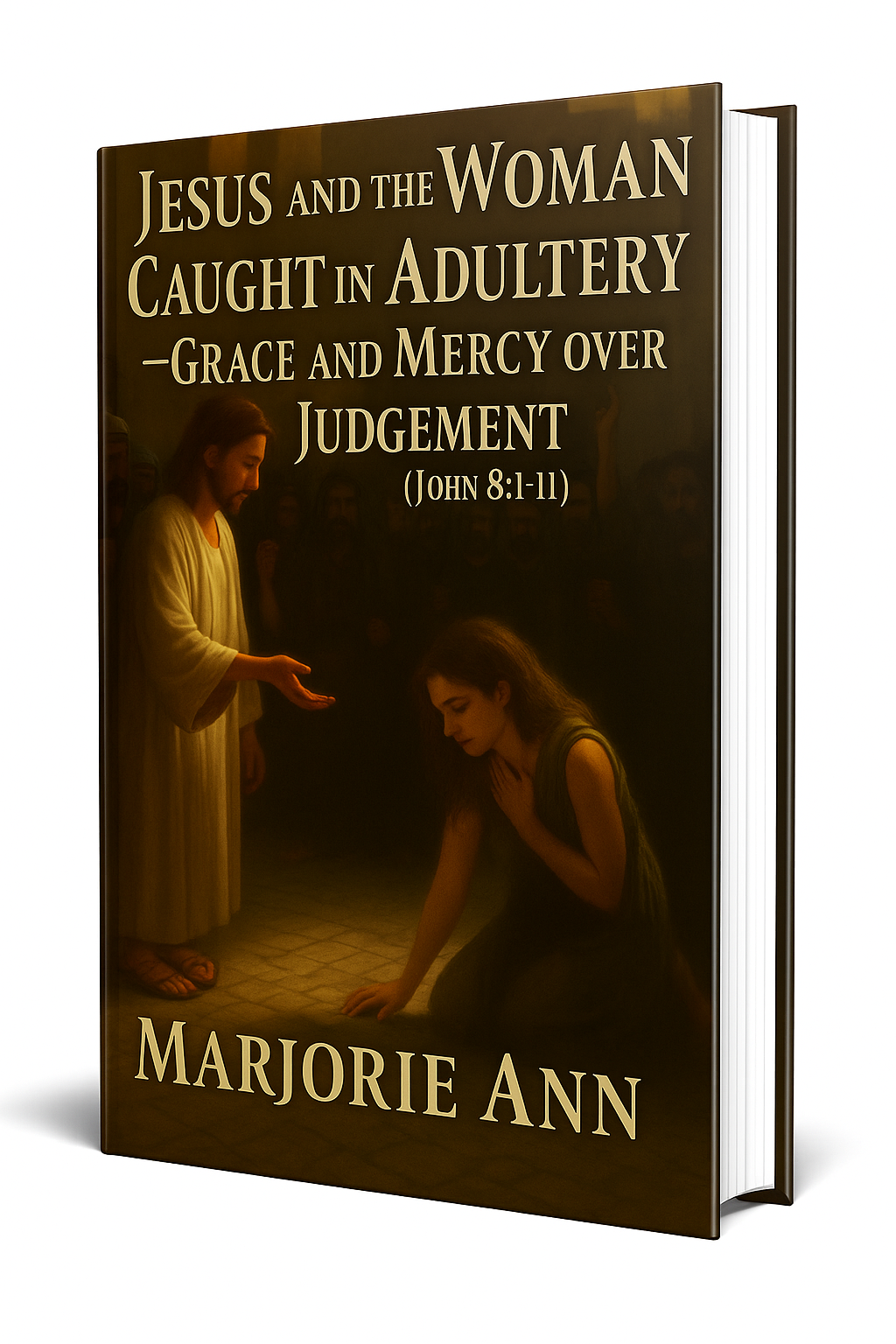
 Jesus and the Woman Caught in Adultery – Grace and Mercy Over Judgement
A powerful retelling of John 8:1-11. This book brings to life the depth of forgiveness, mercy, and God’s unwavering love. Check it now on Amazon 


 “Every great message deserves a home online.”


Don’t let your calling stay hidden. Start a Christian blog or website using Hostinger — with 99.9% uptime, a free domain, and SSL, your voice can shine for God’s glory anytime, anywhere. Begin today. Try it RISK-FREE! 

 “Your body is God’s temple — care for it with purpose.”


Renew your energy and restore balance naturally. Mitolyn helps support a healthy metabolism, giving you the vitality to live out God’s calling with strength and confidence.
Unlock Your Metabolic Power!  Burn More Calories & Feel Great With Mitolyn.
Start Today.  Check Price Now.
As a ClickBank & Amazon Affiliate, I earn from qualifying purchases.
 Acknowledgment: All Bible verses referenced in this article were accessed via Bible Gateway (or Bible Hub).
Want to explore more? Dive into our new post on Why Jesus? and experience the life-changing truth of the Gospel!