


The Power Of Family Worship In A Christ-Centered Home

You want your home to be a place where faith is lived, not just taught. Family worship is one of the most practical, transformative ways to make that happen. It’s less about perfection and more about rhythms: gathering around Scripture, singing together, and talking with God as a household. When you invite your family into worship at home, you create a space where spiritual formation happens naturally across meals, routines, and relationships. This article walks you through the biblical reasons for family worship, what it can look like in real life, and practical, age-conscious ways you can begin or strengthen this discipline in your home.
Family worship isn’t a program you have to master before you start. It’s a commitment to shape your household by God’s Word and to make Jesus the center of your daily life. You’ll find encouragement here for building consistent patterns, troubleshooting resistance, and seeing the long-term fruit in the faith of your children and the unity of your marriage. Throughout this article you’ll see Scripture woven into the practical steps—because family worship must be rooted in God’s promises, not merely good ideas.
Why family worship matters
When you gather your family to worship, you’re following a biblical pattern for spiritual formation. Scripture emphasizes teaching God’s ways to the next generation. For example, God commissions parents to talk about His Word when they sit, walk, lie down, and rise up in Deuteronomy 6:4-9. The Shema calls you to embed God’s commandments into the rhythms of daily life: “[Hear, O Israel: The Lord our God, the Lord is one. Love the Lord your God with all your heart…]” Deuteronomy 6:4-9. Family worship gives you a practical way to live out that command.

The psalmist shows how telling the next generation about God’s deeds is essential: “We will not hide them from their descendants; we will tell the coming generation the glorious deeds of the LORD” Psalm 78:4–7. When you gather for family worship, you’re participating in that memory-making work, handing down truth and testimony. In the New Testament, Paul urges household formation too: in Ephesians, he instructs fathers to bring their children up “in the discipline and instruction of the Lord” Ephesians 6:4. Family worship is one of the most concrete ways to implement that instruction across ages.
You’re also building spiritual identity and unity through shared worship. Colossians says, “Let the word of Christ dwell in you richly… teaching and admonishing one another in psalms, hymns, and spiritual songs” Colossians 3:16. That richness grows when you practice worship together—when Scripture is heard aloud, when your family sings, and when prayer becomes communal. The simple acts of reading a passage and responding in prayer shape character, teach theology, and create memories that last long after the children leave home.
Biblical foundations for family worship
Your motivation for family worship should be more than nostalgia or cultural habit; it should be rooted in the Bible. From the Old Testament household commands to the New Testament practice of early Christians, the Bible models the communal nature of faith. Joshua famously declared, “As for me and my household, we will serve the LORD” Joshua 24:15. That isn’t merely dinner-table talk; it’s a declaration of intent to center the home around God.
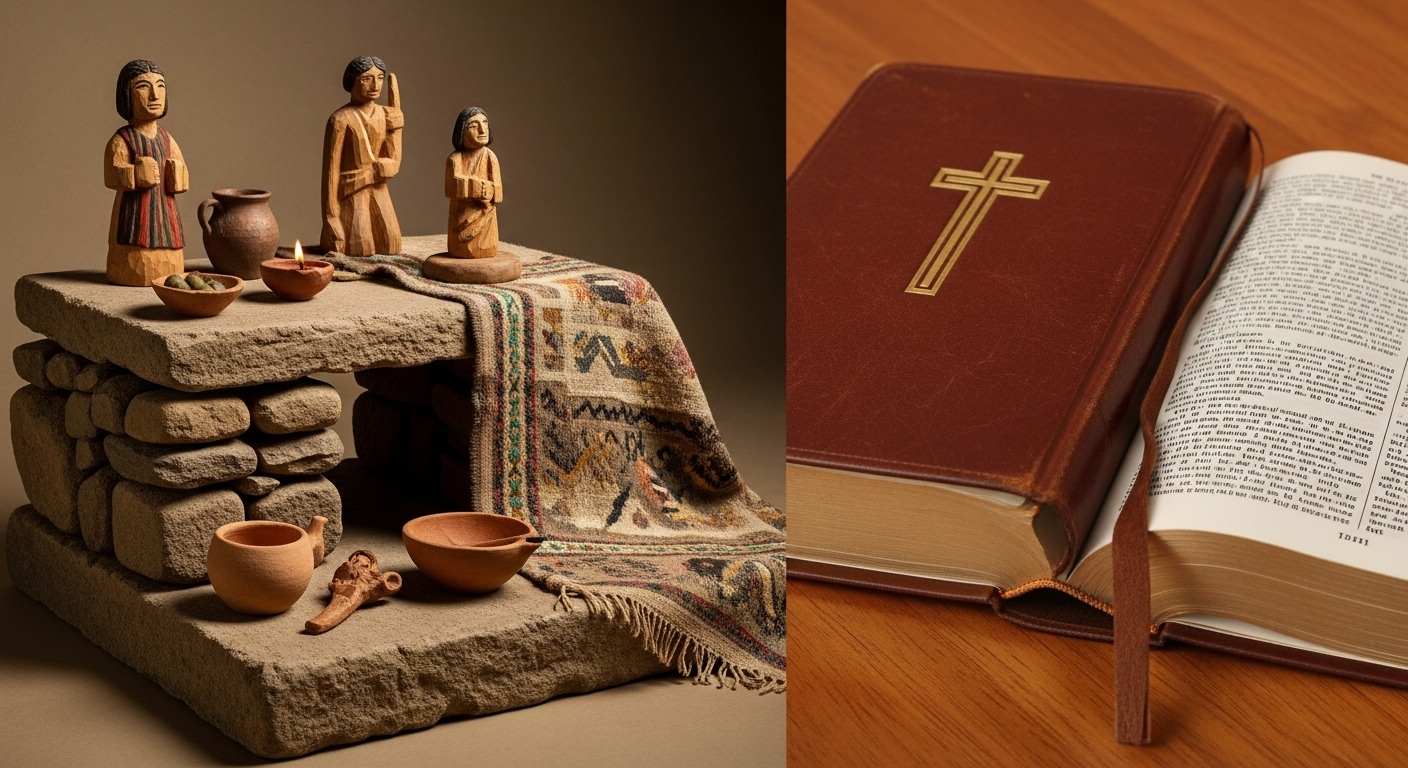
Scripture also shows that believers met in homes for instruction and fellowship. In Acts, the early church devoted themselves to teaching, fellowship, breaking of bread, and prayer, often in house churches Acts 2:42–47. Your family can be a primary place of discipleship in a similar, though contextualized, way. Jesus promised He is present where even two or three gather in His name: “For where two or three gather in my name, there am I with them” Matthew 18:20. That promise gives you confidence that family worship isn’t merely symbolic—it’s truly a place where Christ meets and shapes your household.
Beyond commands and examples, family worship is about covenantal formation. God makes promises across generations, and your family is a primary space in which covenant faithfulness is practiced. Psalm 145:4 speaks to how each generation will declare God’s glory to the next: “One generation commends your works to another; they tell of your mighty acts” Psalm 145:4. When you regularly read Scripture, sing hymns, and pray together, you enact faithfulness to that generational calling.
What family worship looks like: music, prayer, and Scripture

Family worship thrives when it is simple and centered. You don’t need elaborate liturgy or professional musicians; you need accessible elements that invite everyone to participate: Scripture reading, singing, and prayer. Each piece plays a role in shaping hearts.
Music: Singing together is powerful. It engages memory, affections, and theology in a way that intellectual lectures often don’t. You can choose hymns, simple choruses, or contemporary worship songs appropriate for your children’s ages. The point is to let the Word dwell richly through music, memorizing truth in melodic form. Colossians links singing and teaching: “…teaching and admonishing one another in psalms, hymns, and spiritual songs” Colossians 3:16. You’ll find that even brief, repeated songs can become anchors in your family faith.
Prayer: Prayer models dependence on God and invites every family member to voice need, gratitude, and confession. Keep family prayer simple at first—short, specific, and frequent. Rotate who prays to give children responsibility and ownership. Prayer also helps you cultivate compassion by praying for neighbors, missionaries, and specific needs. When you pray together, you teach your children not only how to talk to God but also how to listen.
Scripture reading: Central to family worship is the regular, audible reading of Scripture. This isn’t just for adults; children need to hear God’s Word proclaimed. Read a passage and then give a short explanation in language they can grasp. Use the Bible itself—perhaps a family Bible with notes or a children’s Bible for younger ears—so Scripture remains the authority. As Paul instructed Timothy, Scripture is profitable for teaching and training in righteousness 2 Timothy 3:16–17. Regular reading lays a foundation for wisdom, conviction, and transformation.
Music: how to include songs without stress

When music feels daunting, keep it simple. You can sing a acapella, use a guitar or piano, or play recorded worship music. Choose two or three songs you return to each week so melodies and words sink in. For very young children, use call-and-response songs or short choruses. For teens, involve them in choosing a song now and then—this builds buy-in.
Music also opens doors to theological teaching. Hymns and well-crafted worship songs embed doctrine: sin, grace, redemption, and the person of Jesus. Over time, these truths shape hearts as surely as spoken lessons. Don’t be afraid to sing imperfectly; sincerity matters more than skill.
Prayer: making it real and routine

Make prayer part of daily life, not a one-off event. Start small: a short table prayer before meals, a bedtime prayer that includes thanksgiving and confession, and a weekly time for longer, shared intercession. Model vulnerability in prayer—confess your sins, express dependence, and celebrate God’s answers. That transparency teaches your children authenticity before God.
Use prompts to keep prayers focused: name a praise, name a need, name someone to pray for. You’ll find that specific prayer rhythms help children participate. Encourage written prayer requests for the family prayer jar and occasionally review answered prayers to cultivate gratitude and trust.
Creating a simple family worship routine
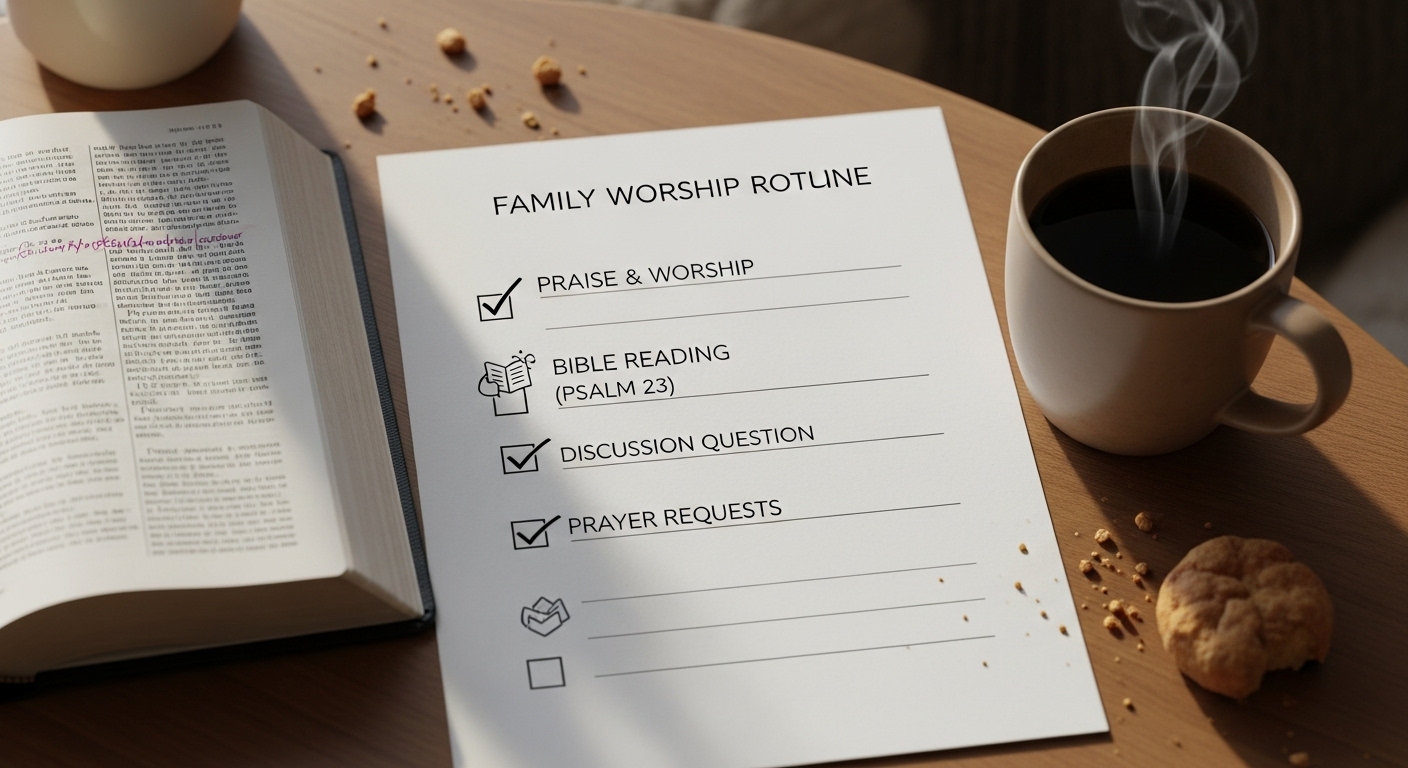
You don’t need a long-term commitment to be effective. Begin with a 10–15 minute routine you can sustain. Short, consistent practices win over sporadic, ambitious ones. Here’s a simple framework you can adapt:
- A welcome and brief prayer (1–2 minutes)
- One or two songs (3–5 minutes)
- Scripture reading (3–5 minutes)
- A short explanation or question time (2–4 minutes)
- A closing prayer (1–2 minutes)
This rhythm keeps family worship manageable while giving each component its due. Over time, you can expand elements—add confession, a short catechism question, or a reflective silence—when your family is ready. The goal is not imitation of someone else’s model but the faithful application of Word, worship, and prayer within your household.
Weekly and seasonal variations

Some families add a longer Sunday evening worship service at home to reflect on the sermon you heard, or a Friday night family hymn sing. Seasonal rhythms—Advent, Lent, Easter, Thanksgiving—offer natural thematic material for family worship. You can read themed Scripture passages, sing seasonal hymns, and include family rituals (like lighting an Advent candle) that reinforce the church calendar.
During busy seasons, simplify rather than drop family worship. Even a single verse and a brief prayer maintain the habit and send the message that God is central despite life’s demands.
Age-appropriate approaches: toddlers to teens

Family worship must honor developmental realities. You wouldn’t expect a toddler to sit through a long lecture, just as you won’t want to patronize a teenager with songs meant for preschool. Adjust length, language, and responsibility according to age.
For toddlers: Keep time short and interactive—sing, read a Bible picture, teach one simple truth repeatedly (e.g., “God loves us”). Use motion, repetition, and visuals.
For elementary-aged children: Add simple explanations and questions. Encourage participation through short readings, prayer requests, and roles like “song leader” or “verse reader.”
For pre-teens and teens: Invite deeper discussion, ask hard questions, and give them roles in planning or teaching a portion of family worship. Let them choose songs and scripture passages occasionally. Respect their burgeoning autonomy while keeping the family the primary place for discipleship.
You’ll likely need to experiment, adjust expectations, and be patient. The aim is to include everyone in a meaningful way that forms faith, not to stage performances.
Handling resistance and real-life challenges

You will face obstacles. Busy schedules, a skeptical partner, sleepy kids, or your own lack of confidence can derail family worship. Anticipate these and plan. If schedules collide, pick one consistent time and guard it fiercely. If your spouse is hesitant, open a conversation about small steps and mutual goals—maybe start by reading one verse at dinner.
When children resist, use creativity. Shorter times, interactive elements, and natural rewards like pancakes after a morning worship can change attitudes. If technology is a distraction, create phone-free times during family worship. You don’t need flash—even a candle or a special chair can signal that this is a different, sacred time.
If you struggle with teaching Scripture, you don’t have to be a theologian. Use trusted resources, children’s Bibles, or concise devotionals. The Holy Spirit is the ultimate teacher; your role is faithfulness and consistency. Remember Paul’s encouragement to Timothy about the gifts God gives: God equips those He calls 2 Timothy 1:6-7.
Practical tips for parents who feel unqualified
You might worry that you’re not trained to lead worship. Begin with humility and a simple plan. Prepare briefly: choose a short passage, a hymn, and two prayer points. Keep it conversational. Ask questions like, “What stood out to you?” or “How might we live this verse this week?” Use resources—catechism Q&A for kids, short devotionals, or sermon summaries—to help explain the text.
Make it collaborative. Invite older children to plan parts of the time. Encourage ongoing learning: read a parenting book that emphasizes spiritual formation, listen to sermons together, and find a mentor. Over time, your confidence will grow as you see the slow, steady fruit of faithful practice.
Tools, resources, and further reading
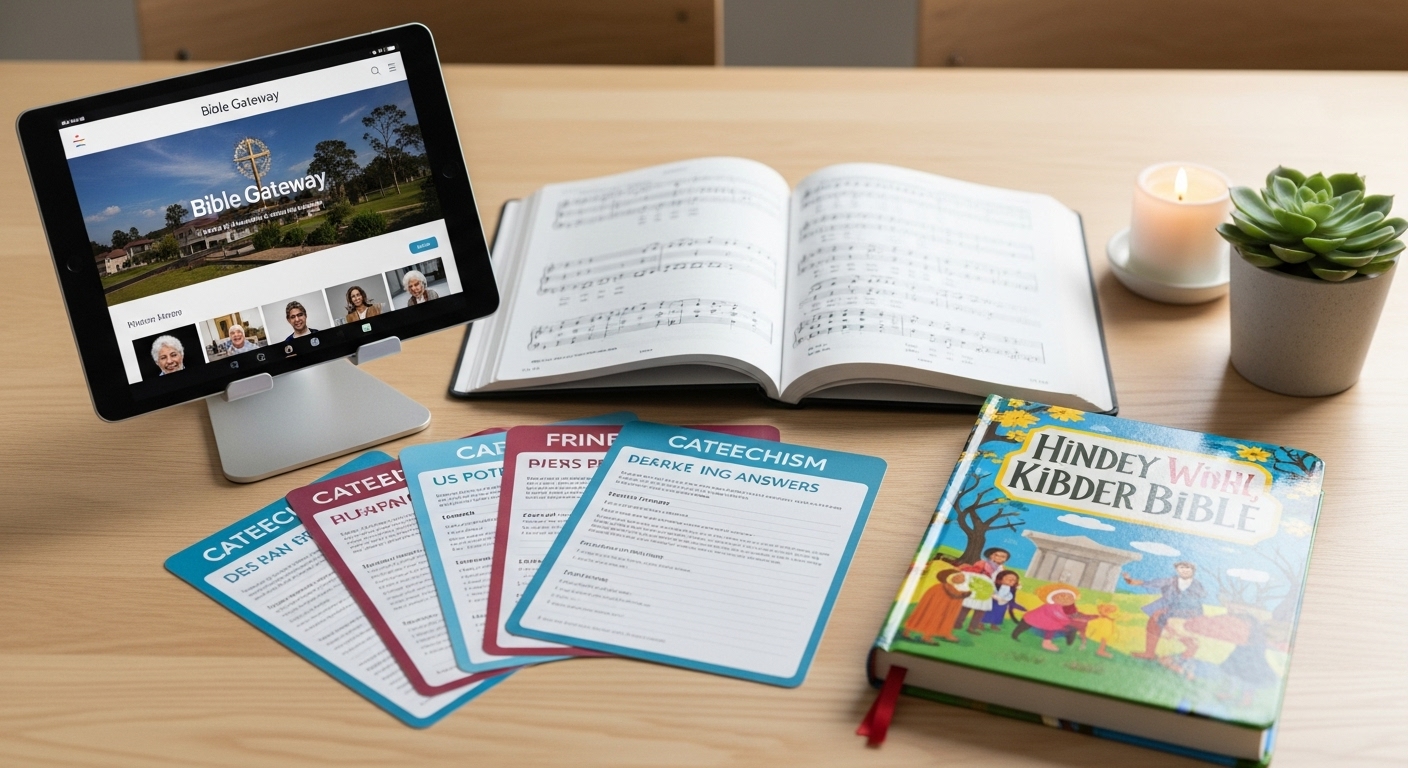
Many resources can help you with family worship. Use Bible study tools like Bible Gateway or Bible Hub to read translations, search study notes, and find reading plans. For every Scripture in this article, you can view it on Bible Gateway (for example, Colossians 3:16). Christian hymnals, children’s worship albums, catechisms for kids, and family devotionals can provide structure and content when you’re unsure where to start. Podcasts and sermon series on pastoral care and family discipleship can also be useful as you build your own understanding.
Don’t overlook community. Connect with other families who practice family worship to swap ideas, playlists, and resources. Your church can be an ally—ask the pastoral staff for family worship suggestions or materials they recommend.
The long-term fruit of family worship

Family worship is rarely flashy, but it produces durable spiritual fruit. You’re training hearts to love God, equipping children with Scripture that will guide choices later in life, and building intimacy across generations around a shared faith. The psalmist’s vision of generational faithfulness and Paul’s instructions about household formation come to life when you intentionally gather for worship at home.
Over time, you’ll notice changes: prayers becoming more articulate, Scripture memory forming convictions, family tensions softened by mutual confession and grace. Even more than immediate behavioral changes, family worship forms identity. Children who grow up with families that worship together have a living memory of faith that can anchor them in adulthood.
Hospitality and outreach also flow from family worship. A Christ-centered home naturally becomes a place of grace and invitation. As the early church gathered in homes, your family worship can be a starting point for reaching neighbors and friends with the gospel ethos you embody.
Stories and examples (brief)
You may find encouragement from simple stories: a family that sang one chorus nightly and later watched that chorus reframe a teenager’s repentance; parents who read a verse each evening and saw their child’s moral compass shaped by that verse years later; a marriage strengthened because nightly family prayer returned both spouses to reliance on God rather than on their own strength. These aren’t extraordinary miracles as much as consistent, faithful disciplines yielding growth.
Such testimonies remind you that family worship isn’t about immediate, dramatic change. It’s about slow formation—one verse, one song, one prayer at a time.
Final encouragement and next steps
If you’ve been meaning to start family worship, begin with a single commitment: a 10-minute time, three nights a week, for the next month. Choose one passage to read each week, one or two songs, and one focused prayer. Invite your household into this experiment and measure success by faithfulness, not by performance. Celebrate small wins—kids participating, a new family habit formed, a prayer answered—and iterate as needed.
If you lead with grace and depend on the Holy Spirit, simple family worship can become the bedrock of your home. It won’t solve every problem, but it will reorient your family around Christ and plant seeds of faith that last for generations.

- Deuteronomy 6:4–9
- Psalm 78:4–7
- Ephesians 6:4
- Colossians 3:16
- Joshua 24:15
- Acts 2:42–47
- Matthew 18:20
- 2 Timothy 3:16–17
- 2 Timothy 1:6–7
- Psalm 145:4
Explore More
For further reading and encouragement, check out these posts:
👉 7 Bible Verses About Faith in Hard Times
👉 Job’s Faith: What We Can Learn From His Trials
👉 How To Trust God When Everything Falls Apart
👉 Why God Allows Suffering – A Biblical Perspective
👉 Faith Over Fear: How To Stand Strong In Uncertain Seasons
👉 How To Encourage Someone Struggling With Their Faith
👉 5 Prayers for Strength When You’re Feeling Weak

📘 Jesus and the Woman Caught in Adultery – Grace and Mercy Over Judgement
A powerful retelling of John 8:1-11. This book brings to life the depth of forgiveness, mercy, and God’s unwavering love.
👉 Check it now on Amazon 🛒💥

🔥 “Every great message deserves a home online.” 🌍💬🏡
Don’t let your calling stay hidden. Start a Christian blog or website using Hostinger — with 99.9% uptime, a free domain, and SSL, your voice can shine for God’s glory anytime, anywhere.
💥 Begin today. 🛒 Try it RISK-FREE! ✅

✝️ “Your body is God’s temple — care for it with purpose.” 💪💖🏛️
Renew your energy and restore balance naturally. Mitolyn helps support a healthy metabolism, giving you the vitality to live out God’s calling with strength and confidence.
🔥 Unlock Your Metabolic Power! ⚡Burn More Calories & Feel Great With Mitolyn. 💪
👉 Start Today. 🚀 Check Price Now. 🛒💰
💰 As a ClickBank & Amazon Affiliate, I earn from qualifying purchases.
📖 Acknowledgment: All Bible verses referenced in this article were accessed via Bible Gateway (or Bible Hub).
🚀 Want to explore more? 👉 Dive into our new post on Why Jesus? and experience the 🔥 life-changing truth of the Gospel!