


The Profound Love in Luke 10:27

Introduction
Have you ever felt torn between the demands of your schedule, the ache in your heart, and the quiet voice that says, “Love”? You’re not alone. Maybe you’ve scrolled past verses on your phone, heard sermons about loving others, or watched someone sacrifice time and comfort for a stranger. You sense there’s more to love than warm feelings — there’s a profound command that reshapes everything.
Luke 10:27 is one of those verses that sits at the center of Christian life: it’s brief, direct, and radical. It isn’t just a spiritual suggestion; it’s a compass for how you live, decide, and relate. In this article, you’ll explore what this verse really says, why it matters for your daily life, and how the command to “Love God and Neighbor” can transform ordinary moments into faithful practices. You’ll find a clear explanation, deeper reflection, and practical steps to help you live this profound love out, even when it’s hard.
📖 The Bible Foundation
Here’s the verse we’re unpacking:
Luke 10:27 (NIV): “He answered, ‘Love the Lord your God with all your heart and with all your soul and with all your strength and with all your mind’; and, ‘Love your neighbor as yourself.'”
Read it on Bible Gateway: Luke 10:27 (NIV).

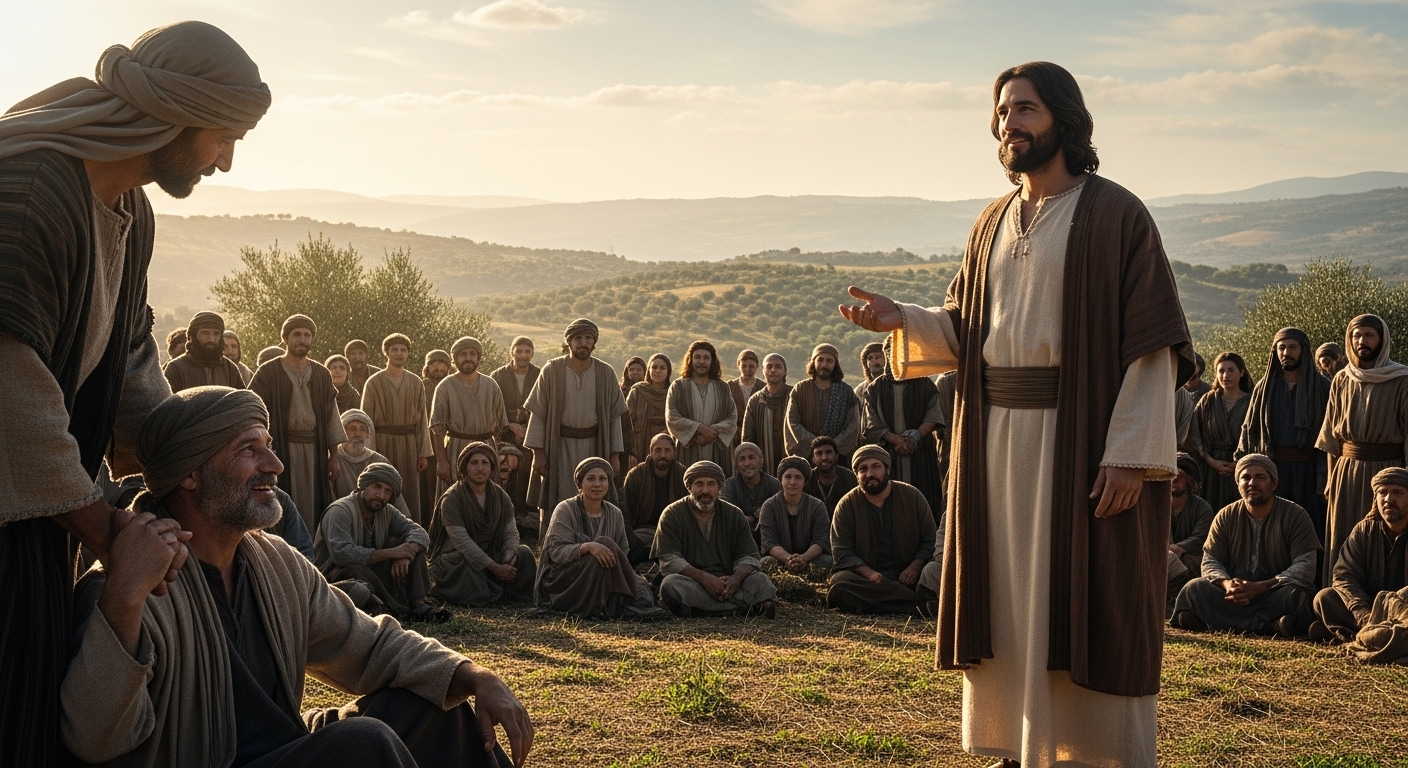
In context, Luke 10:27 comes from a conversation between Jesus and a legal expert who asked, “Teacher, what must I do to inherit eternal life?” (Luke 10:25). Jesus asks what is written in the Law, and the expert summarizes it: love God fully and love your neighbor as yourself. What’s happening here is more than legalistic instruction — Jesus affirms that the heart of the Law is relationship: vertical (God) and horizontal (others). The passage shows that true religion isn’t a list of tasks; it’s a life saturated by love.
To put it simply for an eighth-grader: Jesus is saying the most important thing you can do is love God with everything you’ve got and love people the way you love yourself. It’s not about being perfect; it’s about being wholehearted and compassionate. This verse pulls together the first and greatest commandments (found in Exodus and Leviticus) to reveal God’s design for human flourishing and belonging.
🧠 Understanding the Core Truth
The main point of Luke 10:27 is straightforward: your relationship with God and your relationship with others are inseparable. When Jesus highlights both loving God and loving your neighbor, He’s teaching you that worship and compassion are two sides of the same coin.
Why does this matter? Because it shows that faith isn’t a private thing you tuck away for Sunday mornings. Loving God with “all your heart, soul, strength, and mind” means your emotions, will, energy, and thoughts are oriented toward God. Loving your neighbor as yourself means your faith spills into practical care — you don’t just admire God, you reflect God to others.
This teaching helps you see God’s perspective: He desires whole-person devotion that flows outward. When love is sincere, your beliefs change how you treat people. Loving the invisible God leads to visible acts of kindness, justice, and mercy. Loving others, in turn, often deepens your love for God because you encounter divine image-bearers in everyday life.
🌊 Going Deeper — The Hidden Meaning
Beneath the surface of Luke 10:27 lies a heart-level truth: love that is merely sentimental or selective misses the point. The Scripture calls you to a robust love — one that costs, that persists, and that chooses the good of the other.
Consider the parable of the Good Samaritan (Luke 10:30–37), given by Jesus immediately after this exchange. A man is beaten and left for dead; two religious people pass by without helping, while a despised Samaritan stops, tends wounds, and pays for care. Jesus uses this story to define “neighbor” not by ethnicity or proximity but by compassion in action. The deeper message is that loving God is demonstrated when you act compassionately toward vulnerable people — even those you might not like, who are different from you, or who don’t offer anything in return.
A personal example might help: imagine your colleague carries a quiet burden — the stress of parenting alone, trouble paying bills, or loneliness. Loving God in your prayers might lead you to notice that person, say a kind word, offer practical help, or invite them for coffee. The hidden meaning is that your spiritual devotion is proven in tangible mercy.
This verse also flips common assumptions: you can’t truly love God while ignoring the needs of people He created. Your theology and your deeds are in conversation. When you love wholeheartedly, your inner life and outer actions align.
Related Post: Exploring the Depth of Love in 1 John 4:9-10
💡 Modern Connection — Relevance Today
So what does all this look like in a 21st-century life filled with emails, social media, and a thousand tiny anxieties? Loving God and neighbor remains deeply relevant — maybe more than ever.
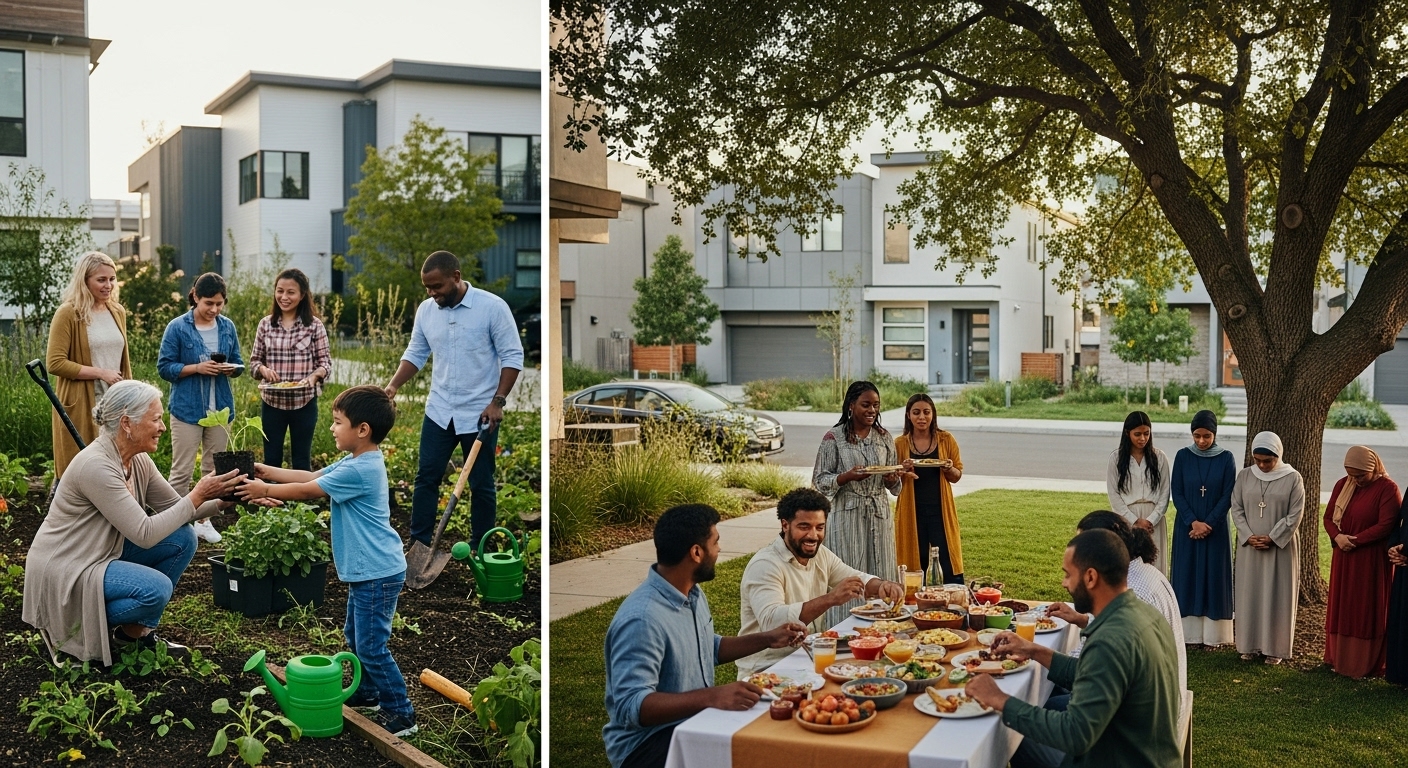
In families: Loving God with all your heart influences how you parent, forgive, and invest time. It shapes family rhythms such as prayer, truth-telling, grace, and hospitality. Loving your neighbor may mean teaching your children empathy by involving them in neighborly acts — sharing meals, helping with yard work, or listening to elders.
At work: Loving with all your mind and strength means bringing integrity to your tasks, treating coworkers fairly, and refusing to use people as stepping stones. Loving your neighbor at work looks like mentoring, offering fair credit, and choosing honesty over short-term gain.
In online spaces: You can love God with your mind by seeking truth and using discernment. You love neighbors online by being kind in comments, resisting cancel culture, and creating spaces where dignity is respected. The digital age tests your devotion: are you loving in small interactions or only performing for likes?
In justice and mercy: When systems oppress the vulnerable, Luke 10:27 calls you to be a person who stands for dignity. Loving God compels you to engage in actions that reflect God’s compassion — volunteering, voting with conscience, supporting policies that protect the vulnerable, and offering your gifts to repair what’s broken.
In personal growth, loving God and neighbor challenges you to healing — addressing anger, envy, or indifference. When you root your identity in God’s love, you’re more capable of offering love to others without expectation.
❤️ Practical Application — Living the Message
How do you live Luke 10:27 day by day? Here are practical steps you can start using this week.
- Reorient small rhythms: Begin or end your day with a simple prayer that includes both devotion to God and a request to notice someone who needs love. Practice asking, “Who is my neighbor today?”
- Train your attention: Carry a brief mental checklist — heart, soul, strength, mind — and ask, “Am I loving God in this decision? Am I loving my neighbor in how I respond?” This helps make love intentional.
- Practice embodied kindness: Do one small, tangible act of help each week — a note of encouragement, a meal for a busy neighbor, or time listening without trying to fix everything. Concrete acts shape heartfelt love.
- Learn compassionate listening: When someone shares, resist offering immediate solutions. Ask questions, validate feelings, and lean into presence. Loving your neighbor often starts with being fully present.
- Serve in the local community: Join a small group, volunteer at a shelter, or participate in community service. These settings let you love your neighbor with your strength and time.
- Reflect and repent: When you fail to love, name it, ask God for forgiveness, and make a simple plan to respond better next time. Growth is often small and steady, not instant.
By practicing these steps, you’ll notice an inward shift: your worship becomes more authentic and your actions more intentional. Love grows not as a performance but as a habit shaped by grace.
🌿 Faith Reflection Box
Take a moment and ask yourself: Who have you overlooked recently that God wants you to see? How might your worship of God invite you into practical care for that person? Pause, pray, and listen.
Key Takeaways:
- Loving God and neighbor are inseparable; devotion should translate into compassion.
- True love involves heart, soul, strength, and mind — emotions, will, energy, and thought.
- Practical acts (presence, service, justice) make love visible and transformative.
- Small, consistent practices grow a life of love more than grand gestures.
- When you fail, grace invites repentance, repair, and renewed effort.
Related Post: Unveiling Love: Insights from 2 John 1:6
👉 Q&A
Q1: How does Luke 10:27 relate to the Old Testament commandments?
Answer: Luke 10:27 actually summarizes the Old Testament heart of the Law. Jesus quotes the Shema from Deuteronomy (love God) and Leviticus 19:18 (love your neighbor). The expert in the story recognizes that the whole Law points to a relationship with God and compassionate treatment of others. Jesus affirms this synthesis because moral and spiritual life begins with wholehearted devotion to God and flows into ethical love for people. Scripture reference: Deuteronomy 6:5.
Q2: Does “Love your neighbor as yourself” mean you must always prioritize others over yourself?
Answer: No, it doesn’t mean you neglect yourself. Loving your neighbor “as yourself” assumes you have a healthy regard for your well-being. The command encourages balance: you’re called to care for others in a way that isn’t exploitative or self-destructive. Self-care, rest, and boundaries make sustainable love possible. The biblical model is one of stewardship — you love others generously but not in ways that harm you. Scripture reference: Mark 12:31.
Q3: What do you do when someone refuses your love or kindness?
Answer: When your kindness isn’t received, remember that you’re responsible for the gesture, not the outcome. Loving someone may mean being patient, praying for them, and maintaining healthy boundaries if needed. Jesus models sacrificial love without demanding a response. You can still offer kindness and then entrust the result to God. Staying humble, consistent, and prayerful keeps your motives aligned with God’s heart. Scripture reference: Matthew 5:44.
Q4: Can loving God and neighbor be a form of worship for busy people?
Answer: Absolutely. Worship isn’t confined to music or a worship service; it’s any act that honors God. For busy people, loving God with your mind and strength looks like integrity at work, patience with family, and generosity in small moments. Serving others in compassion is a lived prayer — it embodies God’s priorities in tangible ways. Integrating short spiritual practices (brief prayers between tasks, acts of kindness) helps busy lives become worshipful. Scripture reference: Romans 12:1.
Q5: How do you handle conflict between loving someone and standing for justice?
Answer: Loving someone and pursuing justice are not opposed — they’re complementary. Sometimes love requires calling out harm, advocating for truth, and protecting the vulnerable. You can pursue justice lovingly by centering dignity, listening to marginalized voices, and acting with humility. Love that ignores injustice is incomplete. Seek wisdom, pray for courage, and pursue restorative paths when possible, remembering that God’s justice is compassionate as well as righteous. Scripture reference: Micah 6:8.
Practical Examples and Short Illustrations
- The Neighbor Next Door: You might not notice Mrs. Carter across the street, but one winter day you shovel her walkway, carry groceries, or check in by phone. That small kindness says, “You matter,” and models Luke 10:27 in everyday life.
- At Work: You spot a coworker taking credit for group work. Loving God and neighbor guides you to speak truth gently, share credit, and protect fairness rather than staying silent for convenience.
- Digital Compassion: Someone posts a vulnerable confession online. Instead of judgmental comments, you respond with empathy and resources. That small, respectful reply can be a lifeline.
These micro-choices add up. Love isn’t only in heroics; it’s mostly in ordinary, repeated acts.
The Cost and Joy of Loving Wholeheartedly
Loving with all your heart, soul, strength, and mind will sometimes cost you comfort, convenience, and reputation. You might be misunderstood or even taken advantage of. Yet, the gospel promises that such love participates in something larger — a community shaped by grace, healing, and divine presence.
You’ll also discover joy that isn’t dependent on circumstances. Loving God roots you in a love that holds steady when people fail. Loving your neighbor expands your life with connection, meaning, and opportunities to reflect God’s character. The paradox is clear: sacrificial love often returns in deep fulfillment and resilient hope.
How to Keep Growing
Love is a lifetime practice. Here are ongoing ways to keep growing:
- Study Scripture slowly and ask how God’s priorities align with your day-to-day choices.
- Join a small group or mentorship circle that practices accountability and serves together.
- Schedule regular reflection: ask, “Where did I love well this week? Where did I miss it?”
- Celebrate small wins — acts of kindness, courageous conversations, or moments you chose compassion.
Growth happens in community and by habit. Try one new loving practice for a month and watch how your perspective shifts.
Related Resources
If you want to dig deeper into how prayer and peace shape loving action, this helpful article offers practical prayer habits and steps to maintain spiritual balance: https://biblestorieshub.com/how-to-pray-for-peace-when-your-mind-feels-overwhelmed/. It pairs well with reflecting on Luke 10:27 because prayer reorients your heart toward God and neighbor.
🙏 Conclusion & Reflection
Luke 10:27 calls you to a profound, life-shaping love: to love God fully and to love your neighbor as yourself. That call changes how you spend your time, speak to others, and shape your inner life. It’s not about perfection but about alignment — letting your worship of God overflow into compassion for people.
Let’s pray briefly: Lord, help me love you with my whole heart, soul, strength, and mind. Open my eyes to neighbors I’ve ignored, give me courage to act in kindness, and teach me how to make love a habit. When I fail, remind me of your grace and lead me back to faithful action. Amen.

Explore More
For further reading and encouragement, check out these posts:
👉 7 Bible Verses About Faith in Hard Times
👉 Job’s Faith: What We Can Learn From His Trials
👉 How To Trust God When Everything Falls Apart
👉 Why God Allows Suffering – A Biblical Perspective
👉 Faith Over Fear: How To Stand Strong In Uncertain Seasons
👉 How To Encourage Someone Struggling With Their Faith
👉 5 Prayers for Strength When You’re Feeling Weak

📘 Jesus and the Woman Caught in Adultery – Grace and Mercy Over Judgement
A powerful retelling of John 8:1-11. This book brings to life the depth of forgiveness, mercy, and God’s unwavering love.
👉 Check it now on Amazon 🛒💥

🔥 “Every great message deserves a home online.” 🌍💬🏡
Don’t let your calling stay hidden. Start a Christian blog or website using Hostinger — with 99.9% uptime, a free domain, and SSL, your voice can shine for God’s glory anytime, anywhere.
💥 Begin today. 🛒 Try it RISK-FREE! ✅

✝️ “Your body is God’s temple — care for it with purpose.” 💪💖🏛️
Renew your energy and restore balance naturally. Mitolyn helps support a healthy metabolism, giving you the vitality to live out God’s calling with strength and confidence.
🔥 Unlock Your Metabolic Power! ⚡Burn More Calories & Feel Great With Mitolyn. 💪
👉 Start Today. 🚀 Check Price Now. 🛒💰
💰 As a ClickBank & Amazon Affiliate, I earn from qualifying purchases.
📖 Acknowledgment: All Bible verses referenced in this article were accessed via Bible Gateway (or Bible Hub).
🚀 Want to explore more? 👉 Dive into our new post on Why Jesus? and experience the 🔥 life-changing truth of the Gospel!